Node
Learn what a node is and how it shapes cannabis growth, sex ID, and yield.
What Is a Node in Cannabis Plants?
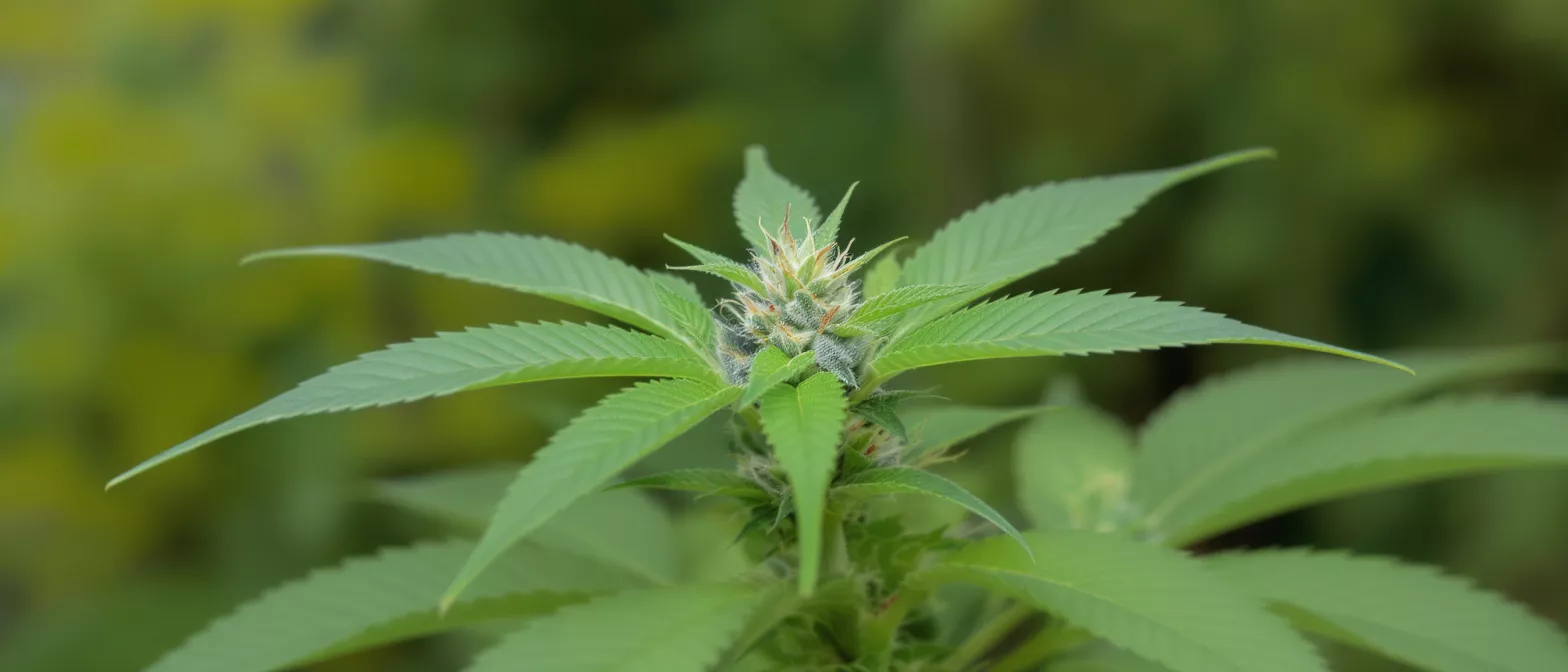
A node is one of the most fundamental structures on a cannabis plant, yet many new growers overlook it entirely until they start reading about training and pruning. In botanical terms, a node is the point on a stem where leaves, branches, and eventually flowers emerge. Understanding nodes unlocks a deeper grasp of how your plant grows, where it will branch, and how to shape it for maximum productivity.
If you picture the main stem as a highway, the nodes are the exits. Each one is a junction where new growth can branch off in different directions. Between two nodes lies a section of bare stem called the internode, and the relationship between these two structures tells an experienced grower a great deal about the plant's health, genetics, and current life stage.
The concept is simple once you see it in person, but the implications run deep. According to plant physiology resources cited by RxList, the node is the metabolic and structural hub where hormones concentrate and new tissue differentiates. Learning to read nodes turns a casual hobbyist into a deliberate cultivator who can predict and direct growth rather than simply react to it.
How Cannabis Nodes Work on the Stem
The anatomy of a node: Each node hosts a cluster of structures. You will typically find a pair of leaves (or a single leaf in alternating-node species), a small axillary bud tucked into the joint where leaf meets stem, and the potential for a new branch to develop. That axillary bud is the key player — it is dormant tissue that can spring into active growth when the plant decides to branch, or when a grower removes the dominant growth tip above it.
The internode is the smooth stretch of stem between two nodes. Its length is governed by genetics, light intensity, and environmental factors. Plants reaching desperately toward a weak light source will stretch, producing long internodes and widely spaced nodes. Strong, balanced lighting keeps internodes tight, which is exactly what most indoor growers want for a compact, productive canopy.
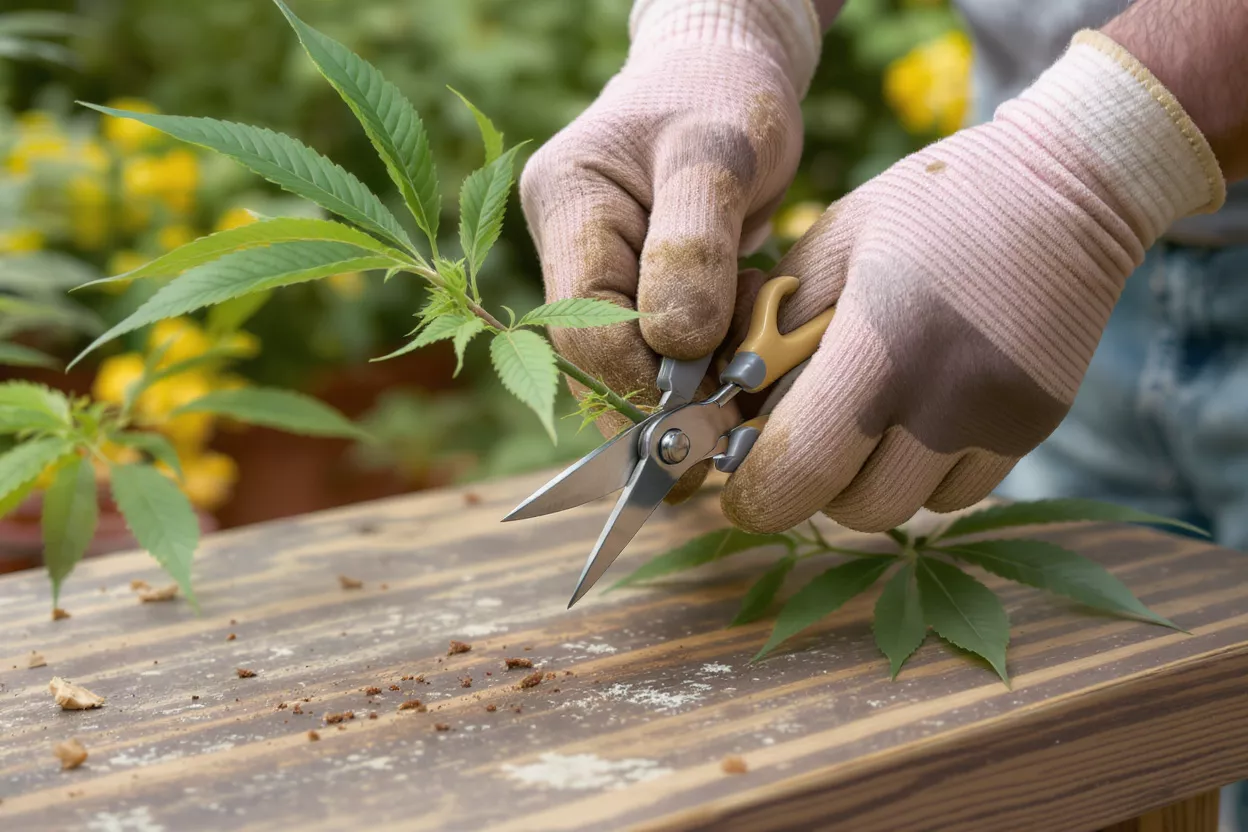
Hormones drive everything happening at the node. Auxins produced at the plant's main growing tip suppress the axillary buds below in a phenomenon called apical dominance. When you top a plant — cutting off that main tip — the auxin suppression lifts, and the dormant buds at the nodes below surge into growth. This is the biological mechanism behind nearly every pruning technique, and a quality set of precision pruning shears makes acting on it clean and safe.
Types of Nodes on a Cannabis Plant
Not all nodes are identical. Cannabis plants display two main arrangements as they mature, and recognizing the difference helps you read the plant's developmental stage at a glance.
- 🌱 Opposite nodes: Common in young seedlings, where two leaves and two branch sites emerge directly across from each other at the same point on the stem. This symmetrical pattern dominates early vegetative growth.
- 🔀 Alternating nodes: As the plant matures, it transitions to staggered nodes where leaves and branches emerge one at a time, spiraling up the stem. This shift often signals the plant is approaching sexual maturity.
- 🌸 Flowering nodes: During the bloom phase, nodes become the sites where calyxes, pistils, and ultimately bud clusters form, especially at the upper canopy.
The transition from opposite to alternating nodes is one of the clearest maturity markers a grower can observe. It tells you the plant has left juvenile growth behind and is ready to respond fully to flowering signals. Watching this shift helps you time training and feeding decisions with precision rather than guesswork.
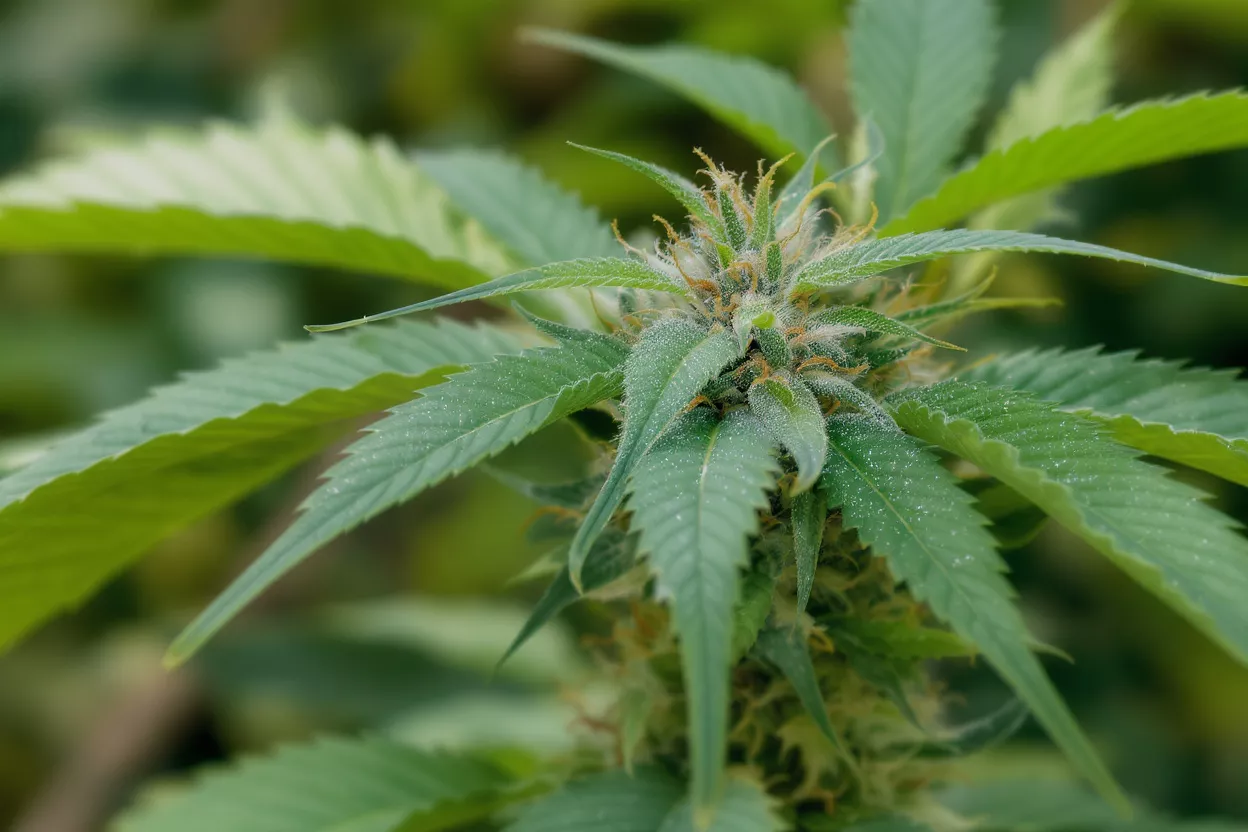
Flowering nodes deserve special attention because they determine your harvest geometry. The denser and more numerous your flowering nodes near the top of the canopy, the more prime bud sites you have. This is why canopy management — keeping many node sites at an even height under the light — is so central to producing dank, resin-heavy flower rather than a single dominant cola surrounded by airy popcorn buds.
Node Spacing and What It Tells You
Tight versus stretched spacing: Node spacing — the distance between consecutive nodes — is one of the most diagnostic visual cues in the garden. Tight spacing, where nodes sit close together, generally indicates healthy light levels and compact, productive growth. Stretched spacing, with long bare internodes, usually means the plant is searching for more light or responding to high temperatures and certain genetic tendencies.
Indica-leaning genetics typically show tighter node spacing and a bushy, compact structure, while sativa-leaning and diesel-style varieties often stretch with longer internodes and a lankier frame. Knowing your genetics helps you set expectations; a stretchy sativa is not necessarily unhealthy, it is simply expressing its nature. Directional airflow and balanced light placement help keep even stretchy plants manageable.
Light distance is the single biggest lever you control here. Raise your light too far and the plant stretches to reach it, wasting energy on stem rather than flower. A reliable adjustable LED grow light lets you dial in the perfect distance and keep node spacing tight throughout the grow. Resources summarized by RxList note that light intensity directly modulates internodal elongation through photoreceptor pathways in the plant.
How to Identify Plant Sex at the Node
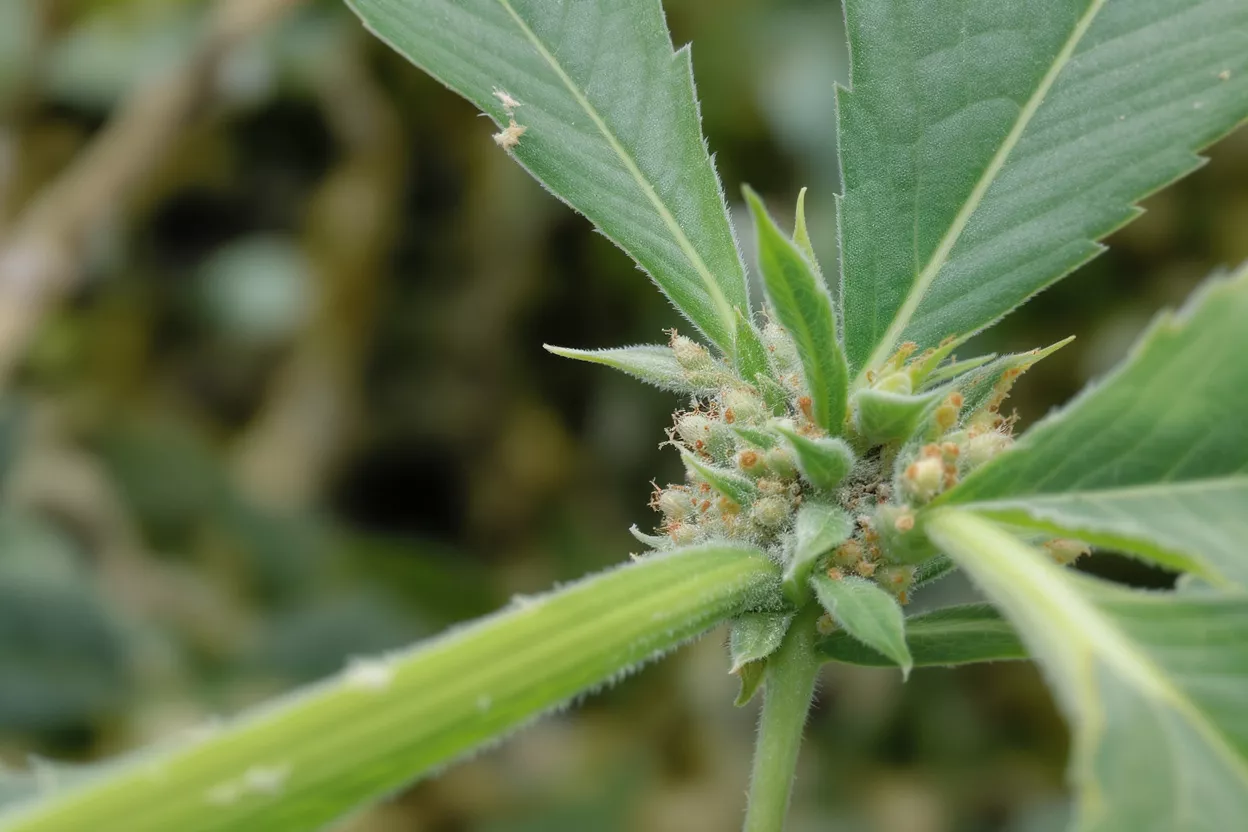
One of the most practical reasons to study nodes is sex identification. Cannabis plants reveal their sex at the nodes during pre-flowering, and catching this early lets you remove males before they pollinate your females and ruin a sinsemilla crop.
Where to look: Pre-flowers appear at the nodes, specifically in the axillary region where the branch meets the main stem. Female plants develop small teardrop-shaped calyxes, often with a pair of white hair-like pistils protruding. Male plants form rounded, ball-shaped pollen sacs that hang in clusters. A jeweler's loupe or magnifier makes these tiny early structures far easier to read.
- ♀️ Female signs: Teardrop calyx with two wispy white pistils emerging from the node.
- ♂️ Male signs: Smooth, rounded pollen sacs clustered at the node, no pistils.
- ⚥ Hermaphrodite watch: Both pollen sacs and pistils appearing at the same node — remove or isolate immediately.
Timing matters. Pre-flowers usually become readable around weeks four to six of vegetative growth, well before the formal flowering stage begins. Checking nodes regularly with good light and magnification protects your whole garden from accidental pollination, which would otherwise scatter seeds through your buds and hammer your final quality.
Nodes and Pruning Techniques
Nearly every cannabis training method revolves around manipulating nodes. Once you understand apical dominance and axillary buds, techniques like topping, fimming, and low-stress training stop being mysterious rituals and become logical interventions.
Topping and fimming: Topping means cutting the main stem cleanly just above a node, which removes apical dominance and prompts the two axillary buds at that node to grow into new main stems — turning one cola into two. Fimming is a similar but less precise cut that can yield four or more new tops. Both techniques redistribute growth hormones to lower nodes and create a wider, more even canopy.
Low-stress training (LST): Instead of cutting, LST involves gently bending and tying down the main stem so that lower nodes rise to the same height as the top. This exposes more node sites to direct light without the recovery time a cut requires. The result is a flat, even canopy where many nodes become productive flowering sites rather than a single dominant tip.
Defoliation — the strategic removal of fan leaves — also targets the area around nodes to improve light penetration and airflow to inner bud sites. Done thoughtfully, it directs the plant's energy toward developing flowers. A clean canopy training kit with soft plant ties makes LST gentle on stems and easy to adjust as the plant grows.
Why Nodes Matter for Yield
The relationship between nodes and yield is direct: more well-lit, mature node sites generally translate to more bud sites, which translates to more harvest. This is why serious growers obsess over node management rather than leaving plants to grow naturally into a single tall cola.
A plant left untrained channels most of its energy into one dominant top while lower nodes languish in shade, producing thin, underdeveloped popcorn buds. By topping and training to equalize the canopy, you convert those neglected lower nodes into productive sites that all receive strong light. According to material referenced by RxList, even light distribution across photosynthetic tissue improves overall biomass accumulation.
Quality matters as much as quantity. Bud sites at well-lit upper nodes tend to develop denser, more resinous flowers — the kind that produce premium concentrate inputs whether you favor diamonds, live resin, or dewaxing-grade material. Maximizing healthy node exposure is the foundation of both bigger and better harvests, and it costs nothing but attention and a little patience.
Nodes During Cloning and Propagation
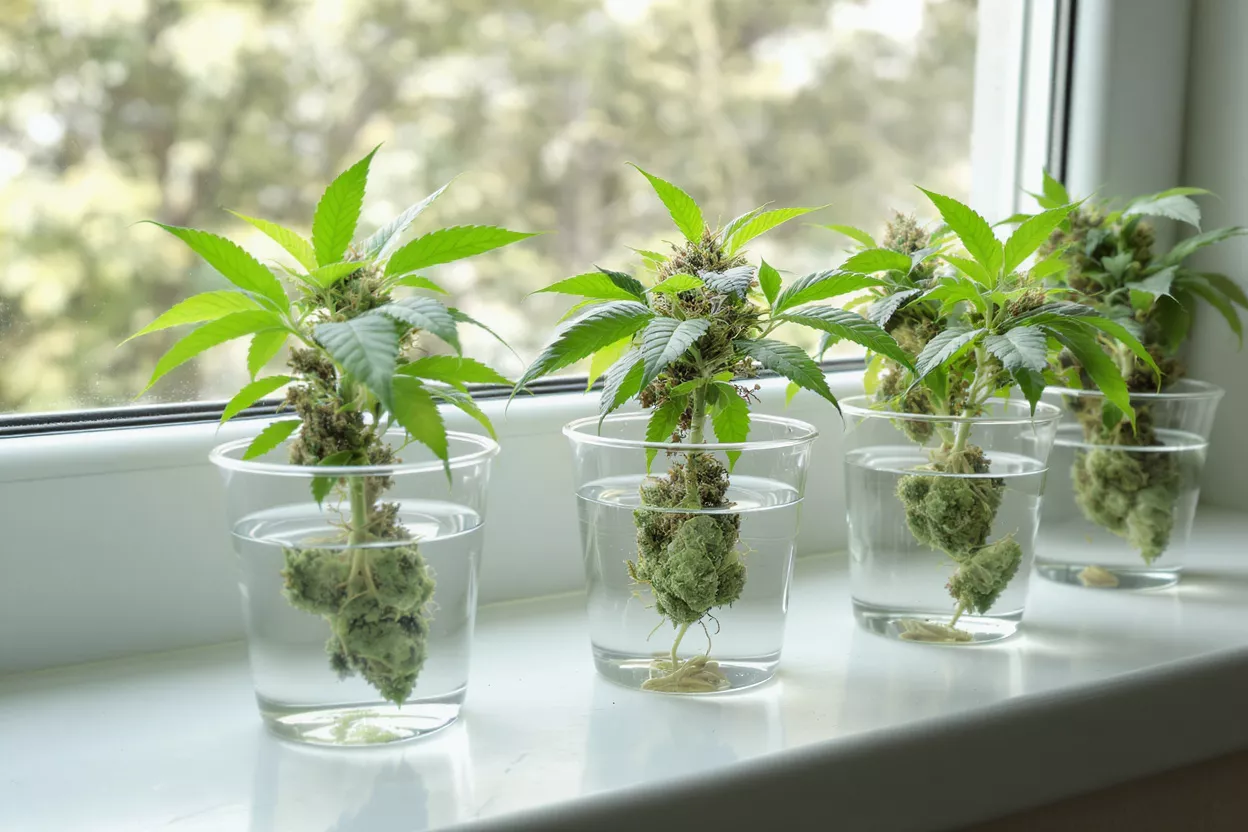
Nodes are the heart of cannabis cloning. A cutting taken for propagation must include at least one node, because that is where root primordia — the tissue capable of generating new roots — are concentrated. Without a node, a cutting simply cannot form a viable root system.
Taking a clone: The ideal cutting is a healthy branch tip with two to three nodes. You strip the leaves from the lowest node and bury that node in your rooting medium, since roots emerge most readily from that buried node site. Many growers wound the stem slightly near the node and apply rooting hormone to encourage faster, more abundant root development.
The genetic identity of a clone is identical to its mother, so cloning from a proven plant preserves desirable traits like flavor, potency, and structure across generations. This is how growers maintain a consistent diesel-forward phenotype or a particular dewaxing-friendly resin profile indefinitely. Each successful clone is essentially a fresh start from the same elite genetic blueprint, all made possible by the humble node.
Common Node Problems to Watch For
Because nodes are growth hubs, they are also early warning sites for trouble. Learning to inspect them regularly lets you catch problems before they spread through the plant.
- 🐛 Pest hideouts: Spider mites and aphids love the sheltered crook where leaf meets stem at the node — inspect these joints closely under magnification.
- 🟡 Discoloration: Yellowing or spotting concentrated near nodes can signal nutrient deficiencies or pH issues at the root zone.
- 🍄 Mold risk: Tight, humid node clusters with poor airflow are prone to mold, especially during dense flowering.
- 🔥 Heat stress: Stretched internodes plus curling leaves at the nodes often point to excessive heat or light too close to the canopy.
Airflow is your best defense against most node-zone problems. Directional airflow through and around the canopy keeps humidity from settling into tight node clusters and discourages both mold and many pests. A gentle, constant breeze also strengthens stems, helping nodes support heavier flower loads as harvest approaches.
When you spot trouble at a node, act locally first. Remove an affected leaf, improve airflow to that zone, and check your environmental readings before reaching for heavy interventions. Many node-zone issues resolve quickly once airflow, humidity, and feeding are brought back into balance, sparing you the stress of a full-garden treatment.
Node FAQs for New Growers
How many nodes before topping? Most growers wait until a plant has developed four to six nodes before topping, usually cutting above the fifth node. This gives the plant enough established structure and lower axillary buds to recover quickly and branch out vigorously rather than stalling.
Do autoflowers respond to node training? Autoflowers can be trained, but their fixed life cycle leaves little recovery time, so gentle low-stress training is far safer than heavy topping. Working with the nodes you have through bending rather than cutting respects the autoflower's tight timeline while still improving canopy evenness.
Understanding nodes transforms how you see your cannabis plants. From identifying sex and gauging health to directing yield through pruning and propagating elite genetics, every meaningful cultivation decision traces back to these unassuming junctions on the stem. Learn to read the nodes, respond to what they tell you, and you move from simply growing cannabis to truly cultivating it — with healthier plants and bigger, denser, more resinous harvests as your reward.