

Dank
Learn what dank really means in cannabis culture.
What Does Dank Mean in Cannabis
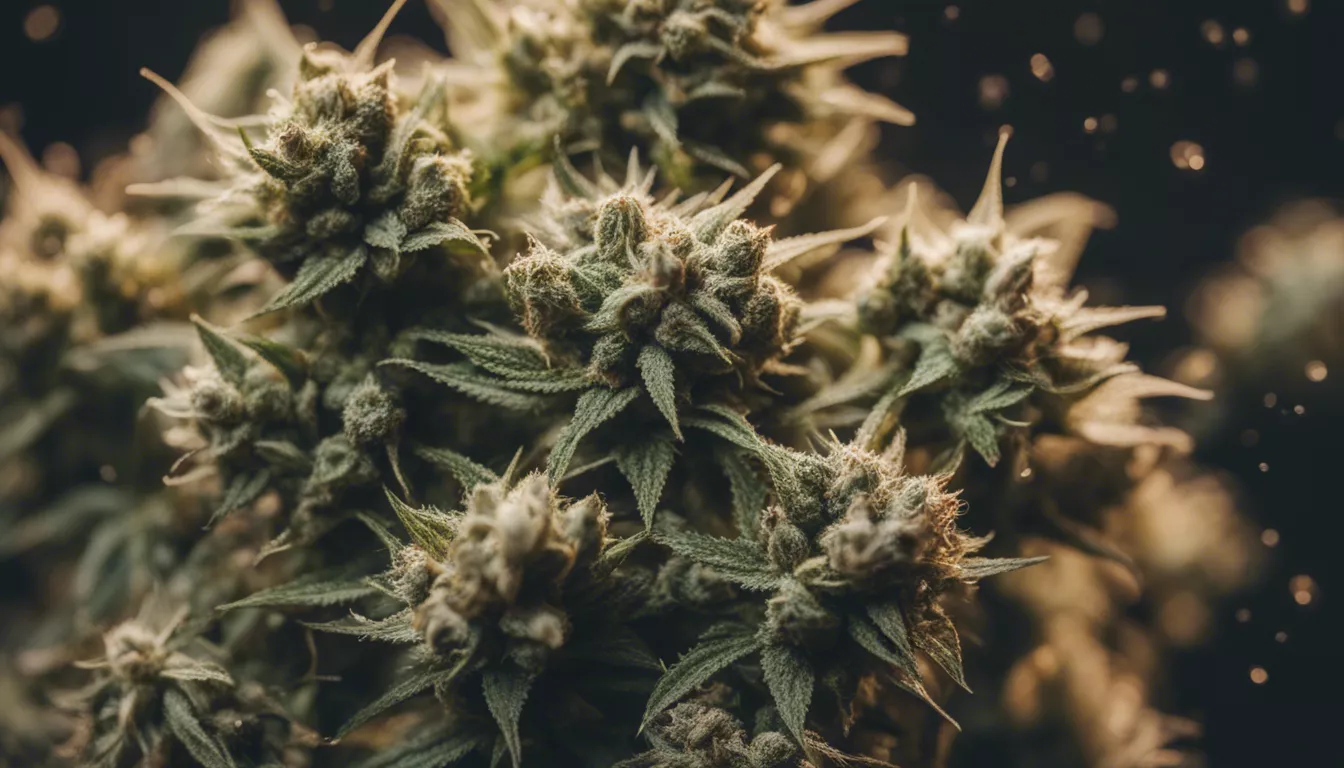
Call a flower dank and you have paid it one of the highest compliments in cannabis culture. The word points to top-shelf quality across the board: dense buds, a pungent aroma that announces itself the second a jar opens, glistening resin, and effects that land cleanly. It does the work that clinical words like potency or grade never quite manage, bundling a flower's whole character into a single punchy syllable.
Dank is a verdict your senses reach first: The label has little to do with a number on a lab sheet and everything to do with the overall impression a flower leaves. Genuinely dank weed fills a room with a loud, layered smell. The buds feel slightly sticky, look frosted under any light, and break apart with structure instead of crumbling into dust. You know it before any certificate of analysis confirms it.
Over the decades the word has graduated from niche slang into a mainstream descriptor that budtenders, growers, and casual consumers all use comfortably. The broader internet borrowed it to mean anything excellent or absurd, but inside cannabis circles it has held onto its original sense: flower so good it earns its own adjective.
Where Did the Word Dank Come From
Dank originally described something damp, cold, and musty, the kind of word you would attach to a basement or a cave. How it crossed over into a term of praise for cannabis is a small linguistic puzzle, but the leap makes sense once you consider how high-quality flower is cured. Properly stored buds hold a touch of moisture and give off an earthy, almost humid aroma that loosely echoes that older meaning.
From damp basement to top shelf: By the 1990s, dank had firmly attached itself to potent, aromatic weed in North American slang. The word's musty roots paired naturally with the dense, sticky feel of well-grown flower, and the association stuck. Language often works this way, with an older sense quietly informing a newer one even after the original connection fades from memory.
Cannabis slang has always been rich and regional, shaped by the plant's long history of prohibition and the coded vocabulary that grew around it. Words travel through music, friend groups, and now the internet, mutating as they go. Research on how language shifts within communities, documented by Harvard Health, reflects how fast informal terms can solidify into shared meaning. Dank is a tidy example of that process at work.
What Makes Weed Dank: Trichomes and Terpenes
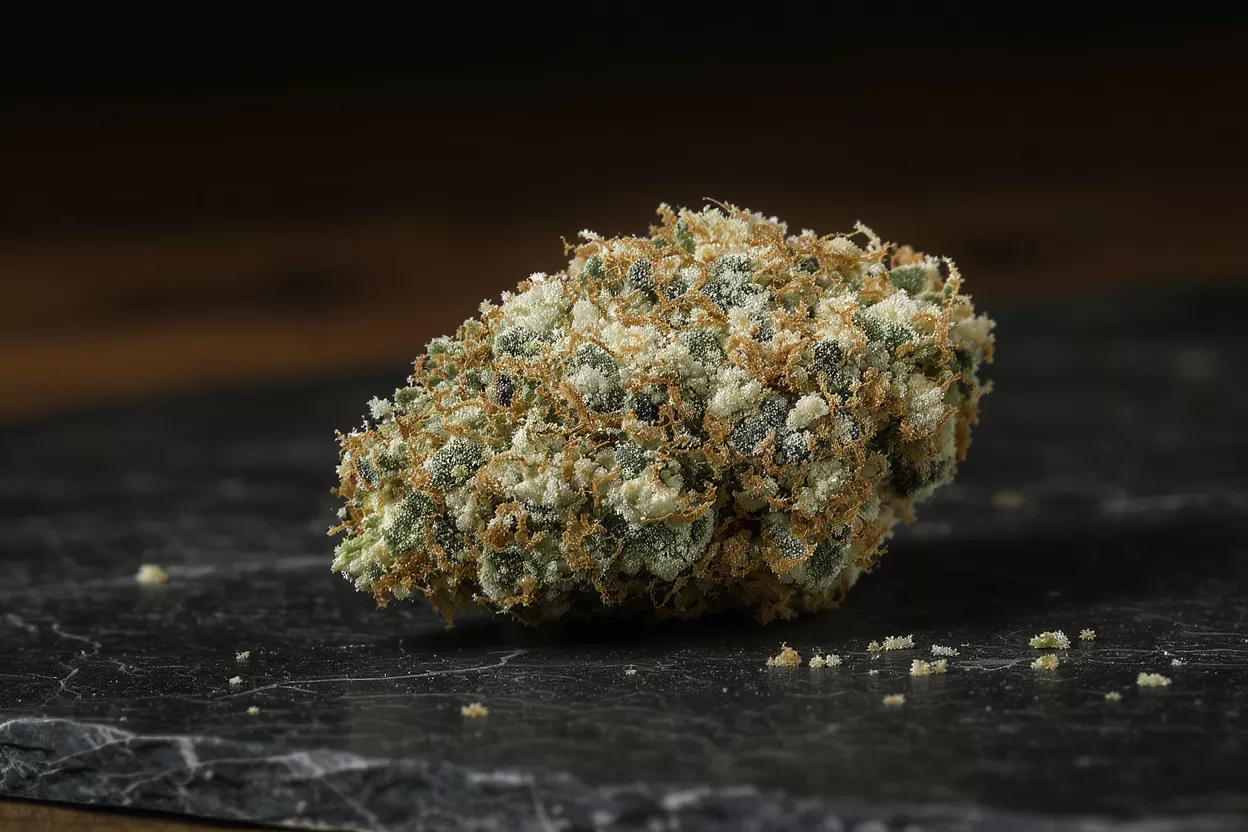
The visual signature of dank weed is frost: a thick coating of trichomes, the tiny resin glands that look like crystals dusting the bud's surface. These glands manufacture and store cannabinoids and terpenes, so a generous coating usually signals both potency and flavor. Under magnification, mature trichomes resemble microscopic mushrooms, their bulbous heads cloudy with resin.
Terpenes drive the dank smell: That unmistakable pungent aroma comes from terpenes, the aromatic compounds the plant produces alongside its cannabinoids. Humulene lends a hoppy, earthy note, eucalyptol adds a cool minty sharpness, and floral compounds round things out with sweetness. The specific blend a strain expresses decides whether it reads as skunky, citrusy, piney, or like diesel fuel.
Density matters just as much. Dank buds are tightly packed and feel heavy for their size, a sign the plant stayed healthy and well-fed through flowering. A properly cured eighth of genuinely dank flower has real heft in the hand and resists crumbling. Consumers who want these aromatic profiles at full volume should seek out fresh, high-terpene flower over older or poorly stored product.
How to Tell If Weed Is Dank
Judging dank quality is a sensory skill that sharpens with practice. You read a flower the way a sommelier reads wine, by sight, smell, and touch, assembling an overall impression rather than fixating on a single trait. No one sign guarantees quality, but together they paint a reliable picture.
Here is what experienced buyers look for when sizing up a flower:
- 👃 Aroma: A loud, complex, pungent smell that fills the room when the jar opens. Faint or hay-like notes signal age or a poor cure.
- ✨ Trichome coverage: A dense, frosty layer of resin glands visible to the naked eye and dazzling under a loupe.
- 🌿 Color: Vivid greens accented with purple, orange, or deep hues, never brown or washed out.
- 🤏 Stickiness: Buds that feel slightly tacky when squeezed, indicating proper moisture and resin.
- 🪵 Structure: Dense, well-formed buds that break apart cleanly rather than turning to powder.
Trust your nose first: Of all these cues, aroma is the most telling. Terpenes degrade as flower ages or sits in poor storage, so a flat smell almost always foreshadows a flat experience. When a flower smells loud and alive, the rest of its qualities tend to follow. A quality grinder with a kief catcher will quickly show you just how much aromatic resin a dank flower carries.
Dank Weed vs Mids vs Reggie Explained
Cannabis slang has long sorted flower into a rough hierarchy, and understanding the tiers helps you know what you are paying for. Dank weed sits at the top, mids occupy the middle, and reggie, short for regular, anchors the bottom. The gaps between them come down to genetics, growing care, and the quality of the cure.
Here is how the common tiers stack up:
- 🔥 Dank (top shelf): Dense, frosty, intensely aromatic flower grown from quality genetics and cured with care. Strong, clean effects.
- ⚖️ Mids: Solid middle-grade weed with reasonable potency and smell, but lighter trichome coverage and often looser structure.
- 🍂 Reggie: Low-grade flower that is often brown, dry, seedy, or harsh, with weak aroma and underwhelming effects.
Why the gap exists: The distance between tiers is rarely luck. It traces back to quality genetics, attentive cultivation, and a slow, proper cure. Reggie tends to come from rushed grows or careless handling, while dank reflects deliberate choices at every stage. As legal markets mature, the floor keeps rising, and mid-tier flower today often outperforms the reggie of decades past.
The line between tiers can blur, and the labels are subjective. What one person calls dank, another might file under solid mids. Even so, the framework gives consumers a useful vocabulary for talking about quality and value when they shop.
Do Genetics Make Weed Dank
Genetics set the ceiling for how dank a flower can become. A plant's genetic makeup determines its cannabinoid potential, its terpene profile, and its growth structure. Without strong genetic stock, no amount of skilled growing produces truly top-shelf results, which is why breeders spend years selecting and stabilizing standout lines.
Genotype versus phenotype: The genotype is the genetic blueprint; the phenotype is how that blueprint expresses under specific conditions. Two plants from the same seed batch can turn out differently depending on light, nutrients, and stress. Skilled growers hunt through phenotypes to find the individuals that express the most resin, the loudest aroma, and the densest structure, then clone those keepers to lock the traits in.
Legendary strains earn their reputations because their genetics deliver reliably. Research compiled by Harvard Health notes that cannabinoid and terpene content varies widely between cultivars, which is precisely why genetic selection matters so much to the final product. The best genetics hand a grower a head start toward dank before the lights even switch on.
How Growing Methods Affect Dank Quality
Strong genetics supply the potential, but cultivation decides whether that potential is realized. Light intensity, nutrient balance, environmental control, and timing all shape the final flower. A grower who dials in these variables coaxes out heavier trichome production and richer terpene expression, the twin foundations of dank.
Indoor control versus outdoor character: Indoor growing offers precise command over light, temperature, and humidity, which is why much of the densest, frostiest flower comes out of indoor rooms. Many cultivators use hydroponics to feed plants nutrients directly through water in a soilless setup, speeding growth and boosting yields inside a licensed facility. Outdoor and greenhouse grows can produce excellent flower too, often with broader terpene complexity, but they trade some consistency to the weather.
The finish matters as much as the grow. Harvest timing, a slow dry, and a patient cure transform raw flower into something dank. Rushing any of these stages degrades both aroma and smoothness. Growers who flush nutrients carefully before harvest understand that the small details near the end define the experience. For that final stretch, slow-cured small-batch flower consistently rewards the extra patience.
How to Keep Weed Dank and Fresh
Even the dankest flower fades if you store it carelessly. Terpenes are volatile and evaporate over time, while excess heat, light, or air speeds the decline. Proper storage protects your investment and keeps that loud aroma intact for months.
Follow these storage principles to preserve dank quality:
- 🫙 Airtight glass: Store flower in sealed glass jars rather than plastic bags, which carry static and can leach flavor.
- 🌡️ Cool and dark: Keep jars away from heat and direct light, both of which break down cannabinoids and terpenes.
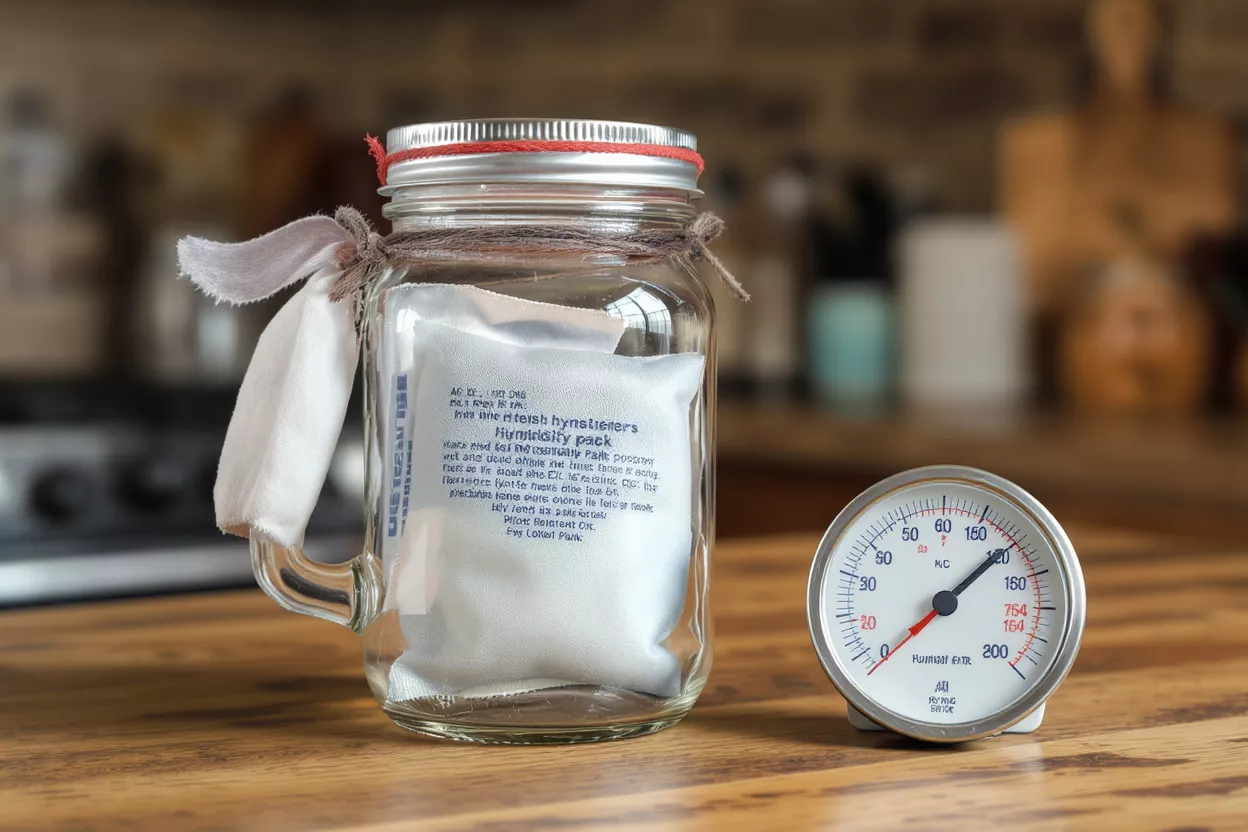
- 💧 Humidity control: Use two-way humidity packs to hold moisture around 58 to 62 percent, preventing mold and brittleness alike.
- 🚫 Skip the freezer: Freezing makes trichomes brittle and prone to snapping off when the buds are handled.
Humidity is the quiet hero: Holding the right moisture level keeps flower from drying into harsh, crumbly material that has lost its character. Some packaging quietly pulls moisture out over time, so a dedicated humidity pack is a small, worthwhile investment. Well-stored dank can hold its quality for half a year or more without a noticeable drop in aroma.
Is Dank Weed Actually Stronger
Dank usually correlates with potency, but the two are not identical. Heavy trichome coverage means more cannabinoids on board, and a rich terpene profile can amplify and shape the effects through what researchers call the entourage effect. So while dank flower tends to hit harder, the word is really about overall quality rather than raw THC percentage alone.
Why terpenes matter as much as THC: A flower testing at a moderate cannabinoid level but loaded with terpenes can deliver a more satisfying, nuanced experience than a high-THC strain with a flat aroma. Public health information published by Harvard Health notes that cannabis effects depend on a complex interplay of compounds, not a single number. This is why seasoned consumers chase aroma and trichomes instead of the highest percentage on a label.
It is also worth remembering that more potency is not automatically better for everyone. New or sensitive consumers often prefer balanced flower over the most intense dank on the shelf. Quality and intensity are distinct goals, and the right choice depends on the person and the occasion as much as the bud.
Dank Concentrates and Extracts
The pursuit of dank does not stop at flower. Concentrates capture the most desirable part of the plant, the trichomes themselves, into highly potent and flavorful products. When the extraction is done well, the result can be even more aromatic and intense than the flower it started from.
From hash to modern extracts: Traditional forms like jelly hash and pressed kief have given way to a wide range of modern options. Live resin captures fresh terpene profiles, while fractions labeled HTFSE and HCFSE separate the high-terpene and high-cannabinoid portions for tailored experiences. A disc of cured resin or a hash hole rolled into an infused preroll shows just how far concentrate craft has come.
For the cleanest expression of a strain's character, solventless options remain a favorite among purists. Quality concentrates often deliver the loudest, most concentrated terpene punch a strain can offer, which is why dedicated consumers gravitate toward fresh-pressed solventless rosin when they want the dankest possible experience. Whether you prefer flower or extract, the same principles apply: strong genetics, careful production, and proper storage define what earns the label dank.
Ultimately, dank is a celebration of cannabis done right. It captures everything that separates a forgettable flower from an unforgettable one: the frost of abundant trichomes, the roar of a complex terpene profile, the density of a healthy, well-finished bud. Whether you are evaluating flower at a counter or curing your own harvest, learning to recognize dank sharpens your appreciation for the craft behind every great strain and helps you spend your money where it truly counts.

Comments