thc pain stick
Discover how a THC pain stick targets sore muscles and joints.
What Is a THC Pain Stick
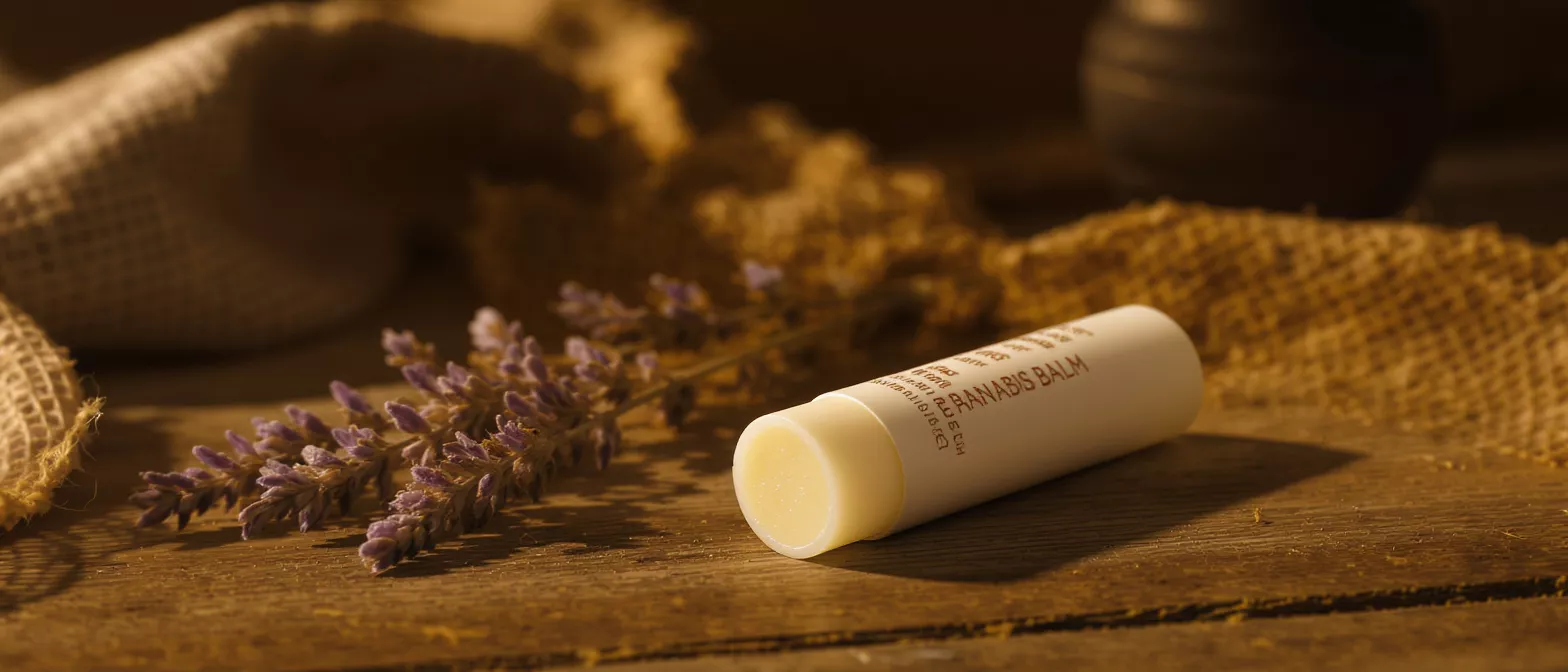
A THC pain stick is a topical cannabis product designed to be rubbed directly onto the skin over sore joints, tight muscles, and inflamed tissue. Unlike edibles or vapes, a THC pain stick targets a specific area without producing the head-and-body intoxication people associate with cannabis. The format is simple: a balm or salve packed into a twist-up applicator, much like a deodorant or a large lip balm, so you can glide it across a knee, shoulder, or lower back without ever getting your hands messy.
The appeal of this category has grown alongside the broader wellness movement around cannabinoids. Athletes, weekend gardeners, and people managing chronic discomfort have all gravitated toward the convenience of a stick they can keep in a gym bag or nightstand drawer. Because the cannabinoids are infused into a wax-and-oil base, the product feels more like a sports rub than a recreational item.
It helps to understand where a THC pain stick fits in the wider world of cannabis preparations. The active oil inside often begins as a concentrate slurry or CO2 oil before it is blended into the balm. That same supply chain produces concentrate forms like crumble and CO2 extraction products, but a topical stick is formulated for surface application rather than smoking or dabbing.
How THC Pain Stick Products Work
The endocannabinoid system in your skin: Human skin is rich with cannabinoid receptors, part of a signaling network called the endocannabinoid system. When THC and related compounds in a pain stick contact the skin, they interact with these local receptors to influence sensations of discomfort and inflammation right where you apply them. Research compiled by the National Center for Biotechnology Information describes cannabinoid receptors throughout the peripheral nervous system and skin, which is why localized application can feel meaningfully different from swallowing a capsule.
Why topicals usually don't get you high: A standard THC pain stick is non-transdermal, meaning the cannabinoids penetrate the upper layers of skin and tissue but largely do not cross into the bloodstream in significant amounts. That is the trade-off that makes topicals so practical — you get targeted relief over a sore shoulder without the couch lock or cottonmouth that comes from inhaled or ingested THC.
The base matters as much as the cannabinoid. Carrier oils, beeswax, and butters help the active ingredients sit against the skin long enough to be absorbed. Some formulas use convection-style warming agents or cooling menthol to add a sensory layer on top of the cannabinoid action, giving the familiar tingle people expect from an analgesic rub.
THC Pain Stick vs CBD Topicals
One of the most common questions shoppers ask is how a THC pain stick differs from a CBD-only balm. Both are topical, both are convenient, and both target localized discomfort — but the cannabinoid profile shapes the experience. THC engages cannabinoid receptors more directly, while CBD works through a broader, more indirect set of pathways and is often chosen by people who want to avoid THC entirely.
Many of the best products blend both, along with supporting botanicals. Here is a quick comparison to help you decide which direction fits your needs:
- 🌿 THC-forward sticks: Best for people who want the most direct receptor engagement and live where THC topicals are legal.
- 🧘 CBD-forward sticks: A gentle, non-intoxicating option that pairs well with a daily full-spectrum CBD recovery balm for routine use.
- ⚖️ Balanced 1:1 formulas: Combine both cannabinoids to capture the entourage effect across a wider range of soreness.
- 🌱 Botanical-enhanced blends: Include curcumin, arnica, or menthol for added anti-inflammatory and cooling support.
Some formulators add terpenes and plant compounds such as citronellol and cymene to round out the aroma and contribute their own subtle properties. Curcumin, the active compound in turmeric, frequently appears as a complementary anti-inflammatory. According to the National Center for Biotechnology Information, curcumin has been studied extensively for its role in modulating inflammatory pathways.
What Is in a THC Pain Stick
Reading the ingredient panel: A well-made THC pain stick lists every component transparently. At the core is cannabis oil, often derived through CO2 extraction to keep the product clean and solvent-free. The resulting CO2 oil is then suspended in a base of butters and waxes that give the stick its glide and structure.
Beyond the cannabinoids, you will commonly see supporting ingredients that each earn their place. The best formulas avoid filler and instead choose botanicals with a track record in topical relief.
- 🐝 Beeswax: Provides the solid structure that lets the balm hold its shape in stick form.
- 🥥 Coconut and shea butter: Carry the cannabinoids and condition the skin during application.
- ❄️ Menthol or camphor: Deliver that immediate cooling sensation many users associate with relief.
- 🌼 Arnica and curcumin: Plant-based anti-inflammatories that complement the THC.
- 🍋 Essential oils: Compounds like citronellol and cymene add aroma and minor therapeutic value.
Sourcing matters too. Quality producers track their flower from cultivation through curing, because a clean, properly cured input yields a cleaner extract. The same care that goes into protecting a cola during harvest carries through to the oil that ends up in your stick. A reliable brand will publish lab results confirming cannabinoid content and the absence of contaminants.
THC Pain Stick Benefits for Sore Muscles
The most cited reason people reach for a THC pain stick is post-exercise muscle soreness. After a hard workout or a long day of physical labor, a targeted topical lets you address the exact spot that aches. Because the relief stays local, you can apply it before bed without worrying that you will feel groggy or sedated the next morning.
Joint stiffness and everyday aches: Beyond athletics, many users apply a stick to stiff knees, hands, and lower backs that accumulate wear over the years. The combination of cannabinoids and menthol provides both a chemical and a sensory layer of comfort. A quality cooling muscle recovery stick can become a staple in a daily mobility routine.
It is worth setting realistic expectations. A topical is not a cure for an underlying injury, and serious or persistent pain deserves a medical evaluation. The National Center for Biotechnology Information hosts a growing body of research on cannabinoid topicals, though much of it is still early-stage. Used sensibly, a pain stick is a low-risk tool for managing the ordinary aches of an active life.
How to Use a THC Pain Stick
Using a THC pain stick is refreshingly simple, but a few habits will help you get the most from it. Start with clean, dry skin so the balm makes solid contact and absorbs evenly. Twist the base to expose a small amount of product, then glide it directly over the sore area.
Application technique that improves absorption: After laying down a layer of balm, massage it in with your fingertips for thirty to sixty seconds. The light friction warms the base, helps it melt into the skin, and works the cannabinoids into the tissue. Reapply every few hours as needed — topicals are gentle enough that you can use them more than once a day.
A few practical tips keep the experience clean and effective:
- 🧼 Wash first: Remove lotion, sweat, and dirt so nothing blocks absorption.
- 💪 Target the source: Apply over the muscle or joint itself, not a vague surrounding area.
- 🖐️ Massage it in: A short rub boosts contact and circulation.
- 🧴 Wash your hands: Unless you want the residual product on your fingers, rinse after applying.
- ⏱️ Reapply as needed: Give it twenty minutes before deciding whether to add more.
THC Pain Stick Dosing Guide
Dosing a topical is less precise than dosing an edible, and that is by design. Because a THC pain stick works locally and is non-transdermal, you cannot overdo it the way you might with a strong gummy. Still, a sensible approach helps you find the right amount for your body.
Finding your baseline: Start with one or two passes of the stick over the affected area and rub it in. Wait fifteen to twenty minutes to gauge the effect before adding more. Most people settle into a comfortable amount quickly, and a single stick lasts a long time when used this way.
Total cannabinoid content varies between brands, so check the milligrams listed on the label. A higher-potency stick simply means you need less product per application. If you are new to cannabis topicals and want flexibility, a milder low-dose THC topical balm is a sensible starting point before moving to stronger formulas. Keep in mind that because so little THC reaches the bloodstream, a topical alone will not cause a crossfade effect if you combine it with other products — though always use good judgment.
Are THC Pain Stick Products Safe
For most adults, a THC pain stick is among the lowest-risk ways to use cannabis. Because the product stays on the skin and rarely enters the bloodstream in meaningful amounts, the intoxicating effects and many of the cautions tied to inhaled or ingested THC simply do not apply in the same way.
Patch testing and skin sensitivity: The main consideration is skin reaction. Some people are sensitive to menthol, certain essential oils, or botanical additives. Before slathering a new stick across a large area, dab a small amount on your inner forearm and wait a day to confirm you tolerate it well.
A note on drug testing deserves attention. While a non-transdermal topical is unlikely to produce enough systemic THC to trigger a standard test, no product can guarantee a clean result, especially with heavy or repeated use over broken skin. The National Center for Biotechnology Information publishes research on cannabinoid pharmacokinetics that underscores how variable absorption can be. If you face routine testing, weigh that reality before incorporating any THC product into your routine.
Choosing the Best THC Pain Stick
Not all sticks are created equal, and the difference usually comes down to sourcing, transparency, and formulation. The best products come from brands that control quality from cultivation through extraction. When a company can speak to its clones, crosses, and growing practices, it tends to care just as much about the final balm.
What to look for on the label: Prioritize a clear cannabinoid count, a full ingredient list, and third-party lab results. A reputable extract — whether it started as a concentrate slurry or refined CO2 oil — will be free of residual solvents and heavy metals. Transparency here is the single best predictor of a quality product.
Consider these factors when comparing options:
- 🔬 Lab tested: Look for a current certificate of analysis from an independent lab.
- 📋 Clean ingredients: Recognizable botanicals over mystery fillers and synthetic fragrance.
- 💪 Appropriate potency: Match the milligram strength to your experience level and the severity of your aches.
- 🌱 Transparent sourcing: Brands that detail their cultivation and curing earn more trust.
- ❄️ Sensory extras: Menthol or camphor for those who appreciate a cooling finish.
THC Pain Stick Storage and Shelf Life
To keep a THC pain stick performing at its best, store it the way you would any oil-based balm. Heat is the enemy — leaving a stick in a hot car can soften the base and degrade the cannabinoids over time. A cool, dark drawer protects both the structure and the potency.
Maximizing shelf life: Most well-formulated sticks remain effective for a year or more when stored properly. Keep the cap on between uses to limit air exposure, since oxidation slowly diminishes both aroma and active content. If your stick ever smells rancid or changes color dramatically, that is your cue to replace it.
A THC pain stick brings together convenient format, targeted relief, and the growing science behind cannabinoid topicals into one practical tool. Whether you are soothing post-workout soreness, easing a stiff joint, or simply curious about how cannabis can fit into a wellness routine without intoxication, a well-made stick is an approachable place to start. Choose a transparent, lab-tested brand, apply it thoughtfully to clean skin, store it cool and dark, and you will have a dependable companion for the everyday aches that come with an active life.