

Microbials
Learn what microbials are in cannabis and why testing matters.
What Are Microbials in Cannabis
Microbials are the microscopic organisms — bacteria, fungi, yeast, and mold — that can colonize cannabis at any point from seed to sale. The term covers a vast biological world, most of it invisible to the naked eye, and not all of it harmful. Healthy soil teems with beneficial microbes, and a cannabis plant lives in constant contact with this microscopic ecosystem. The concern in cannabis testing centers on the subset of these organisms that pose a genuine risk to human health when inhaled or ingested.
In the regulated cannabis industry, "microbials" usually refers to the contaminants that quality-control labs screen for before a product reaches consumers. These include pathogenic bacteria like E. coli and Salmonella, along with various molds and mildews that thrive in the warm, humid conditions cannabis cultivation often requires. Because dried flower is a botanical product handled extensively during harvest, trimming, curing, and packaging, it presents numerous opportunities for microbial introduction.
Understanding microbials matters because cannabis is unique among consumer products: it is frequently combusted and inhaled directly into the lungs, bypassing many of the body's natural defenses. A contaminant that might be neutralized by stomach acid in food can travel straight into pulmonary tissue when smoked. This is why microbial screening has become a non-negotiable pillar of modern cannabis safety testing.
Why Microbial Testing Matters for Safety
Cannabis consumers include vulnerable populations whose immune systems may be compromised by chemotherapy, HIV, autoimmune conditions, or organ transplants. For these patients, exposure to certain fungal spores that a healthy person would shrug off can trigger serious — even life-threatening — infections. Aspergillosis, a lung infection caused by inhaling Aspergillus spores, has been documented in immunocompromised cannabis users, underscoring why microbial limits exist.
The route of consumption amplifies the stakes. When flower is smoked or vaporized, heat does not reliably destroy every contaminant, and some fungal toxins remain stable at combustion temperatures. Microbial testing acts as a checkpoint that catches problems before they reach the lungs, providing a layer of assurance that visual inspection alone cannot deliver. Mold can grow deep inside a dense bud where the eye never sees it.
Beyond individual health, microbial testing protects the integrity of the entire legal market. Recalls tied to contamination erode consumer trust and can sink a brand overnight. By enforcing rigorous screening, regulators and responsible producers keep the supply chain clean and give consumers a reason to choose tested products over the unregulated alternatives that carry no such guarantees.
Types of Microbials Found on Cannabis
The microbial landscape on cannabis spans several broad categories, each with its own risk profile and testing approach. Some are tracked as total counts that signal overall hygiene, while others are screened individually because of their specific danger. Knowing the difference helps consumers read a certificate of analysis with confidence rather than confusion.
Total counts versus targeted pathogens form the two halves of most microbial panels. Total yeast and mold count (TYMC) and total aerobic bacteria give a snapshot of general cleanliness, while targeted assays hunt for specific organisms that are dangerous even in small numbers. A product can pass total counts yet still fail for a single pathogen.
- 🦠 Pathogenic bacteria: Shiga toxin-producing E. coli and Salmonella are screened individually because even tiny amounts can cause serious illness.
- 🍄 Molds and mildews: Aspergillus species (flavus, fumigatus, niger, terreus) top the watchlist for inhalation hazards.
- 🧫 Total yeast and mold (TYMC): a broad count reflecting overall fungal load and storage conditions.
- 🔬 Total aerobic bacteria: a general hygiene indicator capturing the broader bacterial population.
- ☠️ Mycotoxins: toxic byproducts like aflatoxins and ochratoxin A produced by certain molds.
Each of these categories carries its own regulatory threshold, and the specific organisms tested vary by jurisdiction. What unites them is a shared goal: ensuring that the cannabis reaching consumers is free from biological hazards that cultivation and processing can introduce.
How Cannabis Microbial Testing Works
Modern labs rely on two main methodologies to detect microbials: traditional culture-based plating and molecular qPCR analysis. Culture methods grow a sample on nutrient media and count visible colonies after incubation, a time-tested approach that directly measures living organisms. The tradeoff is time — results can take several days, and some viable microbes simply refuse to grow under standard lab conditions.
Quantitative PCR (qPCR) has surged in popularity because it detects the genetic signature of specific pathogens with remarkable speed and precision. By amplifying targeted DNA sequences, qPCR can identify Aspergillus or Salmonella within hours rather than days. The method requires careful validation, however, because it can sometimes detect DNA from dead organisms, prompting labs to use specialized protocols that distinguish living threats from harmless remnants.
A typical workflow begins with a representative sample drawn from a larger batch, since contamination is rarely uniform across a harvest. Technicians homogenize the material, extract the microbial content, and run it through the chosen assay. The results are compiled into a Certificate of Analysis that documents whether the batch falls within acceptable limits for every screened category.
Common Microbial Contaminants to Watch For
While the list of potential microbial contaminants is long, a handful appear repeatedly in failed tests and recalls. Familiarity with these usual suspects helps consumers understand what protections testing provides and why certain organisms command extra scrutiny on every certificate of analysis.
Aspergillus stands as the headline threat in cannabis microbial testing. This genus of mold produces spores small enough to penetrate deep into lung tissue, where it can establish infections in susceptible individuals. Four species are commonly mandated for testing, and a positive result for any of them typically means an automatic failure regardless of the overall fungal count.
- 🌫️ Aspergillus fumigatus: the most common cause of invasive aspergillosis in the lungs.
- 🟡 Aspergillus flavus: notable for producing carcinogenic aflatoxins.
- ⚫ Aspergillus niger: widespread black mold linked to ear and respiratory infections.
- 🟤 Aspergillus terreus: often resistant to common antifungal treatments.
- 🧪 Salmonella and E. coli: bacterial markers of fecal contamination or poor handling hygiene.
Beyond these named organisms, powdery mildew and Botrytis — the dreaded bud rot — plague cultivators directly, ruining crops before they ever reach a lab. Catching these issues early in the grow protects both the harvest and the eventual consumer from products that would never clear safety thresholds.
How Microbials Grow on Cannabis
Moisture is the single greatest driver of microbial growth on cannabis. Fungi and bacteria require water to multiply, which is why the curing and storage stages are so critical. Flower that retains too much moisture, or that gets sealed before it is properly dried, becomes a petri dish for mold. The dense structure of high-quality buds compounds the problem by trapping humidity in their cores.
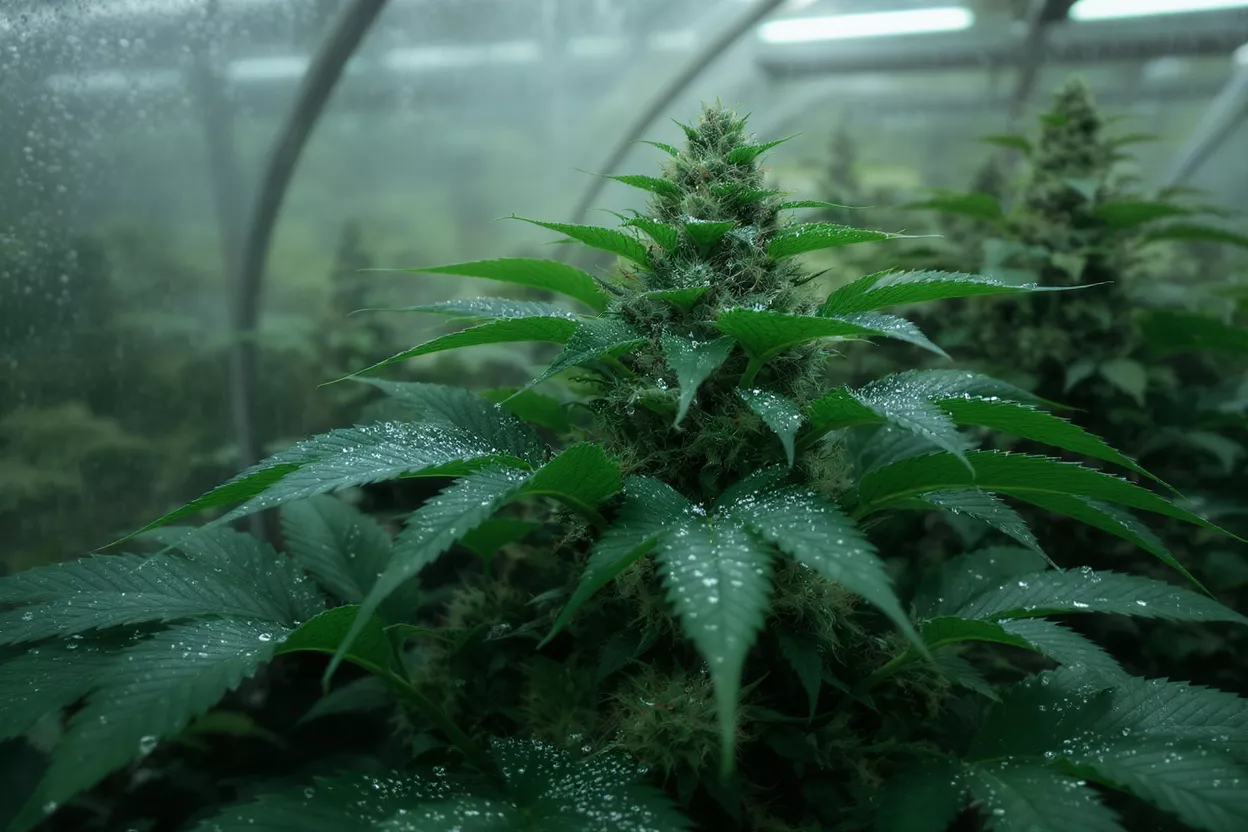
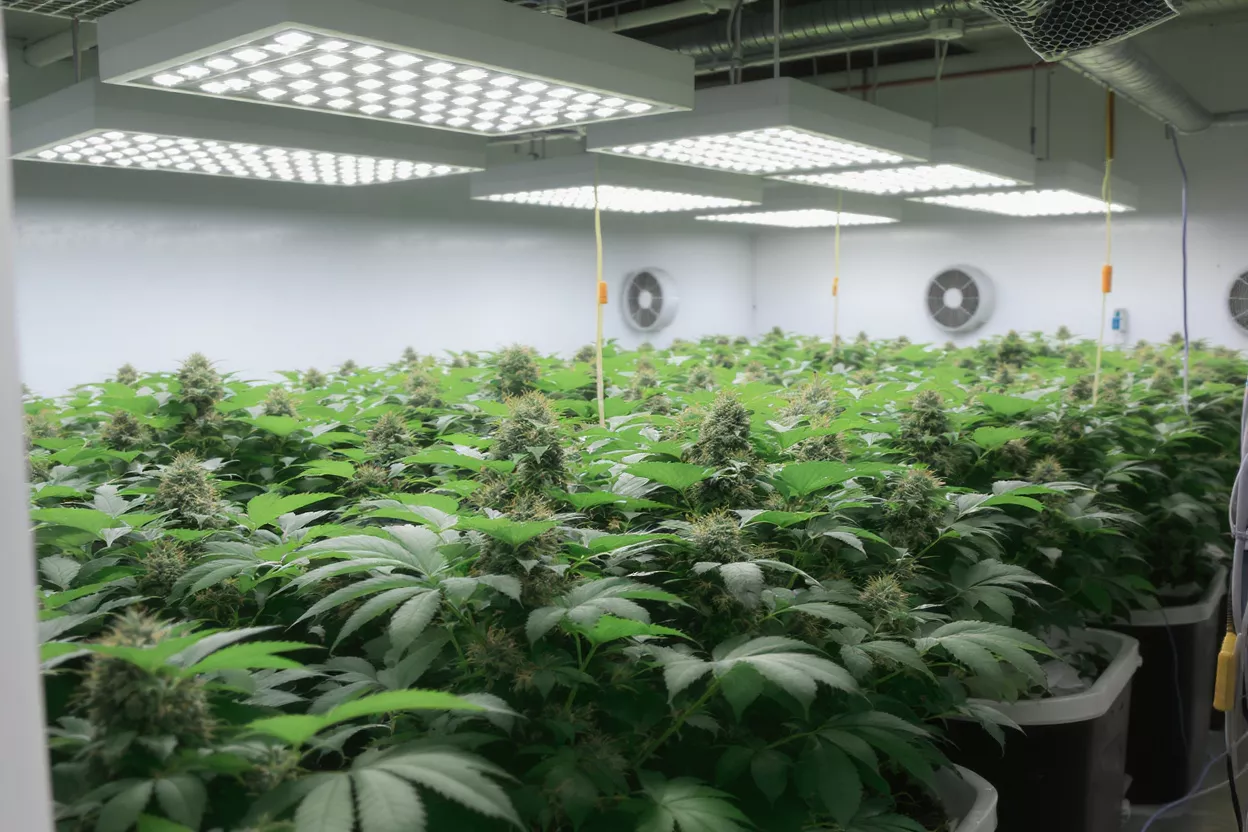
Environmental conditions during cultivation set the stage long before harvest. Greenhouses and indoor rooms with poor air circulation, high humidity, and crowded canopies create microclimates where spores flourish. Outdoor crops face their own gauntlet of airborne contaminants, soil-borne bacteria, and weather that can leave plants damp for days. Each of these factors raises the baseline microbial load that processing must then manage.
Handling introduces a second wave of risk. Every touch during trimming, transport, and packaging is an opportunity for contamination, particularly when workers, tools, or surfaces are not kept scrupulously clean. Even the curing environment matters: a humidity-controlled space at the right Relative Humidity can mean the difference between a clean batch and a contaminated one.
Microbial Limits and Regulatory Standards
Microbial limits vary considerably between jurisdictions, reflecting differing scientific philosophies and risk tolerances. In Canada, Health Canada sets specific thresholds for total aerobic microbial count, total yeast and mold, bile-tolerant gram-negative bacteria, and the absence of E. coli and Salmonella. These limits draw on established pharmacopeial standards used for herbal medicines and inhalation products.
In the United States, the absence of a federal framework means each state writes its own rules. Some require qPCR screening for specific Aspergillus species, while others rely on total fungal counts. The result is a patchwork in which a product that passes in one state might fail in another, a complexity that producers operating across markets must navigate carefully.
Regardless of geography, the testing thresholds generally fall into two categories worth understanding:
- 📊 Quantitative limits: maximum allowable colony-forming units per gram (CFU/g) for total counts like TYMC and aerobic bacteria.
- 🚫 Presence/absence standards: zero-tolerance rules for dangerous pathogens — any detectable Salmonella, Shiga-toxin E. coli, or pathogenic Aspergillus triggers a fail.
These standards exist because the consequences of contaminated cannabis are not theoretical. Documented infections and recalls have shaped the rules over time, pushing the industry toward ever more rigorous and consistent microbial controls.
Preventing Microbial Contamination in Cultivation
Prevention beats remediation every time when it comes to microbials. Once a batch is heavily contaminated, options are limited and often involve destruction of the crop. Skilled cultivators therefore build sanitation into every stage, controlling the variables that allow microbes to gain a foothold in the first place.
Climate control is the foundation. Maintaining appropriate temperature and humidity, ensuring robust airflow, and avoiding overcrowded canopies all suppress the conditions mold needs. During the critical drying and curing phases, careful management of moisture removes the water that microbes depend on while preserving the cannabinoids and terpenes that define quality flower.
Integrated pest management and strict facility hygiene round out the defense. Clean tools, sanitized surfaces, trained staff, and controlled access all reduce the chance of introducing contaminants during handling. Some producers also turn to beneficial microbes that outcompete harmful ones, a biological approach that works with nature rather than against it. Combined, these practices give a harvest its best chance of clearing every threshold on the COA.
Are Microbials on Cannabis Dangerous
The danger depends on the organism and the person. For a healthy adult, a small amount of common environmental mold may cause nothing more than throat irritation or, at worst, an allergic reaction. The picture changes dramatically for anyone with a weakened immune system, where the same exposure can seed a serious lung infection that resists treatment and threatens life.
Mycotoxins add a chemical dimension to the biological risk. Certain molds produce toxins — aflatoxins being the most infamous — that are potent carcinogens and remain harmful even after the mold itself is dead. Because these compounds can survive combustion, simply heating contaminated flower does not render it safe, which is precisely why screening for mycotoxins matters alongside the count of living organisms.
The reassuring takeaway is that properly tested cannabis carries minimal microbial risk. The entire testing apparatus exists to keep contaminated product out of consumers' hands. The genuine danger lies in untested material from unregulated sources, where no certificate of analysis vouches for what microbes might be lurking inside an otherwise pristine-looking bud.
How to Choose Lab-Tested Cannabis
Always look for a Certificate of Analysis when selecting cannabis products. A legitimate COA from an accredited third-party laboratory should document microbial results alongside cannabinoid potency and other safety screens. The presence of a recent, batch-specific COA is the clearest signal that a product has cleared the contamination thresholds discussed throughout this guide.
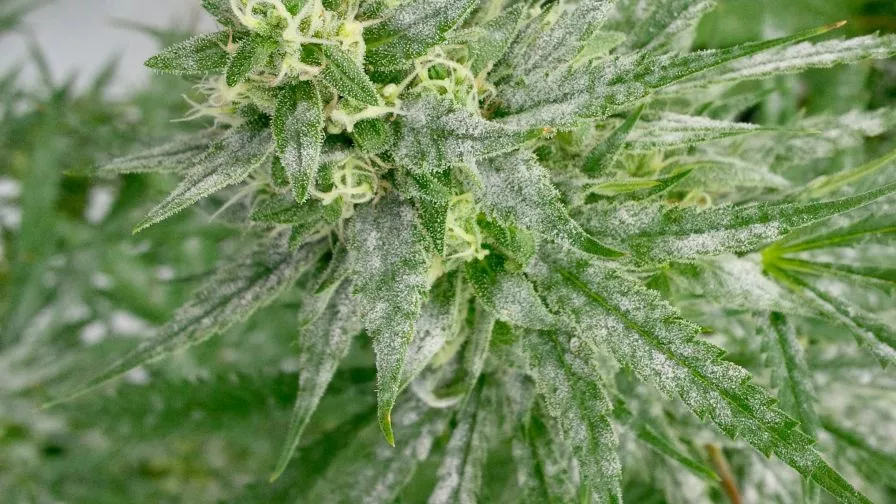
Beyond the paperwork, your senses offer a useful first line of defense. Quality flower should look clean, smell fresh and aromatic, and feel properly cured — neither bone-dry nor damp. Any musty, mildewy odor, visible fuzz, or off-white powdery coating warrants caution, as these can be signs of fungal growth that testing exists to catch.
Purchasing from licensed, regulated sources is the surest path to clean product. These vendors are legally bound to test every batch and to make results available, transforming the abstract promise of safety into verifiable documentation. In a regulated market, the microbial vigilance happens behind the scenes so that the cannabis on the shelf is something you can trust.
Microbials represent one of the most important — and least visible — frontiers in cannabis safety. From pathogenic bacteria and dangerous Aspergillus molds to the mycotoxins they produce, the microscopic world poses real risks that thoughtful testing is designed to manage. Understanding how these organisms grow, how labs detect them, and what regulatory limits protect consumers empowers you to make informed choices. By favoring lab-tested products with transparent certificates of analysis, you let the rigorous science of microbial screening do its work, ensuring the cannabis you enjoy is as clean as it is potent.

Comments