cbd lube
Learn how cbd lube works, its intimacy benefits, and how to use it safely.
What Is CBD Lube and How Does It Work?
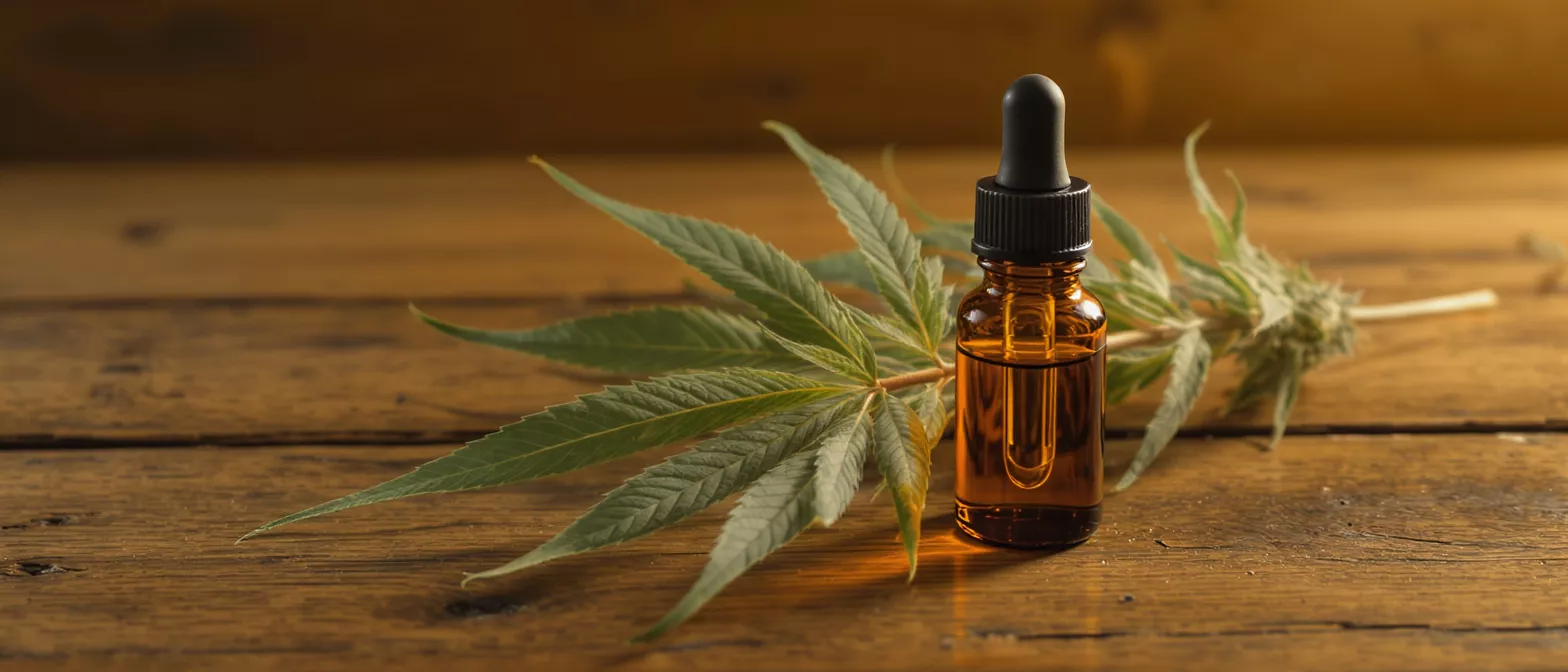
CBD lube is a personal lubricant infused with cannabidiol, the non-intoxicating compound derived from the hemp plant. Unlike products that contain Delta-9 THC, CBD lube will not produce a high, whether applied topically or absorbed through mucosal tissue. Instead, it pairs the slippery glide of a quality lubricant with the properties many people associate with CBD, marketed primarily toward comfort, relaxation, and enhanced sensation during intimacy.
The concept is straightforward, but the science is more nuanced than most marketing suggests. CBD interacts with the body's endocannabinoid system, a network of receptors that helps regulate functions ranging from inflammation to pain signaling. Genital tissue is rich in nerve endings and blood vessels, which is part of why these products are formulated for that area specifically rather than repurposed from a standard skin oil.
Why people are reaching for it: Interest in CBD wellness products has surged over the past decade, and intimacy products are a natural extension of that curiosity. According to Healthline, research on topical CBD remains early-stage, so it is wise to treat bold claims with healthy skepticism while still exploring what works for your own body.
CBD Lube Benefits for Intimacy and Comfort
The most commonly cited reason people try CBD lube is to ease discomfort during sex. For individuals who experience dryness or tension, a well-formulated lubricant alone provides relief, and the addition of CBD is thought by some users to contribute a sense of relaxation. It is important to separate the proven benefit of lubrication from the still-emerging evidence around cannabidiol itself.
Relaxation and reduced tension: Many users report that CBD lube helps them feel more at ease, which can indirectly improve comfort and arousal. Whether this is a direct pharmacological effect or the result of slowing down and focusing on the experience, the outcome reported is often a more relaxed encounter. Pairing it with a quality water-based intimacy gel can round out the experience for those who want maximum glide.
Beyond relaxation, some people seek out CBD lube hoping for increased blood flow and heightened sensitivity in the applied area. The endocannabinoid system's role in vasodilation offers a plausible mechanism, though robust clinical trials specific to intimate use are limited. As with any wellness product, individual results vary considerably from one person to the next.
Types of CBD Lube: Water, Oil, and Silicone Bases
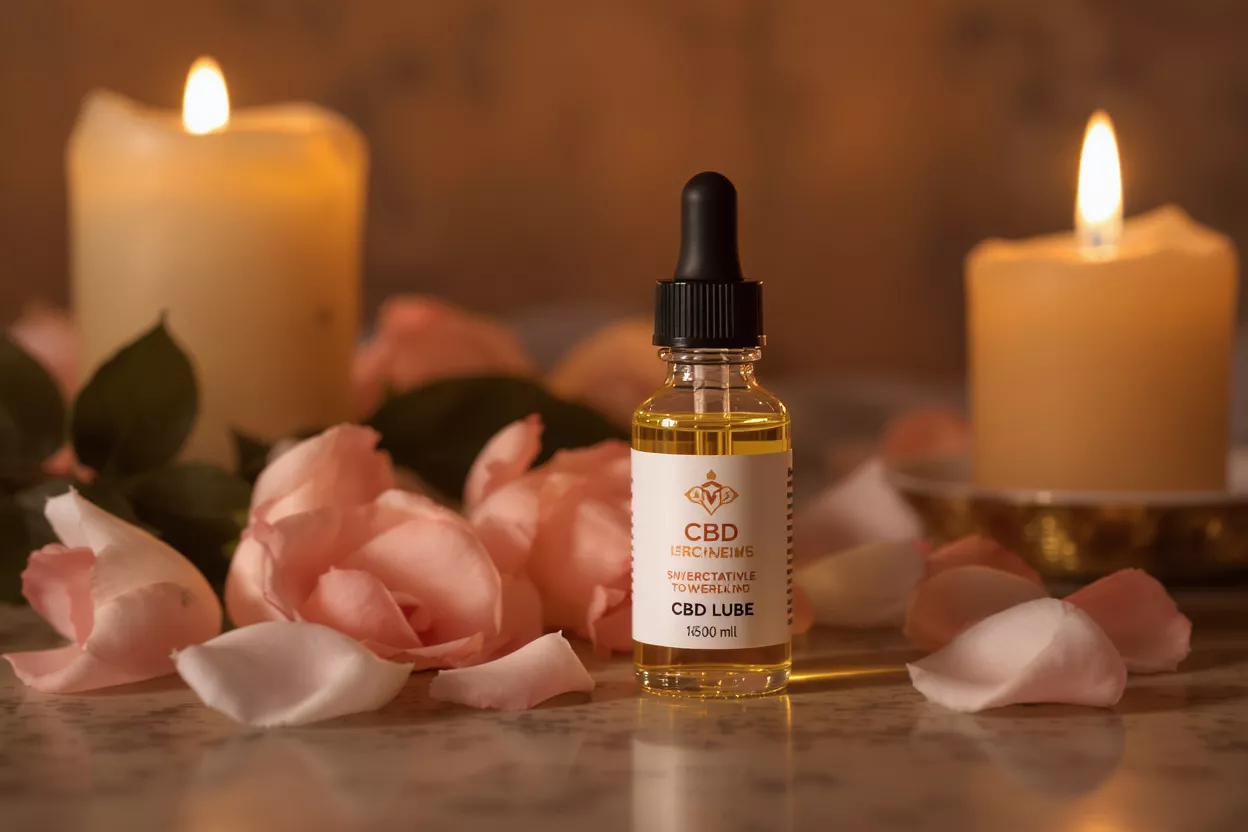
Not all CBD lubes are built the same way, and the base ingredient determines how the product feels, how long it lasts, and what it is compatible with. Understanding the three main categories helps you choose something that fits your routine rather than fighting against it.
- 💧 Water-based: The most versatile option, easy to clean and compatible with latex condoms and most toys, though it may require reapplication.
- 🌿 Oil-based: Long-lasting and moisturizing, often using coconut or other carrier oils, but not safe with latex condoms.
- ✨ Silicone-based: Extremely slick and water-resistant, ideal for longer sessions, but can degrade silicone toys.
Water-based formulas dominate the market because they suit the widest range of users. They rinse away cleanly, rarely stain, and play nicely with barrier methods. The tradeoff is that water-based products absorb and evaporate, so you may need to reapply more often than with oil or silicone options.
Oil-based CBD lubes often double as a massage oil or skin-conditioning elixir, since cannabidiol is fat-soluble and blends naturally with carrier oils. Just remember the latex incompatibility, a non-negotiable detail covered in more depth later. A premium oil-based massage blend can serve double duty for couples who enjoy a slower build.
How CBD Lube Works With the Body
To understand whether CBD lube can do what its labels suggest, it helps to look at how cannabidiol is absorbed. When applied topically, CBD interacts with cannabinoid receptors in the skin and underlying tissue without entering the bloodstream in significant amounts. This local action is why topical CBD products are generally not associated with intoxication or systemic effects.
Mucosal tissue, like that found in intimate areas, is more permeable than ordinary skin, which theoretically allows for more efficient absorption. This is a key reason CBD lube is formulated differently from a body lotion. The Healthline overview of cannabidiol notes that absorption pathways significantly influence how a CBD product behaves, which is why delivery method matters as much as dose.

The endocannabinoid system in detail: This regulatory network includes CB1 and CB2 receptors distributed throughout the body, including in reproductive tissue. CBD does not bind to these receptors as directly as Delta-8 or Delta-9 THC, instead influencing the system more subtly. That indirect action is part of why CBD feels gentle compared to intoxicating cannabinoids, and why it appeals to people who want the wellness angle without the high.
CBD Lube vs THC Lube: What Is the Difference?
One of the most common points of confusion is the distinction between CBD lube and THC-infused intimacy products. The difference comes down to the cannabinoid involved and its effects on the body. CBD is non-intoxicating, while THC products, whether using Delta-9 THC, Delta-8, or even Delta-10, can produce psychoactive sensations depending on absorption.
THC lubes are sometimes marketed for intensified sensation, with users reporting localized warmth or tingling. Because cannabis terminology can feel like its own dialect, full of words like dank, diamonds, and distillate, it is easy to assume every cannabis-derived product behaves the same way. It does not. CBD and THC sit at opposite ends of the intoxication spectrum.
- 🚫 Intoxication: CBD lube does not cause a high; THC lube may, especially if absorbed through mucosal tissue.
- ⚖️ Legality: Hemp-derived CBD is widely available, while THC products face stricter regulation by region.
- 🧪 Sensation: THC lubes are often marketed for intensity; CBD products lean toward comfort and relaxation.
For anyone new to cannabinoid wellness, starting with CBD makes sense. There is no risk of an edible hangover style aftereffect, no intoxication to manage, and no concern about driving or daily responsibilities afterward. It is the gentler on-ramp to the category.
How to Use CBD Lube Safely
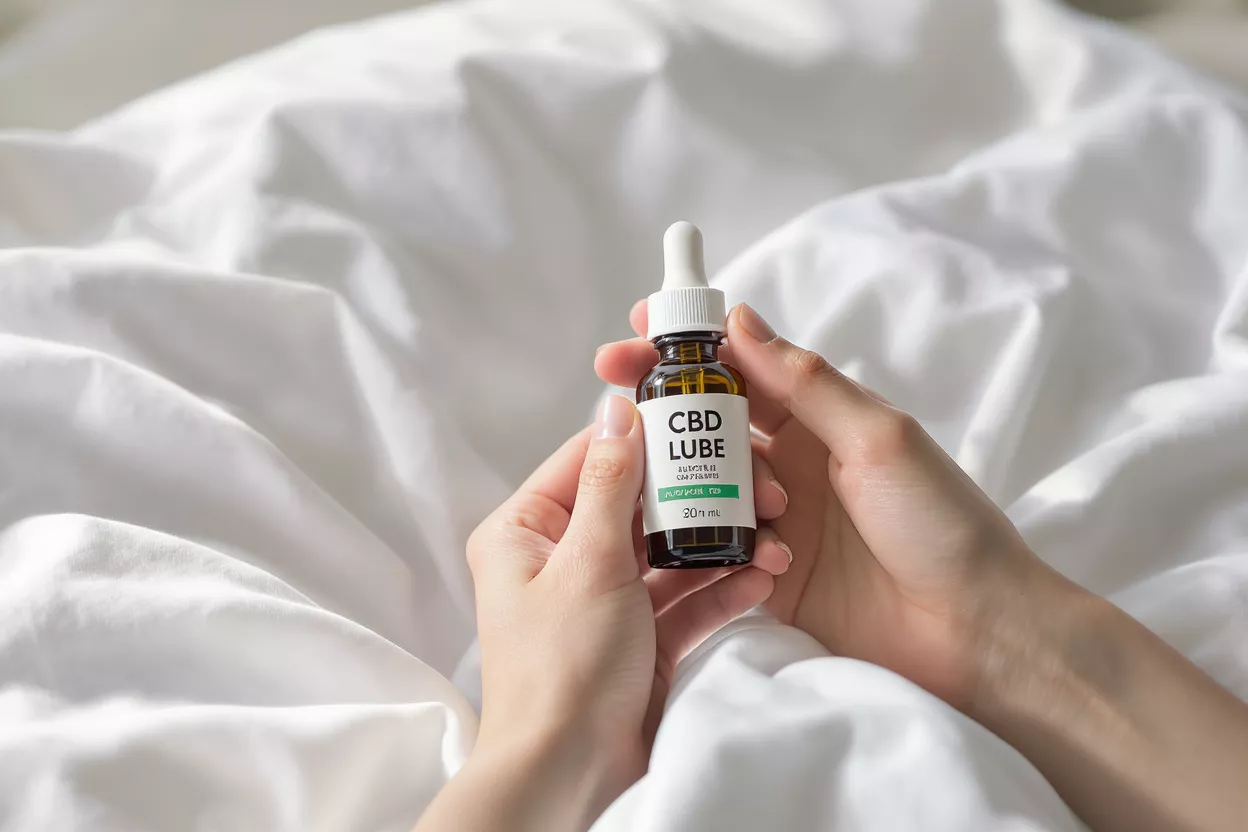
Using CBD lube is simple, but a few best practices help you get the most out of it while avoiding irritation. Start small. Apply a modest amount to the desired area and allow a few minutes for it to settle before increasing the quantity. This gives both partners time to gauge comfort and any sensations.
Patch testing first: Before full use, dab a small amount on a less sensitive area like the inner forearm and wait several hours to rule out a reaction. Intimate tissue is delicate, and reactions there are far more uncomfortable than on a test patch. This single step prevents most negative experiences with any new lubricant.
Reapplication depends on the base you chose. Water-based products fade faster, while silicone and oil last longer. Keep the bottle within reach so you are not interrupting the moment to reapply. A travel-friendly discreet pump bottle makes touch-ups effortless and keeps the experience uninterrupted.
Is CBD Lube Safe and Are There Side Effects?
For most healthy adults, quality CBD lube from a reputable manufacturer is considered low-risk when used as directed. The primary concerns are not the CBD itself but the supporting ingredients, such as fragrances, glycerin, or preservatives that can irritate sensitive tissue. Reading the full ingredient list is the single most important safety habit you can adopt.
Possible side effects: The most common complaints involve mild irritation or sensitivity, usually traceable to an additive rather than the cannabidiol. According to Healthline, CBD is generally well tolerated, though it can interact with certain medications, so anyone on prescription drugs should consult a clinician before adding any CBD product to their routine.
Quality control matters enormously in this category. Look for products backed by third-party lab testing and a clear certificate of analysis from the distributor, which confirms the CBD content and screens for contaminants. Unregulated products can contain inconsistent dosing or unwanted residues, so transparency from the brand is a strong indicator of a trustworthy purchase.
Choosing the Best CBD Lube for Your Needs
With so many options on the market, narrowing down the best CBD lube for your situation comes down to a handful of priorities: base type, ingredient quality, CBD concentration, and intended use. Matching these to your needs prevents buyer's remorse and wasted product.
Consider whether you want a multipurpose product or something dedicated. An oil-based formula that works as both a lubricant and a skin-conditioning treatment offers more value for some, while others prefer a clean water-based option that pairs with condoms and toys without complication. There is no universally correct answer, only the right fit for your habits.
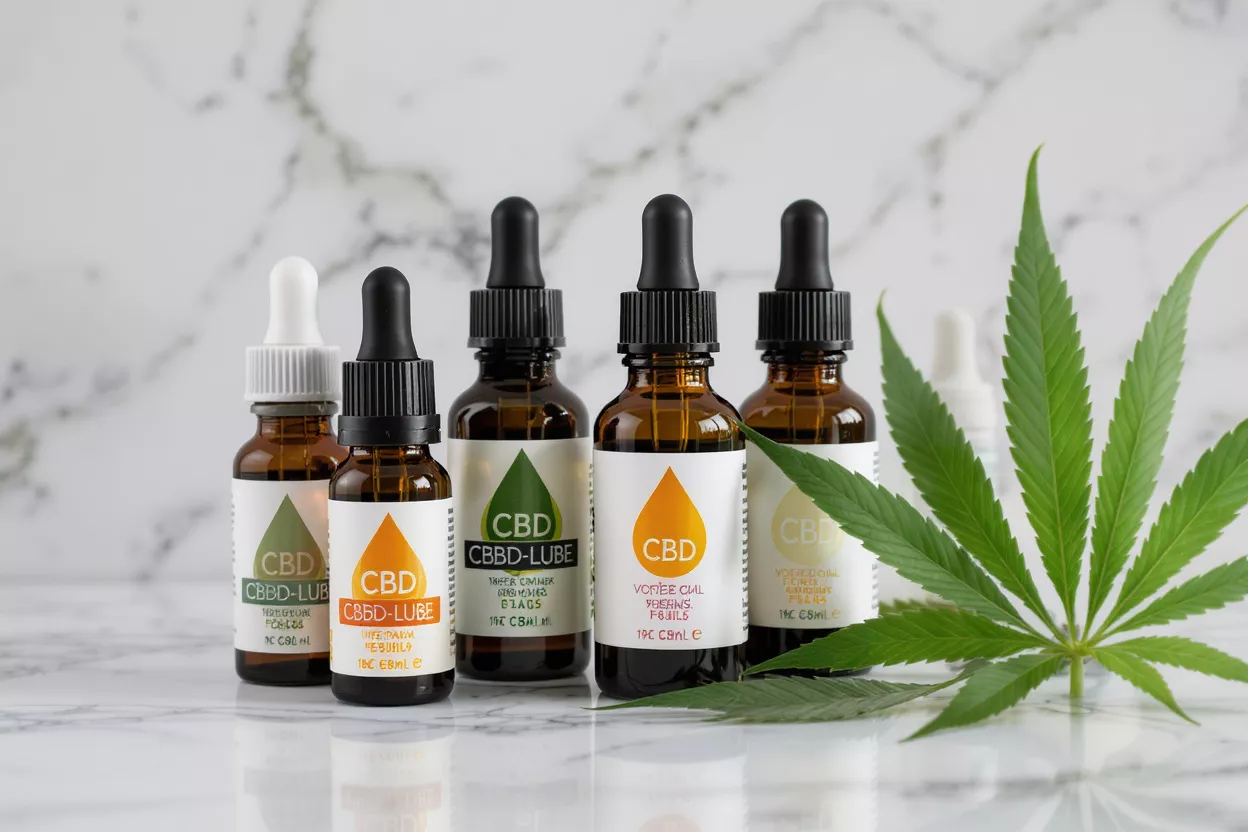
What to look for on the label: Prioritize full-spectrum or broad-spectrum CBD if you want the supporting plant compounds, check that the CBD milligram count is clearly stated, and favor brands that publish lab results. Avoid products with vague ingredient lists or unverifiable claims, and steer clear of anything that promises medical cures, which is a red flag in the wellness space.
CBD Lube and Condom Compatibility
This detail deserves its own section because getting it wrong undermines the protection condoms provide. Oil-based CBD lubes degrade latex, increasing the risk of breakage, so they should never be paired with latex condoms. If you rely on latex barriers, a water-based or silicone-based CBD lube is the compatible choice.
For those with latex allergies, polyurethane and polyisoprene condoms behave differently, but you should still confirm compatibility on the packaging rather than assume. The same caution applies to silicone toys, which can be damaged by silicone-based lubricants. When in doubt, water-based is the safest universal companion across barriers and toys alike.
Beyond breakage risk, oil residue can linger and is harder to clean, which some people find unpleasant. If reliability and easy cleanup rank high on your list, default to a water-based formula and reserve oil-based options for solo use or non-barrier situations where compatibility is not a concern.
Common CBD Lube Questions Answered
New users tend to circle back to the same handful of questions, so here are clear answers to the ones that come up most often. Does CBD lube get you high? No. Cannabidiol is non-intoxicating, and topical or mucosal application does not produce psychoactive effects the way Delta-9 THC products can.
Does CBD lube expire? Yes, like any personal care product it has a shelf life, usually printed on the packaging. Store it away from heat and direct sunlight to preserve both the cannabidiol and the base ingredients. A degraded product may separate or change texture, signaling it is time to replace it.
In summary, CBD lube blends the practical comfort of a quality lubricant with the wellness appeal of cannabidiol, offering a non-intoxicating option for people exploring cannabinoid products. Choose your base thoughtfully, respect condom compatibility, patch test before full use, and buy from transparent brands that publish lab results. Approached with reasonable expectations and a little research, CBD lube can be a worthwhile addition to an intimacy routine, grounded in comfort rather than hype.