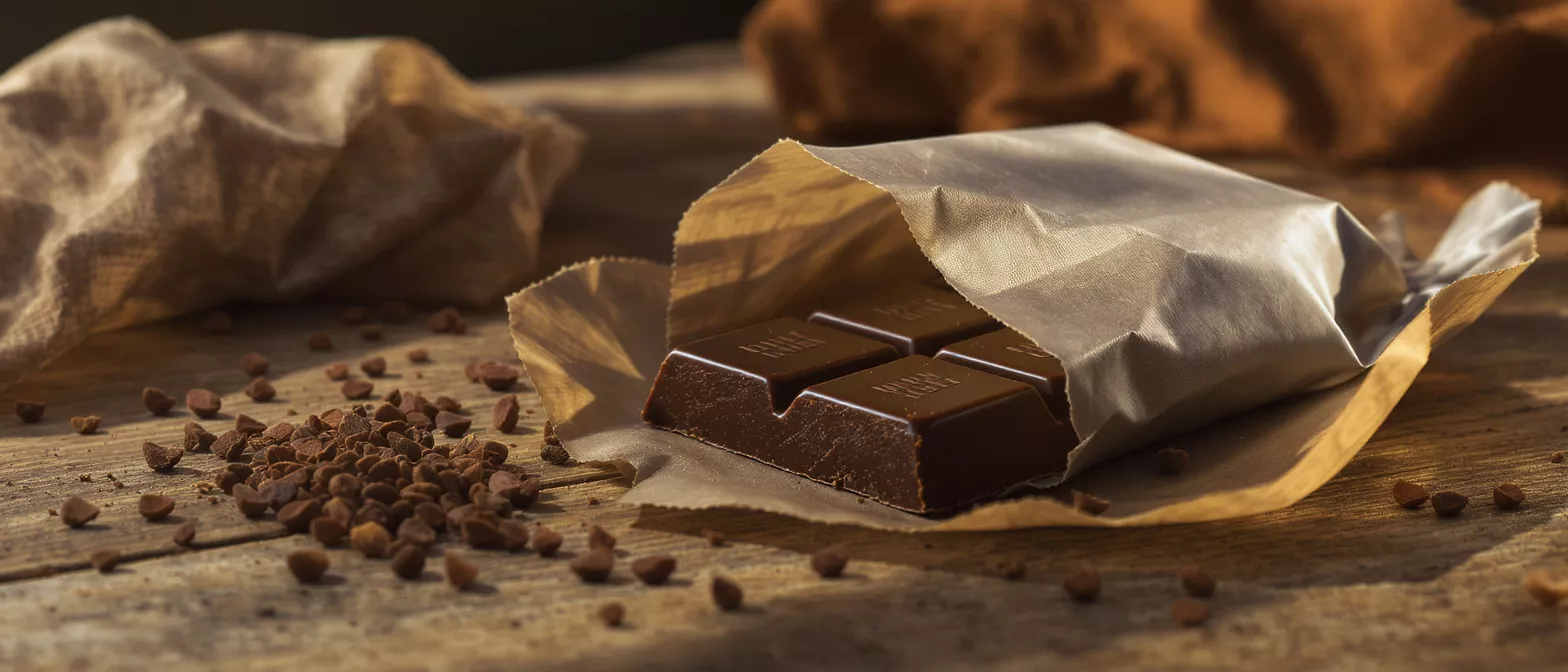
thc chocolate
Discover everything about THC chocolate — how it works, dosing tips, and effects.
What Is THC Chocolate
THC chocolate is a cannabis-infused edible that pairs the rich, melt-in-your-mouth experience of confectionery with the effects of tetrahydrocannabinol, the primary psychoactive compound in cannabis. Instead of smoking or vaping, you simply eat a measured square and let the cannabinoids work their way through your digestive system. For many people, this is the most approachable way to enjoy cannabis because the format is familiar, discreet, and genuinely delicious.
Why chocolate is such a natural carrier for THC: Cannabinoids are fat-soluble, meaning they bind readily to the cocoa butter and milk fats that give chocolate its silky texture. That fat content helps your body absorb the active compounds more efficiently than a dry, low-fat edible might. The natural bitterness of cocoa also masks the grassy, herbal taste of cannabis extract, which is one reason chocolate remains a perennial favorite among edible makers.
Chocolate also carries its own mood-lifting reputation. It contains small amounts of compounds like theobromine and trace anandamide-related molecules, and according to WebMD, cocoa has long been associated with subtle improvements in mood and alertness. Combine that with THC and you have a treat that appeals to both casual snackers and seasoned cannabis enthusiasts.
How THC Chocolate Works in the Body
When you eat THC chocolate, the journey is completely different from inhaling cannabis. The chocolate is broken down in your stomach, and the THC is absorbed through the intestinal wall before traveling to the liver. There, it is metabolized into 11-hydroxy-THC, a compound that is often described as more potent and longer-lasting than the THC delivered by smoking.
Why edibles feel stronger than a quick smoke session: That liver conversion is the key. Because the 11-hydroxy-THC crosses into the brain efficiently, the experience can feel deeper and more body-centered. Some people describe a heavy couch lock sensation with higher doses, where relaxation settles into the limbs and movement feels pleasantly unhurried. This is why patience matters so much with chocolate edibles.
The onset is slower than other delivery methods because digestion takes time. Most people feel the first effects between 45 minutes and two hours after eating. Factors like metabolism, body weight, and whether you ate on an empty stomach all influence the timeline, so two people sharing the same bar may have noticeably different experiences.
Types of THC Chocolate Edibles
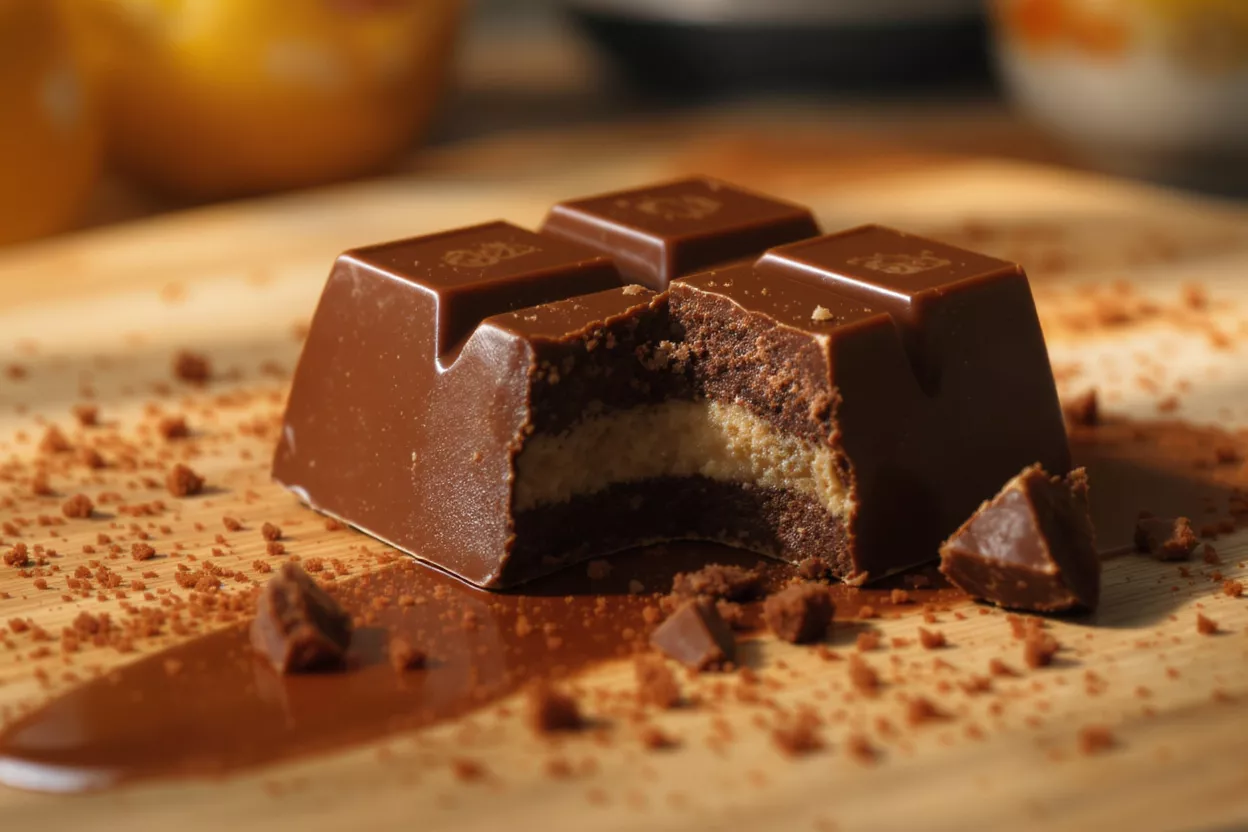
THC chocolate comes in a surprising range of formats, and the variety has grown alongside the broader cannabis market. Understanding the categories helps you pick a product that matches your taste and your tolerance.
The base recipe often starts with a concentrate slurry of decarboxylated cannabis oil blended into melted chocolate, but the finished products differ widely in shape, potency, and flavor profile.
- 🍫 Dark chocolate bars: The bitterness pairs beautifully with cannabis extract and masks herbal notes, making these popular among purists.
- 🥛 Milk chocolate squares: Creamier and sweeter, these are the friendly entry point for newcomers who want a gentle, dessert-like experience.
- 🌰 Filled truffles: Ganache centers and nut pralines turn a dose into a genuine treat, ideal when you want a slow, indulgent moment.
- 🍓 Fruit-infused chocolate: Berry and citrus notes brighten the cocoa and add aromatic terpene-style complexity.
- ☕ Mocha and espresso blends: Coffee notes create an energizing crossfade of stimulation and relaxation that many daytime users enjoy.
For those who like a layered experience, some artisanal makers add botanicals such as cordyceps or turmeric-derived curcumin for an extra wellness angle. If you enjoy that style, a thoughtfully crafted small-batch infused dark chocolate can deliver both flavor and a refined cannabinoid profile worth savoring slowly.
THC Chocolate Dosing Guide for Beginners
Dosing is where most edible mishaps happen, and chocolate is no exception. Because the effects are delayed, it is easy to assume a piece "isn't working" and eat more, only to be overwhelmed an hour later. The golden rule is start low and go slow.
Standard starting doses for newcomers: A typical beginner dose is between 2.5 and 5 milligrams of THC, which often corresponds to a single small square. Experienced consumers may comfortably handle 10 milligrams or more, but tolerance varies enormously. According to WebMD, edible effects can take up to two hours to fully appear, so waiting before re-dosing is essential.
If you are brand new, treat your first session like an experiment. Eat a small piece, note the time, and resist the urge to add more. A clearly labeled low-dose chocolate squares product makes this far easier because each segment is measured for you.
- 🌱 Microdose (1–2.5 mg): Subtle, functional relief with minimal impairment.
- 🙂 Low dose (2.5–5 mg): Mild euphoria and relaxation, ideal for beginners.
- 😌 Moderate dose (5–15 mg): Noticeable effects, better suited to those with some experience.
- 🛋️ High dose (15 mg+): Strong, long-lasting effects that can lead to couch lock for the unprepared.
How Is THC Chocolate Made
Making THC chocolate is part culinary craft and part chemistry. The process begins long before any cocoa is melted, starting with the cultivation and curing of quality cannabis flower that will eventually be transformed into extract.
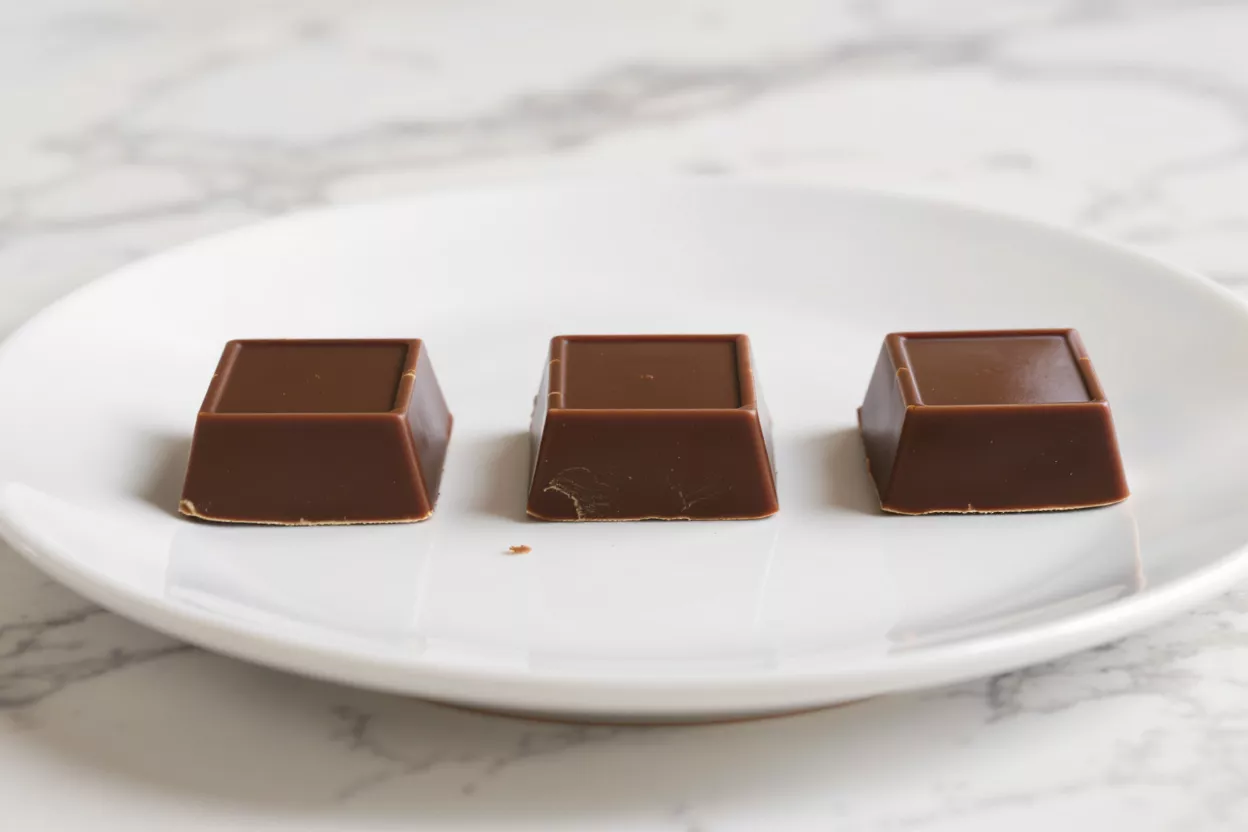
From flower to infused bar: Many premium makers rely on CO2 extraction to pull clean cannabinoids from the plant without harsh solvents. The resulting CO2 oil is decarboxylated to activate the THC, then carefully blended into tempered chocolate. Precision tempering keeps the bar glossy and snappy rather than dull and crumbly.
Dosing accuracy is the hardest part. Producers must distribute cannabinoids evenly so that every square contains the same amount of THC, a challenge that separates professional manufacturers from amateur kitchens. Lab testing verifies potency and screens for contaminants, which is why third-party tested products are worth seeking out. The team at WebMD notes that inconsistent dosing is one of the most common issues with homemade edibles.
THC Chocolate Benefits and Effects
The appeal of THC chocolate goes beyond simple intoxication. Many people reach for it as a wellness ritual, valuing the combination of cocoa's comfort and cannabis's gentle effects on mood and the body.
Relaxation without the smoke: For anyone who dislikes inhaling, chocolate offers a lung-friendly alternative. The slow onset and extended duration make it well suited to evening wind-downs, when a long, mellow stretch of calm is exactly what you want. Some users also appreciate that edibles tend to deliver a more pronounced body effect.
Beyond relaxation, occasional users report support with everyday discomfort, restlessness, and difficulty unwinding at the end of a busy day. While research is ongoing, these effects align with what we understand about how cannabinoids interact with the body's endocannabinoid system. A balanced evening relaxation edibles option fits naturally into a calming nighttime routine.

How Long Does THC Chocolate Last
One of the defining features of THC chocolate is its duration. Where an inhaled session might fade within an hour or two, an edible can keep you comfortably relaxed for far longer, which is both a benefit and something to plan around.
Typical timeline from first bite to baseline: Effects usually begin within 45 minutes to two hours, peak around the two to four hour mark, and gradually taper over four to eight hours total. Higher doses extend that window considerably, and residual mellowness or cottonmouth can linger into the next morning for some people.
Because the experience is long, timing matters. Eating THC chocolate in the early evening generally leaves you clear-headed by bedtime, while a late-night dose may carry over into the morning. Staying hydrated helps with the dry-mouth sensation that often accompanies edibles, so keep water nearby throughout the experience.
Is THC Chocolate Safe to Eat
For most healthy adults, THC chocolate is well tolerated when consumed responsibly. The main risks come from overconsumption rather than the chocolate itself, which is why mindful dosing is the single most important safety habit.
What overconsumption actually feels like: Taking too much can cause anxiety, dizziness, rapid heartbeat, and pronounced couch lock. These effects are uncomfortable but not life-threatening, and they pass as the THC clears your system. Resting in a calm space, staying hydrated, and waiting it out are the usual remedies.
The bigger safety concern is accidental ingestion. Because THC chocolate looks like ordinary candy, it must be stored well away from children and pets. According to WebMD, accidental edible consumption among children has risen alongside cannabis legalization, so child-resistant packaging and careful storage are non-negotiable. Anyone taking medications or managing a health condition should consult a doctor before trying cannabis edibles.
Best THC Chocolate for Relaxation
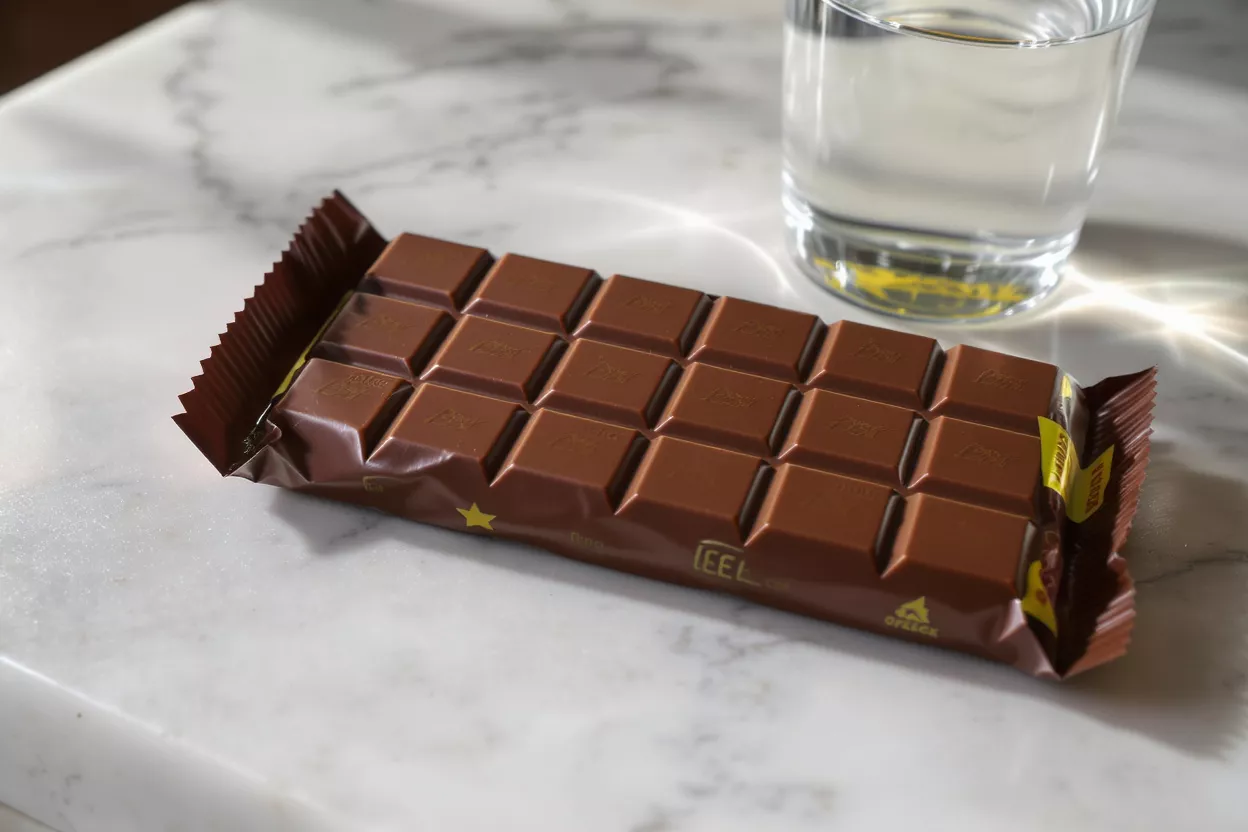
Choosing the best THC chocolate for relaxation comes down to potency, quality, and the specific mood you are chasing. Not every bar is built the same, and a little label-reading goes a long way toward a satisfying experience.
What to look for on the label: Prioritize products that are third-party lab tested, clearly dosed per square, and made with real cocoa butter rather than cheap substitutes. Indica-leaning extracts are traditionally associated with body-heavy, restful effects, making them a popular pick for evening unwinding and pre-sleep calm.
Flavor matters too. A rich dark chocolate emphasizes the natural pairing with cannabis, while a creamy milk variety softens the edge for those who prefer dessert-forward sweetness. Whatever you choose, buy from a reputable source so you know exactly what you are getting in each piece.
- 🔬 Lab tested: Verified potency and purity from an independent lab.
- ⚖️ Consistent dosing: Each square clearly labeled in milligrams of THC.
- 🍫 Quality ingredients: Real cocoa butter and clean extract over fillers.
- 🌙 Effect profile: Indica-leaning blends for relaxation, hybrids for balance.
Storing THC Chocolate the Right Way
Proper storage keeps your THC chocolate fresh, potent, and safe. Chocolate is sensitive to heat and light, and the cannabinoids inside it degrade over time when exposed to poor conditions.
Ideal storage conditions: Keep your chocolate in a cool, dark, dry place, ideally between 60 and 70 degrees Fahrenheit. Excessive heat causes the cocoa butter to bloom into a chalky white film, while light and air slowly break down THC into less active compounds. An airtight container in a cupboard works well for most homes.
Always store edibles in their original child-resistant packaging or a clearly labeled container, far from regular snacks. This prevents mix-ups and protects curious children and pets. With sensible storage, a quality bar holds its flavor and potency for months, ready whenever you want a calm, cocoa-rich moment.
THC chocolate brings together two of life's small pleasures into one thoughtfully crafted treat, offering a discreet, lung-friendly, and genuinely enjoyable way to experience cannabis. By understanding how it works, starting with a low dose, respecting the slow onset, and storing it responsibly, you can enjoy everything this edible has to offer with confidence. Whether you prefer a bitter dark square or a creamy filled truffle, the key is patience, quality, and a little respect for the potency packed inside each delicious bite.