Rolling tray
Everything you need to know about the rolling tray — sizes, materials, accessories & cleaning tips.
What Is a Rolling Tray and Why It Matters
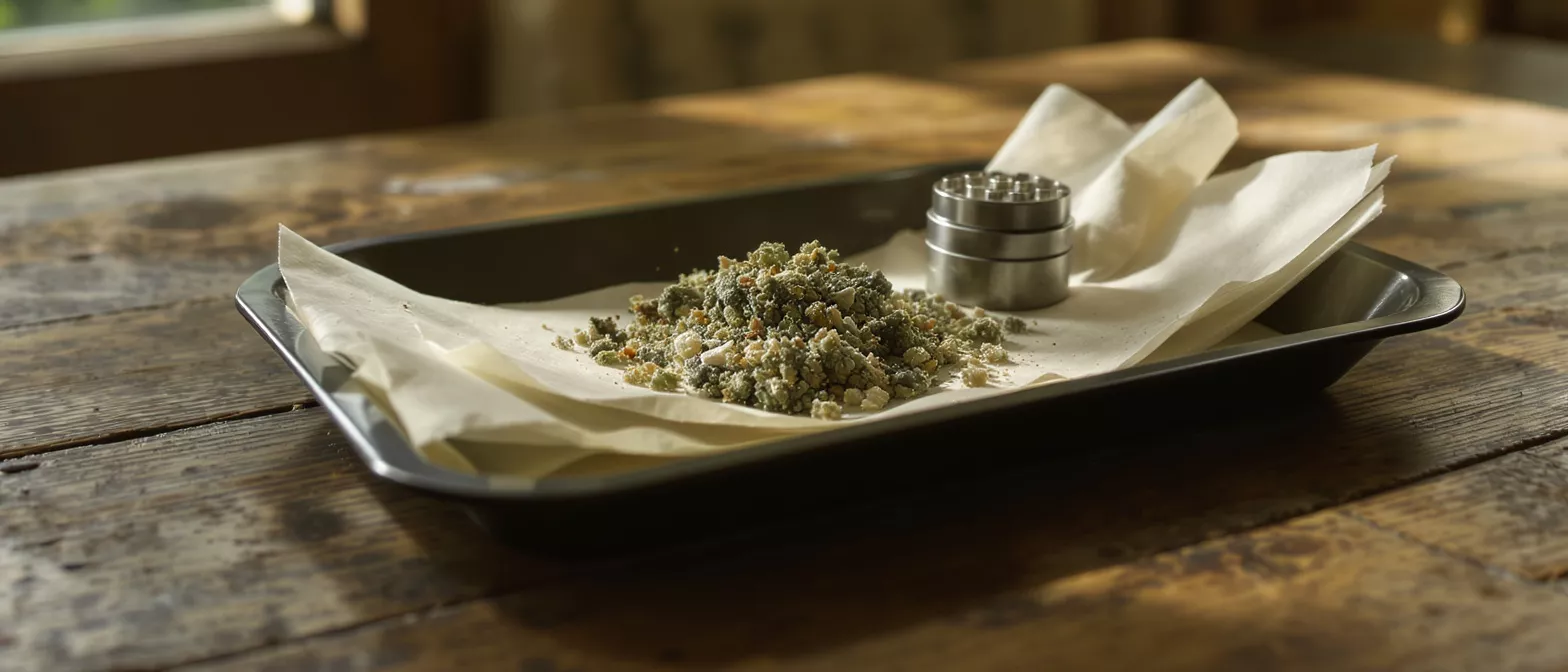
A rolling tray is the unsung hero of any cannabis enthusiast's kit — a flat, raised-edge surface designed to keep your herb, papers, and tools corralled in one tidy workspace. At its simplest, it solves a frustratingly common problem: loose flower scattering across the table, ground material vanishing into carpet fibers, and the small mountain of accessories you somehow always misplace mid-session. Anyone who has tried to roll a joint on an uneven couch cushion understands the appeal instantly.
The concept is humble, but the execution has evolved dramatically. What was once a repurposed magazine or vinyl record sleeve has become a purpose-built tool with magnetic compartments, integrated lighters, and ergonomic curves. The raised lip is the defining feature — it catches stray kief and keeps even the most fragrant Diesel or Dank flower from rolling off the edge. That contained surface is what separates a real rolling tray from any random flat object.
Beyond pure function, a rolling tray has become a statement piece. Collectors prize artist collaborations and limited-run designs the way sneakerheads chase exclusive drops. For most people, though, the value is practical: a dedicated space that signals "this is where the ritual happens," reducing mess and making the whole process feel intentional rather than chaotic.
How a Rolling Tray Works in Your Daily Routine
The contained workspace principle: A rolling tray works by gravity and geometry. The slightly concave base funnels loose material toward the center, while the raised walls prevent spillage. When you break down flower by hand or with a grinder, the fallout — including precious kief that would otherwise be lost — collects in the tray rather than on your furniture. Over a few sessions, that accumulated kief can be scraped together for a potent topping on a bowl or joint.
Workflow efficiency: The real magic is in how a tray streamlines your motions. Grinder in one corner, papers fanned in another, filter tips lined up, lighter within reach — everything has a place. According to research compiled by MDPI, organized consumption environments tend to reduce material waste and improve user consistency, which mirrors what habitual rollers report anecdotally. A good magnetic rolling tray kit takes this further by locking accessories in place so nothing slides around.
For those who roll frequently, the tray becomes muscle memory. You stop thinking about where things are and start focusing on the craft itself — packing an even joint, tucking the paper cleanly, or loading a dugout for a quick one-hitter. That frictionless flow is precisely why seasoned users rarely go without one.

Types of Rolling Trays Explained
Not all rolling trays are built the same, and the category has splintered into several distinct styles, each suited to different habits and settings. Understanding the types helps you avoid buying the wrong tool for your routine.
Standard open trays are the classic format — a simple flat pan with raised edges. They're affordable, easy to clean, and ideal for home use where portability isn't a concern. Lidded and magnetic trays seal your session in progress, letting you snap a cover over half-rolled material to step away or travel without spilling. These are the go-to for anyone who values discretion and odor containment.
Then there are specialty designs built around specific workflows:
- 🪵 Wooden trays: Premium feel, often handcrafted, with natural grain that resists static cling.
- 🧲 Magnetic kits: Include grinder, lighter holder, and accessory wells that lock in place.
- ✈️ Travel trays: Compact, lidded, and built to slip into a bag without leaking.
- 🎨 Art trays: Limited-edition collaborations prized by collectors as display pieces.
- 📐 Oversized trays: Built for group sessions or rolling multiple joints at once.
Best Rolling Tray Materials Compared
Metal trays dominate the market for good reason. Typically made from anodized aluminum or stainless steel, they're lightweight, durable, and effortless to wipe clean. Their smooth surface lets you scrape kief easily and won't absorb odors or resin over time. The slight downside is that metal can feel cold and occasionally generates static that makes fine particles cling.
Wood and bamboo trays appeal to those who want warmth and craftsmanship. Bamboo in particular is sustainable and naturally antimicrobial, though wooden surfaces require gentler cleaning since they can absorb moisture and oils. A well-sealed wooden tray ages beautifully, developing character that metal never will.
Silicone and plastic options round out the budget tier. Silicone trays are flexible, nearly indestructible, and brilliant for catching sticky residue — a favorite among those who also work with concentrates like Diamonds or sticky elixir-grade oils. Plastic is the cheapest entry point but scratches easily and can feel flimsy. For most everyday users, a quality anodized metal rolling tray strikes the best balance of price, durability, and ease of maintenance.
Rolling Tray Sizes and How to Choose
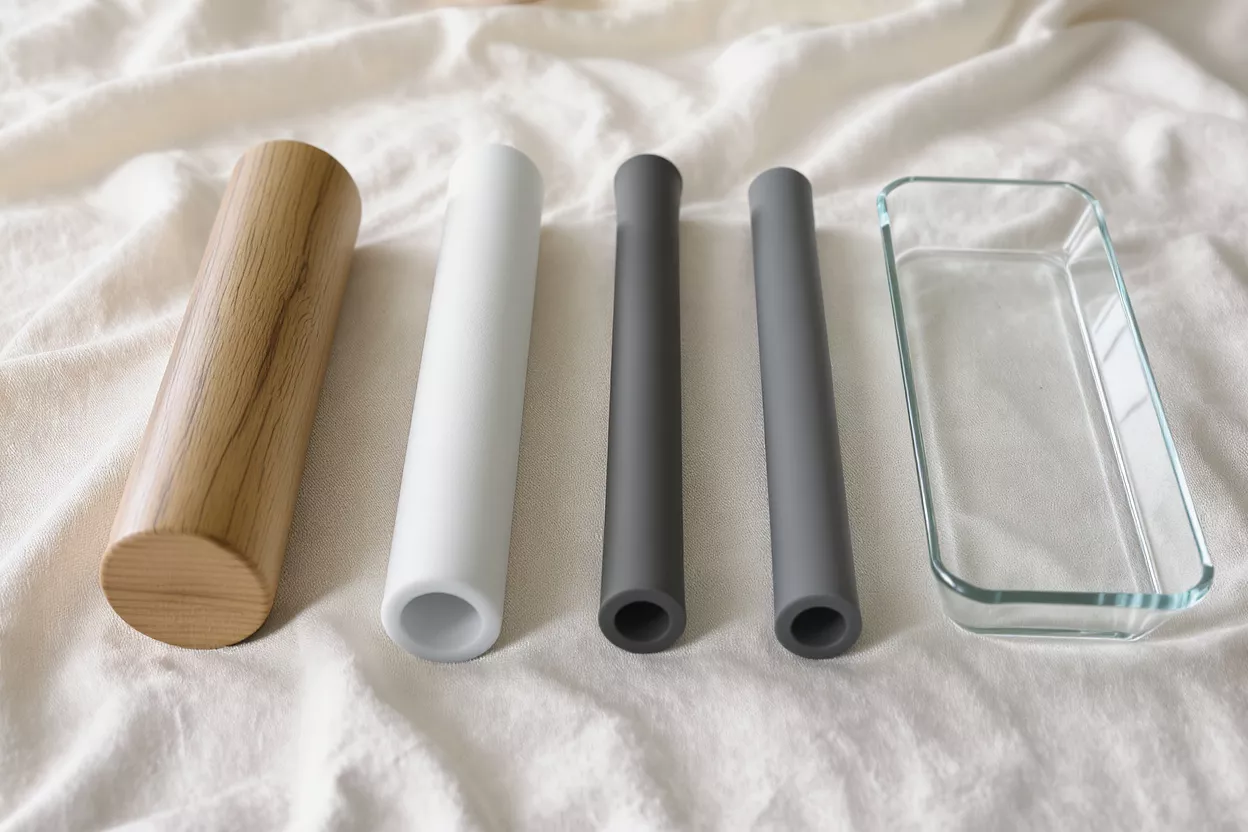
Size is the single most overlooked factor when buying a rolling tray, and getting it wrong leads to either cramped frustration or unnecessary bulk. Trays generally fall into small, medium, and large categories, and the right pick depends almost entirely on how and where you use it.
Small trays (roughly 5 by 7 inches) are pocketable and perfect for solo sessions, travel, or stashing in a drawer with a dugout. They hold the essentials without taking over your nightstand. Medium trays (around 7 by 11 inches) are the sweet spot for most people — enough room for a grinder, papers, and tips without sprawling across the table.
Large trays earn their keep in social settings. When you're rolling several joints for a group or laying out a full spread of accessories, the extra real estate prevents the cramped shuffle that ruins a clean roll. The trade-off is storage and portability, so consider where the tray will live before sizing up.
- 📏 Small (5×7"): Travel, solo use, discreet storage.
- 📐 Medium (7×11"): Everyday all-rounder for one or two people.
- 🛋️ Large (11×14"+): Group sessions and full accessory layouts.
Rolling Tray Accessories Worth Owning
A rolling tray becomes far more powerful when paired with the right accessories. The ecosystem around trays has grown into a full toolkit, and the best additions genuinely improve your workflow rather than just cluttering the surface.
The essential trio for any setup includes a quality grinder, a stash jar for fresh flower, and a rolling tip or filter dispenser. A sharp grinder produces the even consistency that makes joints burn smoothly, while an airtight jar preserves freshness. According to material published by MDPI, proper storage in opaque, sealed containers measurably slows cannabinoid degradation, which is why a good jar belongs on every tray.
Beyond the basics, magnetic accessory holders, brush tools for sweeping kief, and rolling machines for perfectly cylindrical joints all earn their place. Some enthusiasts add a dedicated grinder and stash jar bundle to keep everything matched and organized. The point isn't to own everything — it's to curate a small set of tools that make each session smoother and more enjoyable.
Rolling Tray Benefits for Everyday Sessions
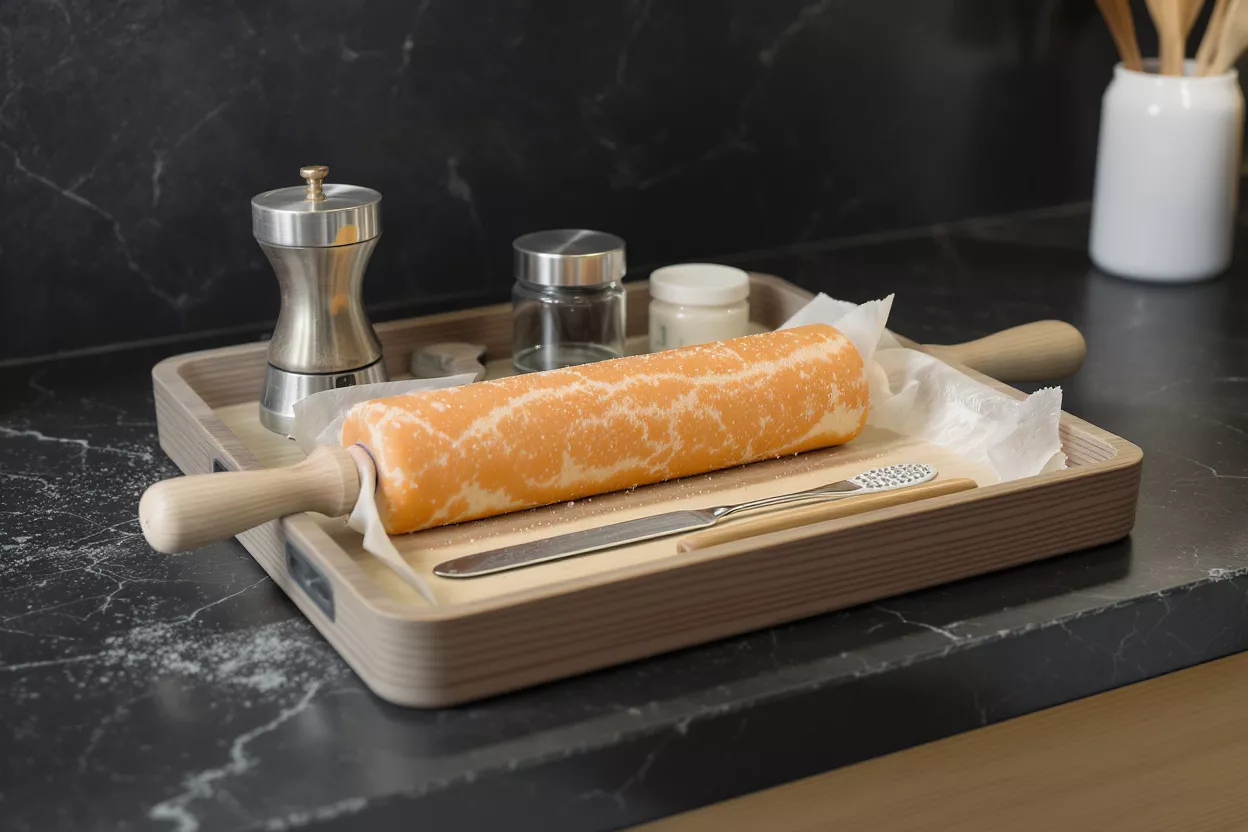
Less waste, more value: The most tangible benefit is reduced material loss. Every gram counts, and the raised edges of a tray reclaim the flower and kief that would otherwise disappear into upholstery. Over months of regular use, that salvaged material adds up to real savings — and that collected kief can elevate an ordinary bowl into something far stronger.
Cleanliness and discretion: A tray keeps your space tidy, containing the mess to one wipeable surface. With a lidded model, you can pause a session and seal everything away in seconds, which matters for odor control and keeping curious hands or pets out of your stash. This containment is part of why trays have become a staple even for casual users who only roll occasionally.
There's also a less obvious psychological benefit. Having a dedicated, organized space transforms the act of rolling from a scattered chore into a deliberate ritual. Many users find the routine itself calming — laying out tools, breaking down flower, and rolling with focus becomes a small meditative pause in the day.
How to Clean a Rolling Tray Properly
Keeping your rolling tray clean is simple but important, since accumulated resin and old plant matter can affect both flavor and hygiene. The cleaning method depends heavily on the material, so match your approach to your tray.
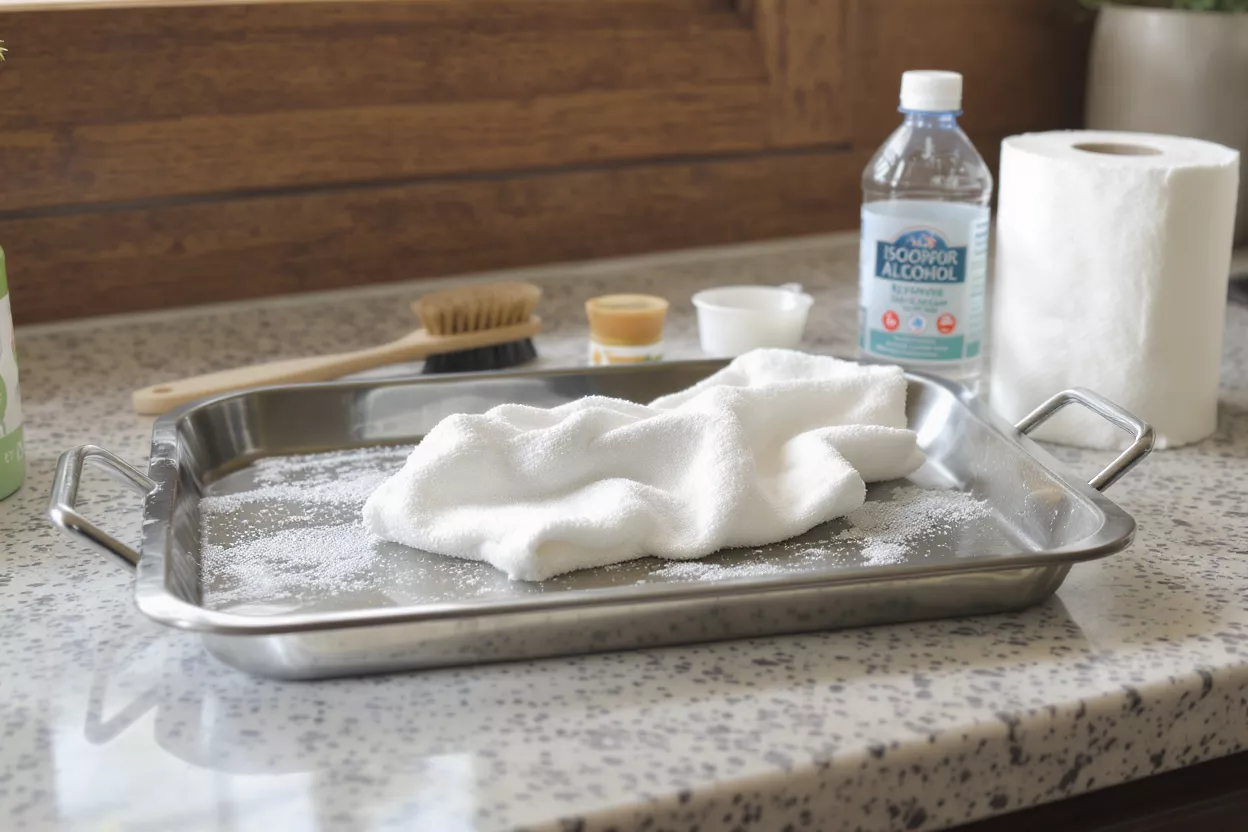
Metal and silicone trays are the easiest. A quick wipe with a microfiber cloth handles daily debris, and for sticky resin buildup, a cotton swab dipped in isopropyl alcohol — the same ethanol-adjacent solvents used in dewaxing and producing ethanol hash oil — dissolves residue fast. Rinse, dry, and you're done. Silicone can often be peeled clean or even tossed in the dishwasher.
Wooden and bamboo trays demand more care. Avoid soaking them; instead, wipe with a barely damp cloth and dry immediately to prevent warping. A light coat of food-safe mineral oil every few months keeps the wood sealed and looking sharp. Research summarized by MDPI on surface contamination underscores why regular cleaning of any consumption equipment matters for both taste and safety. Whatever your material, a clean tray simply makes every session more pleasant.
Choosing the Right Rolling Tray for You
With so many options, choosing the right rolling tray comes down to honestly assessing your habits. Start with where you'll use it most — a home setup can prioritize size and aesthetics, while a tray for travel needs a secure lid and compact footprint above all else.
Match the tray to your routine. If you roll daily and value low maintenance, a medium anodized metal tray is hard to beat. If discretion and portability matter, a lidded magnetic kit keeps everything sealed and secure. Collectors and home users who treat the ritual as a hobby may gravitate toward handcrafted wood or limited-edition art trays that double as decor.
Budget naturally plays a role, but a rolling tray is an inexpensive, long-lasting investment, so it's worth spending a little more for quality. Consider the full picture: material, size, included accessories, and how the tray fits your space. The best tray is simply the one you'll actually reach for every time, whether you're rolling a classic joint or prepping flower for an e-rig or dab session.
Rolling Tray FAQs Answered
Are rolling trays worth it? For anyone who rolls more than occasionally, absolutely. The combination of reduced waste, easier cleanup, and a more organized workflow pays for the modest cost quickly. Even casual users appreciate not having to hunt for stray flower on the carpet afterward.
What size rolling tray should I buy? A medium tray around 7 by 11 inches suits most people, offering enough room for a grinder, papers, and tips without dominating your space. Go smaller for travel and discretion, larger for group sessions or elaborate accessory layouts. When in doubt, the medium all-rounder rarely disappoints.
In the end, a rolling tray is one of those small upgrades that quietly improves every session. It saves material, keeps your space clean, organizes your tools, and turns a sometimes-messy process into a smooth, intentional ritual. Whether you opt for sleek anodized metal, warm bamboo, or a flexible silicone catch-all, choosing a tray that fits your routine is a low-cost decision you'll appreciate every single time you sit down to roll. From the first-time roller to the seasoned connoisseur scraping a week's worth of kief, the humble tray earns its place at the center of the ritual.