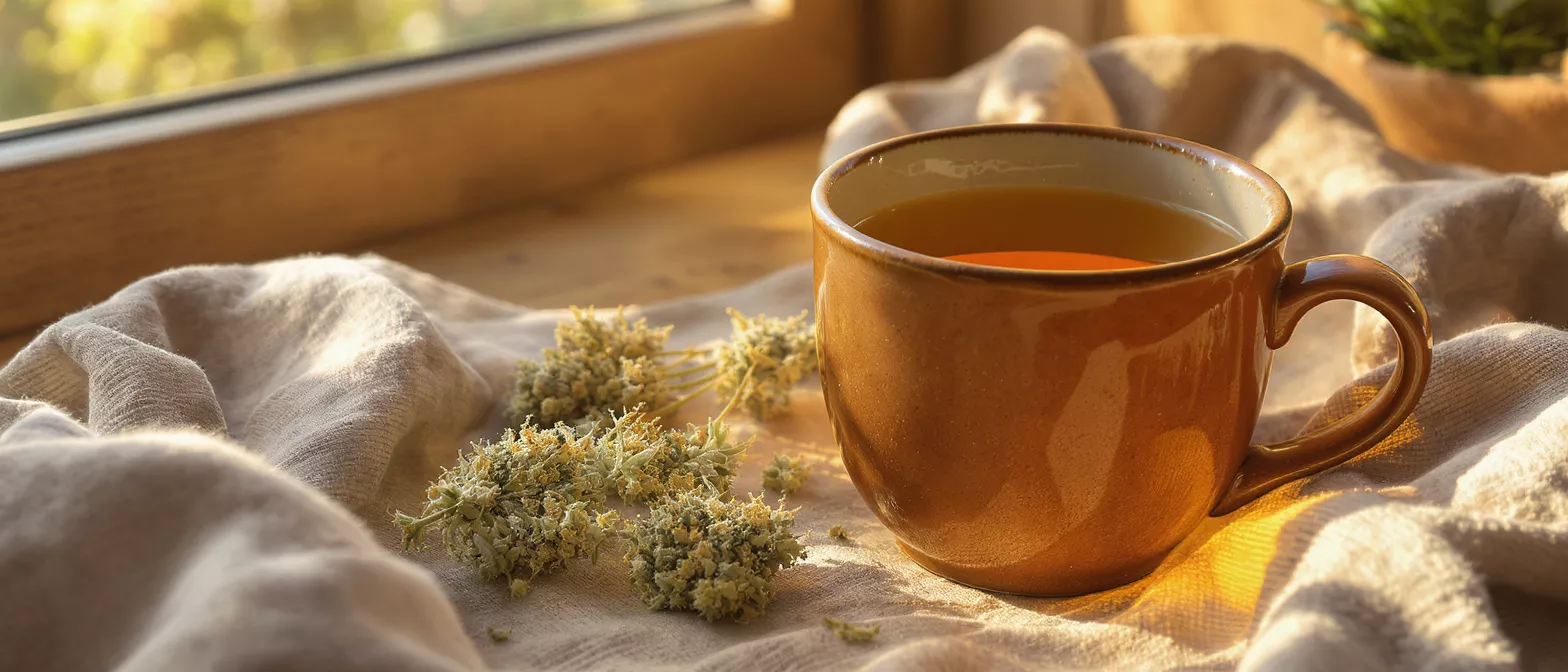
cbd tea
Discover cbd tea benefits, dosing tips, and how it works.
What Is CBD Tea and How Does It Work
CBD tea is a warm, infused beverage that combines the gentle ritual of steeping leaves with the wellness profile of cannabidiol, a non-intoxicating compound derived from the hemp plant. Unlike products that rely on harsh combustion or rapid convection heating, CBD tea offers a slow, comforting way to introduce cannabinoids into your routine. The result is a cup that feels familiar to anyone who already loves chamomile or green tea, but with an added layer of plant chemistry working quietly in the background.
How cannabidiol interacts with the body: CBD engages with the endocannabinoid system, a network of receptors that helps regulate mood, sleep, appetite, and the body's response to stress. When you drink CBD tea, the cannabidiol is absorbed gradually through digestion rather than hitting your bloodstream all at once. This produces a milder, more sustained effect that many people find ideal for daytime calm or an evening wind-down. According to Harvard Health Publishing, CBD has been studied for its potential role in easing anxiety and improving sleep quality, though research is still maturing.
Why people choose tea over other formats: The appeal goes beyond chemistry. There is something grounding about boiling water, watching leaves unfurl, and cradling a warm mug. For those who want the benefits of hemp without vaping concentrate slurry or measuring out a CO2 oil tincture, tea is approachable and low-commitment. It fits naturally into existing habits, which is often the difference between a wellness product you stick with and one that gathers dust.
How CBD Tea Is Made and Brewed
Producing CBD tea starts well before the kettle. Hemp is grown through careful cultivation, harvested, and then processed to extract or preserve its cannabinoids. Many premium teas use CO2 extraction, a method that uses pressurized carbon dioxide to pull clean cannabinoids from plant material without leaving solvent residue. The resulting extract is then blended with tea leaves, dried botanicals, and sometimes a touch of curing to mellow the flavor and stabilize the blend.
Because cannabidiol is fat-soluble rather than water-soluble, brewing technique matters more than it does with ordinary tea. Plain hot water alone will not efficiently dissolve raw CBD, which is why thoughtful formulations either use water-dispersible CBD or recommend adding a fat source. A splash of whole milk, coconut oil, or even a pat of butter helps the cannabinoids bind and become bioavailable, meaning your body can actually absorb what you paid for.
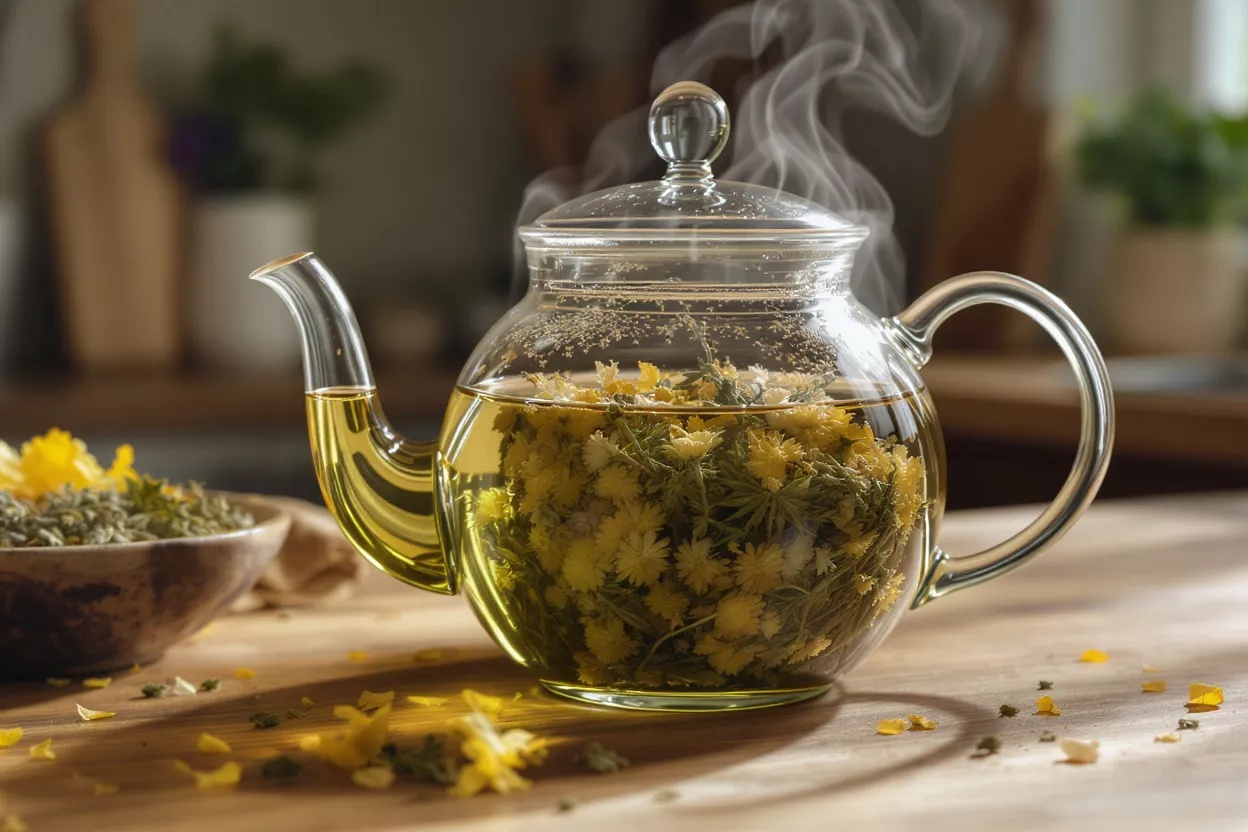
Steeping for the best results: Most CBD teas brew best in water just off the boil, steeped for five to seven minutes to coax out both flavor and active compounds. Covering the cup while it steeps traps volatile aromatic molecules like citronellol and cymene that contribute to taste and aroma. If your blend includes a fat, stir well so the oils emulsify rather than floating on top. For ready-made convenience, a high-quality water-soluble CBD tea blend takes the guesswork out of absorption entirely.
Types of CBD Tea and Their Differences
CBD tea is not a single product but a broad family of blends, each pairing cannabidiol with a different base. The base you choose shapes both the flavor and the secondary wellness effects, since herbs bring their own active compounds to the cup. Understanding the categories helps you match a tea to the time of day and the outcome you want.
- 🌿 Green tea CBD: Light and grassy, often paired with a small amount of caffeine for gentle daytime focus and antioxidant support.
- 🌙 Chamomile CBD: Caffeine-free and floral, prized for evening relaxation and its traditional reputation as a sleep aid.
- 🍵 Turmeric blends: Built around curcumin, the golden anti-inflammatory compound, frequently combined with black pepper for absorption.
- 🍃 Peppermint CBD: Cooling and digestive-friendly, a favorite after meals or for soothing an upset stomach.
- 🍄 Functional mushroom blends: Pairing CBD with cordyceps or reishi for energy and adaptogenic balance.
Full-spectrum versus isolate teas: Beyond the herbal base, teas differ by the type of CBD they contain. Full-spectrum blends retain a range of cannabinoids and terpenes for a potential entourage effect, while isolate-based teas use purified cannabidiol with zero THC. If you want to avoid even trace THC for testing reasons, a clearly labeled isolate blend is the safer pick.
Flavor varies enormously across these categories, and so does intensity. A green tea blend might deliver a subtle lift reminiscent of a mild crossfade between calm and alertness, whereas a chamomile blend leans entirely toward sedation. There is no single best type, only the one that fits the moment you are brewing for.
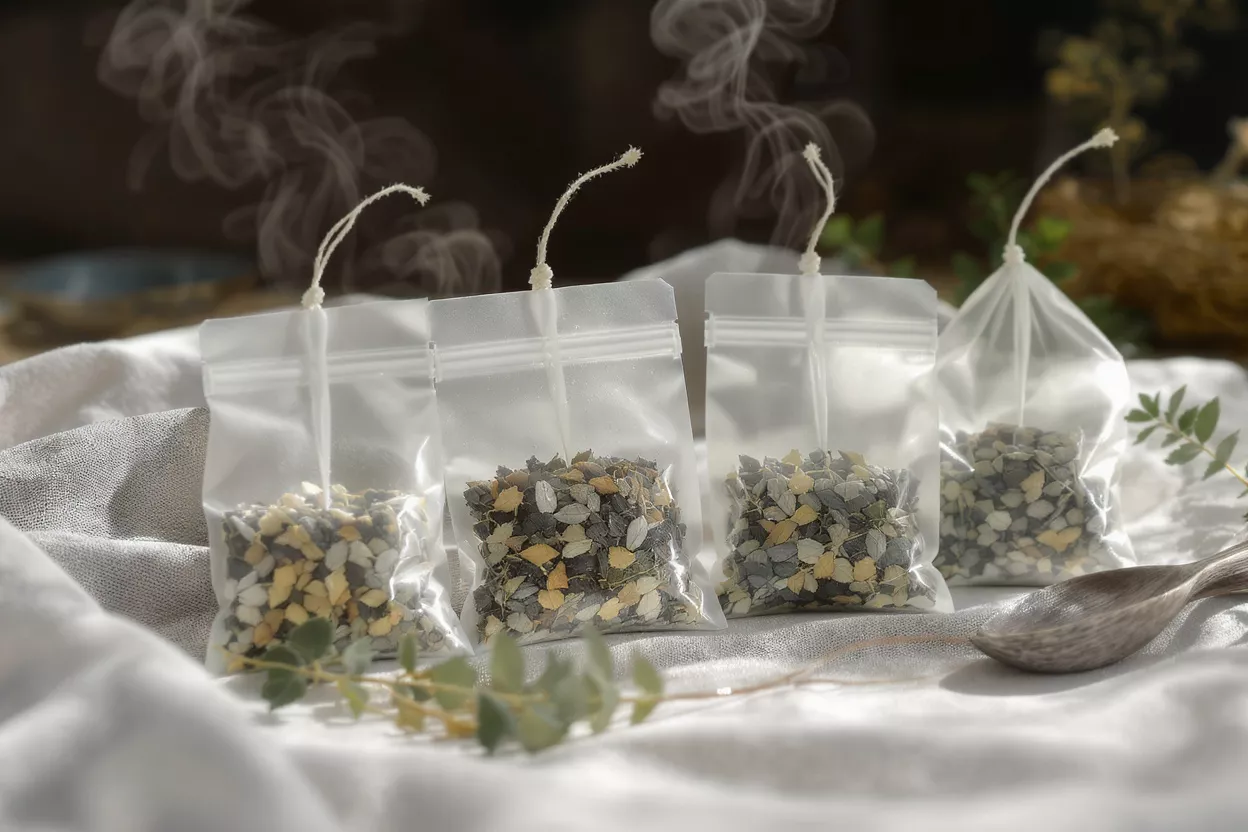
CBD Tea Benefits Backed by Research
The benefits of CBD tea come from two sources working together: the cannabidiol itself and the supporting botanicals in the blend. While research on CBD is still developing, several areas show genuine promise rather than marketing hype. The key is separating evidence-based effects from inflated claims.
Stress and anxiety support: One of the most studied applications of CBD is its potential to take the edge off everyday anxiety. The compound appears to influence serotonin signaling, which may explain the calm many drinkers report. Pairing this with the ritual of a warm cup amplifies the effect, since the act of slowing down is itself a proven stress reliever. The team at Harvard Health Publishing notes that early evidence points to CBD's usefulness for anxiety, though dosing and individual response vary widely.
Inflammation and recovery: Cannabinoids have anti-inflammatory properties, and when combined with botanicals rich in curcumin or other plant compounds, a tea can support post-exercise recovery and general comfort. Some people reach for a soothing turmeric and CBD wellness blend after a hard workout for exactly this reason. The warmth and hydration of the tea add their own modest recovery benefits.
Beyond these headline uses, drinkers often describe softer benefits: smoother digestion from peppermint blends, gentler energy from green tea pairings, and an overall sense of being more even-keeled. These effects are real but subtle, and they accumulate with consistent use rather than arriving as a dramatic single dose.
Best CBD Tea for Sleep and Relaxation
If there is one use case that draws people to CBD tea above all others, it is sleep. The combination of a non-stimulating evening ritual, cannabidiol's calming influence, and sleep-friendly herbs creates a powerful wind-down tool. Unlike a heavy indica edible that can leave you in couch lock, a well-made CBD tea aims for gentle relaxation rather than total sedation.

Why chamomile and CBD pair so well: Chamomile contains apigenin, a compound that binds to receptors associated with drowsiness, while CBD addresses the racing-mind side of sleeplessness. Together they tackle both the physical and mental barriers to falling asleep. Add a touch of lavender, with its citronellol content, and you have a fragrant cup engineered for rest. A dedicated nighttime chamomile CBD tea bundles these ingredients in tested ratios so you do not have to blend them yourself.
Timing matters as much as the blend. Because tea is absorbed through digestion, give it forty-five minutes to an hour before bed so the effects arrive as your head hits the pillow. Avoid green tea or any caffeinated base in the evening, since even small amounts of caffeine can undercut the relaxation you are after. The goal is to ease into sleep, not to crossfade between wired and tired.
CBD Tea Dosing Guide for Beginners
Getting your dose right is the single biggest factor in whether CBD tea works for you. Too little and you feel nothing; too much and you may simply waste product, since CBD has a wide safety margin but diminishing returns. The smart approach is to start low and adjust slowly over several days.
Most ready-made CBD teas contain between 10 and 25 milligrams of cannabidiol per serving, which is a sensible starting range for newcomers. If you are blending your own, measuring is harder, which is one reason pre-dosed sachets are popular for consistency. The principle of starting low applies to everyone regardless of format.
- 🌱 Start with one cup: Begin at the lower end, around 10 to 15 mg, and note how you feel over an hour or two.
- 📈 Adjust gradually: If you need more, increase by 5 mg increments every few days rather than doubling up at once.
- ⏱️ Account for timing: Remember that tea takes thirty to ninety minutes to take effect, so resist re-dosing too soon.
- 📓 Keep a simple log: Track dose, time, and effect to find your personal sweet spot efficiently.
Body weight, metabolism, and whether you drink on an empty stomach all influence how a dose feels. Adding a fat source not only improves absorption but can make a smaller dose go further, so factor that into your math when dialing things in.
Is CBD Tea Safe to Drink Daily
For most healthy adults, CBD tea is considered safe to drink daily, and many people incorporate it into a morning or evening routine without issue. Cannabidiol is generally well tolerated, and the doses found in tea are modest compared with concentrated tinctures or capsules. That said, safe does not mean risk-free for everyone.
Drug interactions to watch for: CBD can interfere with how the liver metabolizes certain medications, the same way grapefruit does, by affecting enzymes that process drugs. If you take prescription medication, especially blood thinners or seizure medication, talk to a doctor before making CBD tea a daily habit. Research summarized by Harvard Health Publishing highlights this interaction as the most important safety consideration for regular CBD users.
Quality also factors into safety. A tea made from poorly sourced hemp may carry contaminants picked up during cultivation, since the plant readily absorbs heavy metals from soil. Choosing brands that publish third-party lab results protects you from this risk and confirms the CBD content matches the label. Pregnant and nursing individuals should avoid CBD entirely until more research is available.
CBD Tea vs Other Consumption Methods
CBD tea sits in a unique spot among consumption methods, trading speed for gentleness and ritual. Understanding how it compares to other formats helps you decide whether tea is the right tool or whether another method suits a particular need better.
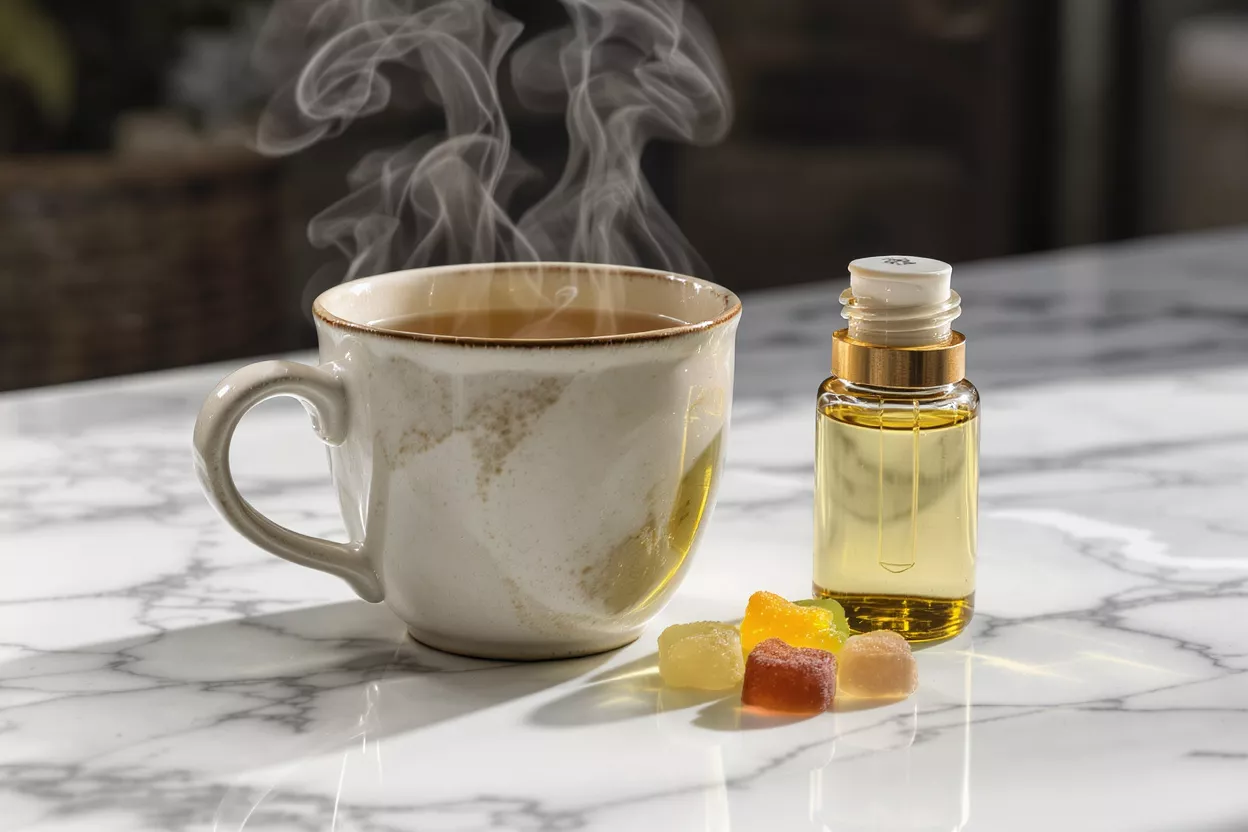
Vaping a concentrate like crumble delivers cannabinoids almost instantly because they enter the bloodstream through the lungs, but the effect fades quickly and the experience is far from relaxing. Sublingual tinctures made from CO2 oil land somewhere in the middle, taking effect within fifteen to thirty minutes. Tea is the slowest of the common methods, but its gradual onset and long duration are exactly what make it ideal for sustained calm rather than acute relief.
- 🍵 CBD tea: Slow onset, long duration, deeply relaxing ritual; best for routine wellness and sleep.
- 💧 Tinctures: Moderate onset, precise dosing, flavor-flexible; best for daytime control.
- 💨 Vaping concentrates: Near-instant onset, short duration; best for fast, temporary relief.
- 🍬 Edibles and gummies: Slow onset like tea but harder to dose by feel; best for discreet, portable use.
None of these methods is universally superior. Many people keep more than one on hand, reaching for a tincture during the day and brewing a calming cup at night. Tea's strength is that it rewards patience and turns dosing into a pleasant moment rather than a chore.
How to Choose a Quality CBD Tea
The CBD market is crowded, and tea is no exception, so knowing what separates a worthwhile product from a gimmick is essential. A few clear signals reliably distinguish quality brands from those selling little more than expensive flavored water with a hemp label.
Look for lab transparency: Reputable producers post a certificate of analysis from an independent lab showing exact cannabinoid content and confirming the absence of pesticides, solvents, and heavy metals. If a brand hides or omits this, treat it as a red flag. The certificate should match the milligram count printed on the box, not a vague "infused with hemp" claim.
Mind the extraction and sourcing: Teas made with clean CO2 extraction and hemp grown under careful cultivation standards consistently outperform cheap alternatives. Domestic or EU-grown hemp tends to face stricter agricultural oversight. Pay attention to whether the CBD is water-soluble or paired with a fat-delivery recommendation, since this directly affects how much you actually absorb. For everyday sipping, a versatile full-spectrum daytime tea offers a balanced introduction.
Finally, read the full ingredient list. The best blends use whole botanicals rather than artificial flavoring, and the supporting herbs should make sense for the stated purpose. A sleep tea built around chamomile and lavender is honest; one promising sedation while loaded with green tea caffeine is not.
CBD Tea Side Effects and What to Expect
CBD tea is gentle, but no active compound is entirely without side effects, and knowing what is normal helps you respond sensibly. The good news is that side effects from tea-level doses are usually mild and easy to manage with simple adjustments.
The most commonly reported effects are dry mouth, often called cottonmouth, mild drowsiness, and occasionally a slight drop in appetite. Cottonmouth is easily remedied by drinking extra water alongside your tea. Drowsiness is frequently a feature rather than a flaw, especially with evening blends, but it means you should avoid driving until you know how a given tea affects you.
At higher doses some people notice lightheadedness or digestive upset, which is the body's signal to scale back. Because tea absorbs slowly, these effects build gently and rarely catch you off guard the way an overly strong edible might. Stay hydrated, start with a modest dose, and your body will tell you what it prefers.
CBD tea earns its growing popularity by being one of the most approachable ways to explore cannabidiol. It blends a centuries-old comfort ritual with modern plant science, offering gentle stress relief, sleep support, and recovery benefits without intoxication. Choose a transparently lab-tested blend, mind your dose, add a touch of fat for absorption, and pay attention to how your body responds. Done thoughtfully, a daily cup becomes a small, reliable anchor of calm in an otherwise hectic day, and that consistency is where the real value of CBD tea lives.