nanoemulsion thc
Discover how nanoemulsion THC boosts bioavailability and speeds up effects.
What Is Nanoemulsion THC?
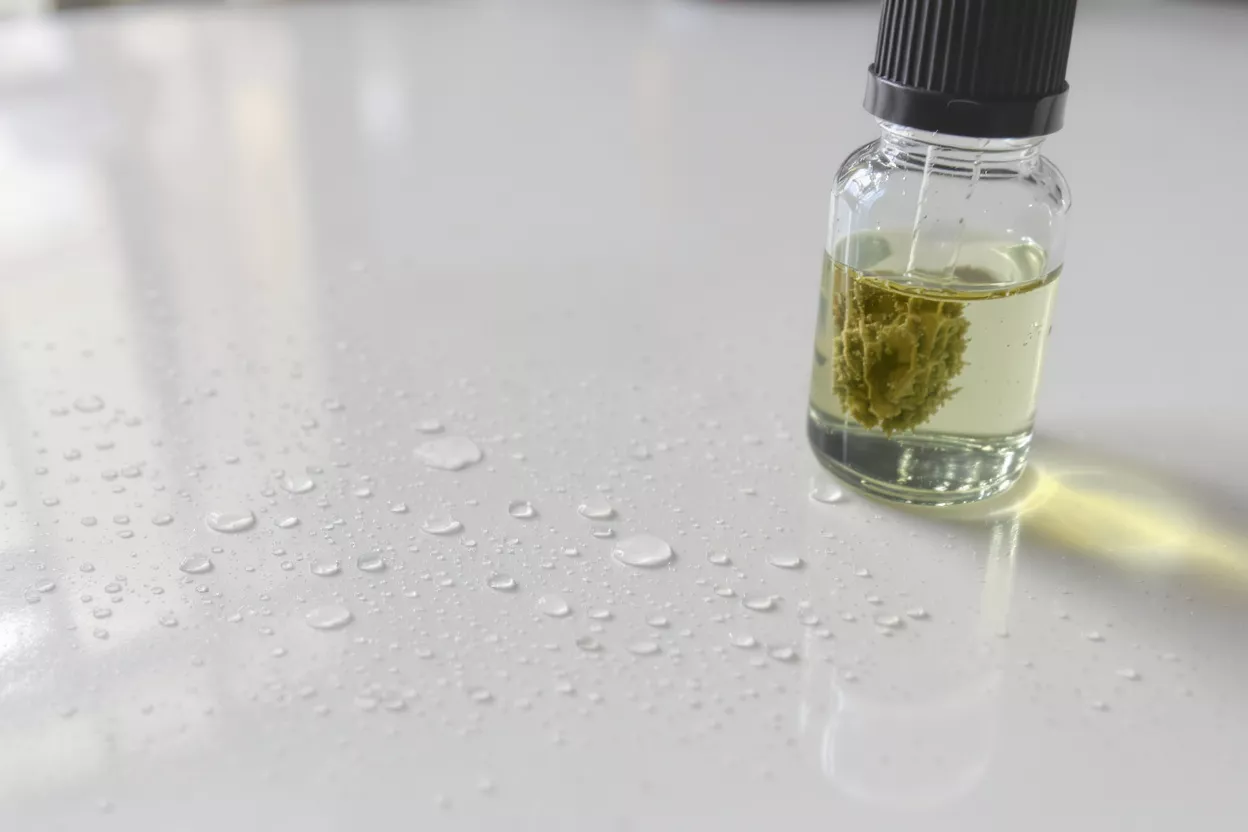
Nanoemulsion THC is a formulation technology that shrinks cannabis oil into microscopic droplets and suspends them evenly in water-compatible liquid. Because tetrahydrocannabinol is naturally oil-loving and refuses to mix with water, plain THC extracts pass through the digestive system inefficiently. Nanoemulsion solves that mismatch by reducing oil particles to nanometer scale, allowing the body to absorb far more of the active compound than it would from a traditional oil-based edible.
The concept borrows directly from pharmaceutical and food science, where nanoemulsions have long been used to deliver vitamins, flavors, and poorly soluble drugs. When applied to cannabis, the result is a clear or milky liquid that disperses instantly into a beverage or dissolves smoothly under the tongue. This is why fast-acting drinks, dissolvable powders, and water-soluble tinctures have surged in popularity across legal markets.
Why droplet size matters so much: A standard cannabis oil droplet might measure several thousand nanometers across, while a well-engineered nanoemulsion can shrink that figure below 100 nanometers. Smaller droplets carry vastly more surface area relative to volume, and surface area is where absorption happens. The same milligram of THC simply has more contact with your tissues, which translates to a stronger, quicker effect from a smaller dose.
How Nanoemulsion THC Works in the Body
When you consume a conventional edible, the THC must survive stomach acid, get packaged with dietary fats, and pass through the liver before reaching circulation. This first-pass metabolism converts much of the THC into 11-hydroxy-THC and destroys a significant portion along the way. Nanoemulsion THC sidesteps part of this bottleneck because its tiny droplets are absorbed more readily through the mucous membranes and the gut wall.
Sublingual products take particular advantage of this. Held under the tongue, the nano-sized particles can slip directly into the bloodstream through the thin tissue there, bypassing digestion entirely for a portion of the dose. According to NORML, the way a cannabis product is delivered dramatically influences both onset time and the intensity a person experiences, which is exactly why formulation science has become such a focus for manufacturers.
The endocannabinoid connection: Once THC enters circulation, it binds to CB1 and CB2 receptors that make up the body's endocannabinoid system. Better absorption means more of the molecule actually reaches these receptors rather than being wasted in metabolism. For consumers, that efficiency is the entire point — less product needed to feel the intended effect, with a more predictable experience each time.
Why Nanoemulsion THC Acts Faster Than Edibles
The hallmark of nanoemulsion THC is speed. A traditional gummy or brownie can take 60 to 120 minutes to take hold because the THC must wind its way through the entire digestive tract. Nanoemulsified products often begin working in 15 to 30 minutes, a difference that makes dosing far easier to control and reduces the temptation to take a second helping before the first one lands.
That faster onset comes down to physics. Smaller particles dissolve and disperse more quickly, so the body does not have to break down large fat globules before absorption can begin. Anyone who has experienced the dreaded crossfade or overshoot of an edible — taking more because nothing seemed to happen — will appreciate how much a rapid, honest onset improves the experience.
- ⏱️ Faster onset: Effects typically begin in 15–30 minutes versus 1–2 hours for oil-based edibles.
- 🎯 Better dose control: Quick feedback means less accidental over-consumption and less chance of couch lock.
- 💧 Beverage friendly: Mixes cleanly into water, seltzer, or coffee without an oily film or separation.
- 📉 Shorter tail: Many users report effects that resolve more cleanly than the long fade of heavy edibles.
For people who want predictability — a microdose before a social event, for instance — a fast-acting THC beverage offers a far tighter window of control than waiting on a slow-digesting cookie that may sneak up an hour later.
Nanoemulsion THC vs Oil-Based Edibles
The most useful way to understand nanoemulsion is by contrast. Oil-based edibles rely on dietary fat for absorption, which is why dosing on an empty stomach can feel weaker or wildly inconsistent. Nanoemulsion THC carries its own delivery system built in, so a glass of water works just as well as a fatty meal. This consistency is one of the biggest practical advantages for everyday consumers.
Flavor and texture differ too. Traditional cannabis oil leaves a recognizable herbal taste and can create an oily mouthfeel, while a quality nanoemulsion disperses so completely that beverages stay clear and palatable. That clean profile is part of why the category has grown alongside the broader cannabis beverage trend.
Where oil-based products still shine: Conventional edibles are not obsolete. Their slower, longer-lasting effect suits people seeking extended relief through the night, and the CO2 extraction methods behind many full-spectrum oils preserve a rich profile of cannabinoids and terpenes. Nanoemulsion and oil-based products simply serve different needs rather than one replacing the other.
Types of Nanoemulsion THC Products
Nanoemulsion technology shows up across a growing range of formats, each tailored to a different routine. The shared thread is water compatibility and faster onset, but the delivery vehicle changes the experience considerably. Understanding the formats helps you match a product to the moment you intend to use it.
- 🥤 Beverages: Ready-to-drink seltzers and shots with precisely measured doses per can or bottle.
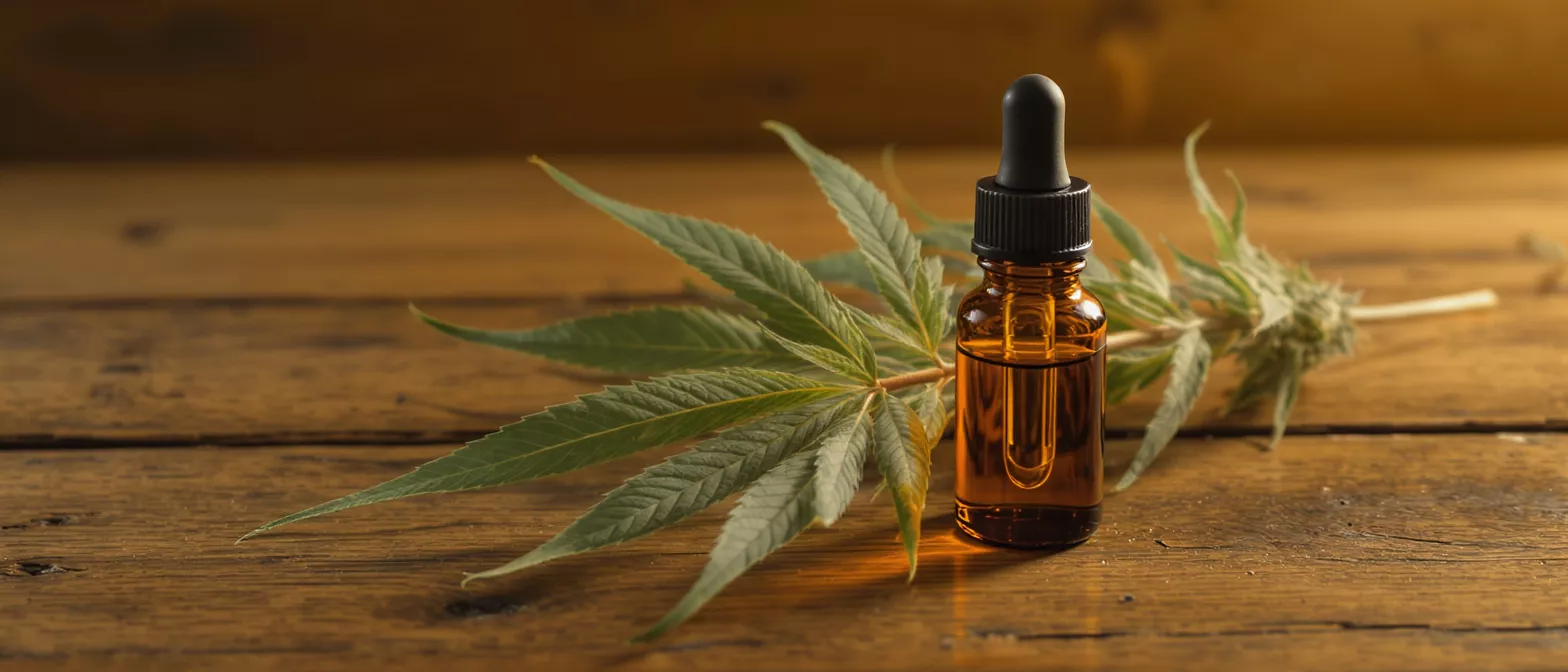
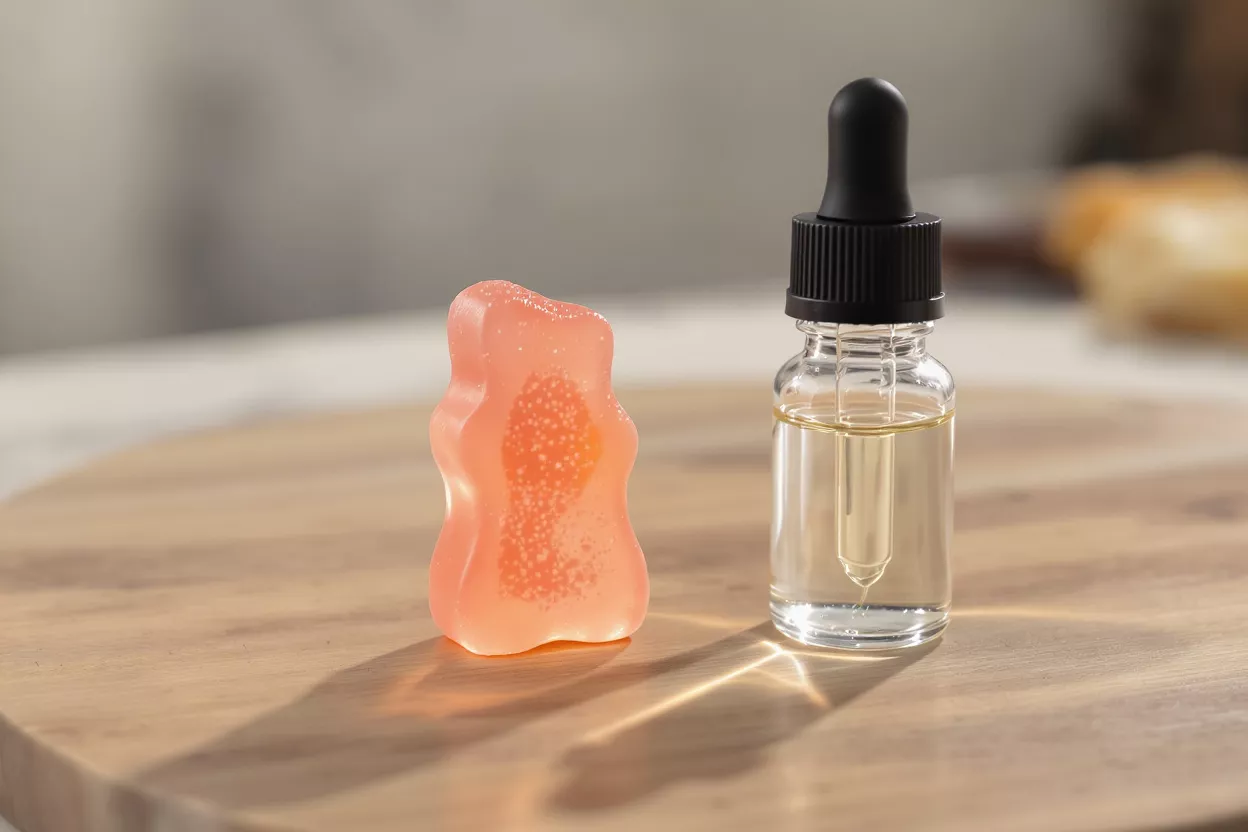
- 💧 Water-soluble tinctures: Dropper bottles you add to any drink or take sublingually for flexible dosing.
- 🍬 Fast-acting gummies: Edibles formulated with nano-THC for quicker onset than the traditional concentrate slurry used in older recipes.
- 🧪 Dissolvable powders: Single-serve packets that turn any beverage into an infused drink without altering flavor.
Each format draws on the same core science but suits a different lifestyle. Beverages appeal to the social drinker looking for an alcohol alternative, while tinctures give meticulous users granular control. A water-soluble THC tincture is often the most versatile starting point because you can titrate your dose drop by drop until you find the level that suits you.
Powders deserve special mention for travel and convenience. Lightweight, shelf-stable, and discreet, they let you transform a plain bottle of water or coffee into an infused drink anywhere, with none of the oily separation that plagues older infusion methods.
Nanoemulsion THC Bioavailability Explained
Bioavailability is the percentage of a dose that actually reaches your bloodstream and produces an effect. Standard oral THC is notoriously inefficient, with research suggesting only a small single-digit fraction survives digestion and first-pass metabolism. This is why the same 10 milligrams can feel dramatically different depending on the product and what you ate that day.
The efficiency advantage: By shrinking droplets and improving absorption, nanoemulsion meaningfully raises that percentage. While exact figures vary by formulation, the practical takeaway is that you need less THC to achieve the same effect. That efficiency is not just a marketing point — it changes the cost-per-experience math and reduces the amount of compound your liver has to process.
Bioavailability also affects consistency. Because nanoemulsion reduces reliance on dietary fat and digestive variables, the dose-to-effect relationship becomes far more reliable. As NORML notes in its educational materials on cannabis pharmacology, predictability is one of the most important factors in responsible, informed consumption — and steady absorption is a cornerstone of that predictability.

Nanoemulsion THC Dosing Guide
Because nanoemulsion THC is more efficient and faster, the old edible mantra of "start low and go slow" matters even more — not because it's dangerous, but because a familiar milligram count may hit harder and sooner than you expect. A 5 milligram nano dose can rival the punch of a 10 milligram traditional gummy for some people, so treat your usual numbers as a fresh starting point.
For newcomers, beginning with 2.5 milligrams and waiting a full 45 minutes before considering more is a sensible approach. Because onset is rapid, you'll have real feedback within half an hour rather than the agonizing two-hour wait that leads to accidental stacking. Keep notes on how each dose feels so you can dial in your personal sweet spot.
Factors that shift your ideal dose: Body weight, metabolism, tolerance, and whether you've eaten all influence the outcome. Even hydration plays a role since these products are water-based. For those navigating tolerance or seeking a gentle daily routine, a low-dose THC microdose product lets you stay functional while still feeling subtle effects.
- 🌱 First time: 2.5 mg, wait 45 minutes before redosing.
- ⚖️ Occasional user: 5 mg for a moderate, manageable effect.
- 🔥 Experienced: 10 mg or more, adjusted to personal tolerance.
Is Nanoemulsion THC Safe?
The nanoemulsion process itself is well established in food and pharmaceutical manufacturing, and the emulsifiers used are typically food-grade ingredients with long safety records. The cannabis remains the same molecule; only the delivery system changes. That said, quality varies between producers, and the safest products come from companies that publish third-party lab results confirming potency and purity.
The main safety consideration is the very thing that makes nanoemulsion appealing: potency and speed. Because effects arrive quickly and a small dose feels strong, the risk is overconsumption by people accustomed to weaker oil-based products. The discomfort of too much THC — anxiety, rapid heartbeat, cottonmouth, and that sunk-into-the-sofa couch lock — is unpleasant but not dangerous, and it passes with time, rest, and hydration.
Smart-use practices: Keep products clearly labeled and away from children and pets, never combine carelessly with alcohol to avoid an unpleasant crossfade, and avoid driving. Consulting reputable sources such as NORML for current legal and consumer guidance is wise, since regulations and product standards continue to evolve quickly across different regions.

How Nanoemulsion THC Is Made
Creating a stable nanoemulsion is a precise engineering task. It starts with a cannabis concentrate — frequently a clean CO2 oil prized for its purity — combined with water, an emulsifier, and sometimes a carrier. The mixture is then subjected to intense mechanical energy that physically tears the oil into nano-scale droplets and locks them in suspension so they don't recombine over time.
The role of high-pressure equipment: Most commercial nanoemulsions rely on high-pressure homogenization or ultrasonic processing. These methods force the blend through tiny channels or blast it with sound waves, generating the shear forces needed to break oil into uniform droplets below 100 nanometers. Consistency of droplet size is what separates a stable, effective product from one that separates on the shelf.
Stability is the real challenge of the craft. A poorly made emulsion will cloud, separate, or lose potency, while a well-engineered one stays uniform for months. The choice of emulsifier and the energy input both matter, and reputable manufacturers test extensively to ensure each batch holds together and delivers the labeled dose reliably from first serving to last.
Choosing Quality Nanoemulsion THC Products
With the market expanding fast, knowing how to evaluate a nanoemulsion THC product protects both your wallet and your experience. The single most important signal is transparency: a trustworthy brand provides a current certificate of analysis from an independent lab, confirming the THC content matches the label and screening for pesticides, solvents, and heavy metals.
Look beyond the marketing claims to the formulation details. Genuine nanoemulsions advertise droplet size and water solubility, and they typically list a clean ingredient deck rather than vague "proprietary blends." Clear potency per serving, a sensible emulsifier, and honest onset expectations all signal a company that respects the science rather than slapping the word "nano" on a conventional oil.
- 🔬 Lab tested: Always confirm a recent third-party certificate of analysis is available.
- 🏷️ Clear dosing: Look for exact milligrams of THC per serving, not per bottle alone.
- 🌿 Clean ingredients: Food-grade emulsifiers and minimal additives beat mystery blends.
- ⚡ Honest onset claims: Reputable brands cite realistic 15–30 minute timing, not instant magic.
Nanoemulsion THC represents one of the most meaningful leaps in cannabis product design in years, turning a slow, unpredictable oral experience into something fast, consistent, and beverage-friendly. By understanding how droplet size drives absorption, how dosing shifts with higher bioavailability, and how to spot a quality product, you can enjoy the benefits of this technology with confidence. As always, start low, choose lab-tested brands, and let the science work for you.