

Banger
Learn what a banger is, how it works, and which type suits your dab rig.
What Is a Banger in Cannabis Dabbing?
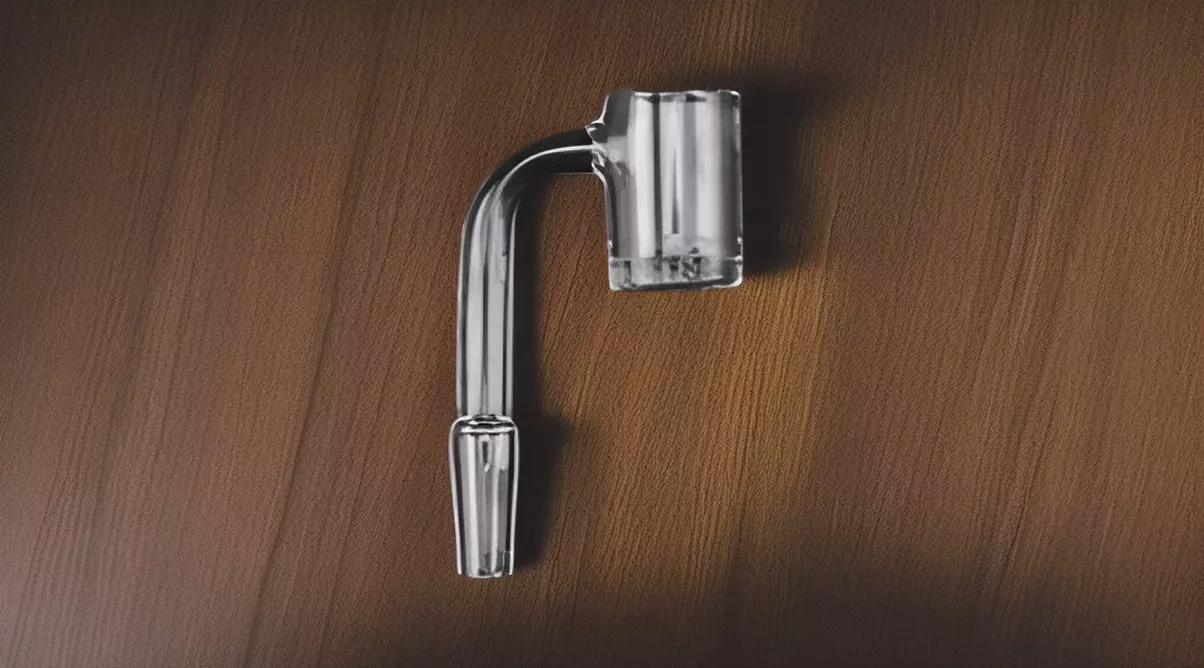
A banger is a bucket-shaped nail designed to vaporize cannabis concentrates such as wax, shatter, budder, and live resin. Unlike older dome nails that sat atop a rig, a banger features an open dish with a tall neck that connects to the joint of a water pipe or dedicated dab rig. The shape is intentional: the deep well holds the concentrate while heat radiates evenly from the walls, turning a sticky dab into a smooth, flavorful vapor.
The rise of the banger tracks closely with the broader popularity of dabbing over the past decade. As extraction techniques improved and concentrates became more refined, consumers wanted a heating surface that preserved terpenes and delivered cleaner hits. The banger answered that demand by replacing fragile, awkward dome setups with a simple, durable bucket that anyone could load and heat.
Today the banger is the de facto standard for concentrate consumption. Walk into any dispensary or head shop and you will find dozens of variations, from basic quartz buckets to elaborate thermal designs. Understanding what a banger is and how it differs from other nails is the foundation for getting the most out of your concentrates.
How Does a Banger Work?
A banger works on a deceptively simple principle: apply heat to the dish, then drop a small amount of concentrate inside to flash-vaporize it. The vapor travels up through the neck of the banger, down into the rig, and through water that cools and filters it before it reaches your lungs. The water performs the same job it does for flower, smoothing out what would otherwise be a harsh, hot inhale.
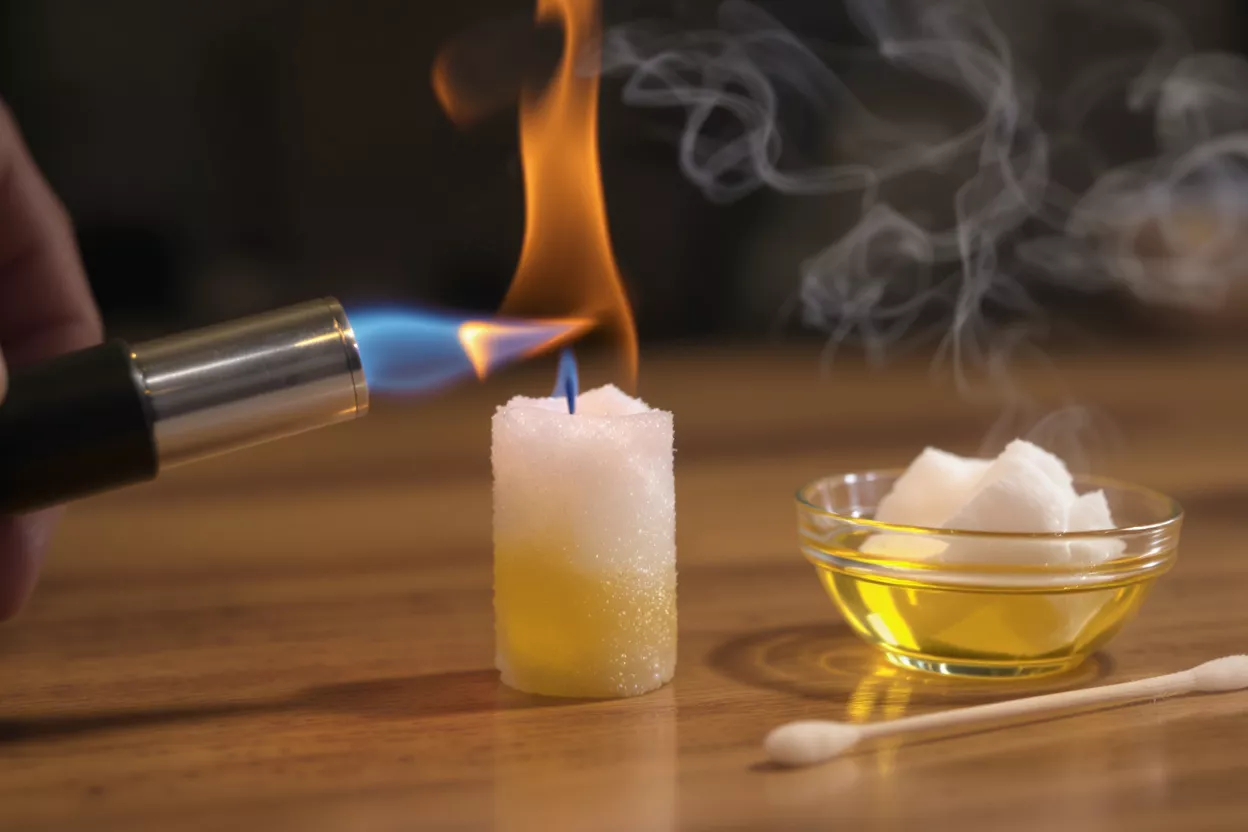
The heating process: Traditionally, you heat the banger with a butane or propane torch until the quartz glows, then let it cool for a window of time before dabbing. This cool-down step is critical because concentrates vaporize best below the temperature at which they combust. Too hot and you scorch the oil, losing flavor and producing acrid smoke; too cool and the concentrate pools without fully vaporizing.
Electronic alternatives: E-nails have changed the game by replacing the torch with a coil and digital controller. You set a precise temperature, the coil holds it indefinitely, and you skip the guesswork of timing a cool-down. For anyone who dabs frequently, an e-nail removes the most error-prone part of the process and delivers consistent results session after session.
Types of Banger Nails Explained
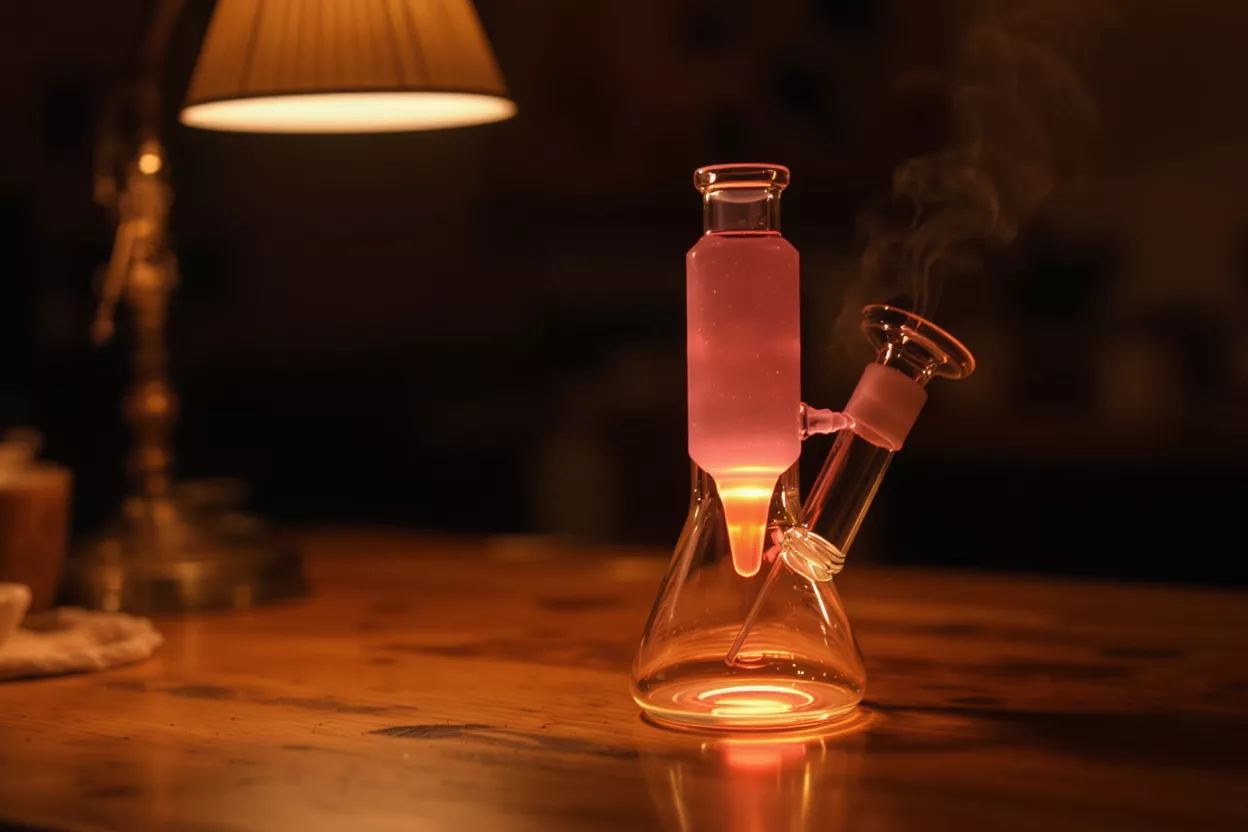
Not all bangers are built the same, and the design you choose has a real impact on flavor, efficiency, and ease of use. The category has expanded well beyond the original flat-bottom bucket as makers chase better heat retention and smoother low-temperature dabs.
Below are the most common banger styles you will encounter, each suited to a slightly different dabbing approach:
- 🪣 Standard bucket banger: The classic flat or round-bottom dish. Affordable, versatile, and the easiest entry point for new dabbers.
- 🌡️ Thermal banger: A double-walled design that traps heat in an air gap, holding temperature longer and preventing puddling on the bottom.
- 🔄 Terp slurper: Features slots and channels that pull concentrate across the heated surface, maximizing vaporization and flavor.
- 📐 Flat-top banger: A wide, level rim built specifically to pair with a carb cap for even, low-temp dabs.
- ⬜ Blender banger: Combines a spinning component with slots to agitate concentrate for complete vaporization.
The right pick depends on how you like to dab. Casual users are well served by a standard or flat-top bucket, while flavor chasers gravitate toward terp slurpers and thermal designs that squeeze every drop of terpene out of a dab.
Best Banger Materials for Flavor and Durability
The material a banger is made from shapes nearly every part of the dabbing experience: how the vapor tastes, how long the nail lasts, and how it handles thermal stress. Quartz dominates the market, but it is far from the only option.
Quartz: The most popular choice by a wide margin. Quartz heats quickly, preserves terpene flavor exceptionally well, and is relatively inexpensive. Its main drawback is that it loses heat faster than denser materials, which is precisely why thermal and double-walled quartz designs exist.
Ceramic: Ceramic bangers retain heat longer than quartz and many users find they deliver a slightly fuller flavor. The tradeoff is slower heat-up time and greater fragility under sudden temperature swings, so they reward patience over speed.
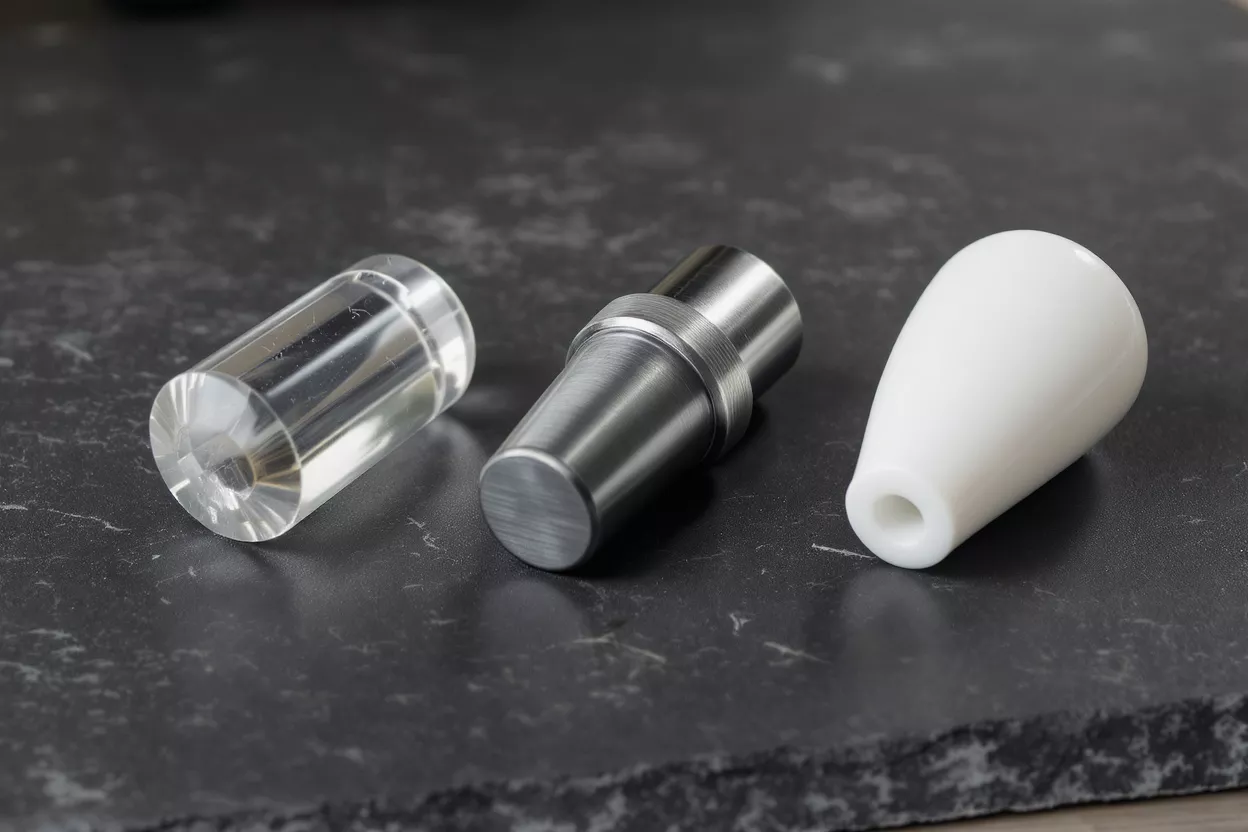
Titanium and other materials each carve out a niche. Titanium is virtually indestructible and holds heat well, though purists argue it can impart a faint metallic note if not properly seasoned. The material you settle on is ultimately a balance between flavor priority, durability, and how forgiving you want your nail to be.
Quartz Banger vs Titanium Nail
The quartz-versus-titanium debate is one of the oldest in dabbing culture, and both materials have devoted followings. Choosing between them comes down to what you value most at the dish.
Why people choose quartz: Flavor is the headline. Quartz is inert and imparts no taste of its own, letting the natural terpene profile of your concentrate come through clean. It also heats fast, so you spend less time torching. The downside is durability; quartz can crack from thermal shock or a careless drop.
Why people choose titanium: Durability and heat retention win the day. A titanium nail can survive abuse that would shatter quartz, and it holds temperature long enough for several dabs off a single heat-up. Properly seasoned titanium tastes clean, but the seasoning step is non-negotiable if you want to avoid any metallic edge.
Here is a quick side-by-side to help you decide:
- 👅 Flavor: Quartz wins for purity; titanium is close when seasoned correctly.
- 🛡️ Durability: Titanium is nearly unbreakable; quartz can crack or chip.
- ⚡ Heat-up speed: Quartz heats faster; titanium takes longer but holds longer.
- 💲 Cost: Quartz is cheaper to replace; titanium costs more upfront but lasts.
- 🔧 Maintenance: Quartz needs gentle handling; titanium needs initial seasoning.
How to Season a New Quartz Banger
Seasoning a new banger is a small ritual that pays off in cleaner flavor and a longer-lasting nail. Fresh quartz often carries trace residues and micro-oils from manufacturing, and seasoning burns them off while conditioning the surface for daily use.
The process is straightforward. Heat the empty banger with your torch until it glows red, then let it cool completely. Repeat this several times to drive off any contaminants. Some dabbers follow up by coating the dish with a thin layer of concentrate, letting it carbonize, and then cleaning it out, which helps establish a smooth, non-stick surface.
Titanium nails require a more deliberate seasoning to neutralize the metallic taste new metal can produce. The principle is the same: repeated heat cycles, often paired with a sacrificial dab or two, until the surface is conditioned. Skipping this step is the single most common reason newcomers complain that their titanium nail tastes off.
What Is the Ideal Banger Dabbing Temperature?
Temperature is the most important variable in dabbing, and the banger is where it all plays out. Get it right and you unlock a concentrate's full flavor; get it wrong and you either scorch the oil or leave it half-vaporized in the dish.
Low-temperature dabbing: Generally falling between 450°F and 600°F, low-temp dabs prioritize flavor and a smooth inhale. At these temperatures the terpenes vaporize without burning, producing a tasty, aromatic hit that is far easier on the throat. Most flavor-focused dabbers live in this range and pair it with a carb cap to restrict airflow and pull vapor across the dish.
High-temperature dabbing: Above roughly 600°F to 750°F, dabs produce thicker visible vapor and bigger clouds at the cost of flavor and smoothness. High-temp hits can taste harsh and waste cannabinoids to combustion, so they have fallen out of favor among connoisseurs even as they remain popular for sheer intensity.
Finding your personal sweet spot takes a little experimentation, but a temperature reader or e-nail removes most of the guesswork. The general consensus is that the low-temp window delivers the best balance of flavor, potency, and comfort.
How to Clean a Banger Properly
A clean banger is a better-tasting banger. Residue from previous dabs, called reclaim, builds up in the dish and quickly muddies the flavor of fresh concentrate while making the nail harder to heat evenly.
The cotton swab method: The simplest routine is to swab the dish with a cotton applicator while the banger is still warm but not scorching, right after your dab. The leftover oil wipes away easily before it has a chance to harden, keeping the surface near-pristine with almost no effort.
Deep cleaning with isopropyl: For built-up reclaim that swabbing won't lift, soak the banger in isopropyl alcohol, often with a pinch of salt as a gentle abrasive. After soaking, the residue loosens and rinses away. Always rinse thoroughly with clean water and let the banger dry fully before heating it again.
Consistent light cleaning beats occasional deep cleaning every time. A quick swab after each session keeps your banger performing like new and spares you the harsher chemical soaks that, over many cycles, can wear down the quartz.
Essential Banger Accessories for Better Dabs
The banger itself is only part of the setup. A handful of accessories elevate the experience from functional to dialed-in, giving you more control over temperature, airflow, and efficiency.
These tools round out a well-equipped dab station:
- 🧢 Carb cap: Restricts airflow over the dish to lower the effective dabbing temperature and vaporize concentrate more completely.
- 🍡 Dab tool: A metal or glass pick for handling sticky concentrate and loading precise amounts into the dish.
- 💎 Terp pearls: Small spinning beads that distribute heat and concentrate evenly across the banger floor.
- 🌡️ Infrared thermometer: Reads the dish temperature so you can dab at a consistent, repeatable heat.
- ⏲️ Timer or e-nail: Removes guesswork from the heat-and-cool cycle for reliable results.
You don't need every accessory at once, but a carb cap and a quality dab tool are close to essential. Adding terp pearls and a temperature reader afterward will noticeably sharpen your low-temp dabs and stretch each gram of concentrate further.
Are Bangers Worth It for Concentrate Lovers?
For anyone serious about concentrates, a banger is unquestionably worth it. It is the most flavorful, efficient, and widely supported way to consume cannabis concentrate, and the sheer variety of designs means there is a banger suited to every style and budget.
The learning curve is real but short. Once you understand the relationship between temperature, airflow, and flavor, dabbing from a banger becomes second nature. Pairing the right material with a carb cap and a sensible low-temp approach is the formula that turns a good concentrate into a great experience at the dish.
Whether you opt for a budget quartz bucket or a high-end thermal design with terp pearls, the banger remains the cornerstone of modern concentrate culture. Invest a little in the right setup, keep it clean, and dial in your temperature, and you will get the absolute best out of every dab you take.
Comments