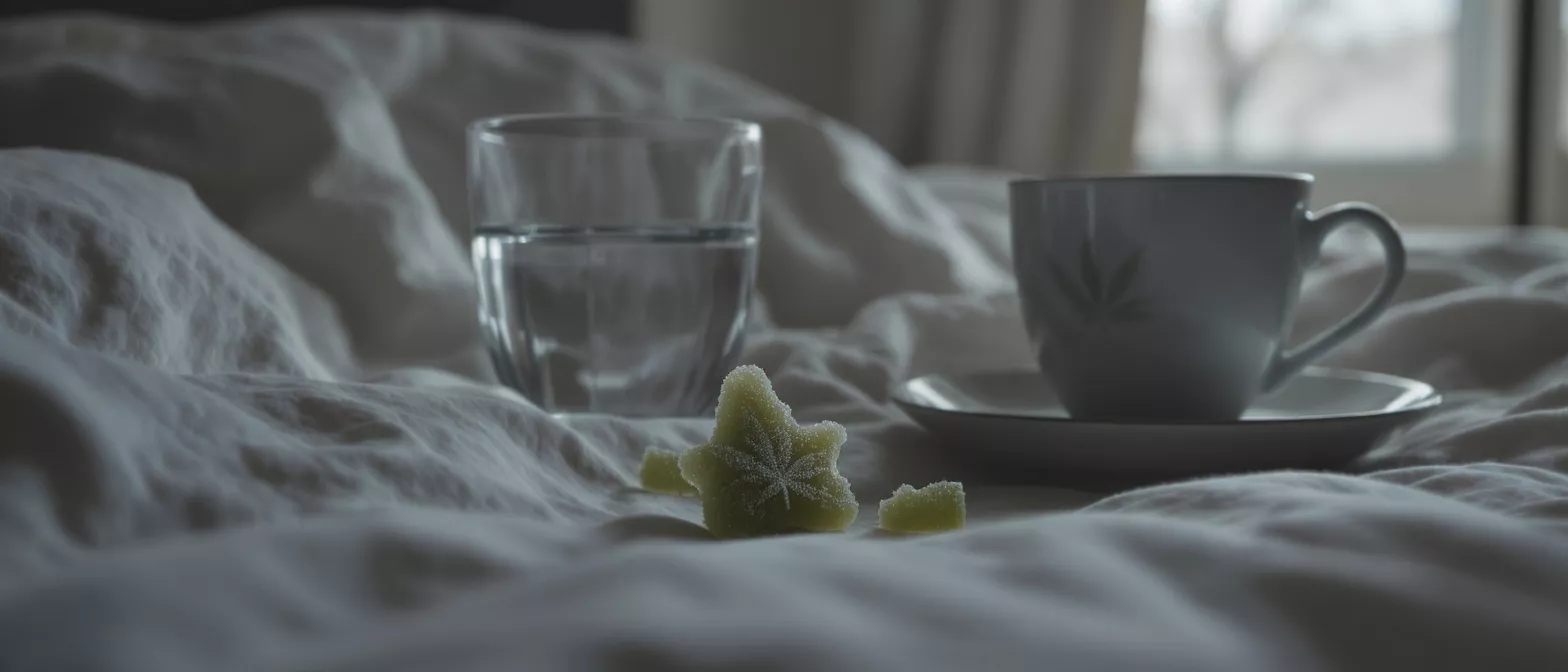
Edible hangover
Suffering an edible hangover?
What Is an Edible Hangover?
An edible hangover is the groggy, foggy, sometimes nauseous feeling that lingers the morning after you consume cannabis edibles. If you have ever woken up after a strong gummy or brownie feeling like your brain is wrapped in cotton wool, you have experienced it firsthand. Unlike the sharp peak of being high, an edible hangover is the slow tail end of the experience, the residue your body works through long after the fun has worn off.
The phenomenon is real, though it remains under-researched compared to the alcohol equivalent. Anecdotal reports from dispensary customers and online forums consistently describe a next-day heaviness that ranges from mild to genuinely disruptive. The good news is that an edible hangover is rarely dangerous, and understanding why it happens is the first step toward avoiding it entirely.
Edibles behave very differently from smoking or vaping. When you eat THC, your liver metabolizes it into 11-hydroxy-THC, a compound that is significantly more potent and longer-lasting than the Delta-9 THC you inhale. This metabolic detour is the central reason edibles hit harder, last longer, and leave a heavier morning-after footprint than a quick session with a vape pen or a joint.
What Causes an Edible Hangover
The 11-hydroxy-THC conversion: When THC passes through your digestive system and liver, it is transformed into 11-hydroxy-THC. This metabolite crosses the blood-brain barrier more efficiently than inhaled Delta-9 THC, producing a more intense and prolonged effect. Because your body is still processing this compound while you sleep, you can wake up with measurable amounts still circulating, which explains the morning grogginess.
Dehydration and dry mouth: Cannabis interferes with the body's saliva production and can contribute to mild dehydration, much like alcohol does. People who consume a strong edible often forget to drink water throughout the experience, compounding the problem. Researchers at Analytical Cannabis have noted that hydration plays an outsized role in how rough the next day feels.
Dose and tolerance mismatch: The single biggest driver of an edible hangover is taking more than your body is accustomed to. An experienced consumer might breeze through a 50mg dose, while a newcomer who eats half a high-potency brownie could be flattened for an entire morning. Knowing your own threshold, and respecting it, prevents the vast majority of bad mornings. Keeping a stash of low-dose microdose gummies on hand makes it far easier to stay within a comfortable range.

Edible Hangover Symptoms to Watch For
The symptoms of an edible hangover overlap with several everyday ailments, which is partly why people sometimes fail to connect the dots. The hallmark sign is mental fog, a sluggishness that makes concentration feel like wading through wet sand. Many people also report a lingering tiredness even after a full night's sleep, as if the rest did not fully count.
Physical symptoms can accompany the mental ones. Mild nausea, headaches, dry eyes, and a general sense of being "off" are all commonly reported. Some people feel a residual heaviness in the limbs, while others notice their appetite is either suppressed or, conversely, ravenous. None of these are typically severe, but stacked together they can make for an unproductive morning.
- 🌫️ Brain fog: difficulty concentrating, slow recall, and a general mental haze that coffee only partly cuts through.
- 😴 Lingering fatigue: feeling tired despite adequate sleep, sometimes lasting into the early afternoon.
- 🤢 Mild nausea: an unsettled stomach, occasionally paired with a dull headache.
- 💧 Dry mouth and eyes: the classic cottonmouth that overstays its welcome into the next day.
- 🍽️ Appetite swings: either no interest in food or a stubborn case of next-morning munchies.
How Long Does an Edible Hangover Last
For most people, an edible hangover clears within the first half of the day. A typical timeline runs from the moment you wake until late morning or early afternoon, with symptoms fading steadily as your body finishes metabolizing the remaining cannabinoids. Hydration, food, and light activity all accelerate the recovery.
Why some hangovers linger longer: Several factors stretch the timeline. A very high dose, slow metabolism, poor sleep, or combining edibles with alcohol can all push the foggy feeling well into the afternoon. Body composition matters too, since THC metabolites are fat-soluble and can release back into the bloodstream over time. People who consume potent products like THC diamonds or concentrate-infused edibles tend to report longer recovery windows.
If your symptoms persist beyond a full day, the cause is more likely poor sleep, dehydration, or something unrelated to the edible itself. A genuine cannabis hangover is self-limiting and should never require medical intervention. According to reporting from Analytical Cannabis, the body clears the bulk of active metabolites within 24 hours for occasional users.
Edible Hangover vs Alcohol Hangover
People naturally compare the two, and the differences are instructive. An alcohol hangover is driven largely by dehydration, toxic acetaldehyde buildup, and inflammation, producing pounding headaches, severe nausea, and that unmistakable shaky misery. An edible hangover is generally far gentler, leaning toward grogginess and fog rather than acute physical distress.
The recovery curve also differs. Alcohol hangovers often peak several hours after waking, while edible hangovers tend to be at their worst right when you get up, then improve steadily. Many people find the cannabis version more tolerable overall, though the mental cloudiness can be more disruptive to focused work.
- 🍷 Alcohol hangover: dehydration, headache, nausea, sensitivity to light and sound, often worse mid-morning.
- 🌿 Edible hangover: brain fog, fatigue, mild nausea, dry mouth, usually worst upon waking and fading by noon.
- ⏱️ Duration: alcohol can last a full day or longer; edible hangovers typically resolve within a morning.
- 💊 Severity: alcohol hangovers tend to be more physically punishing; edible hangovers are more mentally clouding.
Who Is Most Likely to Get an Edible Hangover
Not everyone wakes up foggy after an edible, and individual variation is enormous. The people most prone to an edible hangover are beginners, infrequent consumers, and anyone who accidentally takes more than they intended. Because edibles take 30 to 90 minutes to kick in, novices often eat a second dose too soon, doubling up before the first has landed.
Tolerance and frequency: Regular consumers develop a tolerance that softens both the high and the morning-after effects. Someone who visits a dispensary weekly and microdoses consistently rarely reports significant hangovers, while a once-a-year holiday user might be flattened by the same dose. Your endocannabinoid system adapts with repeated exposure.
Genetics and metabolism: How quickly your liver enzymes process THC into 11-hydroxy-THC is partly genetic. Some people are fast metabolizers who clear cannabinoids efficiently, while others hold onto them far longer. Body fat percentage, hydration habits, sleep quality, and even what you ate beforehand all tilt the odds. A reliable batch of precisely dosed THC gummies removes much of the guesswork that trips up new consumers.
How to Prevent an Edible Hangover
Prevention is far easier than cure, and nearly every edible hangover is avoidable with a little planning. The golden rule is to start low and go slow. Begin with a modest dose, wait a full two hours before considering more, and resist the temptation to redose just because nothing has happened yet. Patience is the single most effective preventive measure.
Hydration and timing: Drink water before, during, and after your session, and try not to consume edibles too late at night. Giving your body several waking hours to begin metabolizing the THC before you sleep can dramatically reduce next-morning fog. Avoid stacking edibles on top of alcohol, which compounds dehydration and intensifies the hangover.
Choosing quality products matters too. A reputable dispensary or distributor will sell accurately lab-tested edibles with consistent dosing, so you actually know how much you are taking. Vague homemade dope brownies of unknown strength are a recipe for an overshoot. When in doubt, a pack of accurately lab-tested edibles gives you the dosing precision that prevents bad mornings.
- 🥄 Start low: 2.5 to 5mg is plenty for a first-timer; you can always take more next time.
- ⏳ Wait it out: give the edible a full 90 to 120 minutes before deciding whether to redose.
- 💧 Hydrate: keep water nearby and sip throughout the experience.
- 🚫 Skip the alcohol: mixing the two reliably worsens the next day.
- 🕗 Mind the clock: consume earlier in the evening so your body can process before sleep.
How to Cure an Edible Hangover Fast
If prevention failed and you have woken up groggy, the path back to clarity is straightforward. Hydration is your first move, ideally with water containing electrolytes to replace what cannabis-related dry mouth depleted. Follow that with a balanced breakfast, since stabilizing your blood sugar combats the fog and nausea more effectively than caffeine alone.
Movement and fresh air: Light exercise, even a brisk walk, increases circulation and helps your body clear lingering metabolites faster. Fresh air and natural light reset your system and shake off the heaviness. A cold shower can provide an immediate jolt of alertness when you need to function quickly.
Caffeine and CBD: A moderate cup of coffee or tea can lift the mental fog, though too much may worsen any residual anxiety. Some people swear by a small amount of CBD to take the edge off lingering effects, as it may modestly counterbalance the residual THC. Whatever you choose, rest and patience remain undefeated, since the hangover is self-limiting and fades on its own.
- 💦 Rehydrate: water plus electrolytes first thing in the morning.
- 🍳 Eat well: a protein-rich breakfast stabilizes blood sugar and energy.
- 🚶 Move: light exercise and fresh air speed up metabolite clearance.
- ☕ Caffeine in moderation: enough to lift the fog, not so much it adds jitters.
Are Edible Hangovers Dangerous?
For the overwhelming majority of people, an edible hangover is uncomfortable but entirely harmless. There is no known lethal dose of THC, and the morning-after effects, while unpleasant, do not cause lasting damage. The fog, fatigue, and mild nausea all resolve on their own as your body finishes its work.
That said, there are situations that warrant caution. Driving or operating machinery while still impaired is genuinely dangerous, and residual effects can linger longer than people expect. If you wake up still feeling noticeably high rather than merely groggy, give yourself ample time before getting behind the wheel. Impairment, not the hangover itself, is the real risk.
People with underlying cardiovascular conditions, those on certain medications, and anyone prone to severe anxiety should approach edibles thoughtfully and ideally consult a healthcare provider. Reporting from Analytical Cannabis emphasizes that responsible dosing and product transparency are the best safeguards against unpleasant outcomes. For the typical healthy adult, however, the worst-case scenario is a foggy morning and a lesson learned.
Edible Hangover Dosing Guide for Beginners
Dosing is where the edible hangover is won or lost, and getting it right transforms the experience. Edible potency is measured in milligrams of THC, and the difference between a pleasant evening and a rough morning often comes down to a handful of milligrams. The standard advice is to begin conservatively and build your tolerance gradually over multiple sessions.
Reading the label: Always check whether the milligram figure refers to the entire package or a single serving. A common mistake is eating a whole 100mg chocolate bar thinking it is one dose, when it is actually ten. Accurate labeling from a trustworthy distributor is precisely why lab-tested products are worth seeking out over an unmarked elixir or homemade treat of mystery strength.
Below is a rough guideline to help you find your footing. Remember that body weight, metabolism, and tolerance all shift these numbers, so treat them as a starting point rather than gospel. When in doubt, take less and wait longer.
- 🌱 1 to 2.5mg: microdose territory, ideal for absolute beginners seeking subtle, functional effects.
- 🙂 2.5 to 5mg: a comfortable first real dose for most newcomers, mild and manageable.
- 😌 5 to 15mg: standard recreational range for those with some tolerance.
- 😵 15 to 30mg: strong territory; the hangover risk climbs sharply for the inexperienced.
- 🚀 30mg and up: reserved for high-tolerance consumers and the most likely to produce a next-day hangover.
An edible hangover is one of cannabis's most avoidable downsides. By respecting the unique way your body processes edibles, starting with a low dose, staying hydrated, and choosing accurately labeled products, you can enjoy the long, gentle experience that edibles offer without paying for it the next morning. Treat the dose with respect, give your body time, and the foggy mornings become a thing of the past.