pain stick cbd
Discover how pain stick CBD works on skin, key ingredients, and daily use tips.
What Is a Pain Stick CBD?
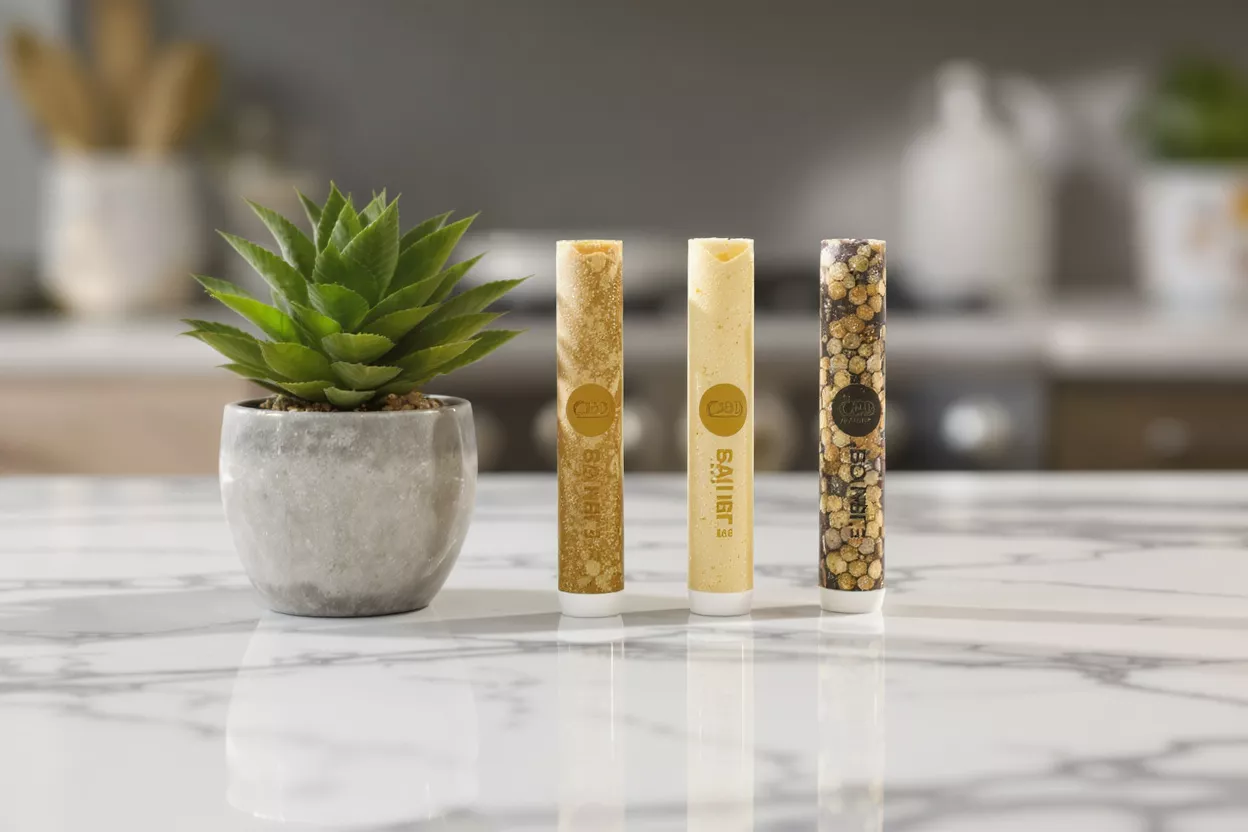
A pain stick CBD is a solid topical applicator that delivers cannabidiol and supporting botanicals directly to a localized area of discomfort. Shaped like an oversized deodorant or balm tube, it lets you glide a concentrated layer of CBD over a sore knee, a tight shoulder, or an aching lower back without ever getting the product on your hands. The format has surged in popularity because it pairs the targeted relief of a topical with the mess-free convenience of a roll-on.
Unlike a tincture you place under your tongue, a pain stick CBD never enters your bloodstream in meaningful amounts. Instead, the cannabinoids interact with receptors in the skin and the tissue just beneath it. That makes the stick a tool for surface-level, regional comfort rather than a systemic supplement, which is precisely why athletes, gardeners, and desk workers keep one in a bag or drawer.
The growing market reflects broader interest in topical cannabinoid science. Research summarized by ScienceDirect has explored how cannabinoids interact with peripheral receptors in the skin, helping explain why a well-formulated stick can feel soothing on contact. If you want a no-fuss option for daily aches, a targeted CBD muscle stick is one of the easiest formats to keep on hand.
How Pain Stick CBD Works on the Skin
The endocannabinoid system in your skin: Your skin is rich with cannabinoid receptors, part of a wider signaling network that helps regulate inflammation, sensation, and barrier health. When you apply a pain stick CBD, the cannabidiol engages these local receptors rather than traveling deep into the body. This is why topicals are prized for spot treatment — the action stays roughly where you put it.
Why carrier ingredients matter: CBD is fat-soluble, so it needs lipids and penetration enhancers to move past the outermost layer of skin. Quality sticks lean on waxes, plant butters, and oils that soften the surface and help the active compounds settle into the tissue. Convection-style warmth from rubbing the stick over the area can also open pores slightly and improve the spread of the balm.
Many formulas add cooling or warming agents that act on temperature-sensitive nerve channels, creating an immediate sensation of relief while the cannabinoids do their slower work. That dual action is part of why people reach for a stick the moment a muscle tightens up rather than waiting for an oral dose to circulate.
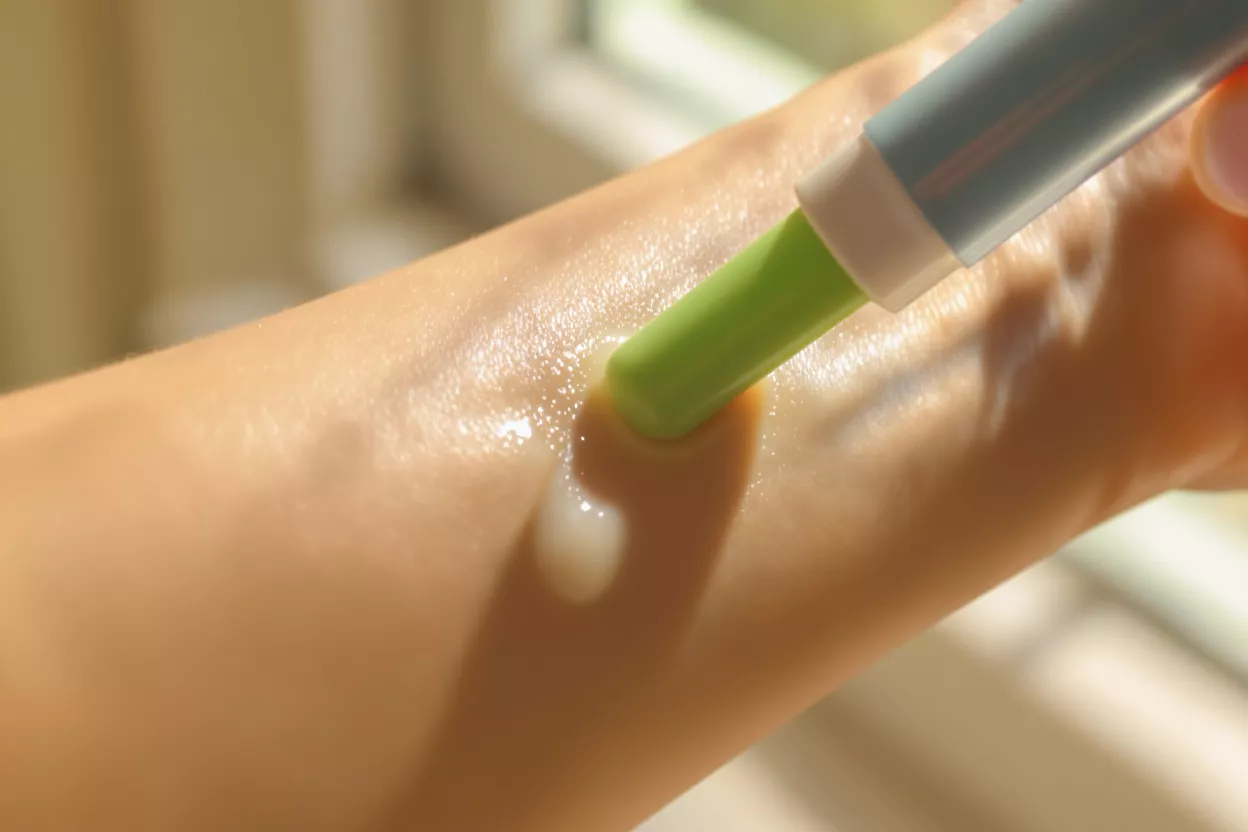
What Ingredients Are in a CBD Pain Stick?
The cannabinoid base: The heart of any pain stick is its CBD source, often derived through clean CO2 extraction. CO2 oil produced this way is prized because the process uses pressurized carbon dioxide instead of harsh solvents, leaving behind a purer concentrate. Some brands use a full-spectrum concentrate slurry that retains supporting cannabinoids and terpenes, while others opt for broad-spectrum or isolate to keep THC out entirely.
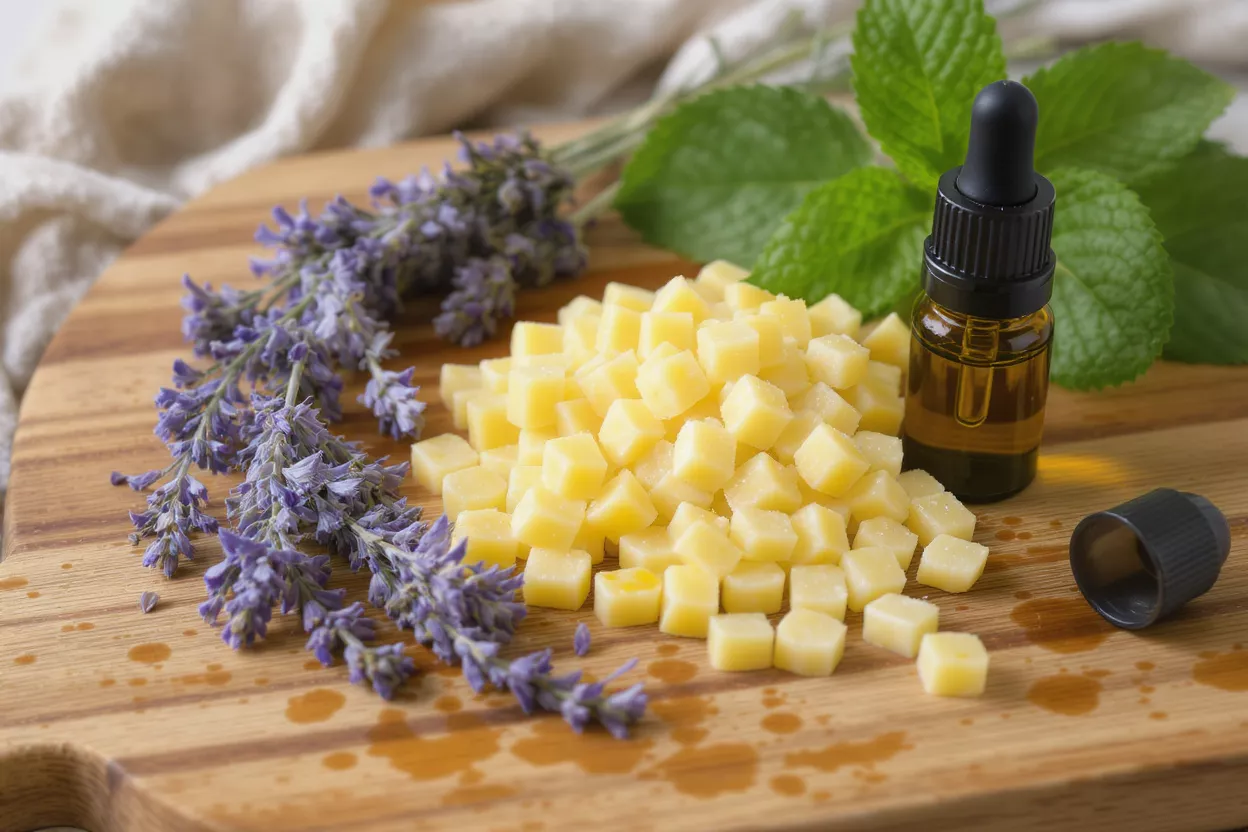
Botanical and terpene boosters: Beyond CBD, the best sticks layer in aromatic compounds that contribute their own soothing reputations. You might see citronellol, a floral terpene with calming associations, or cymene and curcumin, the latter drawn from turmeric and long studied for comfort. Menthol and camphor supply that signature cooling bite, while arnica is a perennial favorite in muscle formulas.
The waxes and butters round out the stick's body. Beeswax or candelilla wax gives the product its solid, glide-friendly form, and shea or cocoa butter keeps the skin conditioned. A few formulas borrow from adaptogenic traditions, adding extracts like cordyceps for an extra wellness angle. Reviewing the full ingredient panel matters, especially if you have sensitive skin.
- 🌿 CBD source: Full-spectrum, broad-spectrum, or isolate — each handles the THC question differently.
- ❄️ Cooling agents: Menthol and camphor create instant sensation while CBD works underneath.
- 🌼 Botanicals: Arnica, citronellol, and curcumin lend traditional comfort reputations.
- 🐝 Base waxes: Beeswax and plant butters shape the glide and condition the skin.
Benefits of Pain Stick CBD for Sore Muscles
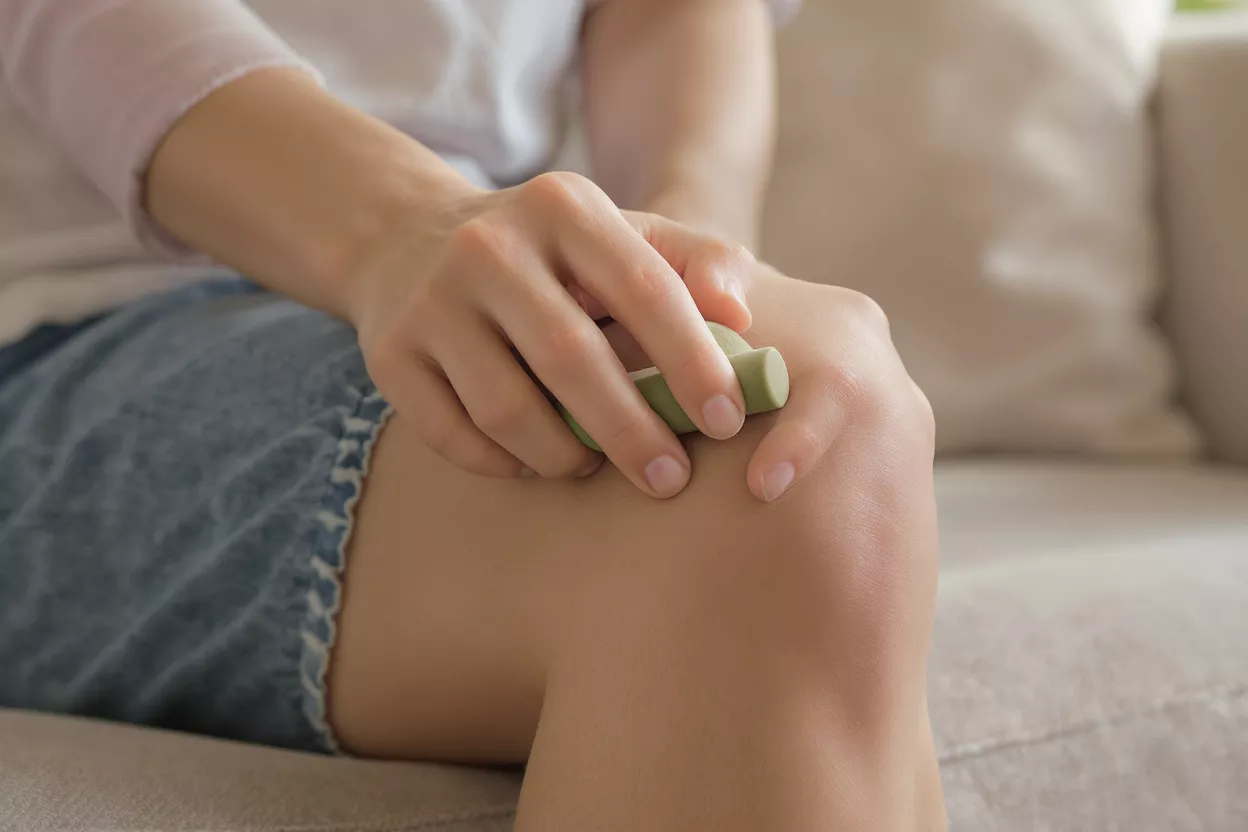
Targeted, localized relief: The single biggest advantage of a pain stick CBD is precision. You apply it exactly where it hurts, concentrating the active compounds at the source rather than dosing your whole system. For a runner with a tight calf or a writer with a stiff wrist, that focus means you can address one area without affecting alertness or energy elsewhere.
Clean, mess-free application: Because the stick stays solid until it touches warm skin, you avoid greasy palms and the awkward hand-washing that comes with creams. This makes it ideal for use at the gym, in the office, or mid-hike. A portable CBD recovery stick slides into a bag and deploys in seconds, which is part of why post-workout routines have embraced the format.
Topical CBD also sidesteps the digestive system entirely, so onset is driven by the skin rather than metabolism. Reviews of cannabinoid pharmacology indexed by ScienceDirect note that topical delivery keeps systemic absorption low, which appeals to anyone who wants comfort without a whole-body effect. The result is a tool you can use repeatedly through the day as needed.
How to Use a Pain Stick CBD Correctly
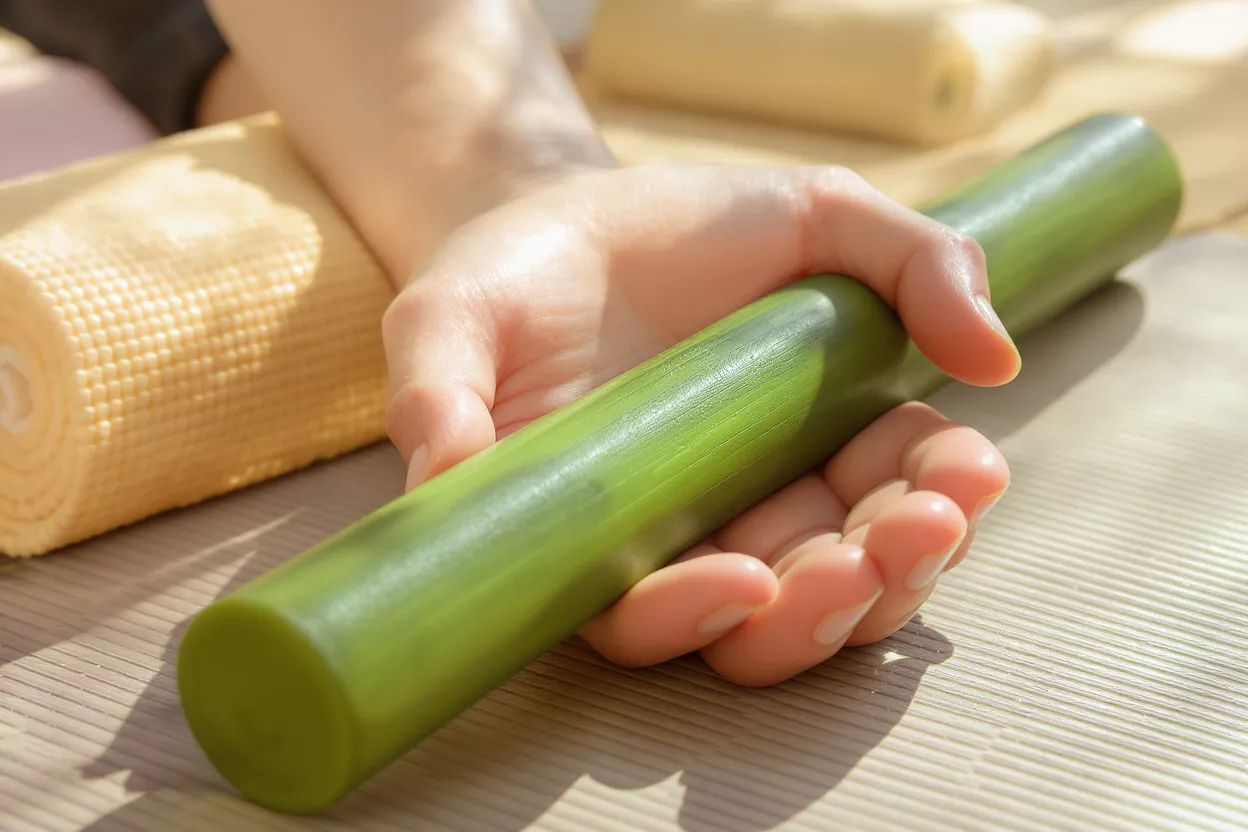
Prep the area first: Clean, dry skin absorbs topicals best, so wipe away sweat or lotion before you start. Twist the base of the stick to expose a small amount of product — you rarely need more than a thin, even layer. Glide it directly over the sore region in slow, overlapping passes so the balm warms and begins to melt into the surface.
Massage to boost absorption: After applying, work the product in with your fingertips or the heel of your hand. Gentle massage increases local circulation and helps the cannabinoids and terpenes settle in. Give the area a minute or two to absorb before covering it with clothing, and wash your hands if any product transferred to your fingers.
Consistency tends to matter more than a single heavy application. Many people get the best results by reapplying every few hours during flare-ups rather than loading on a thick coat once. Start light, observe how your skin and the targeted muscle respond, and adjust frequency from there.
- 🧼 Clean: Wipe the area dry to remove sweat, oil, or other lotions.
- 🔄 Expose: Twist up just enough product for a thin layer.
- ✋ Apply: Glide over the sore spot in overlapping passes.
- 💆 Massage: Rub in gently to boost local circulation and absorption.
- ⏱️ Wait: Give it a couple minutes before dressing the area.
Pain Stick CBD vs Creams and Balms
Format convenience: The core difference between a stick and a cream is the delivery mechanism. Creams and lotions require you to dispense product into your hand and rub it in, which works fine at home but gets messy on the go. A stick keeps your hands clean and gives you a controlled, consistent layer every time — a meaningful edge when you are courtside or trailside.
Concentration and feel: Sticks tend to use a firmer wax base, so they deposit a slightly heavier, longer-lasting film than a thin lotion. Balms sit somewhere in between, sharing the wax-forward body of a stick but packaged in a tin you apply with fingers. Each format can carry the same CBD potency; the choice comes down to how you prefer to apply and how much residue you tolerate.
None of these formats is inherently superior — they serve different moments. A lotion might suit a full-leg massage after a long run, while a stick wins for quick, targeted touch-ups. Keeping a broad-spectrum CBD topical balm alongside a stick gives you coverage for both broad and pinpoint needs.
How to Choose the Best Pain Stick CBD
Check the certificate of analysis: Reputable brands publish third-party lab results confirming CBD content and screening for contaminants. A current certificate of analysis tells you the milligram potency is accurate and that the product is free of heavy metals, pesticides, and residual solvents. If a brand won't share this paperwork, treat that as a reason to walk away.
Match potency to your needs: Pain sticks range widely in strength, often listed as total milligrams of CBD per stick. Higher totals deliver more cannabinoid per pass, which can matter for stubborn, deep soreness. If you are new to topicals, a moderate potency lets you gauge tolerance and skin response before scaling up.
Finally, scrutinize the supporting ingredients. Look for recognizable botanicals, skin-conditioning butters, and cooling agents, and avoid unnecessary synthetic dyes or fragrances if your skin reacts easily. The way the source hemp was grown and cured during cultivation also influences quality, so brands that are transparent about sourcing earn extra trust.
Is Pain Stick CBD Safe to Use Daily?
A favorable topical profile: For most people, topical CBD is well tolerated and carries a low risk of side effects because so little enters the bloodstream. The pharmacology literature collected by ScienceDirect consistently describes CBD as having a reassuring safety profile, with topical use rarely producing the systemic effects associated with oral cannabinoids. Daily application is generally fine for ongoing aches.
Watch for skin sensitivity: The most common issues come not from CBD itself but from supporting ingredients. Menthol, camphor, fragrances, or certain botanicals can irritate sensitive skin. A simple patch test on your inner forearm, left for a day, helps you confirm the formula agrees with you before you apply it to a larger area.
Avoid applying a pain stick to broken skin, open wounds, or rashes, and keep it away from your eyes and mucous membranes. If you are pregnant, nursing, or managing a medical condition, a quick conversation with your healthcare provider is the responsible first step. Used sensibly, a stick fits comfortably into a daily comfort routine.
Pain Stick CBD Dosing and Application Guide
Reading the milligram label: Topical dosing is less precise than oral dosing because absorption varies by skin type, application area, and formula. Most labels list total CBD milligrams per stick rather than per swipe, so think in terms of coverage. A few firm passes over a knee delivers a workable dose; you do not need to chase an exact number the way you would with a tincture.
Start low and build: Begin with a thin layer over the target area and note how it feels over the next half hour. If the relief is mild, add another pass or reapply after a couple of hours. Because so little CBD reaches your bloodstream, there is wide latitude to adjust, but starting conservatively helps you learn what your body needs.
Timing matters too. Applying before activity can prime a problem joint, while applying after exertion supports recovery when muscles are warm and receptive. Many users keep a stick by their desk and another in their gym bag, treating it as an as-needed tool rather than a scheduled dose.
- 🎯 Per-area dosing: Think in coverage and passes, not exact milligrams per swipe.
- 📈 Build gradually: Start with a thin layer, then add passes as needed.
- ⏰ Smart timing: Apply before activity to prime, or after to aid recovery.
- 🔁 Reapply freely: Low systemic absorption means flexible, repeat use.
Common Questions About Pain Stick CBD
Will a pain stick make me feel high? No. A properly formulated CBD pain stick contains negligible THC, and topicals are not designed to enter the bloodstream in amounts that would produce intoxication. You feel the cooling sensation and localized comfort, not the couch lock or crossfade effects associated with high-THC products. There is no crutch needed and nothing to smoke — this is purely a surface application.
How long does relief last? Most people notice the cooling sensation within minutes, with the supporting comfort lasting a few hours before reapplication makes sense. Duration depends on the formula, the dose, and how quickly your skin absorbs the actives. Keeping the stick handy for touch-ups throughout the day is the simplest way to maintain steady comfort.
To sum up, a pain stick CBD offers a clean, targeted, and convenient way to bring cannabidiol exactly where you need it. From the CO2-extracted concentrate at its core to the botanical boosters and conditioning butters, a well-built stick combines comfort and convenience in a pocket-friendly format. Check the lab results, start with a thin layer, and let the format do what it does best: deliver localized relief, mess-free, whenever an ache flares up.