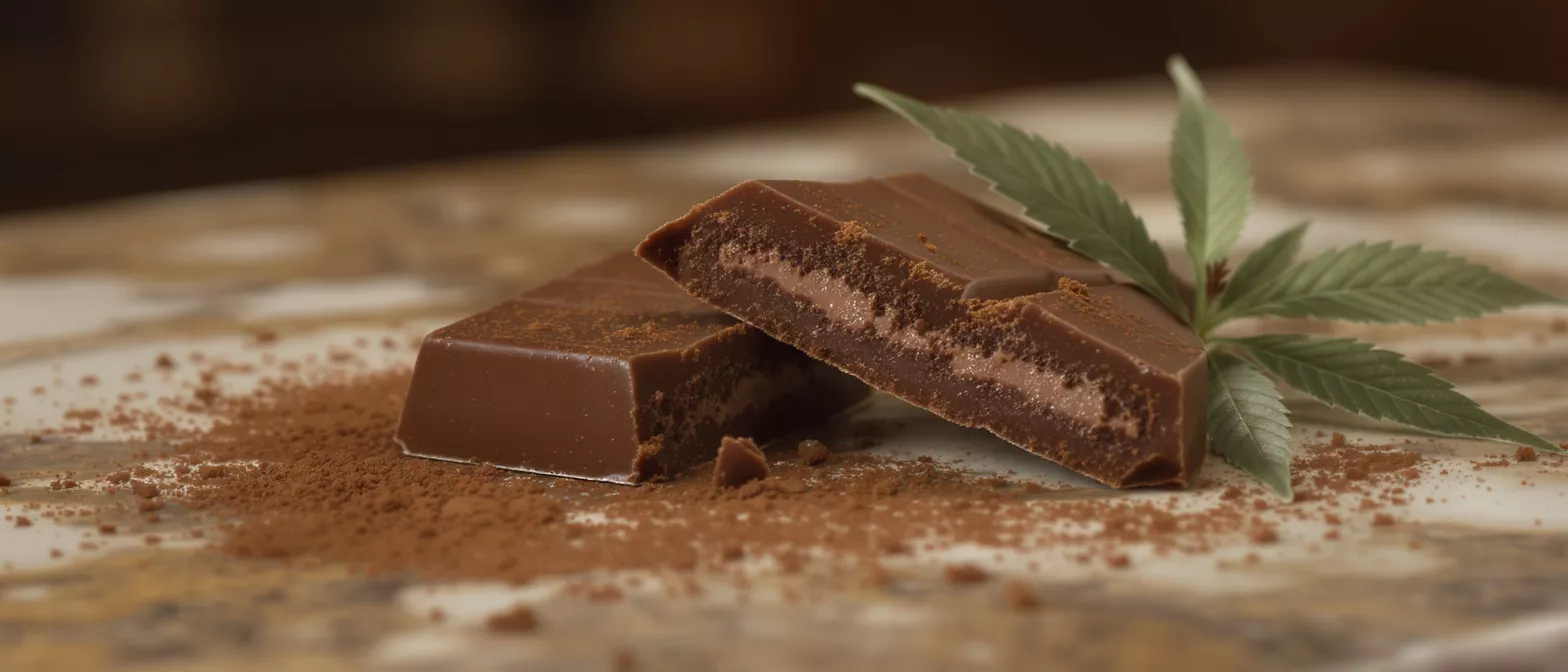
cannabis chocolate
Discover how cannabis chocolate works, dosing tips, and top types to try.
What Is Cannabis Chocolate?
Cannabis chocolate is exactly what the name suggests: a confection that marries cocoa with cannabinoid-rich cannabis extract, delivering an edible experience that tastes like dessert while carrying the effects of the plant. It sits at the intersection of culinary craft and cannabis science, and for many people it represents the most approachable way to consume cannabis without smoking or vaping. The pairing is not arbitrary either. Chocolate's fat content makes it an ideal carrier for cannabinoids, which are fat-soluble and bind readily to the cocoa butter that gives chocolate its melt-in-the-mouth texture.
The relationship between chocolate and cannabis runs deeper than convenience. Cocoa naturally contains compounds called anandamides, the same class of molecules your body produces as endocannabinoids. According to RxList, anandamide is sometimes nicknamed the "bliss molecule" for its mood-elevating role, and its presence in chocolate is part of why the two pair so harmoniously on a biochemical level.
Unlike a quick puff from a cbd vape pen, cannabis chocolate is a slow-burn experience. The cannabinoids travel through your digestive system before reaching your bloodstream, which changes both the onset and the character of the effects. That makes understanding the format essential before you reach for a square, especially if your only prior experience with cannabis came from inhalation.
How Cannabis Chocolate Works in the Body
The first-pass metabolism difference: When you eat cannabis chocolate, the cannabinoids don't enter your bloodstream directly. Instead they pass through your stomach and into the liver, where THC is converted into 11-hydroxy-THC, a metabolite that is notably more potent and longer-lasting than the THC you inhale. This is why edibles feel different—often stronger and deeper—than smoking, even at comparable doses.
Onset and duration: Expect to wait anywhere from 30 minutes to two hours before you feel anything. The effects then build gradually, peak around the two-to-four hour mark, and can linger for six hours or longer. The fat in chocolate may actually accelerate absorption slightly compared to a gummy, because cannabinoids dissolve into the cocoa butter and ride along with dietary fats during digestion.
The slow onset is the single most important thing to understand. Many uncomfortable edible experiences happen because someone took a second dose 45 minutes in, assuming the first hadn't worked, only to have both doses arrive at once. Patience is not optional with cannabis chocolate—it is the core skill.
Types of Cannabis Chocolate You Can Buy
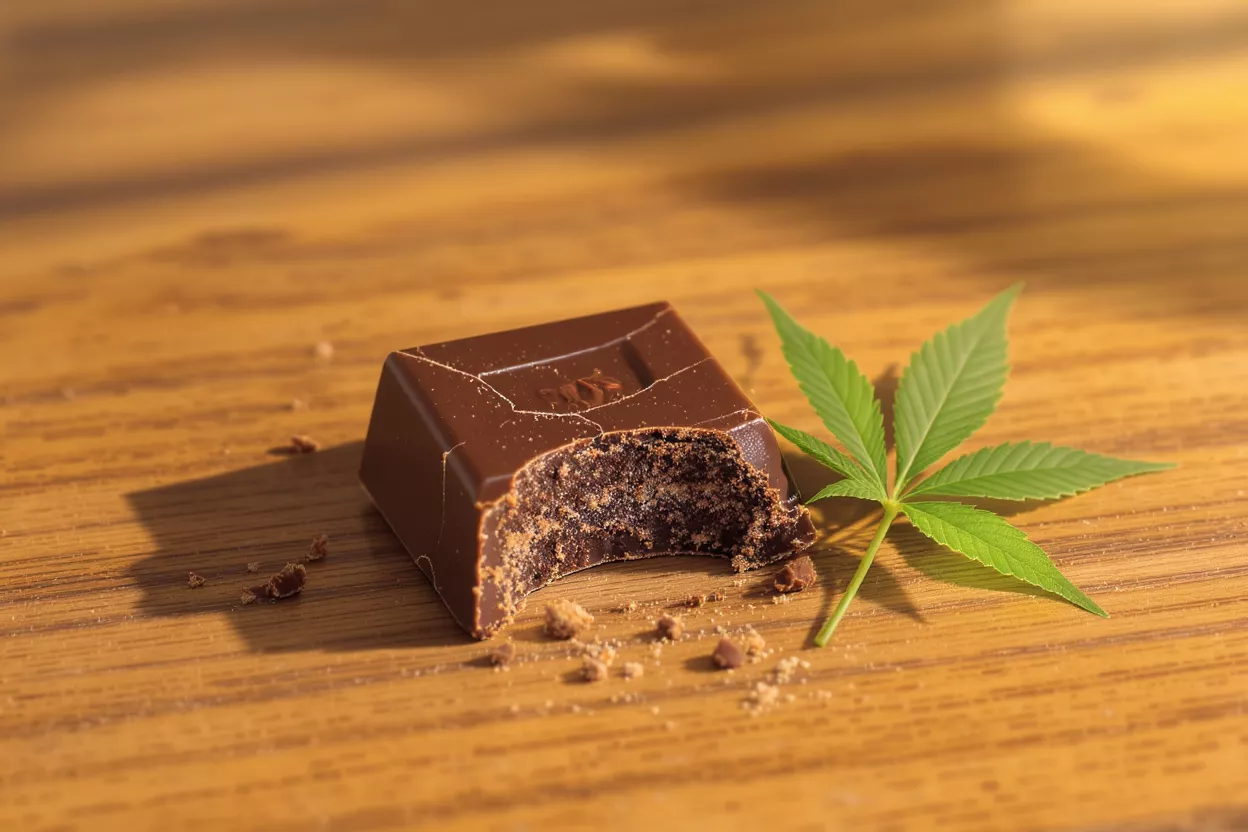
The cannabis chocolate market has matured well beyond the homemade brownie of decades past. Today you can find everything from artisan single-origin dark chocolate infused with full-spectrum extract to precisely dosed milk chocolate squares scored for easy portioning. The variety means there is genuinely something for every palate and every tolerance level.
Here is how the main categories break down:
- 🍫 Dark chocolate bars: Higher cocoa content pairs naturally with earthy cannabis flavors, and the antioxidants in dark cocoa complement the wellness angle many users seek.
- 🥛 Milk chocolate squares: Sweeter and more forgiving on the palate, these often come pre-scored into single-dose portions for reliable dosing.
- 🌿 CBD-dominant chocolate: Designed for calm without intoxication, ideal for daytime use or those avoiding a strong high.
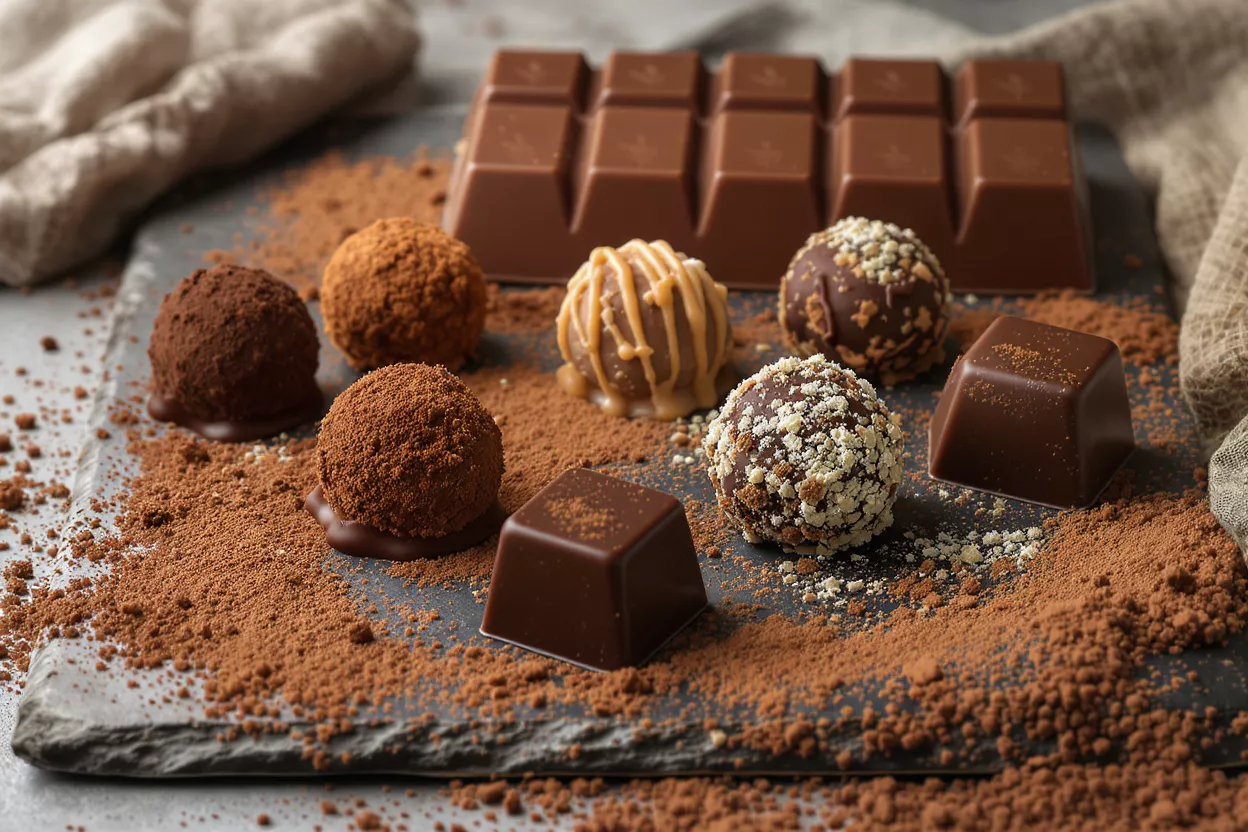
- ✨ Full-spectrum truffles: Premium confections that capture the entourage effect of multiple cannabinoids and terpenes.
- 🌱 Vegan and dairy-free options: Made with coconut or oat fats that carry cannabinoids just as effectively as dairy cocoa butter.
For newcomers, a pre-scored milk chocolate bar or a low-dose CBD wellness chocolate tends to be the gentlest entry point. Connoisseurs, meanwhile, often gravitate toward full-spectrum dark chocolate where the natural bitterness of high-cacao cocoa harmonizes with the herbal notes of the extract.
Cannabis Chocolate Dosing Guide for Beginners
Start low and go slow: The golden rule of edibles applies doubly to chocolate, where the rich flavor makes it tempting to keep nibbling. A standard beginner dose is 2.5 to 5 milligrams of THC. Seasoned consumers may comfortably handle 10 milligrams or more, but no one should begin there. Wait a full two hours before considering any additional amount.
Use this rough framework as a starting reference, always adjusting for your own body and tolerance:
- 🌙 Microdose (1–2.5 mg): Subtle mood lift and relaxation with minimal intoxication—ideal for first-timers.
- 🍃 Standard dose (2.5–5 mg): Noticeable relaxation and mild euphoria for most casual users.
- 🔥 Experienced dose (10–20 mg): Strong, long-lasting effects reserved for those with established tolerance.
- ⚠️ High dose (20 mg+): For very experienced users only; carries real risk of discomfort if you misjudge.
The RxList guidance on cannabis emphasizes that individual response varies enormously based on body weight, metabolism, and what you've eaten that day. Consuming chocolate on an empty stomach produces faster, more intense effects, while a full meal slows and softens the experience. Keep a simple log of dose and outcome until you understand your personal response.
Cannabis Chocolate Benefits Worth Knowing
Discreet and smoke-free consumption: For anyone who dislikes inhalation or wants to avoid the smell and ritual of smoking, chocolate offers a genuinely private alternative. There is no smoke, no equipment like a chillum or carb cap, and no telltale aroma—just a square of chocolate that looks like any other treat.
Longer, steadier effects: Because the liver converts THC into the longer-lasting 11-hydroxy metabolite, the effects of cannabis chocolate tend to plateau more smoothly and persist far longer than inhaled cannabis. This makes it well suited to evening relaxation or sustained relief, where you want the experience to carry through several hours without re-dosing.
Beyond the cannabinoids, chocolate itself contributes to the appeal. Cocoa is rich in flavonoid antioxidants and contains theobromine, a gentle stimulant that lends a subtle lift. Research summarized by RxList notes that cocoa flavonoids have been studied for cardiovascular and mood benefits, meaning a quality dark cannabis chocolate may deliver a small wellness bonus alongside its primary effects.

How to Make Cannabis Chocolate at Home
Making cannabis chocolate yourself gives you full control over potency, ingredients, and flavor. The process is more forgiving than baking because chocolate doesn't require precise oven timing—it simply needs gentle, low heat to keep both the cocoa and the cannabinoids intact. The key starting material is either cannabis-infused oil or coconut-based cannabutter, which you fold into melted chocolate.
The most important step is decarboxylation, the process of gently heating raw cannabis to activate its cannabinoids. Skipping it means your chocolate will contain mostly inactive CBGA and THCA rather than the active compounds you want. Once your flower is decarbed and infused into a fat, the rest is straightforward chocolate work.
A simple at-home method looks like this:
- 🌡️ Decarb your flower: Bake ground cannabis at a low temperature to convert CBGA and THCA into active CBG and THC before infusing.
- 🧈 Infuse a fat: Steep the decarbed flower in coconut oil or cocoa butter over low heat, then strain out the plant material.
- 🍫 Melt and combine: Gently melt quality chocolate, stir in your measured infused fat, and blend thoroughly for even potency.
- 🧊 Mold and set: Pour into molds, scoring portions clearly so each piece holds a known, consistent dose.
Even distribution is the difference between a pleasant homemade treat and an unpredictable one. Stir thoroughly and pour into individual molds so each piece carries the same dose—a poorly mixed batch can leave one square inert and another overwhelmingly strong. If you enjoy infused topicals as well, the same cannabutter base works for projects like a cbd exfoliating scrub or a cbd infused face oil.
Cannabinoids Beyond THC in Cannabis Chocolate
THC and CBD get the headlines, but quality full-spectrum cannabis chocolate carries a far richer cast of cannabinoids, each contributing its own subtle character. Understanding these minor compounds helps explain why two chocolates with identical THC numbers can feel entirely different.
The minor cannabinoid lineup: CBG, often called the mother cannabinoid because CBGA is the precursor from which other cannabinoids form, is prized for clear-headed calm. CBN, which develops as THC ages, is associated with deep relaxation and is a popular ingredient in nighttime formulas. Rarer compounds like CBL and its acidic precursor CBLA (cannabicyclolic acid) appear in trace amounts and are still being researched, while CBC rounds out the entourage in many full-spectrum extracts.
Terpenes matter too. These aromatic oils shape both flavor and effect, and the cedrene terpene effects found in some cultivars lend woody, grounding notes that pair beautifully with dark cocoa. The interplay of cannabinoids and terpenes—the entourage effect—is why many connoisseurs choose a full-spectrum chocolate truffle over an isolate-based product. For those seeking gentle nighttime relief, a CBN-forward dark chocolate can be a soothing choice as the day winds down.
Are Cannabis Chocolate Edibles Safe?
For most healthy adults, cannabis chocolate is safe when consumed responsibly, but it carries specific risks that deserve respect. The delayed onset is the leading cause of unpleasant experiences, because impatient re-dosing stacks multiple servings that arrive together. The vast majority of bad edible stories trace back to this single mistake rather than to any inherent danger of the product.
The most serious safety concern is accidental consumption, particularly by children or pets, since cannabis chocolate looks and tastes like an ordinary treat. Chocolate's theobromine is already toxic to dogs, and adding cannabinoids compounds the hazard. The medical reference at RxList stresses keeping all cannabis edibles in clearly labeled, child-resistant packaging stored well out of reach.
People taking prescription medications, those who are pregnant or breastfeeding, and anyone with a history of cardiovascular issues should consult a healthcare provider before using cannabis chocolate. Cannabinoids can interact with certain drugs through the same liver enzymes that process many pharmaceuticals, so professional guidance matters. Used thoughtfully by informed adults, though, cannabis chocolate has a well-established safety profile.
Storing Cannabis Chocolate the Right Way
Proper storage protects both the chocolate's texture and its cannabinoid potency. Heat is the enemy on two fronts: it melts the cocoa butter, causing the unsightly white bloom you sometimes see on old chocolate, and it gradually degrades cannabinoids, slowly turning THC into CBN and weakening the intended effect. A cool, dark, dry place is ideal.
Light and oxygen accelerate cannabinoid breakdown as well, so airtight, opaque containers extend shelf life considerably. Avoid the refrigerator if you can, since condensation and absorbed odors harm both flavor and texture; a consistent pantry temperature serves better. When stored correctly, quality cannabis chocolate retains its potency for many months.
Keep these storage essentials in mind:
- 🌡️ Cool and stable: Aim for a consistent temperature below 70°F, away from stoves, windows, and direct sun.
- 🔒 Airtight and opaque: Seal out oxygen and light to preserve both cannabinoids and flavor.
- 🏷️ Clearly labeled: Mark dose and date so every piece stays identifiable and child-resistant.
- 🐾 Out of reach: Store high and secure, away from children and pets at all times.
Choosing the Best Cannabis Chocolate for You
Read the lab results: The single most important marker of quality is third-party lab testing. A reputable cannabis chocolate comes with a certificate of analysis confirming its cannabinoid content and screening for contaminants. If a product can't tell you exactly how many milligrams are in each square, it isn't worth your trust regardless of how appealing the packaging looks.
Consider your goals next. If you want gentle daytime calm, lean toward CBD-dominant or balanced ratios; if relaxation and sleep are the aim, seek out CBN-forward formulas. Flavor preference matters more than people expect—if you dislike dark chocolate, a high-cacao bar will be a chore to finish, so match the format to your palate. Many shoppers also keep a low-dose balanced ratio chocolate on hand for sociable, easygoing sessions.
Cannabis chocolate has earned its place as one of the most enjoyable and approachable ways to experience the plant, blending culinary pleasure with reliable, long-lasting effects. The keys to a great experience are simple: start with a low dose, wait patiently for onset, choose lab-tested products, and store them safely away from children and pets. Whether you reach for an artisan dark truffle, a CBD-rich wellness square, or a homemade batch from your own kitchen, treat the format with the respect it deserves and cannabis chocolate will reward you with a consistently pleasant ritual worth savoring.