Bubbler
Learn how a bubbler works, how it compares to bongs, and how to clean one.
What Is a Bubbler and How Does It Work
A bubbler sits comfortably between a handheld pipe and a full-sized water pipe, blending the portability of one with the smoothness of the other. At its core, a bubbler is a glass smoking device that uses water to filter and cool smoke before it reaches your lungs. The familiar percolation sound — that gentle bubbling that gives the device its name — is the audible sign that water is doing its job, trapping particulates and dropping the temperature of each draw.
The mechanics are refreshingly simple. You pack dry herb into a bowl, ignite it, and pull air through a stem that submerges the smoke beneath a small reservoir of water. As the smoke travels through the liquid, it forms bubbles that increase surface area and contact time, allowing the water to absorb some heat and capture ash and tar. According to RxList, water filtration does not remove the active compounds you are after, but it does soften the harshness many smokers associate with dry pipes.
Why the bubbling matters for your throat: The cooling effect is the headline feature here. Hot, unfiltered smoke can irritate the throat and trigger coughing, while water-cooled vapor feels noticeably gentler. This makes a bubbler a natural upgrade for anyone graduating from a basic chillum or spoon pipe but not quite ready to commit to a large stationary bong that lives on a shelf and never leaves the house.
Bubbler vs Bong: Key Differences
People often ask whether a bubbler is just a small bong, and the answer is nuanced. Both use water filtration and both deliver cooler smoke than a dry pipe, but the design philosophy differs. A bong is typically larger, modular, and built around removable parts like downstems and sliding bowls. A bubbler is usually a single fused piece of glass, more compact, and designed to be held in the hand rather than set on a surface.
Portability versus filtration power: Bongs win on raw filtration because they hold more water and often stack multiple percolators. Bubblers trade some of that filtration capacity for a form factor you can slip into a bag and take to a friend's place. If you prize discretion and travel, a quality portable glass bubbler offers most of the smoothness with a fraction of the footprint.
Cleaning is another point of divergence. Because a bong breaks down into separate components, scrubbing each piece is straightforward. A bubbler's fixed chambers can be trickier to reach, which is why maintenance routines differ between the two. Neither is objectively better; the right choice depends on whether you value modularity or a grab-and-go experience.
Types of Bubbler Pipes Explained
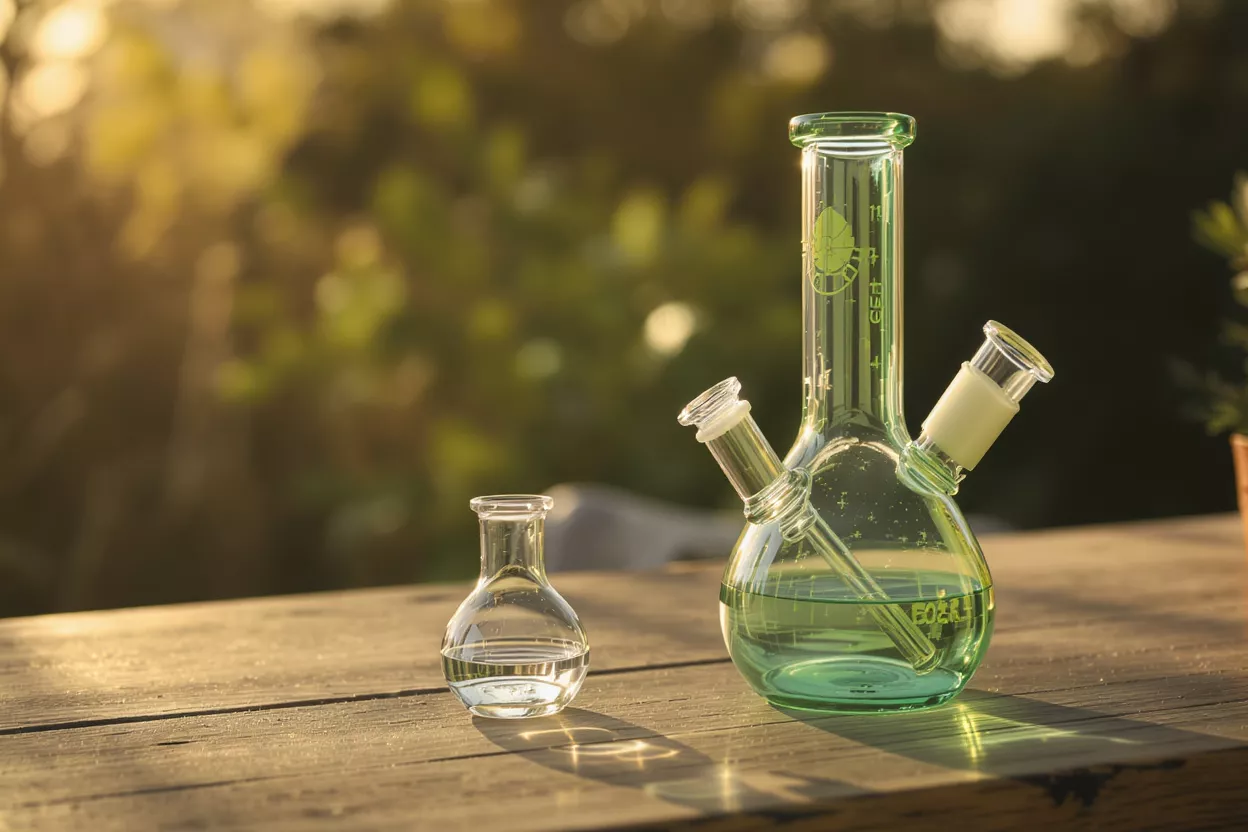
Bubblers come in several distinct silhouettes, each tuned to a slightly different smoking style. Understanding the categories helps you match a device to your habits rather than buying on looks alone.
- 🫧 Hammer bubbler: Shaped like its namesake tool, it rests easily in the palm and offers a stable base when set down between hits.
- 💧 Sherlock bubbler: The curved, elongated neck evokes a detective's pipe and lifts the bowl away from your face for a cooler draw.
- 🔨 Hammerhead bubbler: A heavier variation with a broad water chamber that delivers more aggressive percolation.
- 🌀 Sidecar bubbler: The mouthpiece juts off to the side, reducing splashback and keeping water away from your lips.
- 💨 Concentrate bubbler: Fitted with a quartz banger and carb cap, this style is built for dabbing wax and oils rather than dry flower.
Each shape changes the smoking ritual subtly. A Sherlock encourages slow, contemplative sessions, while a hammerhead suits someone who wants a bigger, denser pull. The concentrate variety opens an entirely separate lane, pairing the bubbler with the kind of capsaicin-free, terpene-rich extracts that dab enthusiasts chase.
Beyond shape, decorative work matters to many buyers. Glassblowers fume, twist, and color their pieces, so two hammer bubblers can look nothing alike. The art is part of the appeal — a hand-blown chillum-style bubbler can double as a display object when it is not in use.
Best Bubbler Materials for Smoother Hits
Material choice shapes flavor, durability, and how the device feels in your hand. The overwhelming favorite is borosilicate glass, prized for its heat resistance and its neutrality — it adds nothing to the taste of your smoke. The RxList guidance on inhalation safety underscores why a clean, non-reactive surface matters when heat is involved.
Glass versus silicone trade-offs: Silicone bubblers have carved out a niche for clumsy hands and travelers because they bounce instead of shatter. The compromise is flavor clarity; silicone can impart a faint taste and tends to hold odors. Glass remains the connoisseur's pick for the cleanest possible hit, and a thick-walled borosilicate water pipe resists the thermal shock that destroys cheaper pieces.
Ceramic and acrylic round out the field. Ceramic offers artistic potential and a substantial feel but hides cracks until they fail. Acrylic is the budget option, lightweight and nearly indestructible, though purists avoid it because plastic and combustion are an uneasy pairing. For most people, glass delivers the best balance of taste, longevity, and that satisfying weight in the hand.
How to Use a Bubbler Step by Step
Using a bubbler is intuitive once you understand the airflow, but a few habits separate a harsh session from a smooth one. The single most important variable is water level — too little and you lose filtration, too much and you splash liquid into your mouth.
- 💧 Fill with water: Add enough through the mouthpiece or bowl to submerge the stem by about half an inch, then test by drawing air to confirm steady bubbling.
- 🌿 Pack the bowl: Grind your flower medium-fine and load it loosely so air can pass through without clogging.
- 🔥 Ignite and inhale: Hold a flame to the edge of the bowl, draw slowly, and watch the chamber fill with milky smoke.
- 🫁 Clear the chamber: Release the carb hole or lift the bowl and inhale the remaining smoke in one smooth motion.
The carb is where technique pays off. Many bubblers have a small hole near the bowl that you cover while lighting and release to pull fresh air through, clearing the smoke quickly. Mastering that timing turns a mediocre hit into a clean one. Some smokers liken the first properly cleared draw to baptizing the piece — the moment a new bubbler earns its place in the rotation.
Start with modest pulls until you learn how much percolation your device provides. Bubblers cool smoke efficiently, which can tempt newcomers into taking larger hits than they intend. Patience early on prevents the coughing fits that sour the experience.
How to Clean a Bubbler the Right Way
A clean bubbler tastes better, hits smoother, and lasts longer, yet the fixed chambers make cleaning more involved than rinsing a simple spoon pipe. Resin builds up fast inside the water channels, and neglected residue hardens into a stubborn film that dulls every draw.
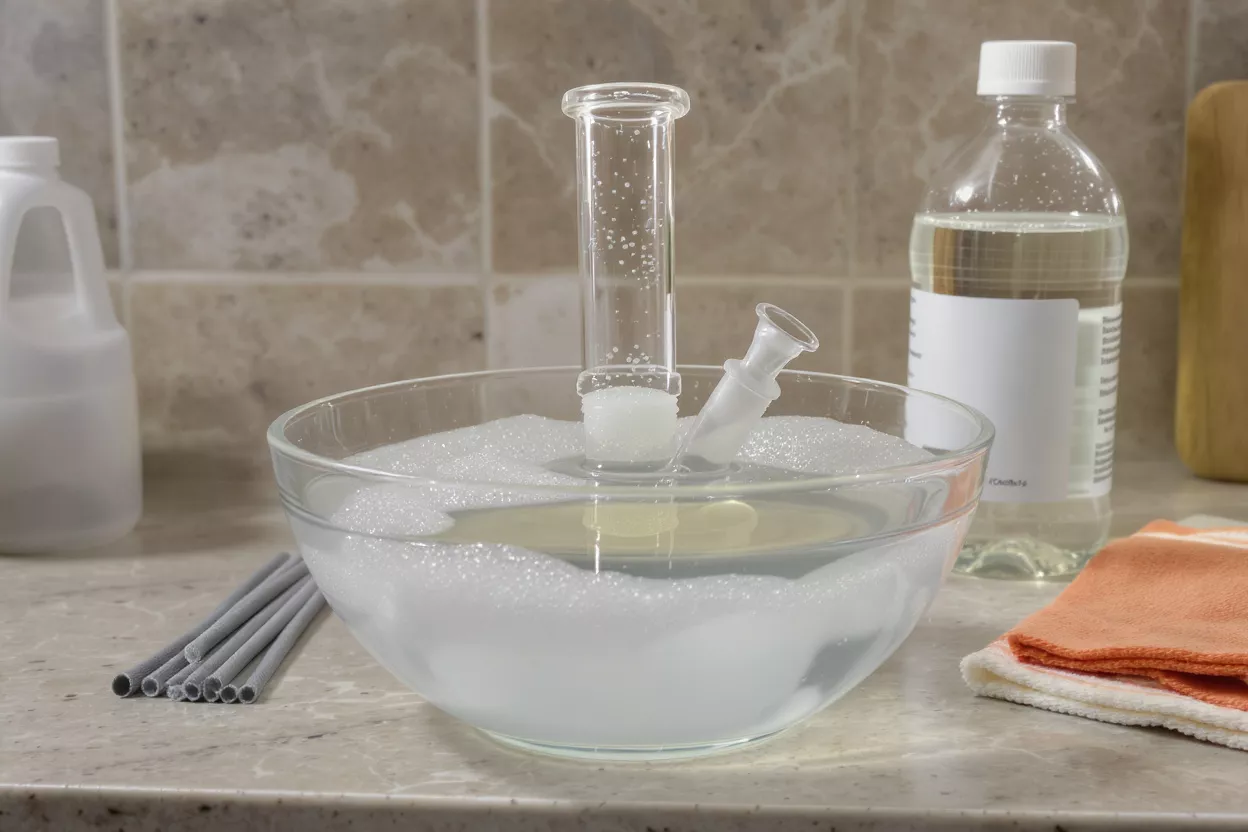
The salt and alcohol method: The classic approach uses isopropyl alcohol and coarse salt as an abrasive. Pour both into the chambers, cover the openings, and shake vigorously so the salt scours the glass walls. The alcohol dissolves resin while the salt provides scrubbing friction in places no brush can reach. Rinse thoroughly with warm water afterward so no solvent lingers.
- 🧂 Coarse salt: Acts as a gentle scouring agent that breaks loose hardened residue.
- 🧴 Isopropyl alcohol: Dissolves resin on contact; 91 percent strength works faster than 70.
- 🪥 Pipe brushes: Reach the bowl and stem where shaking alone leaves buildup.
- 💦 Warm rinse: Flushes every trace of solvent before your next session.
For those who prefer to skip harsh chemicals, commercial cleaning solutions and a quality glass pipe cleaning kit handle the job with less effort. Whichever route you choose, frequency matters more than intensity — a quick rinse and water change after each use keeps deep cleans rare and easy.
Bubbler Benefits Over Dry Pipes
The leap from a dry pipe to a bubbler is one of the most noticeable upgrades a casual smoker can make. The water filtration alone transforms the experience, replacing scratchy, hot smoke with a cooler and visibly cleaner draw. That gentleness is not a marketing claim; it is the direct result of physics working in your favor as smoke passes through liquid.
Flavor preservation you can taste: Cooler smoke lets the natural terpenes in your flower come through more clearly. Compounds like CBG, CBN, and the lesser-known CBL contribute to aroma and effect, and harsh heat can mask their subtleties. A bubbler's gentle cooling helps those flavors register on the palate, much the way the cedrene terpene's woody notes only emerge when smoke is not searing.
Portability is the other quiet advantage. A bubbler delivers bong-like smoothness without demanding a permanent home on your coffee table. According to RxList, reducing the temperature of inhaled smoke generally lessens throat irritation, which explains why so many people who try a bubbler rarely return to a dry chillum for daily use.
Choosing the Right Bubbler for You
The best bubbler is the one that matches how and where you actually smoke. Before buying, think honestly about your sessions: solo or social, home-bound or on the move, flower-only or concentrates too. Each answer steers you toward a different design.
Size and percolation matchmaking: A compact hammer bubbler favors discretion and travel, while a larger hammerhead with extra percolation suits a smoker who prioritizes the smoothest possible hit at home. If you dab, prioritize a concentrate bubbler with a carb cap and quartz banger rather than forcing a flower piece into a job it was not built for.
- 🎒 For travel: Choose a small, thick-walled glass or silicone piece that survives a backpack.
- 🏠 For home: Pick a larger chamber with robust percolation for maximum smoothness.
- 🎨 For collectors: Seek hand-blown, fumed glass where craftsmanship is the draw.
- 🍯 For concentrates: Opt for a dab-ready bubbler with a quartz banger and carb cap.
Budget plays a role, but the cheapest option rarely saves money long term. Thin glass cracks and acrylic ages poorly, so investing a little more in quality borosilicate usually pays off in durability and a better-tasting hit over years of use.
Bubbler Maintenance and Care Tips
Owning a bubbler is a small commitment to upkeep, and the payoff for consistency is enormous. The single best habit is changing the water after every session. Stale water breeds odor and bacteria, and pouring it out takes seconds while saving you from a much harder deep clean later.
Preventing thermal shock cracks: Glass hates sudden temperature swings. Never rinse a hot bubbler under cold water or pour boiling water into a cold piece, as the rapid change can crack even thick borosilicate. Let the glass return to room temperature before any temperature-based cleaning, and your bubbler will reward you with years of service.
Store the piece somewhere padded and stable when it is not in use. A dedicated pouch or a drawer lined with cloth prevents the chips and cracks that come from a bubbler rolling around loose. Treat the glass as you would a nice pair of glasses — a little care prevents most of the accidents that cut a piece's life short.
Are Bubblers Worth It for Daily Use
For most smokers, a bubbler hits a sweet spot that few other devices reach. It delivers the water-cooled smoothness of a bong in a package you can hold, travel with, and tuck away discreetly. That blend of comfort and convenience is exactly why bubblers have earned a permanent slot in so many rotations, sitting alongside the dry pipes and rolled options without replacing any of them.
The trade-offs are honest and manageable. You accept slightly less filtration than a full bong and a marginally trickier cleaning routine than a basic spoon, but in exchange you get a versatile, beautiful piece that works for a quiet evening alone or a session passed among friends. If you have outgrown the harshness of a chillum and want something smoother without committing to a stationary water pipe, the bubbler answers that need almost perfectly.
Ultimately, the verdict comes down to your priorities. Value portability, flavor, and a gentler draw, and a bubbler is well worth the modest investment and upkeep. Pair it with quality flower, keep it clean, change the water often, and a good glass bubbler will deliver cool, flavorful sessions for years — a genuine upgrade that quietly becomes the piece you reach for most.