Ash catcher
Discover everything about the ash catcher — types, joint sizes, percs & cleaning tips.
What Is an Ash Catcher and How Does It Work
An ash catcher is a small but mighty accessory that attaches to your bong or water pipe, sitting between the bowl and the main chamber to intercept ash, debris, and resin before they reach your primary water. Think of it as a pre-filter: every time you take a hit, the smoke passes through the ash catcher first, where heavier particulate matter and tar get trapped in a secondary pool of water. The result is cleaner smoke and a far less grimy main piece.
The mechanics are refreshingly simple. The ash catcher has its own joint that connects to your bong's downstem joint, and most models include their own small percolator or diffuser. As smoke and ash travel through, gravity and water do the heavy lifting, pulling spent plant material down and away from the path your inhale eventually takes. Because the bulk of the mess collects in this detachable unit, your bong stays cleaner for longer stretches between deep cleans.
Why smokers add an ash catcher in the first place: The honest answer is convenience and quality. Anyone who has scrubbed a resin-caked bong knows the chore is unpleasant, and an ash catcher dramatically reduces how often that scrub session has to happen. It also adds an extra stage of water filtration, which many users find smooths out the harshness of a hit. For people who enjoy cigarette style pre rolls or packed flower bowls, the ash catcher keeps stray cherried embers from tumbling into the chamber.
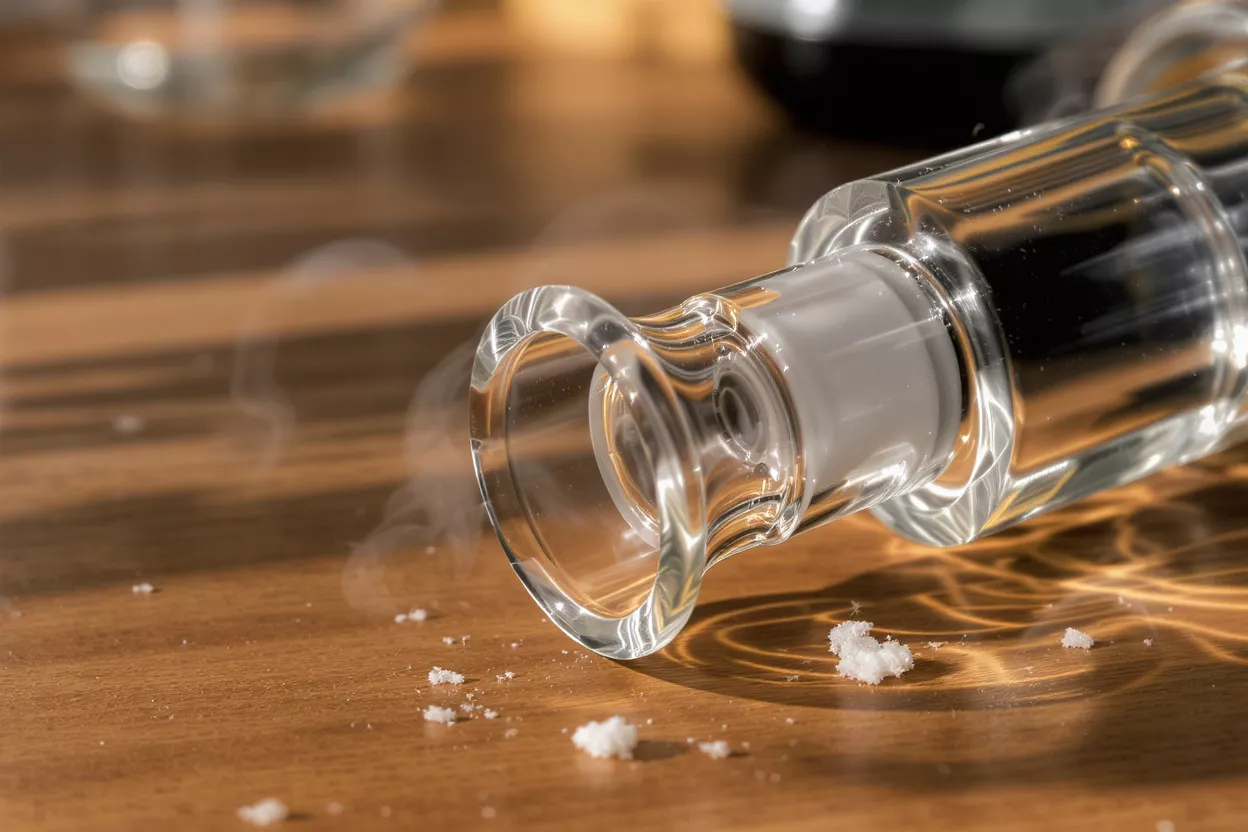
How an Ash Catcher Improves Your Smoking Experience
The most immediate improvement an ash catcher delivers is taste. When ash and resin accumulate in your bong water, they begin to break down and foul the flavor of every subsequent hit. By diverting that gunk into a separate, easily emptied chamber, the ash catcher keeps your main water cleaner and your terpenes tasting truer. According to RxList, the way cannabinoids and aromatic compounds interact with heat and moisture influences both flavor and the felt experience, so cleaner water genuinely matters.
Smoother, cooler draws: Adding a second water chamber means smoke travels a longer path and passes through an additional diffusion stage before it reaches your lungs. That extra journey cools the smoke and breaks it into finer bubbles, which most people perceive as a gentler, less scratchy hit. If you tend to cough hard off a dry pipe or a chillum, the difference an ash catcher makes can be striking.
There is also a hygiene angle that rarely gets enough credit. A bong that fills with floating ash becomes a breeding ground for bacteria and mold if it sits unwashed, and damp organic debris is exactly the kind of material that accelerates that growth. By isolating the worst of the residue, the ash catcher makes routine maintenance simpler and your sessions more sanitary. Pairing it with a quality borosilicate glass cleaning kit turns upkeep into a five-minute task.
Types of Ash Catchers Explained
Glass ash catchers are the most popular by a wide margin. Made from the same borosilicate glass as quality bongs, they handle heat well, resist staining, and let you see exactly how dirty the water has gotten. Their transparency is part of the appeal: you can watch the percolator bubble and judge at a glance when it is time to empty the chamber.
Silicone ash catchers occupy the budget and durability niche. They will not shatter if you knock them off a table, which makes them a favorite for travel or for households where glass casualties are frequent. The tradeoff is that silicone can retain odors over time and does not showcase the percolation the way glass does. Some smokers keep one of each for different occasions.
Beyond material, ash catchers differ by how they handle water and smoke. Here is a quick breakdown of the common styles you will encounter:
- 💧 Percolator ash catchers: Built with their own diffusion system for extra filtration and cooling.
- 🔄 Recycler ash catchers: Cycle water back through the chamber for continuous filtration and minimal splash.
- 📐 Fixed-angle catchers: Set at 45 or 90 degrees to match your bong's joint orientation.
- 🧊 Reclaim catchers: Designed for concentrate rigs to collect and save reclaim oil.
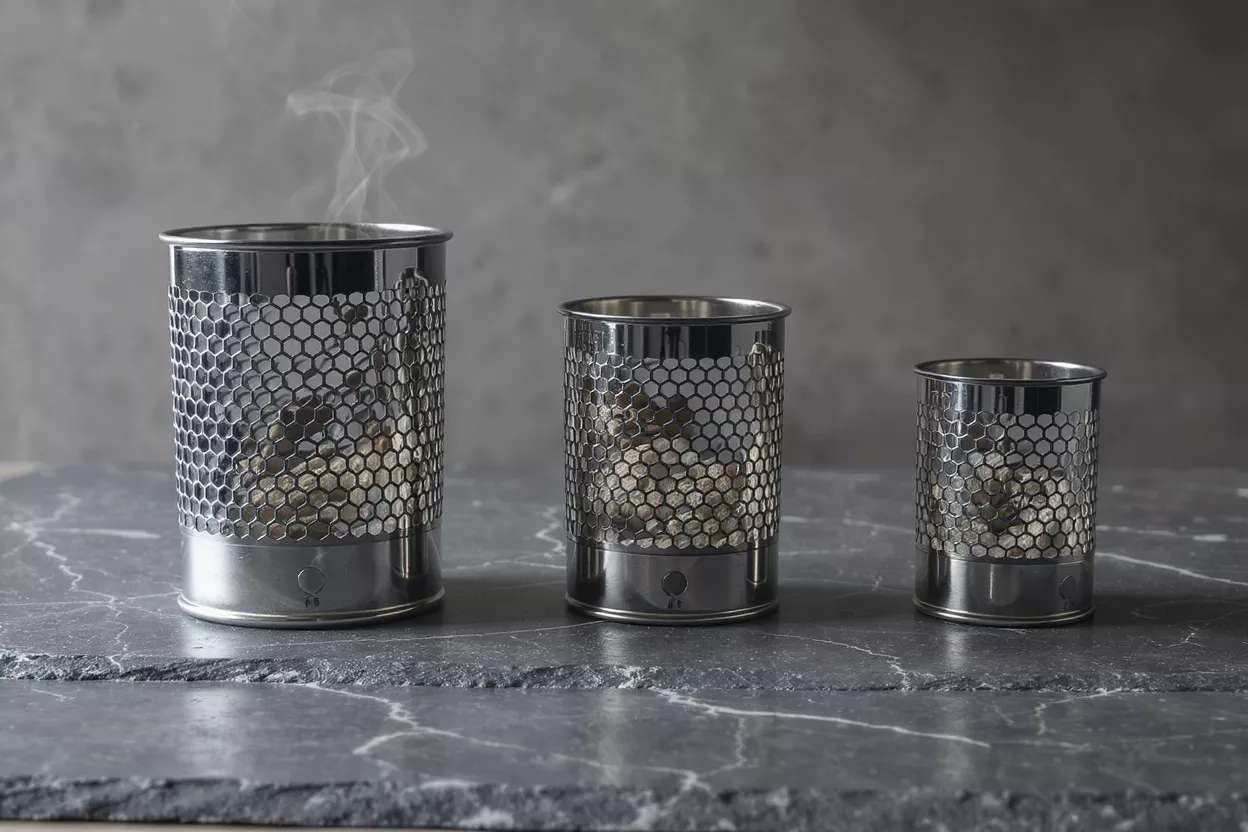
Ash Catcher Joint Sizes and Angles
Before buying an ash catcher, you need to know two things about your bong: the joint size and the joint angle. Joint size refers to the diameter of the connection, and the two standards you will see are 14mm and 18mm. Using the wrong size means the piece simply will not seat properly, so measure or check your manufacturer's specs first. Many ash catchers are sold in matching pairs so the joint that connects to the bong and the joint that holds your bowl share the same dimension.
Matching the joint angle: Bongs come with joints set at either 45 or 90 degrees. A 90-degree joint points straight up, while a 45-degree joint angles outward. Your ash catcher must complement this angle so the bowl ends up roughly vertical and your bong stands balanced rather than leaning awkwardly. A mismatched angle can leave your whole setup off-kilter and prone to tipping.
Gender matters too. Joints are described as male or female, and your ash catcher needs the opposite gender of your bong's joint to fit. A female bong joint takes a male ash catcher and vice versa. Getting these three variables right the first time saves the frustration of a piece that arrives and does not work with your rig. When in doubt, a universal joint adapter set can bridge small mismatches.
Ash Catcher Percolators and Filtration
The percolator is the heart of any filtering ash catcher, and the style you choose shapes how your hits feel. A percolator is simply a structure that forces smoke to bubble through water, and more bubbles mean more surface area for cooling and filtration. The science here mirrors how any diffusion process works, and as RxList notes about inhaled substances generally, cooler and more diffused smoke is gentler on the airways.
Different percolator designs trade off between smoothness and airflow resistance. A heavily diffused perc with dozens of tiny slits produces silky hits but can require a stronger pull, while a simpler design offers easy draws with somewhat less filtration. Here is how the most common percolator types compare:
- 🌳 Tree perc: Multiple vertical arms with slits, excellent diffusion, more fragile.
- 🍯 Honeycomb perc: A flat disc of holes producing dense bubbles and minimal drag.
- 🌀 Showerhead perc: A vertical tube with slits at the base, balanced and durable.
- 💨 Inline perc: A horizontal tube with slits, simple and easy to clean.
Matching the perc to your habits: If you prize the smoothest possible hit and do not mind a little extra maintenance, a tree or honeycomb perc rewards you. If you want reliability and easy cleaning, an inline or showerhead design is forgiving. There is no single best answer, only the perc that suits how you actually smoke. Many enthusiasts eventually own several catchers to swap depending on the flower, whether it is a mellow CBD strain or a high-CBN evening blend.
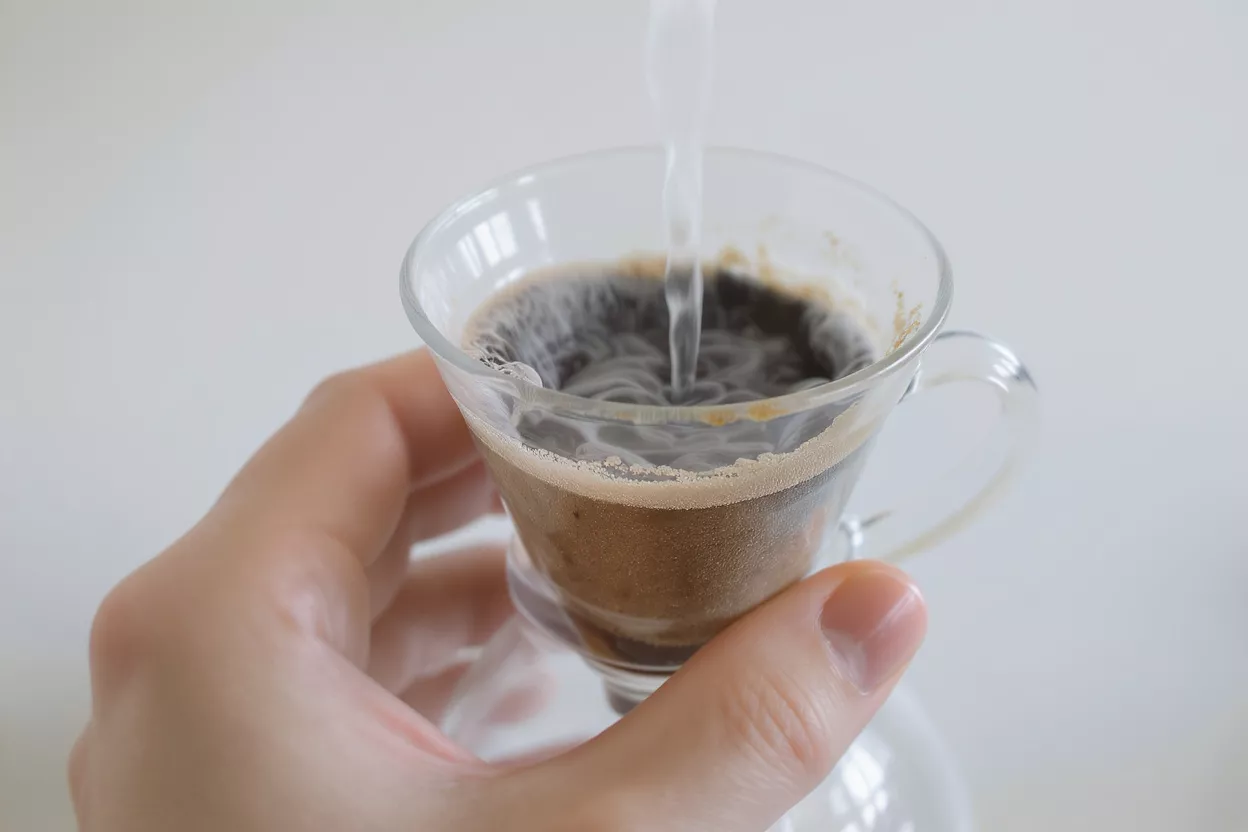
How to Choose the Best Ash Catcher for Your Bong
Choosing the best ash catcher starts with compatibility, but it does not end there. Once you have confirmed joint size, angle, and gender, you can weigh the features that affect your daily experience. Glass thickness, percolator style, overall size, and even aesthetics all factor into a purchase you will use every session. A thicker-walled catcher survives accidental knocks better, while a compact one keeps your rig from becoming top-heavy.
Size deserves real thought. A large ash catcher with an elaborate percolator filters beautifully but adds weight and leverage to your bong's joint, which over time can stress the glass. A smaller catcher is lighter and more stable but holds less water and traps less debris before it needs emptying. Balance the filtration you want against the structural reality of your particular pipe.
Budget versus longevity: It is tempting to grab the cheapest option, but a well-made ash catcher from quality borosilicate will outlast several budget pieces and keep functioning smoothly. As RxList emphasizes regarding anything you inhale through, material quality and cleanliness matter for your health. Investing a bit more upfront often means a sturdier piece that pays for itself. A thick-glass ash catcher with showerhead perc hits the sweet spot for most everyday smokers.
Ash Catcher Benefits Worth Knowing
The headline benefit of an ash catcher is a cleaner bong, but the advantages ripple outward from there. Because the catcher intercepts the majority of ash and resin, your main chamber stays clear and your bong water needs changing far less often. That translates into less scrubbing, fewer harsh tasting sessions, and a piece that looks presentable for longer.
Filtration is the second pillar. The extra water stage cools and cleans smoke, smoothing out hits that might otherwise make you cough. For anyone with a sensitive throat, this added gentleness can make the difference between an enjoyable session and an irritating one. The cooling effect is especially welcome when packing dense, resinous flower or when using a carb cap and dab setup on a concentrate rig.
There is also a flavor preservation benefit worth dwelling on. When your main water stays clean, the terpenes that give cannabis its character, from earthy cedrene notes to bright citrus, come through more clearly. Dirty water muddies everything, so an ash catcher acts as a flavor guardian. Pair it with fresh water each session and you protect the subtle aromatics that distinguish one strain from another.
How to Clean an Ash Catcher Properly
Cleaning an ash catcher is straightforward, and doing it regularly keeps your whole setup performing well. The classic method uses isopropyl alcohol and coarse salt: pour both into the catcher, cap the openings, and shake so the salt scrubs away resin while the alcohol dissolves it. Rinse thoroughly with warm water afterward so no alcohol residue remains before your next use.
How often to clean: Frequency depends on how heavily you smoke, but a good rule is to empty and rinse the water after every session and do a full alcohol-and-salt clean weekly for daily users. The longer resin sits, the harder it is to remove, so a light routine beats an occasional deep battle. Letting a catcher go too long can also let mold take hold in the damp residue.
For percolators with fine slits, soaking is your friend. Let the catcher rest in cleaning solution for fifteen to thirty minutes before shaking so the resin softens and releases without you having to scrub aggressively. A few drops of dish soap in warm water can serve as a gentler maintenance rinse between deep cleans. According to RxList, keeping anything you inhale through free of buildup is simply good practice for your respiratory health.
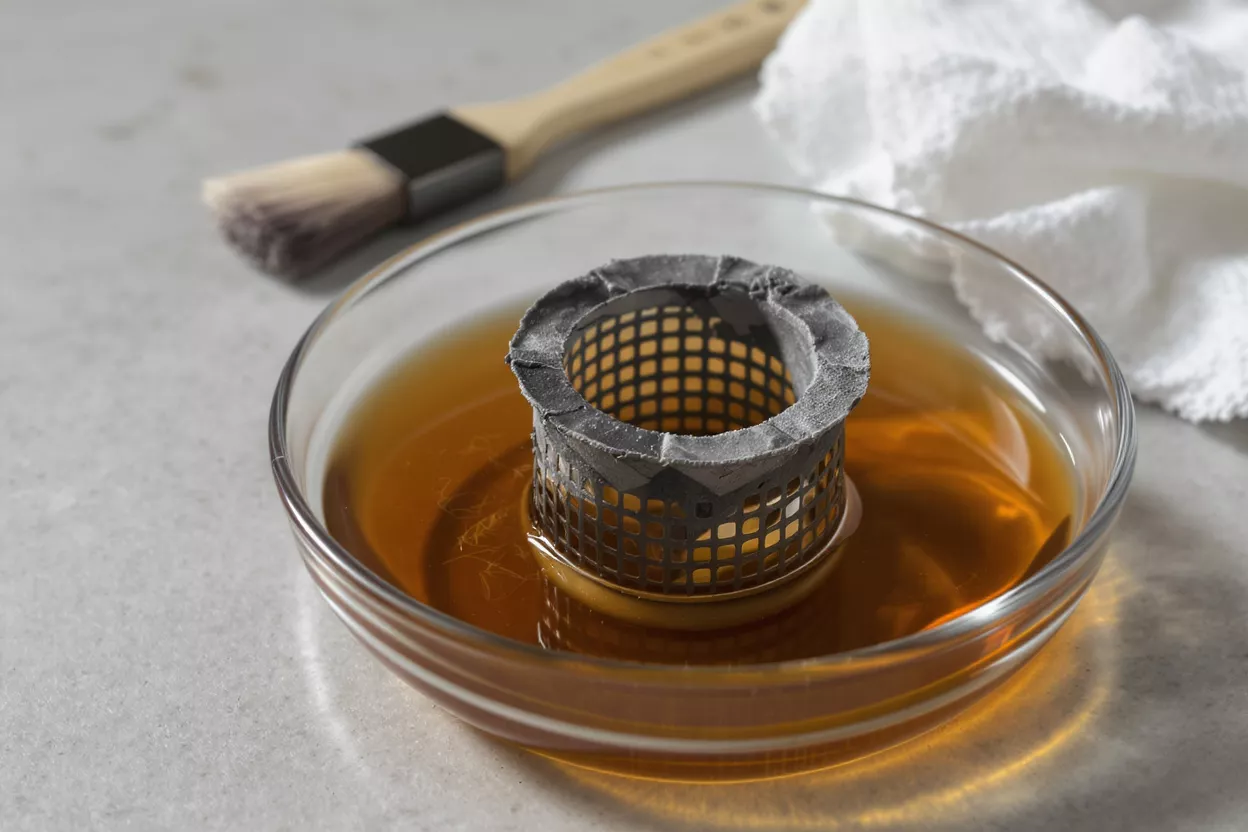
Common Ash Catcher Mistakes to Avoid
Overfilling the water chamber: The single most common mistake is adding too much water to the ash catcher. When the chamber is overfilled, water splashes up through the joint and into your mouth during a hard pull, which is as unpleasant as it sounds. Fill only enough to submerge the percolator slits by a small margin and you will get filtration without the splashback.
Another frequent error is ignoring weight on the joint. A heavy ash catcher hanging off a delicate bong joint creates leverage that can crack the glass, especially if you bump the piece. Support the catcher when moving your rig, and consider a lighter catcher if your bong has a slim or fragile joint. Prevention here is far cheaper than replacing a broken bong.
People also forget that an ash catcher needs the same cleaning discipline as the bong itself. Neglecting it defeats the entire purpose, because a clogged, resin-choked catcher restricts airflow and reintroduces the very harshness you bought it to eliminate. Keep it clean and it keeps your main piece clean in turn, a tidy little virtuous cycle that rewards a few minutes of upkeep.
Are Ash Catchers Worth It
For most regular bong users, an ash catcher is one of the highest-value accessories you can add. The combination of easier cleaning, smoother hits, and better flavor preservation justifies the modest cost many times over across months of use. If you smoke even a few times a week, the time saved on scrubbing alone makes the case compelling.
That said, it is not mandatory for everyone. An occasional smoker who cleans their pipe after every use may find the extra component more fuss than it is worth, and concentrate users have specialized reclaim catchers tailored to their needs. The right answer depends on how often you smoke, how much you value convenience, and whether smoother hits genuinely matter to your experience.
Weigh the trade-offs honestly and most people land on yes. An ash catcher keeps your bong cleaner, your smoke cooler, and your flavor truer, all for a small upfront investment and a few minutes of weekly maintenance. Match the joint size, angle, and gender correctly, pick a percolator that suits your style, and you will wonder how you ever smoked without one.