thc distillate
Learn everything about THC distillate — how it's made, its potency, uses, and dosing.
What Is THC Distillate?
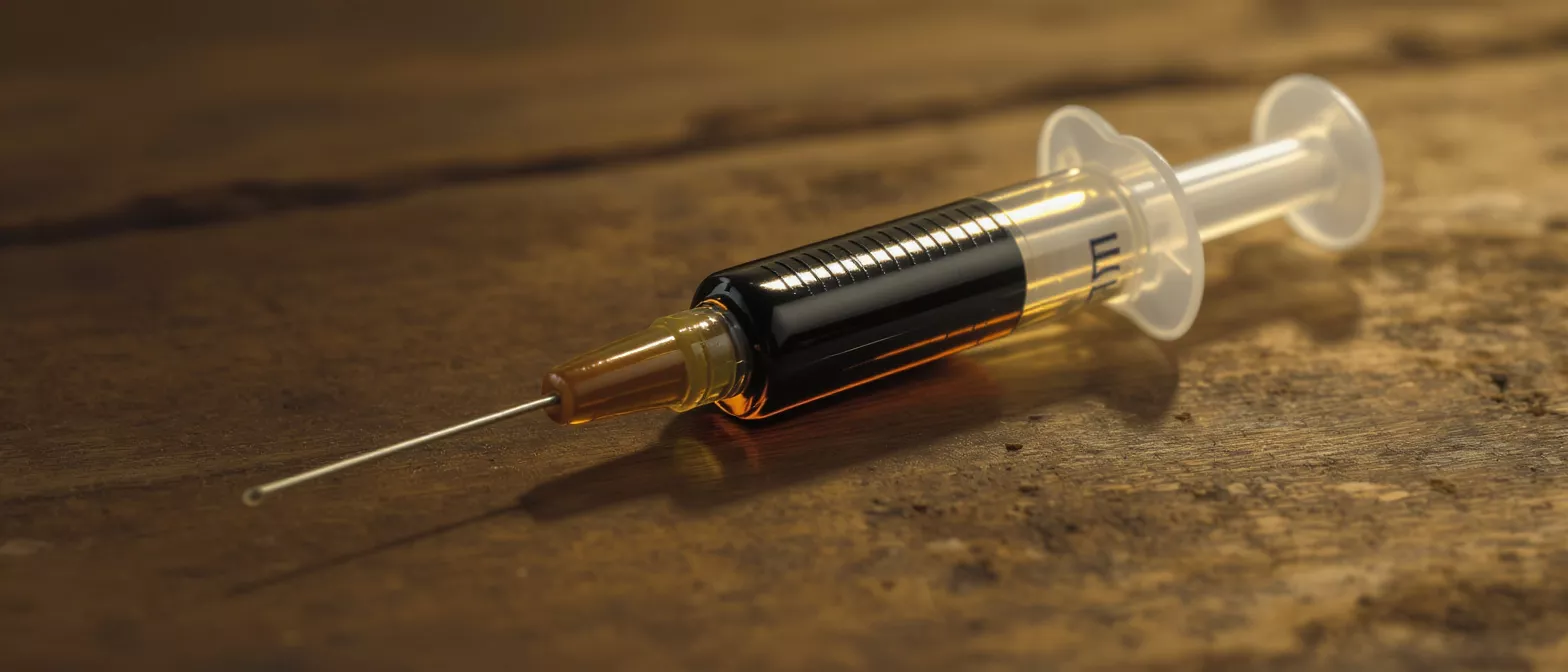
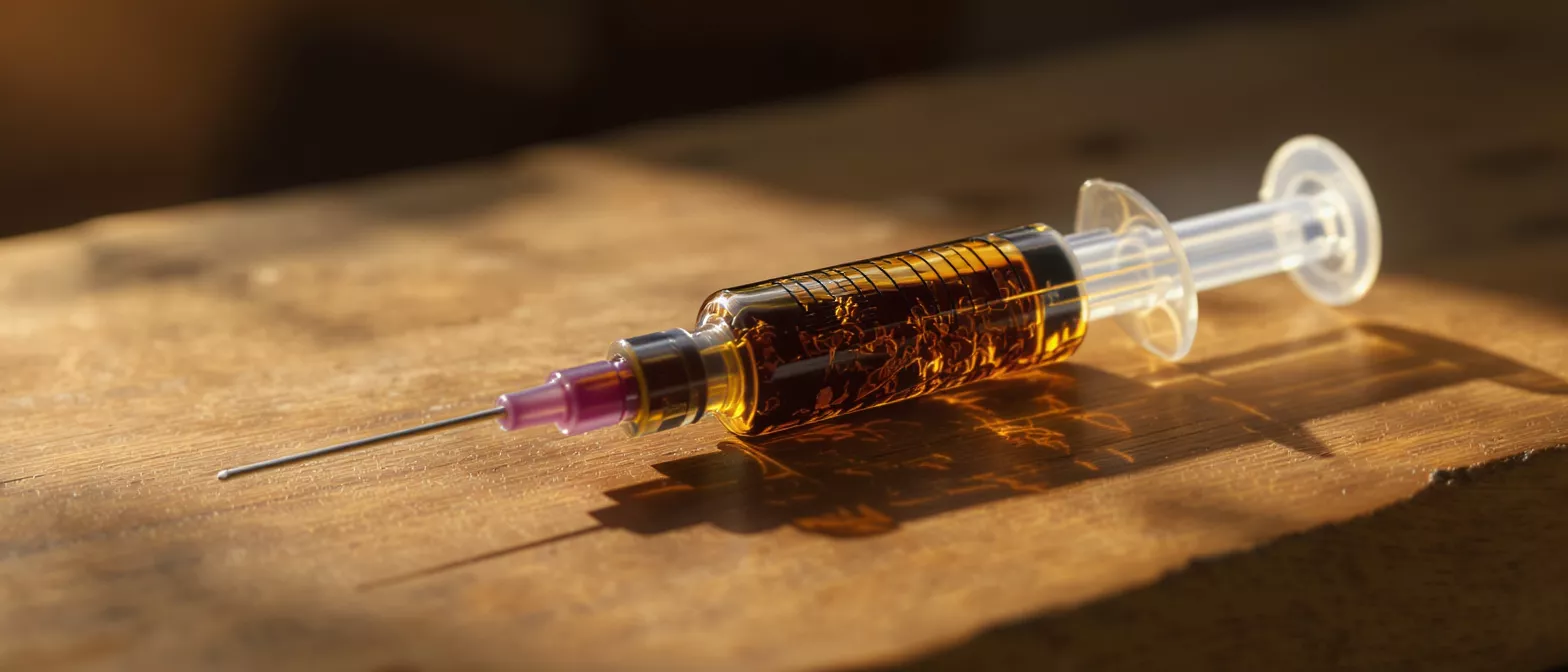
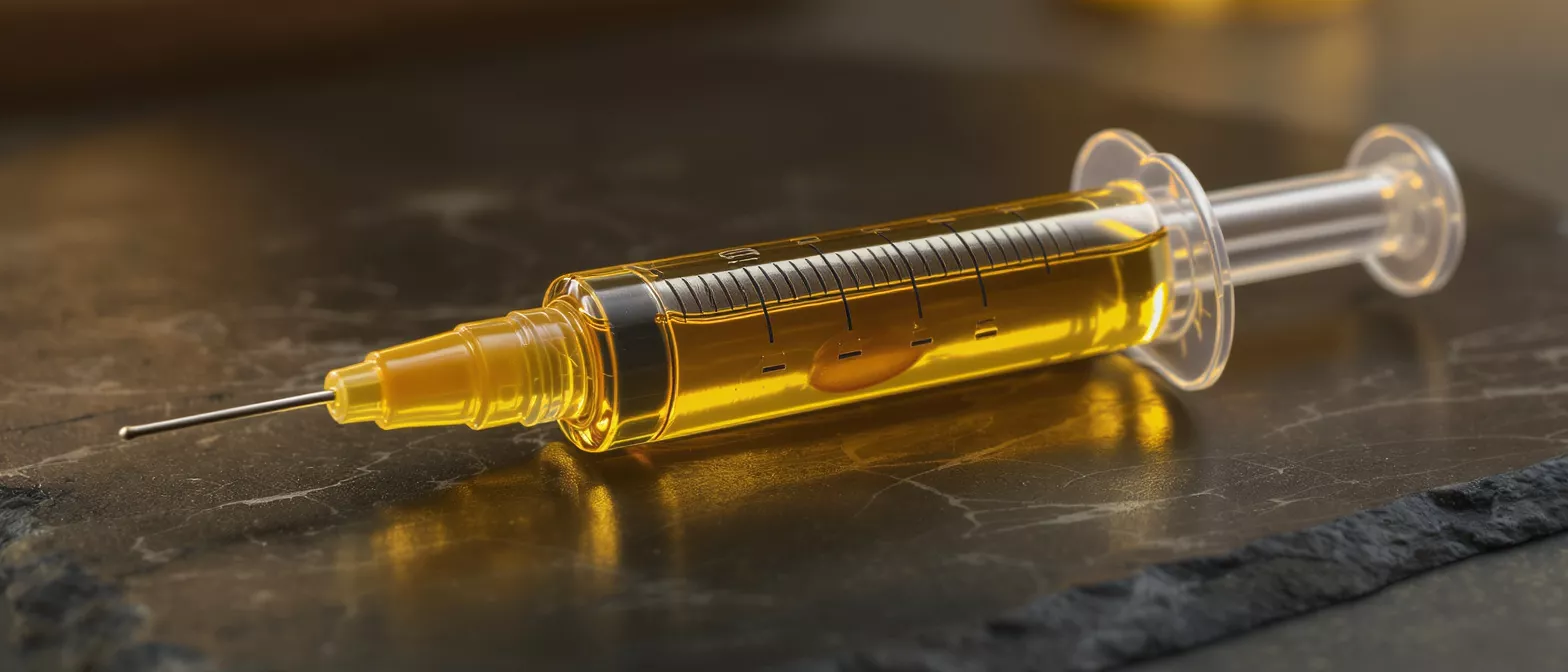
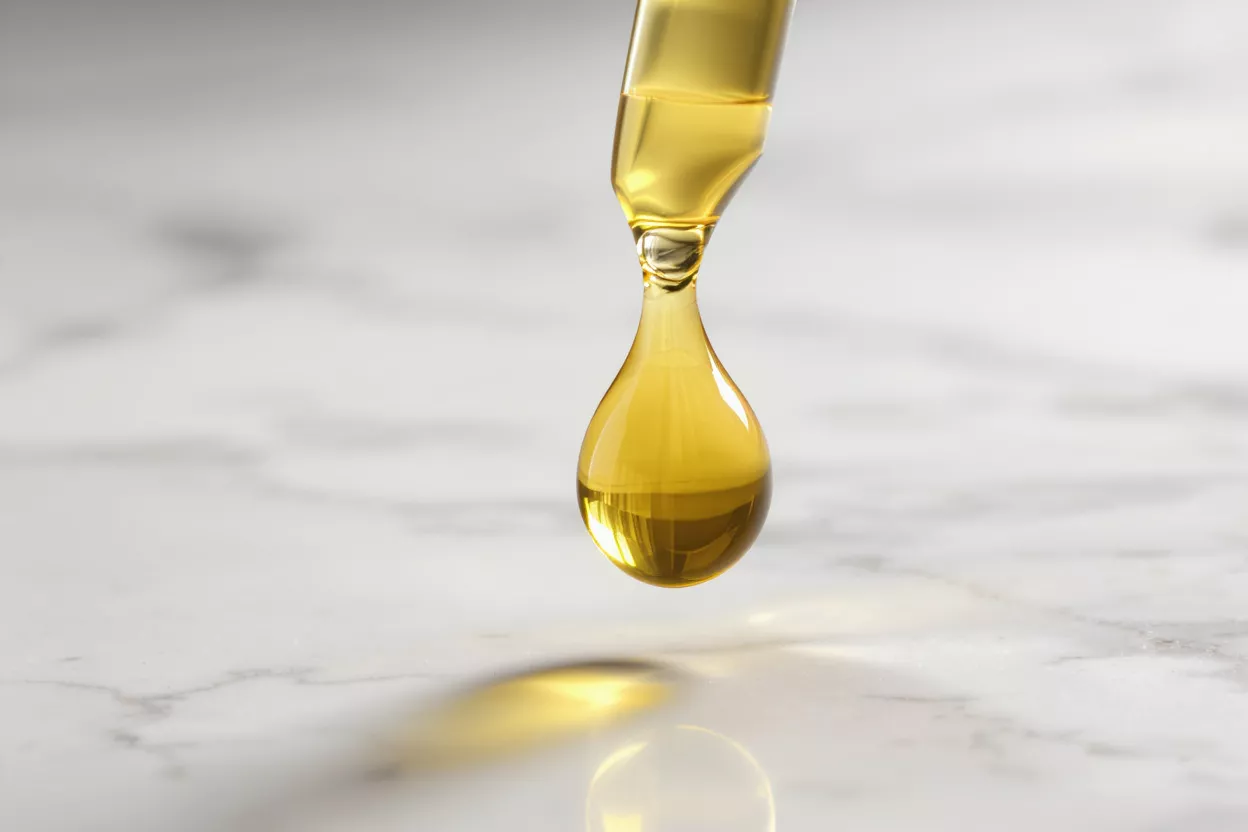
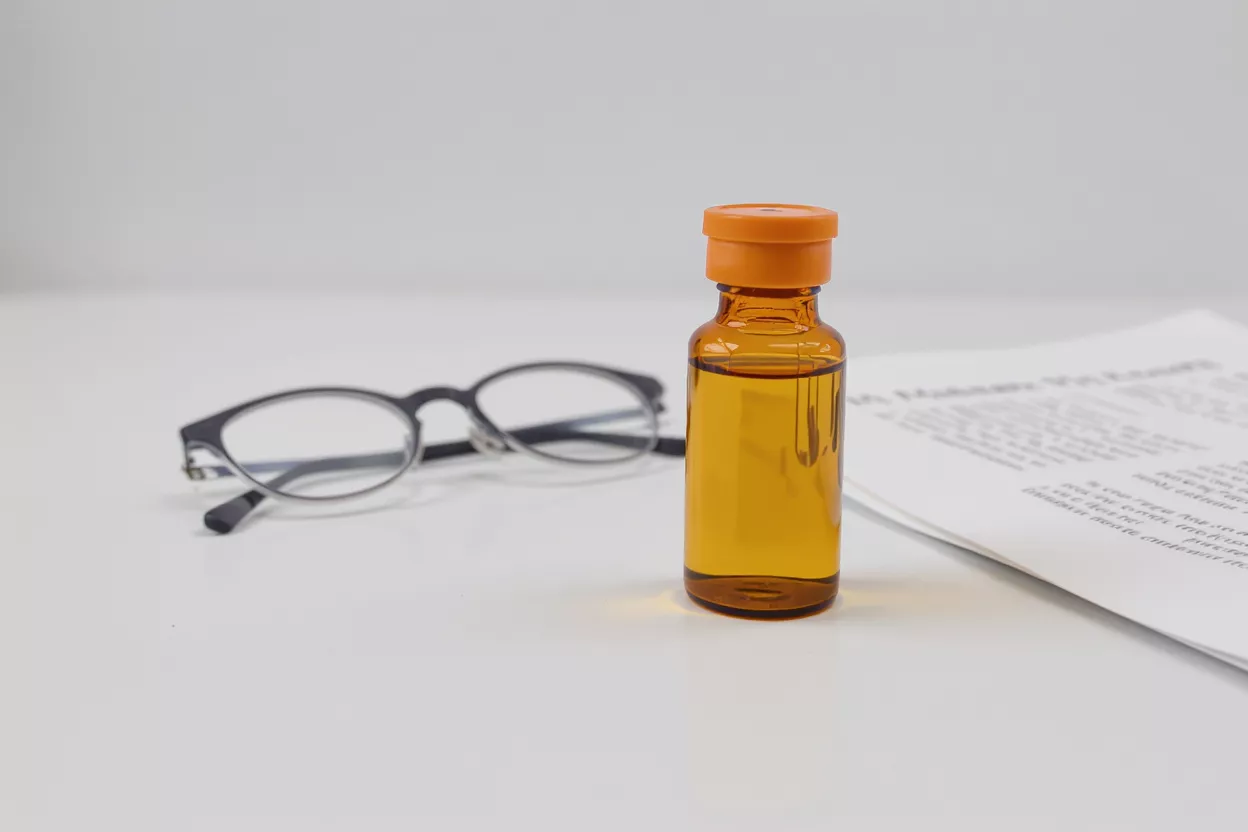
THC distillate is one of the purest cannabis concentrates available, a thick, golden, translucent oil that can test north of 90% THC. Unlike whole-plant extracts that preserve a broad spectrum of compounds, distillate is refined down to a single cannabinoid through a process of repeated separation. The result is a near-flavorless, odorless concentrate prized for its versatility and raw strength.
Where the name comes from: The word "distillate" describes the method, not the plant. Just as alcohol is distilled to increase purity, cannabis oil is heated and separated so that THC can be isolated from fats, waxes, chlorophyll, and other plant material. What remains is an exceptionally clean concentrate slurry that has been stripped of nearly everything except the target cannabinoid.
Because it is so refined, THC distillate has become the backbone of the modern cannabis market. It shows up in vape cartridges, edibles, tinctures, and topicals precisely because it is consistent, potent, and easy to measure. For anyone new to concentrates, distillate is often the first product they encounter without even realizing it is the active ingredient inside their favorite gummy or pen.
How THC Distillate Is Made
Extraction comes first: Before distillation can happen, raw cannabinoids must be pulled from the flower. Many producers rely on CO2 extraction, a method that uses pressurized carbon dioxide to draw oils from the plant without leaving solvent residue. The resulting CO2 oil is a crude extract still full of waxes, lipids, and pigments that need to be removed before the oil can be considered distillate.
Winterization and decarboxylation: The crude extract is dissolved in alcohol and chilled so that fats and waxes solidify and can be filtered out, a step known as winterization. The oil is then decarboxylated, a controlled heating that activates THC so it produces effects when consumed. According to WebMD, raw cannabis contains THCA that must be heated before it converts into the psychoactive THC most people are seeking.
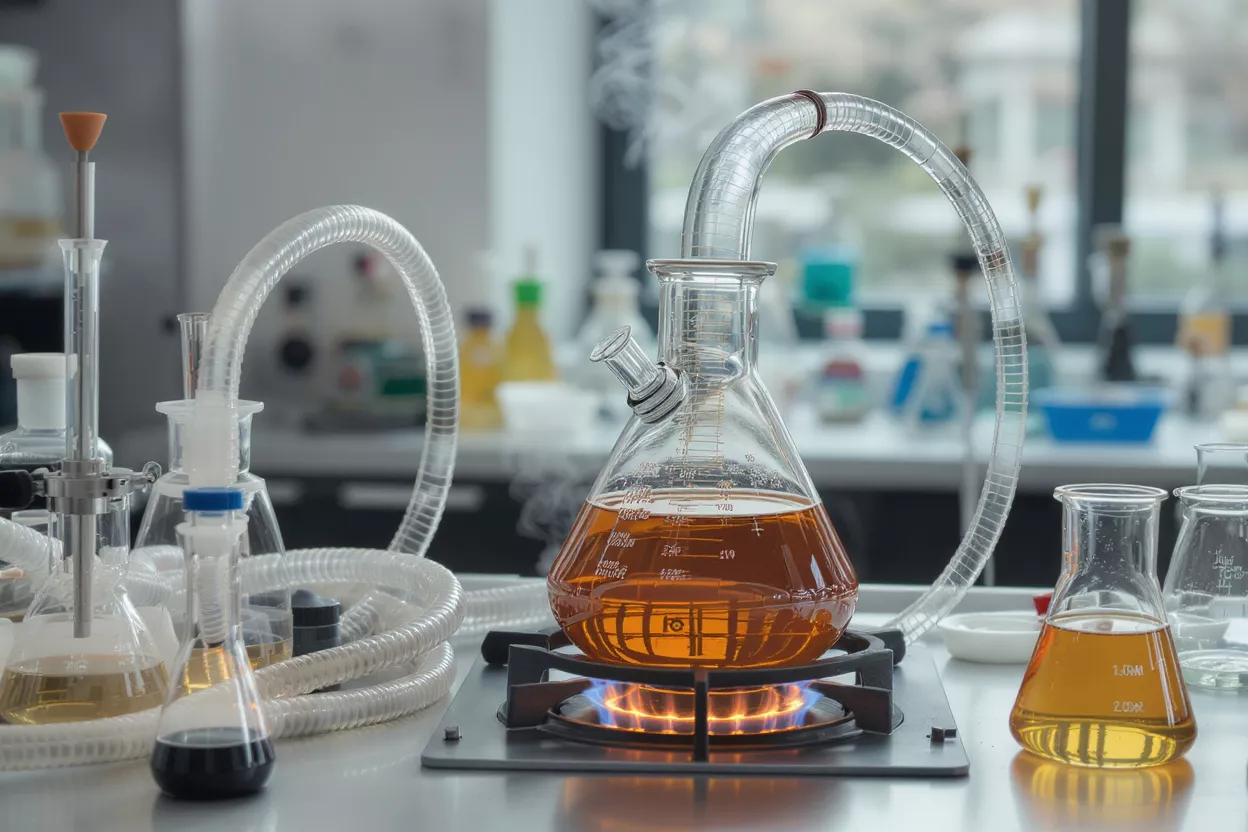
The final stage is short-path or wiped-film distillation. The cleaned oil is gently heated under vacuum so that individual compounds boil off at different temperatures and are collected separately. This precise fractioning is what allows producers to capture nearly pure THC while leaving impurities behind. The technique borrows directly from petroleum and essential-oil refining, applied here to cannabis at a molecular level.
THC Distillate vs Other Concentrates
Distillate sits at one end of the concentrate spectrum, defined by purity rather than flavor. Other popular concentrates take a very different approach, preserving terpenes and the textured character of the plant. Understanding the contrast helps you choose the right product for the experience you want.
How distillate compares: Where crumble shatters and crumbles into a waxy honeycomb, distillate pours like warm syrup. Live resin and sauce keep the loud aroma of fresh flower, while distillate is intentionally stripped of it. Each format trades something to gain something else, and there is no single best choice for everyone.
- 💧 Distillate: Ultra-high THC, near-flavorless, ideal for edibles and discreet vaping.
- 🍯 Crumble: A dry, waxy concentrate that breaks apart easily and dabs well.
- 🌿 Live resin: Flash-frozen flower retains terpenes for full flavor and aroma.
- 🧪 Concentrate slurry: An intermediate, uncrystallized extract often refined further into distillate.
- 💎 Isolate: A crystalline single cannabinoid, even more refined than standard distillate.
If flavor and a full-spectrum experience matter most to you, terpene-rich extracts win. If you want clean potency that blends invisibly into recipes or vapes, a high-purity THC distillate vape cartridge is hard to beat. Many enthusiasts keep both on hand for different occasions, the same way a wine lover keeps reds and whites.
Why THC Distillate Is So Potent
The defining feature of distillate is concentration. By removing everything that is not THC, producers shrink the volume while preserving the active compound, which pushes potency dramatically higher than dried flower. A single gram of quality distillate can contain more THC than several grams of premium bud.
What gets left behind matters: Removing chlorophyll, waxes, and most terpenes does more than boost numbers on a lab report. It changes the experience. Without terpenes like citronellol or compounds such as cymene to shape the aroma, distillate delivers effects without the herbal taste, which many users prefer in edibles and tinctures. The tradeoff is the loss of the entourage effect that terpenes contribute.
That intensity is why distillate can lead to couch lock or strong sedation if you overdo it, especially with indica-derived material. WebMD notes that higher-potency cannabis products carry a greater risk of unwanted side effects, so respecting the strength of distillate is essential rather than optional.
Ways to Use THC Distillate
One reason distillate dominates the market is sheer flexibility. Because it is flavorless and stable, it can be added to almost any delivery method without overpowering the result. From vaping to cooking, the same jar of oil can serve a dozen purposes.
Vaping and dabbing: Distillate is the standard fill for vape cartridges, where its low viscosity and clean burn shine. It can also be dabbed directly, though many users add a terpene blend first to restore flavor. Convection vaporizers heat it gently and evenly, avoiding the harshness of direct flame.
- 🔥 Vape carts: The most common use, offering portable, controlled dosing.
- 🍪 Edibles: Stir activated distillate into butter, oil, or recipes for homemade treats.
- 💊 Tinctures: Blend with a carrier oil for measured sublingual drops.
- 🧴 Topicals: Mix into salves for localized application without psychoactive effect.
- 🌬️ Dabbing: Vaporize a small amount for fast-acting, potent effects.
For edibles, the key advantage is precision. Since you know the THC percentage, you can calculate an exact dose per serving, something far harder with raw flower. Home cooks who want reliable results often reach for a measured THC tincture for edibles rather than guessing with infused butter.
THC Distillate Dosing Guide
Because distillate is so concentrated, dosing demands care. A dab the size of a grain of rice can deliver more THC than an entire joint. Starting low and going slow is not a cliché here, it is the difference between an enjoyable session and an overwhelming one.
Calculating an edible dose: If a gram of distillate tests at 900mg THC, then one-tenth of a gram contains roughly 90mg. Divided across ten servings, that is about 9mg per portion, near the standard beginner edible dose. Doing this math before you cook prevents the classic mistake of an accidentally overpowering batch.
Tolerance varies enormously between individuals, and the route of consumption changes timing. Inhaled distillate hits within minutes, while edibles can take one to two hours to peak. WebMD emphasizes waiting for full effects before redosing, since impatience is the leading cause of uncomfortable edible experiences. Patience protects you from a crossfade you did not intend.
THC Distillate Benefits and Effects
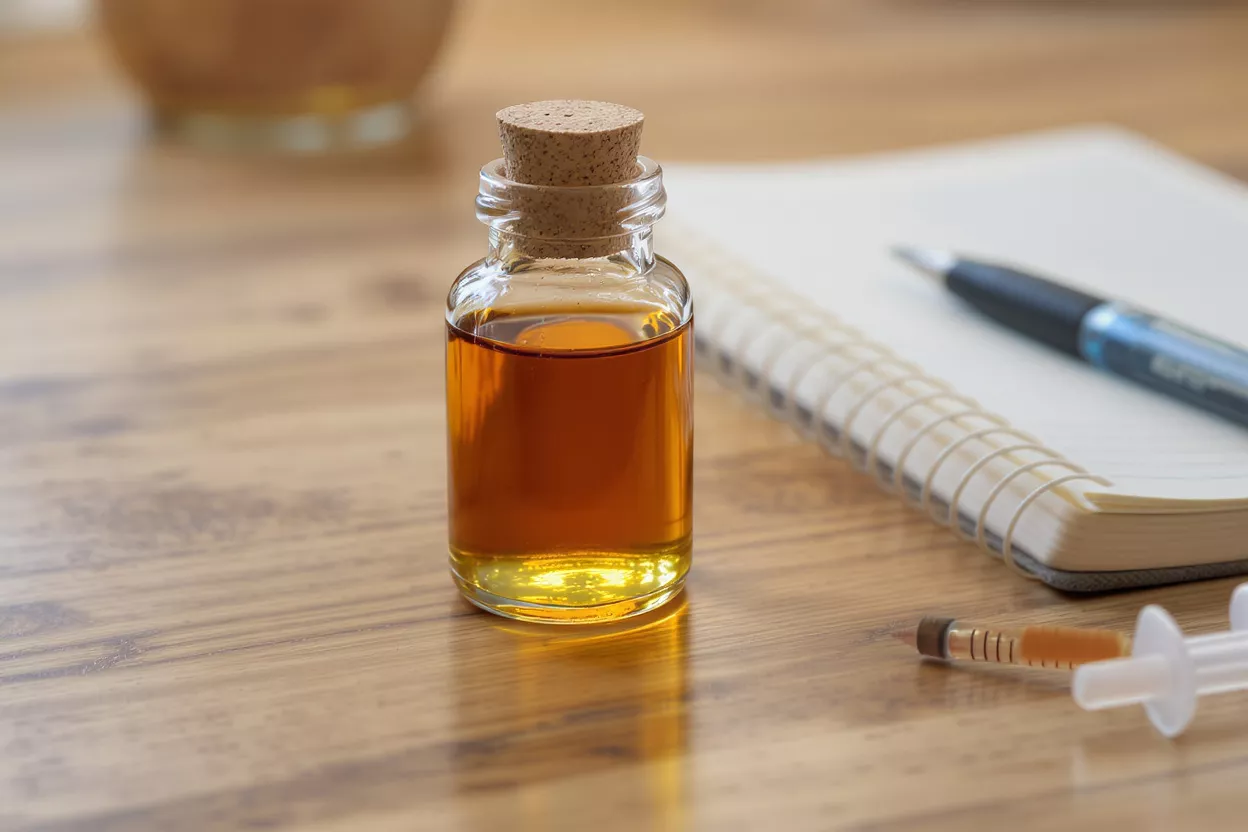
The appeal of distillate comes down to control. With a known potency and a neutral profile, you decide exactly how much THC you consume and how it is delivered. That predictability is valuable for both recreational users and those exploring cannabis for wellness.
Consistency and discretion: Because distillate is odorless and tasteless, it is far more discreet than flower. There is no lingering smell, no herbal aftertaste, and no guesswork about strength. For people who want effects without announcing their consumption to the room, this neutrality is a genuine benefit.
Effects mirror those of other THC products but arrive with more punch. Users commonly report euphoria, relaxation, appetite stimulation, and at higher doses, deep sedation. Some pair distillate with supplements like cordyceps or curcumin as part of a broader wellness routine, though distillate itself simply delivers THC efficiently. The experience is shaped less by the format and more by the dose you choose.
Is THC Distillate Safe?
Purity cuts both ways: A properly made distillate that has been winterized and tested is among the cleanest cannabis products you can buy, free of pesticides and residual solvents. The catch is that safety depends entirely on the quality of production and the integrity of the lab testing behind it.
The main risk is potency rather than contamination when the product is reputable. Overconsumption can produce anxiety, rapid heartbeat, dry mouth, and dizziness. Cottonmouth in particular is nearly universal with strong THC products, so keeping water nearby is wise. According to WebMD, THC affects salivary glands directly, which explains that persistent dry-mouth sensation.
Unregulated or counterfeit cartridges are where real danger lies, since they may contain cutting agents or untested additives. Always buy from licensed sources that publish current lab results. A trustworthy brand makes its certificates of analysis easy to find, and choosing a lab-tested distillate cartridge is the single best way to protect yourself.
How to Choose Quality THC Distillate
Not all distillate is created equal. Color, clarity, and lab data tell you most of what you need to know before you buy. High-quality distillate is light gold and transparent, while dark or cloudy oil can signal leftover impurities or degradation from heat and age.
What to look for on the label: A complete certificate of analysis should list cannabinoid potency plus screens for pesticides, heavy metals, residual solvents, and microbials. Distillate made from material grown through careful cultivation and extracted via clean methods like CO2 extraction tends to test cleaner than oil from unknown sources.
Pay attention to the source genetics as well. Whether the starting material came from a single clone, a stabilized cross, or a particular cola of premium flower, reputable producers are transparent about provenance. Curing the flower properly before extraction also improves the final product, since poorly stored input material carries unwanted flavors and contaminants forward into the concentrate.
Storing THC Distillate Properly
Distillate is stable, but it is not indestructible. Heat, light, and air slowly degrade THC over time, dulling potency and darkening the oil. Treating your concentrate with a little care keeps it potent and pleasant for far longer.
- ❄️ Keep it cool: Store in a dark cupboard or refrigerator away from heat sources.
- 🌑 Block light: UV exposure breaks down cannabinoids, so use opaque or amber containers.
- 🫙 Limit air: Seal jars tightly to slow oxidation that degrades quality.
- 📅 Use within a year: Distillate keeps well but is best enjoyed fresh.
Reviving thick distillate: Cold storage makes the oil firm and difficult to handle. Warming the container in your hands or briefly in warm water restores its syrupy flow without harming the THC. Avoid direct heat or microwaving, which can scorch the oil and accelerate breakdown.
THC distillate represents the precision end of the cannabis world, an exceptionally pure concentrate that puts potency and control directly in your hands. From its careful production through winterization and vacuum distillation to its endless uses in vapes, edibles, and tinctures, distillate rewards users who respect its strength and buy from transparent, lab-tested sources. Start with modest doses, store your oil properly, and you will have a versatile concentrate that fits nearly any cannabis routine you can imagine.