


Cedrene
Discover cedrene, the woody cannabis terpene with anti-inflammatory promise.
What Is Cedrene in Cannabis?
Cedrene is a sesquiterpene found in trace amounts across many cannabis cultivars, prized for the deep, coniferous scent it lends to flower and concentrates. While it rarely dominates a strain's chemical profile the way myrcene or limonene often do, cedrene contributes meaningfully to the cedar-like backbone that gives certain cultivars their forest-floor character. Understanding cedrene helps growers, budtenders, and patients appreciate how minor terpenes shape the full sensory and therapeutic experience.
Where the name comes from: Cedrene takes its identity from cedarwood, where it was first characterized in significant concentration. Chemically it exists in two closely related isomers, alpha-cedrene and beta-cedrene, which share a molecular formula of C₁₅H₂₄ but differ subtly in structure. Both forms occur in conifer oils, juniper, and a range of aromatic plants, which is why cedrene reads so strongly as "outdoorsy" to the human nose.
As a sesquiterpene, cedrene belongs to a larger and heavier class of terpene molecules than the monoterpenes responsible for brighter citrus and pine notes. This heavier weight means cedrene tends to evaporate more slowly, persisting in cured flower and contributing to the lingering, grounded aromas that experienced consumers associate with high-quality, terpene-rich cannabis.
What Does Cedrene Smell and Taste Like?
The signature of cedrene is unmistakably woody. Think freshly sharpened pencils, cedar chests, and the resinous tang of a coniferous forest after rain. This terpene anchors the earthy, dry-wood notes that balance out sweeter or fruitier compounds in a strain's bouquet, creating depth rather than sharpness.
The flavor experience: On the palate, cedrene translates into a subtle, dry warmth rather than an overt taste. It rounds out smoke and vapor with an almost incense-like quality, lending sophistication to cultivars that might otherwise read as one-dimensional. Connoisseurs often describe cedrene-forward strains as having an "old growth" or "forest" finish.
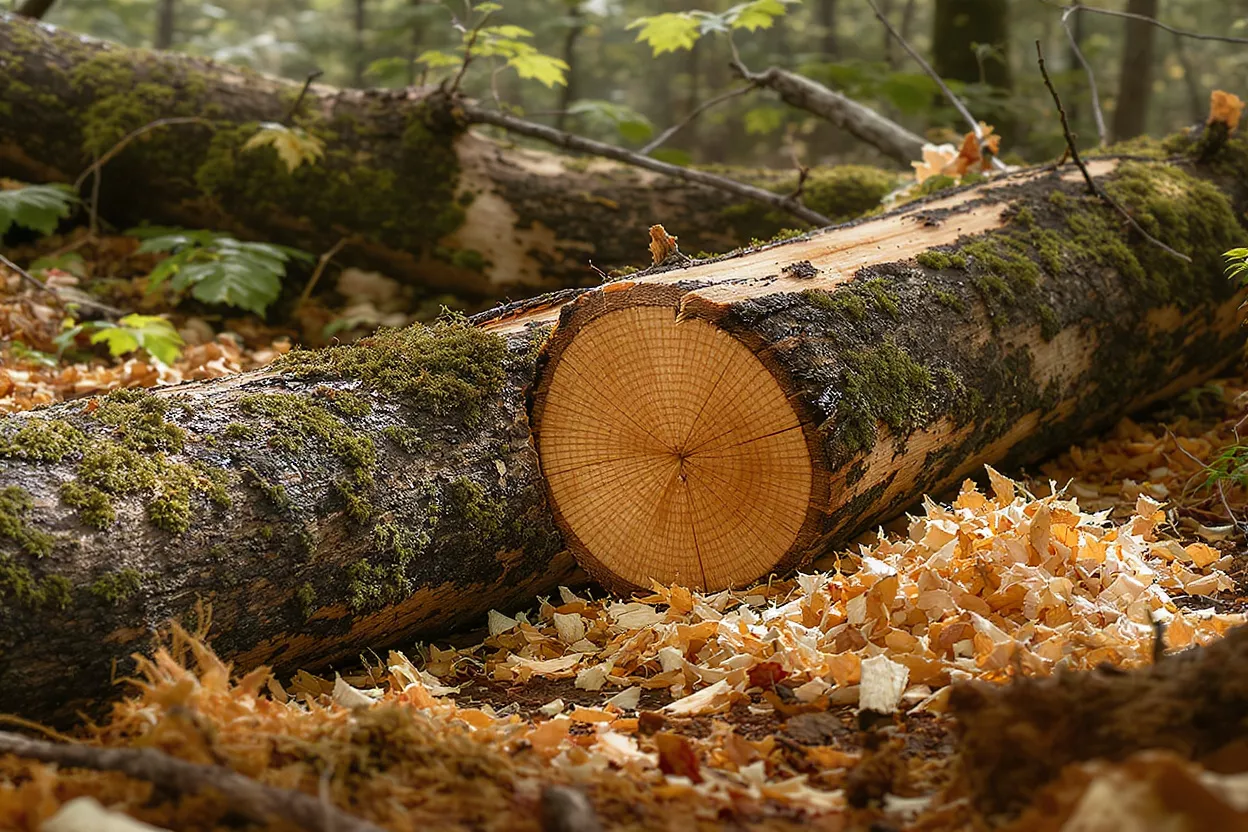
Because aroma is the first thing most people evaluate when selecting cannabis, recognizing cedrene's contribution can sharpen your sensory vocabulary. When you notice a cedar or sharpened-pencil note layered beneath pine and herbs, you are very likely smelling cedrene at work alongside related compounds like pinene.
How Cedrene Works in the Body
Like other terpenes, cedrene interacts with the body through multiple pathways rather than a single receptor. It is lipophilic, meaning it dissolves readily in fats and crosses cell membranes easily, which allows it to influence biological systems once absorbed through inhalation, ingestion, or topical application.
Receptor activity: Research on cedrene and its isomers suggests interaction with cannabinoid and adenosine receptors, hinting at a role in how the broader endocannabinoid system modulates mood, inflammation, and metabolism. Some studies on alpha-cedrene specifically have explored its influence on fat metabolism and cellular signaling, an area still under active investigation.
It is important to frame cedrene research honestly: much of the existing data comes from preclinical, animal, and in-vitro studies rather than large human trials. While these findings are promising and biologically plausible, they should be read as early-stage science rather than settled medical fact. The terpene's true value in cannabis often emerges in concert with cannabinoids and other terpenes.
Cedrene Effects and Potential Benefits
Although cedrene is not psychoactive on its own, the effects attributed to it stem from its interaction with the nervous system and inflammatory pathways. Users and researchers alike associate woody, cedrene-rich aromatics with a grounding, calming quality, which may contribute to the relaxing reputation of certain strains.
Reported and researched benefits: The areas where cedrene shows the most scientific interest include the following:
- 🌲 Anti-inflammatory potential: Preclinical work suggests cedrene may help moderate inflammatory responses, a property shared by several woody sesquiterpenes.
- 🧠 Neuroprotective signals: Early studies point to possible protective effects on neural tissue, though human confirmation is still needed.
- ⚖️ Metabolic influence: Research on alpha-cedrene has examined its effect on lipid metabolism and fat-cell behavior.
- 😌 Calming aromatherapy: The cedar-forest scent is widely used in aromatherapy to promote a sense of grounded relaxation.
None of these benefits should be taken as medical claims. Instead, view them as the leading edges of research that help explain why cedrene-rich cannabis and cedarwood-derived products have such a long history of use in wellness traditions.

Is Cedrene Anti-Inflammatory?
Among cedrene's most studied properties is its potential to dampen inflammation. Sesquiterpenes as a class frequently show anti-inflammatory behavior in laboratory models, and cedrene appears to fit that pattern by influencing the signaling molecules that drive inflammatory cascades.
Why this matters for cannabis users: Many people turn to cannabis for relief from inflammation-related discomfort, and the entourage of terpenes present can shape that experience. A cultivar that combines anti-inflammatory cannabinoids like CBD with supportive terpenes such as cedrene and caryophyllene may offer a more rounded effect than any single compound alone.
That said, the anti-inflammatory evidence for cedrene remains preliminary. It is best understood as one contributor within a complex botanical matrix, not a standalone treatment. Anyone managing a medical condition should approach these properties as supplementary context rather than a substitute for professional care.
Cedrene vs Other Woody Terpenes
Cedrene shares the woody, earthy lane with several other notable terpenes, and distinguishing them helps clarify what each brings to a strain. While they overlap aromatically, their nuances and reported effects differ in meaningful ways.
How the woody terpenes compare:
- 🌲 Cedrene: Dry cedarwood and sharpened-pencil notes; researched for anti-inflammatory and metabolic effects.
- 🌿 Pinene: Bright, fresh pine; associated with alertness and potential bronchodilation.
- 🍺 Humulene: Hoppy, earthy wood; noted for appetite-suppressing and anti-inflammatory research.
- 🌶️ Caryophyllene: Spicy, peppery wood; uniquely binds CB2 receptors directly.
- 🌍 Bisabolol: Soft, floral-woody warmth; valued for soothing skin applications.
Understanding these distinctions lets consumers read a terpene profile with more precision. When cedrene appears alongside humulene and pinene, the result is a layered, forest-like aroma that defines many earthy hybrid cultivars.
Cannabis Strains High in Cedrene
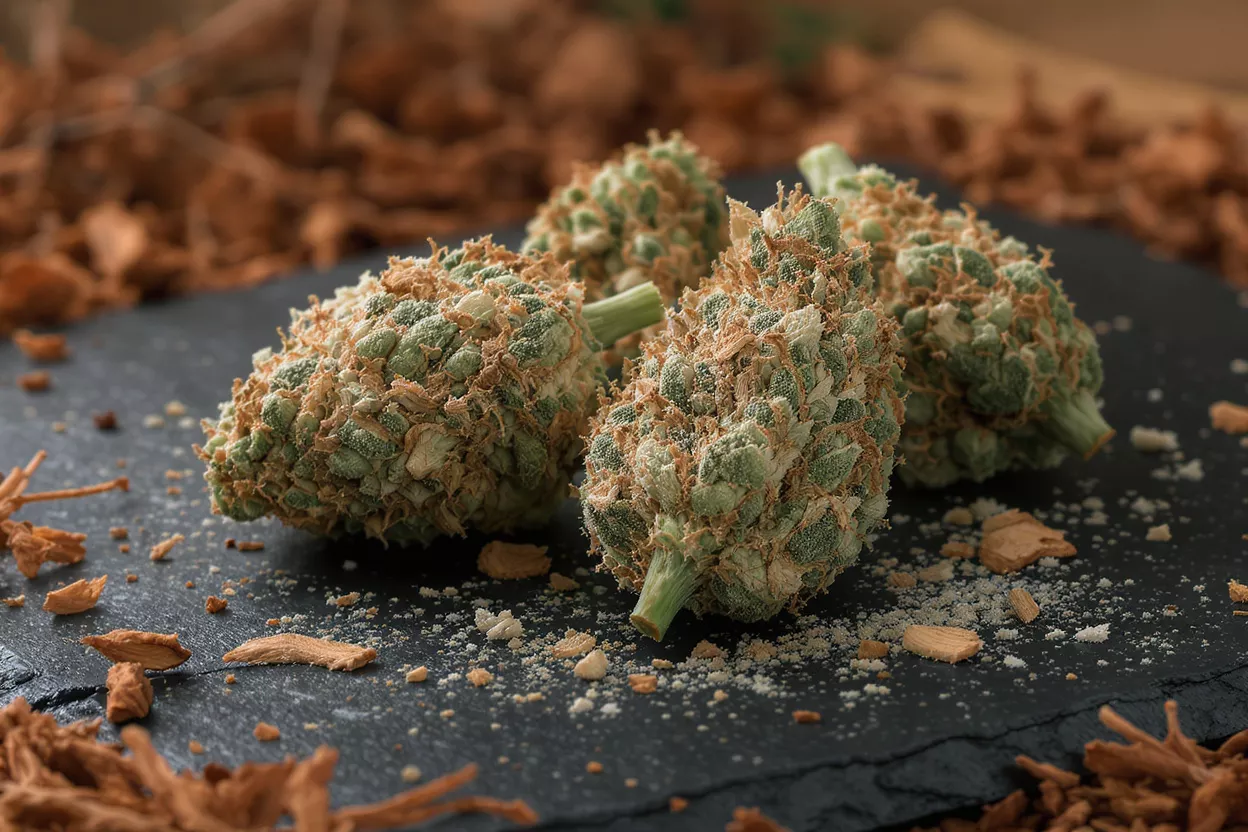
Because cedrene is a minor terpene, no strain is built entirely around it, but certain cultivars express it prominently enough to shape their character. These tend to be earthy, kush-leaning, and pine-forward varieties with a distinctly grounded profile.
What to look for on a lab report: Since cedrene often appears in small percentages, the best way to identify cedrene-rich flower is to request a full terpene panel from your dispensary. Look for cultivars where cedrene appears alongside myrcene and caryophyllene, as this combination typically signals the deep, woody strains many evening users prefer.
Heritage indica and kush lineages are common candidates for noticeable cedrene, given their resinous, earthy genetics. Cultivators focused on terpene preservation through slow curing and cold storage are more likely to retain heavier sesquiterpenes like cedrene, which can degrade with heat and time.
Cedrene and the Entourage Effect
The entourage effect describes how cannabinoids and terpenes work together to produce effects greater than the sum of their parts. Cedrene is a quiet but meaningful participant in this synergy, contributing both aroma and subtle physiological influence to the whole-plant experience.
Synergy in practice: When cedrene combines with cannabinoids like THC and CBD, its anti-inflammatory and grounding qualities may complement the broader effect profile. This is why full-spectrum and live-resin products, which preserve the natural terpene blend, are often described as richer and more nuanced than isolate-based alternatives.
For consumers chasing specific experiences, paying attention to minor terpenes like cedrene can be the difference between a generic high and a tailored one. The presence of these supporting compounds is a hallmark of carefully grown, properly processed cannabis.
Cedrene Beyond Cannabis
Cedrene's relevance extends well past the cannabis plant. It is a workhorse aromatic in the fragrance and personal-care industries, valued for the warm, long-lasting woody base it provides in perfumes, soaps, and candles.
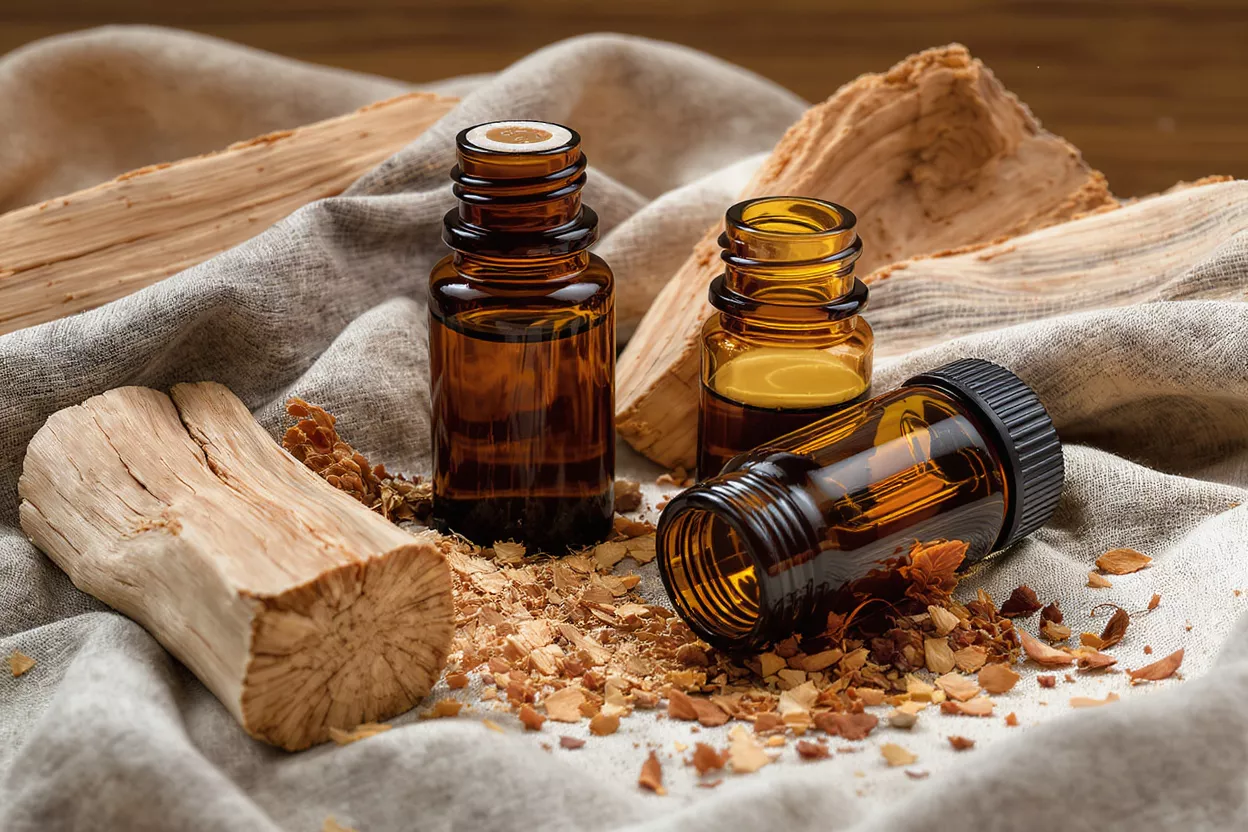
Traditional and industrial uses: Cedarwood oil rich in cedrene has been used for centuries as a natural insect repellent, a preservative for textiles, and a calming element in traditional aromatherapy. Its persistence and pleasant scent make it a popular fixative that helps other fragrance notes last longer.
This broad presence outside cannabis underscores cedrene's safety profile and human familiarity. The same molecule that lends depth to a kush cultivar has been part of human environments, from cedar closets to incense, for generations, which speaks to its enduring sensory appeal.
Is Cedrene Safe to Consume?
Cedrene is generally regarded as safe at the trace levels found naturally in cannabis and in approved fragrance and food applications. As a compound that humans have encountered through plants, woods, and essential oils for centuries, it carries a long track record of routine, low-risk exposure.
Sensible precautions: As with any concentrated essential oil or terpene isolate, undiluted cedrene should never be ingested or applied directly to skin, since high concentrations can cause irritation. Within whole-plant cannabis, the amounts present are minuscule and pose no comparable concern. Pregnant individuals and anyone with significant health conditions should consult a healthcare provider before using terpene-rich products.
Ultimately, cedrene is a small but characterful piece of the cannabis puzzle. Its woody aroma, promising preliminary research, and deep roots in traditional aromatherapy make it a terpene worth knowing. As cannabis science continues to mature, minor compounds like cedrene are gaining the attention they deserve, reminding us that the plant's value lies in the harmony of its many parts rather than any single headline ingredient.





Comments