Cannabis-infused oil
Learn everything about cannabis-infused oil, from how it's made to dosing and cooking tips.
What Is Cannabis-Infused Oil
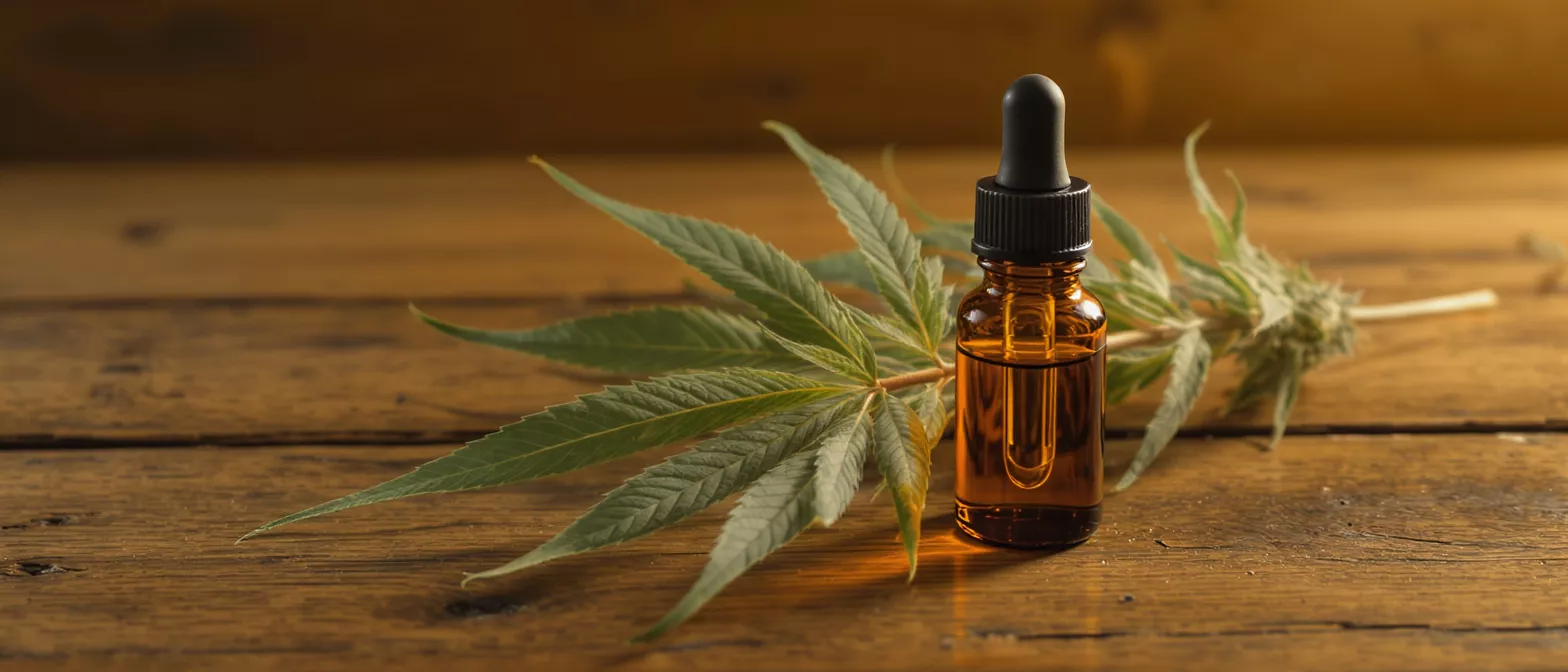
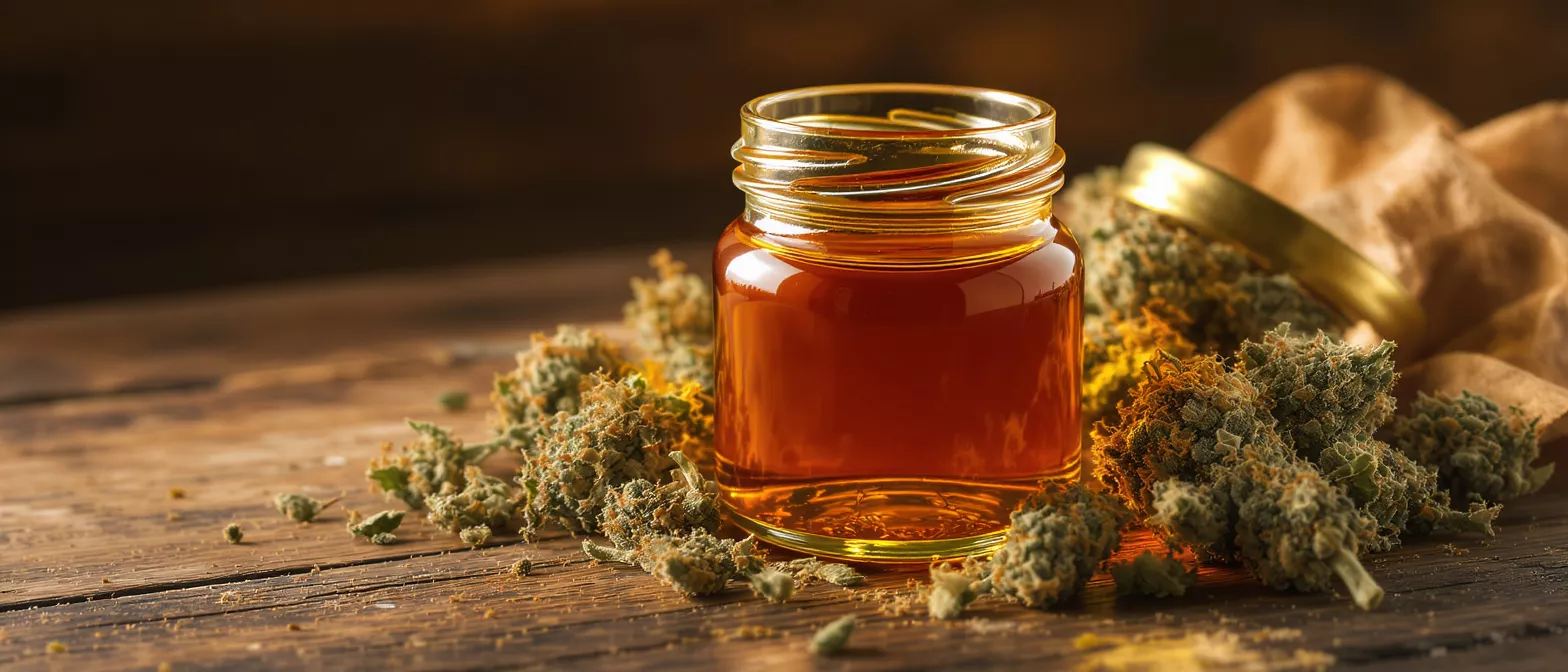
Cannabis-infused oil is a culinary and therapeutic preparation made by steeping cannabis plant material in a fat-based carrier so that the plant's active compounds dissolve into the oil. Because cannabinoids like THC, CBD, and CBN are fat-soluble rather than water-soluble, they bind readily to lipids, which is precisely why oil makes such an effective delivery vehicle. The finished product is a versatile base that can be eaten, cooked with, or applied to the skin depending on how it was formulated.
Why cannabis bonds to oil so well comes down to molecular chemistry. The trichomes coating cannabis flower are packed with resinous cannabinoids and terpenes that repel water but cling eagerly to fats. When you gently heat plant material in a carrier oil, those compounds migrate out of the trichomes and suspend evenly throughout the liquid. This same principle is why a chillum or a pipe burns flower for inhalation, while edibles instead rely on fat extraction to carry the same actives through your digestive system.
The role of decarboxylation is the detail most beginners overlook. Raw cannabis contains acidic precursors like CBGA and THCA rather than the active forms our bodies respond to most strongly. Heating the flower converts these acids into their neutral counterparts, unlocking the effects people actually seek. Without this step, your oil will be far weaker than expected. According to Forbes, growing consumer interest in homemade infusions has turned this once-niche kitchen process into a mainstream wellness practice.
How Cannabis-Infused Oil Is Made
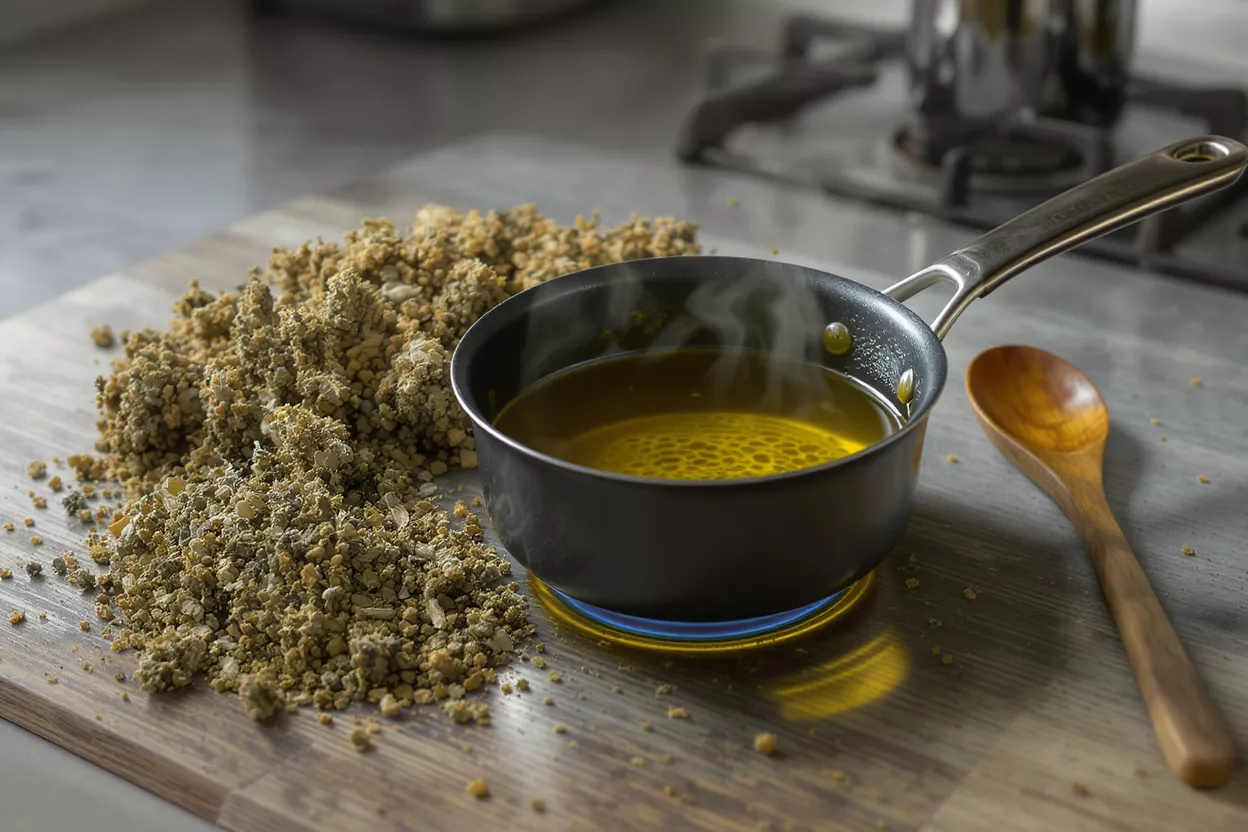
Making cannabis-infused oil at home is straightforward once you understand the two non-negotiable stages: decarboxylation and infusion. First you spread ground flower on a baking sheet and warm it at a low oven temperature to activate the cannabinoids without scorching the delicate terpenes. Then you combine that activated material with your chosen carrier oil and apply gentle, sustained low heat to coax the compounds into the fat.
Temperature control separates a smooth, potent batch from a harsh, weak one. Too hot and you vaporize cannabinoids and burn off aromatic terpenes such as the woody, cedrene terpene effects that give certain strains their character. Too cool and extraction stalls. Most experienced makers hold their infusion between low and moderate heat for several hours, stirring occasionally and never letting the mixture reach a rolling boil.
Straining and filtration finish the job. Once infusion is complete, you pour the oil through cheesecloth or a fine mesh to separate spent plant material from the finished liquid. Pressing the cloth too aggressively pushes chlorophyll and grassy bitterness into the oil, so a patient drip yields a cleaner taste. For anyone who would rather skip the labor entirely, a ready-made infused cooking oil delivers consistent potency without the kitchen guesswork.
Types of Cannabis-Infused Oil
Not all cannabis-infused oils are created equal, and the type you choose depends on your goals. Some are formulated for cooking, others for sublingual dosing, and still others purely for topical application. The cannabinoid profile matters just as much as the carrier: a high-THC oil suits recreational and certain medical users, while CBD-dominant blends appeal to those seeking calm without intoxication.
Beyond the familiar THC and CBD options, a growing market has emerged around minor cannabinoids. Oils enriched with CBN are marketed toward sleep support, while CBG and its acidic precursor CBGA attract interest for their distinct, non-intoxicating profiles. Rarer compounds like CBL and CBLA, also known as cannabicyclolic acid, appear in full-spectrum extracts as the plant ages and its chemistry shifts.
- 🌿 Full-spectrum oil: Contains the complete range of cannabinoids and terpenes for an entourage effect.
- 💧 Broad-spectrum oil: Retains supporting compounds but removes detectable THC.
- ✨ Isolate-based oil: A single purified cannabinoid suspended in carrier, with no plant taste.
- 🍳 Culinary oil: Built on flavor-neutral fats meant for cooking and baking.
- 🌙 Nighttime CBN oil: Formulated with sleep-supporting minor cannabinoids.
Cannabis-Infused Oil Benefits
The appeal of cannabis-infused oil lies in its precision and discretion. Unlike smoking a cheeba or packing a chillum, an oil lets you measure exact doses, avoid inhalation entirely, and integrate cannabis into food or skincare seamlessly. For medical users, this consistency is invaluable when managing a daily regimen.
Longer-lasting effects distinguish ingested oil from inhaled cannabis. When you eat infused oil, your liver metabolizes THC into a more potent, longer-acting compound, producing effects that build slowly but persist for hours. This makes oil well suited to sustained relief, though it also demands patience and respect for dosing. Research summarized by Forbes highlights how oral cannabis products have driven much of the industry's recent growth.
Versatility across wellness routines is another genuine draw. The same base oil can season a meal, anchor a tincture, or form the foundation of body care. That flexibility extends into intimate wellness, where a thoughtfully formulated cbd lube or cbd intimacy product can complement a broader self-care routine, and into skincare via a nourishing CBD-infused face oil.
Best Carrier Oils for Cannabis-Infused Oil
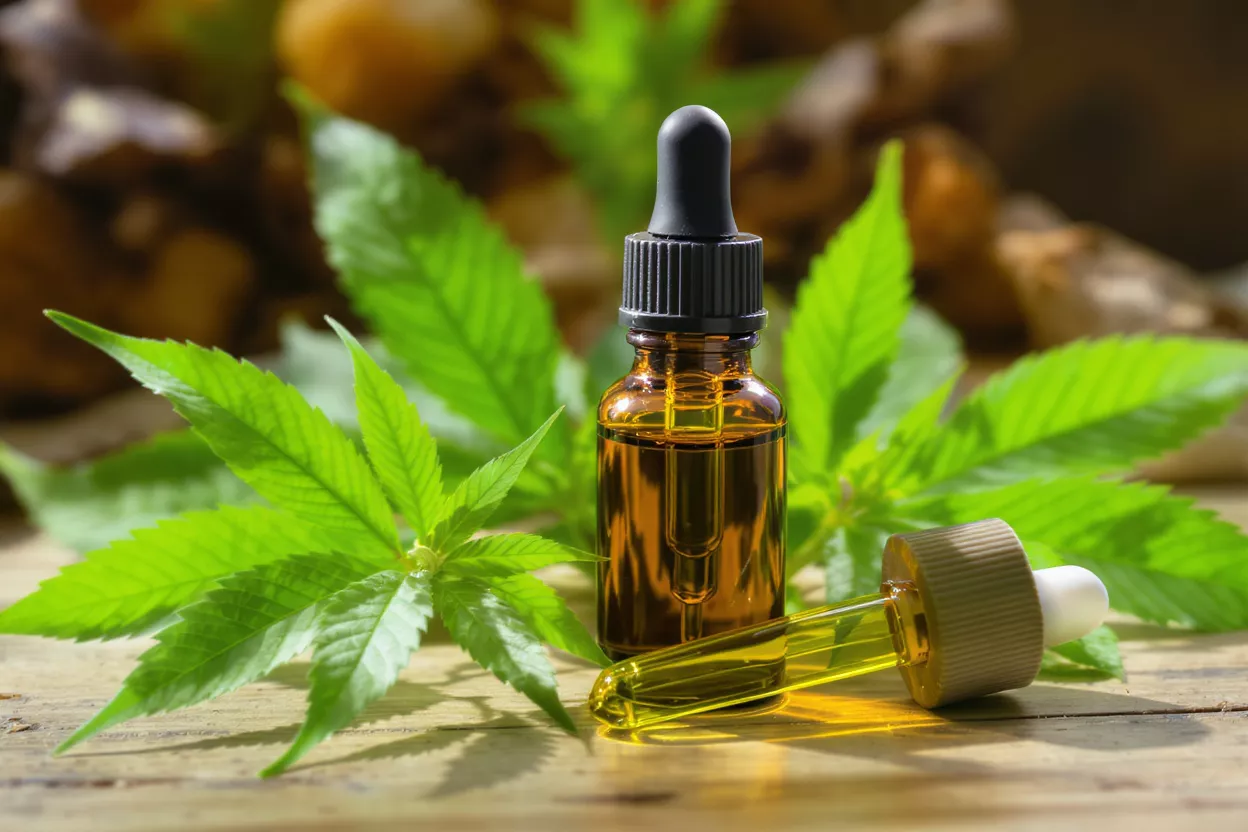
The carrier oil you choose shapes everything from potency to flavor to shelf life. Coconut oil, particularly the MCT fraction, is a perennial favorite because its high saturated-fat content binds cannabinoids efficiently and stays stable. Olive oil offers a heart-healthy profile and rich flavor, while avocado and grapeseed oils bring their own culinary strengths.
Saturated fat content directly influences how much cannabinoid an oil can hold. Fats with more saturated molecules bind more actives, which is why coconut oil consistently tests higher in potency than leaner alternatives. If maximum strength is your goal, a fat-dense carrier gives you more cannabinoid per spoonful.
Flavor pairing deserves real thought. Olive oil's peppery notes complement savory dishes, while neutral oils disappear into baked goods and sweets. Consider how the carrier will interact with capsaicin in spicy recipes or with delicate desserts before you commit.
- 🥥 MCT coconut oil: High binding capacity, neutral taste, long shelf life.
- 🫒 Olive oil: Flavorful, heart-healthy, ideal for savory cooking.
- 🥑 Avocado oil: High smoke point, suited to higher-heat dishes.
- 🌻 Grapeseed oil: Light and neutral with a clean finish.
Cannabis-Infused Oil Dosing Guide
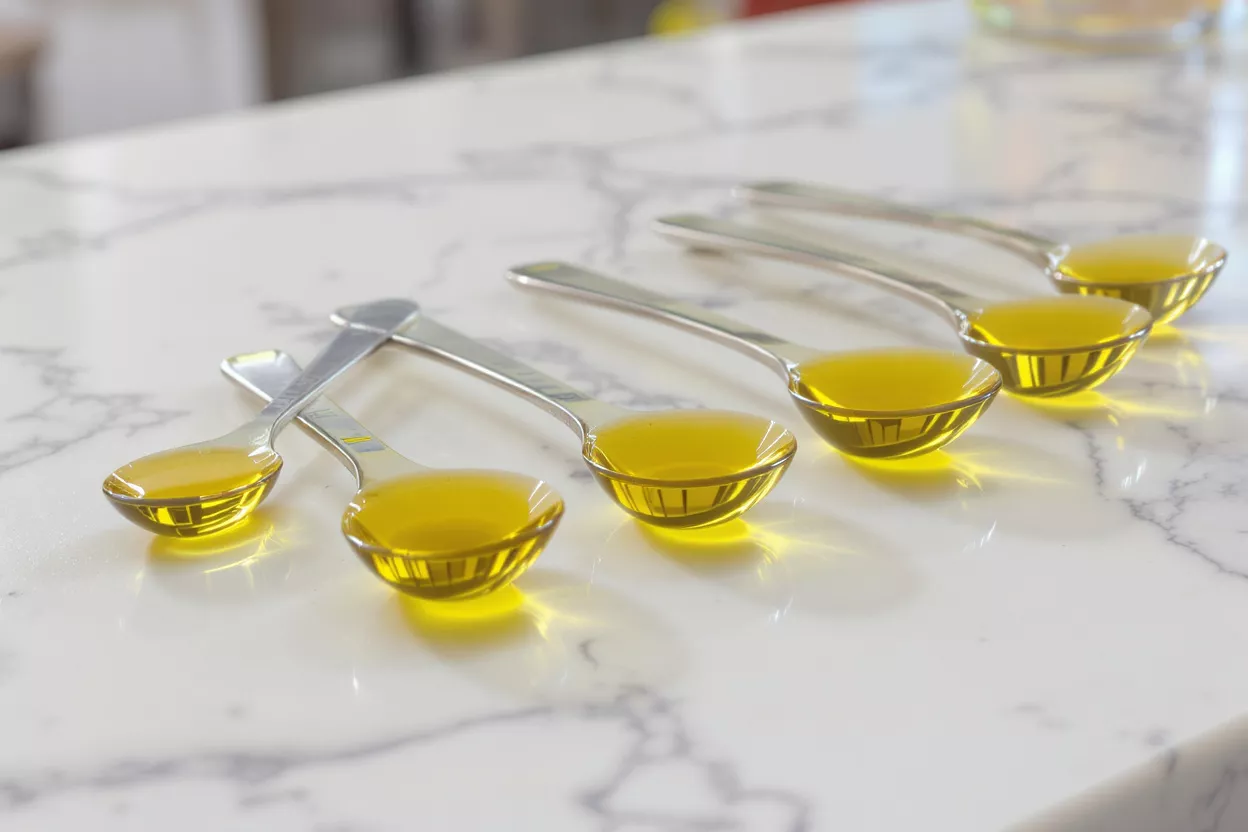
Dosing infused oil accurately is the single most important skill for a safe, enjoyable experience. Because edible cannabis takes effect slowly, the cardinal rule is to start low and go slow. A common starting point is a small measured amount, after which you wait a full ninety minutes to two hours before considering more.
Calculating potency protects you from accidental overconsumption. To estimate the strength of homemade oil, you need the cannabinoid percentage of your starting flower and the total volume of oil produced. Dividing total cannabinoids across the batch tells you roughly how much sits in each teaspoon, letting you portion confidently.
Why edibles feel stronger than the same dose smoked comes back to liver metabolism. Ingested THC converts into a compound that crosses into the brain more readily, intensifying and prolonging the experience. Per Forbes, mislabeled potency remains a concern in some markets, which is all the more reason to measure carefully.
Cooking With Cannabis-Infused Oil
Cooking with cannabis-infused oil opens an entire world of culinary creativity, but heat management is paramount. Cannabinoids degrade at high temperatures, so the golden rule is to keep your cooking below the point where the oil starts to smoke. Drizzling finished oil over a plated dish preserves potency better than frying with it.
Best dishes for infused oil tend to be those cooked gently or served cool. Salad dressings, dips, drizzles, and no-bake desserts retain the most cannabinoid content. When baking, recipes that cap oven temperatures around moderate heat protect your actives far better than anything seared or deep-fried.
Distribution matters as much as temperature. Stir infused oil thoroughly into batters and sauces so each serving carries an even dose rather than concentrating the effect in one corner of the pan. Treat the oil like a potent seasoning rather than a bulk ingredient, and never baptize a dish in far more than a recipe calls for in pursuit of stronger effects.
Topical and Skincare Uses
Beyond the kitchen, cannabis-infused oil has carved out a meaningful place in personal care. Applied to the skin, cannabinoids interact with local receptors without entering the bloodstream in significant amounts, meaning topicals generally do not produce intoxication. This makes them appealing for targeted, localized use.
Skincare formulations range from simple massage oils to elaborate blends. A gentle cbd exfoliating scrub can pair physical exfoliation with cannabinoid soothing, while lighter facial preparations aim to calm and hydrate. The fat-rich nature of infused oil makes it a natural fit for products that need to glide and absorb.
Cannabis topicals also extend into intimate wellness and relaxation rituals. Whether incorporated into a massage routine or a soothing balm, the oil's emollient base carries cannabinoids where you want them. For convenience-minded users, a soothing cannabis topical balm offers a mess-free alternative to mixing your own from scratch.
How to Store Cannabis-Infused Oil
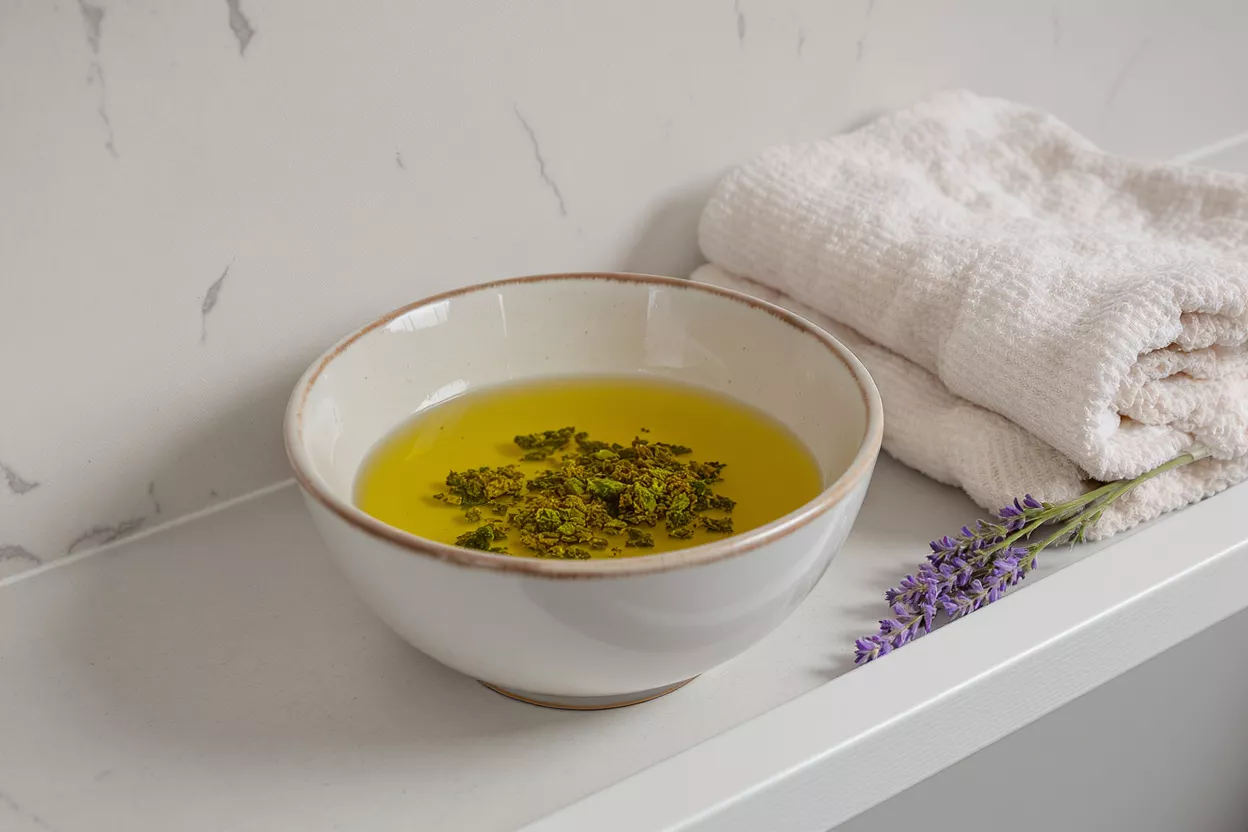
Proper storage determines whether your infused oil stays potent for months or degrades within weeks. Light, heat, and oxygen are the three enemies of cannabinoid stability. Storing oil in an airtight, opaque container in a cool, dark cupboard slows the breakdown of THC into CBN and preserves the terpene profile that gives the oil its aroma.
Shelf life expectations depend heavily on the carrier. Coconut oil resists rancidity for a long stretch thanks to its saturated structure, while more delicate oils turn sooner. Most well-stored infusions remain good for several months to a year, with refrigeration extending that window further.
Watch for signs that an oil has turned. A sour or off smell, cloudiness in an oil that was once clear, or a noticeably diminished effect all signal it is time to make a fresh batch. Labeling each jar with its infusion date and estimated potency removes the guesswork and keeps your dosing reliable over time.
Is Cannabis-Infused Oil Safe
Cannabis-infused oil is generally safe for adults when prepared correctly and dosed responsibly, but a few precautions deserve attention. The most common mishap is overconsumption from impatience, since the delayed onset tempts users to take more before the first dose registers. Respecting the wait time prevents the overwhelming experience that gives edibles their cautionary reputation.
Drug interactions and medical considerations should never be ignored. Cannabinoids can interact with certain medications and may not suit pregnant or nursing individuals. Anyone with an existing health condition or a prescription regimen should consult a healthcare provider before adding infused oil to their routine, and a CBD vape pen may suit those who prefer faster, more controllable onset over the slow build of edibles.
Safe storage around children and pets is non-negotiable. Because infused oil looks identical to ordinary cooking oil, clear labeling and locked storage are essential to prevent accidental ingestion. With sensible handling, accurate dosing, and quality ingredients, cannabis-infused oil is a versatile, reliable addition to both the kitchen and the wellness cabinet, rewarding those who treat it with the respect any potent preparation deserves.