Bract
Discover what a bract is on a cannabis plant, why it holds the most trichomes, and how it affects bud quality.
What Is a Bract on a Cannabis Plant
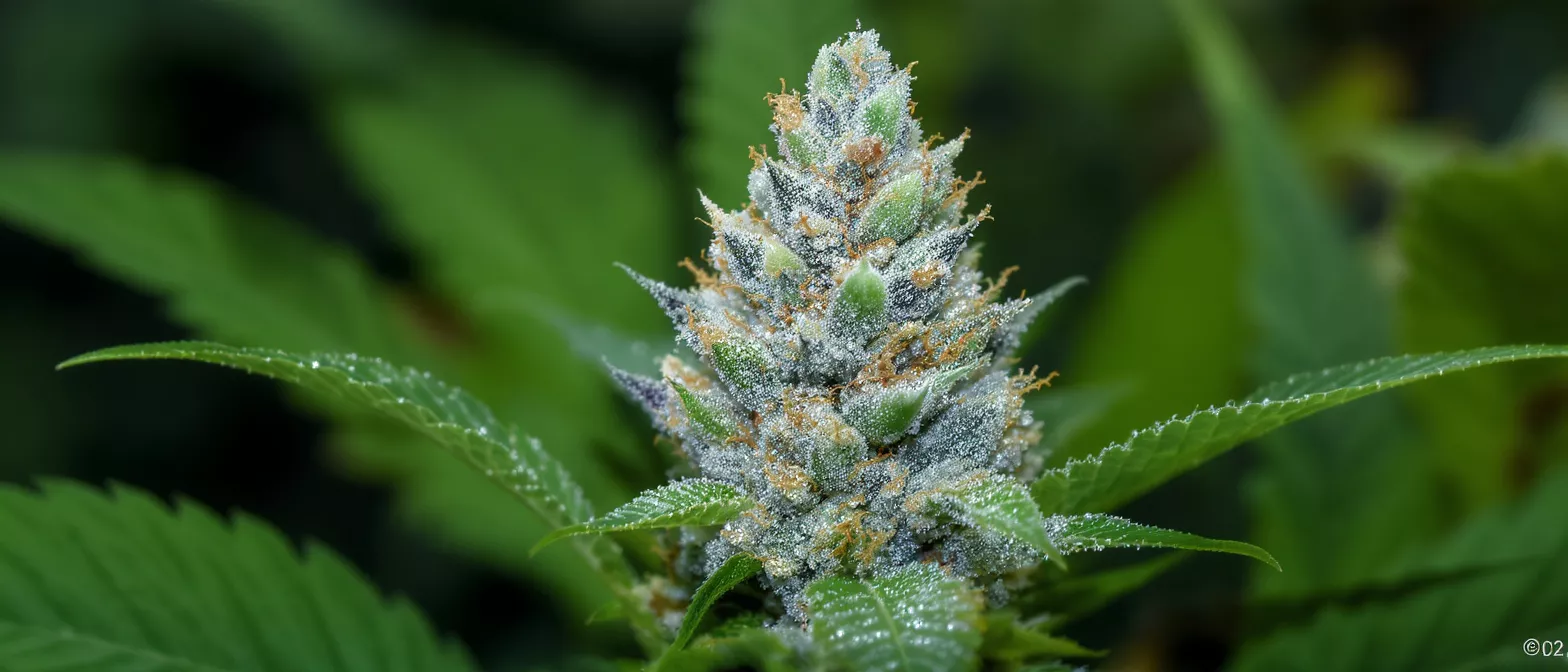
The bract is one of the most important yet misunderstood structures on the cannabis plant, and understanding it unlocks a deeper appreciation of how flowers form, mature, and concentrate their most valuable compounds. In botanical terms, a bract is a modified leaf that sits at the base of a flower or flower cluster. On cannabis specifically, the bract is the small, tear-shaped, leaf-like sheath that encloses the female reproductive organs. If you have ever looked closely at a dense nug and noticed the overlapping green pods that make up its body, you have been looking at bracts.
Bracts differ from ordinary fan leaves and sugar leaves in both shape and function. While fan leaves drive photosynthesis and sugar leaves provide a transitional surface for resin, the bract exists primarily to protect the plant's reproductive future. Each bract wraps around the ovule, creating a sheltered pocket where pollination and seed development can occur safely. This protective role explains why the plant invests so heavily in coating bracts with resin.
For anyone learning the language of cannabis cultivation, the bract is a foundational vocabulary word that sits alongside terms like Cannon, Cheeba, and Cherried in the broader glossary of plant culture. According to RxList, understanding plant anatomy helps consumers make more informed choices about the products they use, and the bract is where much of that informed decision-making begins.
Bract vs Calyx: Clearing Up the Confusion
The calyx myth in cannabis culture: For decades, growers and writers used the word "calyx" to describe the resinous pods that form cannabis flowers. Botanically, this is inaccurate. A true calyx is the whorl of sepals found in many flowering plants, and in cannabis it is a thin, translucent membrane that is barely visible to the naked eye. The structure most people point to and call a calyx is actually the bract.
The confusion persists because the bract and calyx work together so closely. The bract forms the visible outer sheath, while the delicate calyx lies just inside it, hugging the ovule. Because the bract is the part you can see, touch, and admire under magnification, it became the popular shorthand for the whole reproductive package.
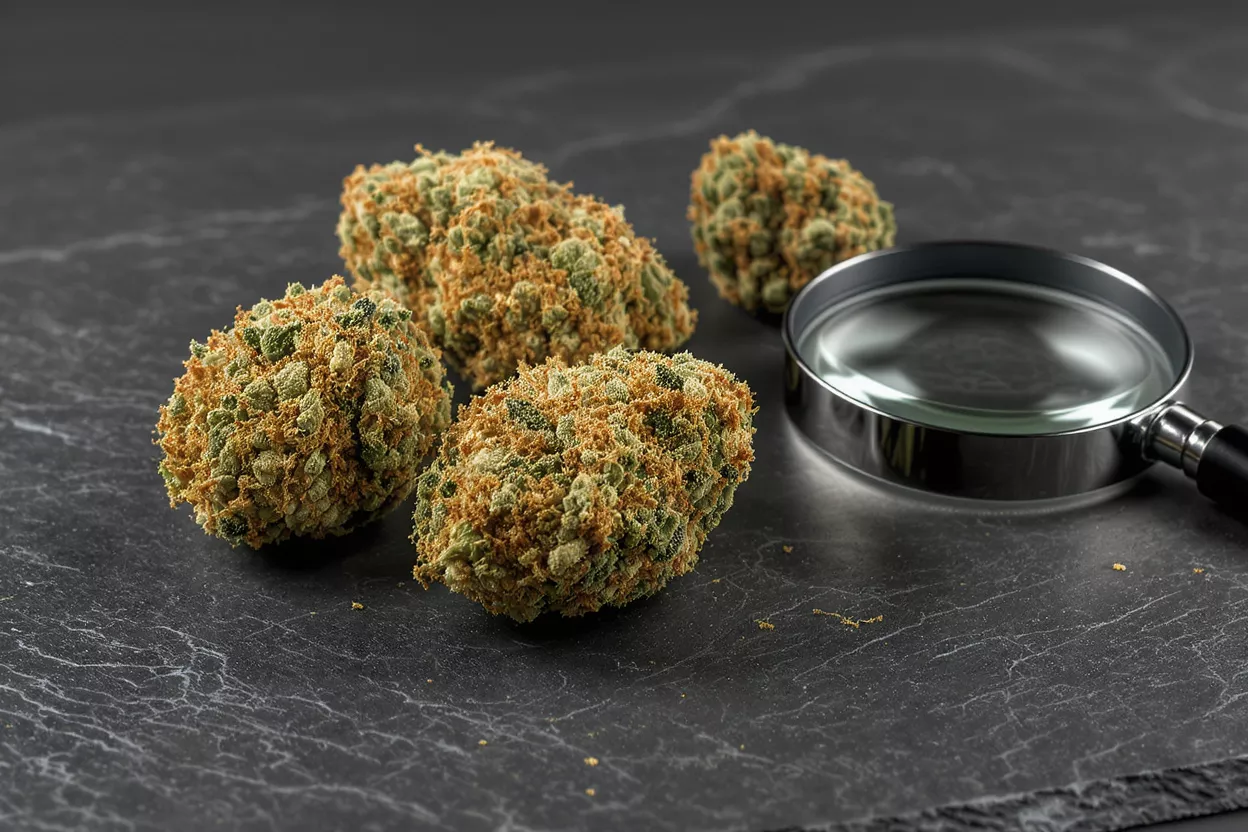
Getting the terminology right matters more than pedantry might suggest. When you read cultivation guides, breeding notes, or lab reports, precise language helps you interpret information correctly. A quality handheld jeweler's loupe makes it easy to see the difference for yourself, revealing the thick, resin-frosted bract and the wispy calyx tucked behind it.
Here is a quick comparison to keep the two structures straight:
- 🌿 Bract: Thick, tear-shaped, leaf-like sheath densely coated in trichomes; the visible body of the flower.
- 🔬 Calyx: Thin translucent membrane inside the bract; protects the ovule but holds far less resin.
- 👀 Visibility: Bracts are obvious to the naked eye; the true calyx usually requires magnification.
- 💎 Resin value: Bracts carry the highest trichome density on the plant; calyxes contribute little potency.
Where Bracts Grow on the Female Plant
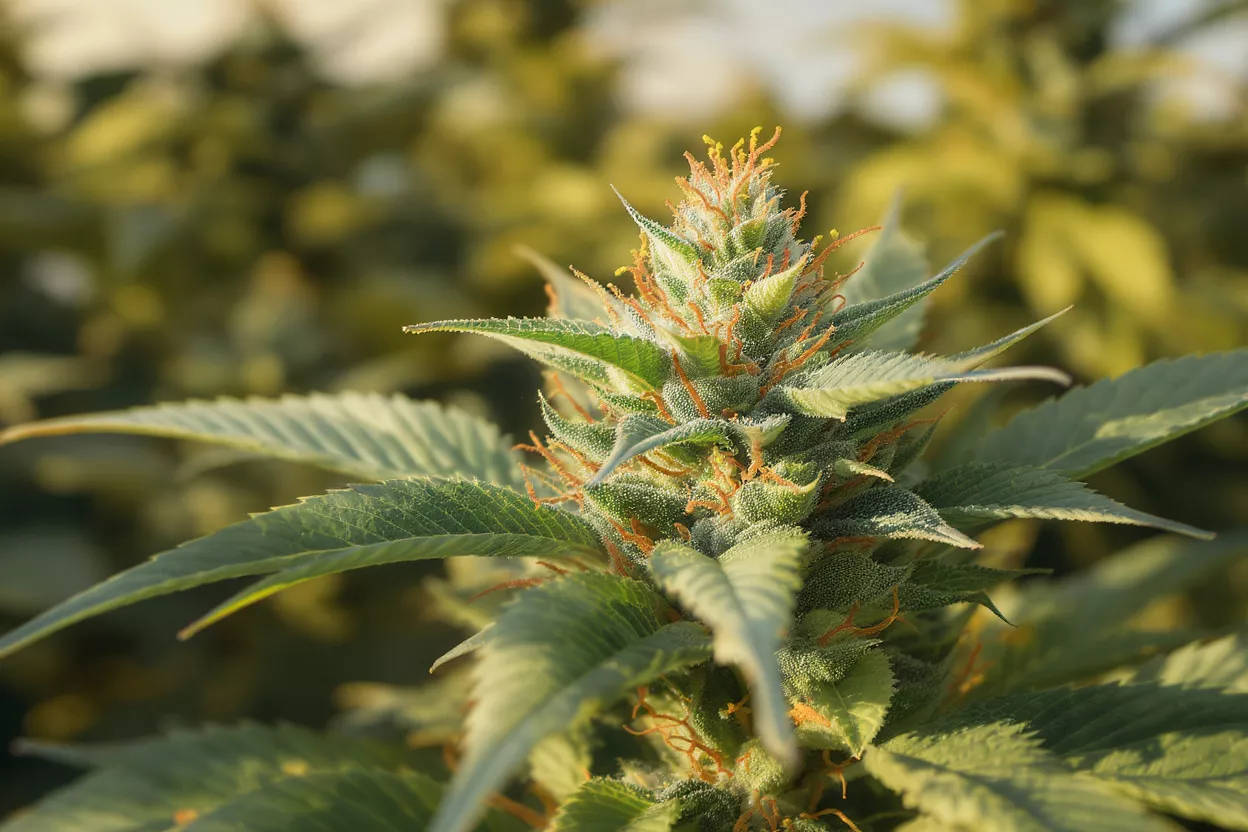
Bracts appear exclusively on female cannabis plants, and their location tells you a great deal about the plant's developmental stage. They first emerge at the nodes, the points where branches meet the main stem, and at the apical tips where vertical growth concentrates. In the early flowering phase, you will notice small clusters of bracts forming with a pair of white pistils, the hair-like stigmas, protruding from each one.
As flowering progresses, bracts multiply and stack on top of one another, building the dense, layered structure we recognize as a bud or cola. The tightly packed arrangement of overlapping bracts is what gives premium flower its weight and density. A single cola can contain hundreds of individual bracts, each contributing resin and structural mass to the final product.
Reading the canopy through bracts: Experienced growers watch bract development to time their harvest and gauge plant health. When bracts swell and appear plump, the plant is channeling energy into resin and reproductive structures rather than vegetative growth. This swelling, sometimes called "calyx fattening" in grow forums, is a visual cue that the flowers are maturing. The publication RxList notes that the maturation of a plant's active compounds directly affects its eventual effects, making bract observation a practical skill rather than mere curiosity.
Why Bracts Hold the Most Trichomes
If you want to understand why bracts matter so much, you have to talk about trichomes. Trichomes are the tiny, mushroom-shaped resin glands that produce and store cannabinoids and terpenes. While trichomes appear across many surfaces of the cannabis plant, nowhere are they more concentrated than on the bracts. Under magnification, a mature bract looks as though it has been dipped in sparkling crystal, frosted edge to edge with glandular heads.
Why the plant concentrates resin here: From an evolutionary standpoint, this concentration is purposeful. The bract guards the plant's seeds, so coating it in sticky, aromatic, and chemically active resin serves multiple protective functions. The resin deters insects, traps pests, shields delicate tissue from ultraviolet radiation, and produces the aromas that influence how the plant interacts with its environment. Capsaicin in chili peppers performs a similar deterrent role, a useful parallel for understanding why plants invest in chemical defense.
This is also why concentrate makers prize well-developed bracts. The richest hash, rosin, and full-spectrum extracts come from flower with abundant, intact trichome coverage on its bracts. A reliable full-spectrum rosin extract begins its life as resin-laden bracts that were harvested at peak maturity and handled gently to preserve those fragile glands.
How Bracts Protect Developing Seeds
The reproductive purpose of the bract becomes obvious when pollination occurs. Once pollen reaches a receptive pistil, fertilization happens inside the bract, and a seed begins to develop within that protective sheath. The bract then swells noticeably to accommodate the growing seed, which is one of the clearest visual signs that a female plant has been pollinated.
This protective architecture is elegant. The thick, resinous bract wall shields the seed from physical damage, temperature swings, and microbial threats during the weeks it takes to mature. When the seed is ready, the bract dries and opens, allowing the seed to drop and continue the plant's life cycle. According to RxList, the chemistry that protects developing plant tissue often overlaps with the compounds humans find valuable, which is exactly the case with the resin-rich cannabis bract.
For consumers, swollen bracts hiding seeds are usually an unwelcome sight, since seeded flower carries less usable plant material and can signal an unintended pollination event. Sinsemilla, meaning "without seeds," remains the gold standard precisely because seedless buds devote all their bract resources to resin instead of seed production.
Bract Cannabinoid and Terpene Content
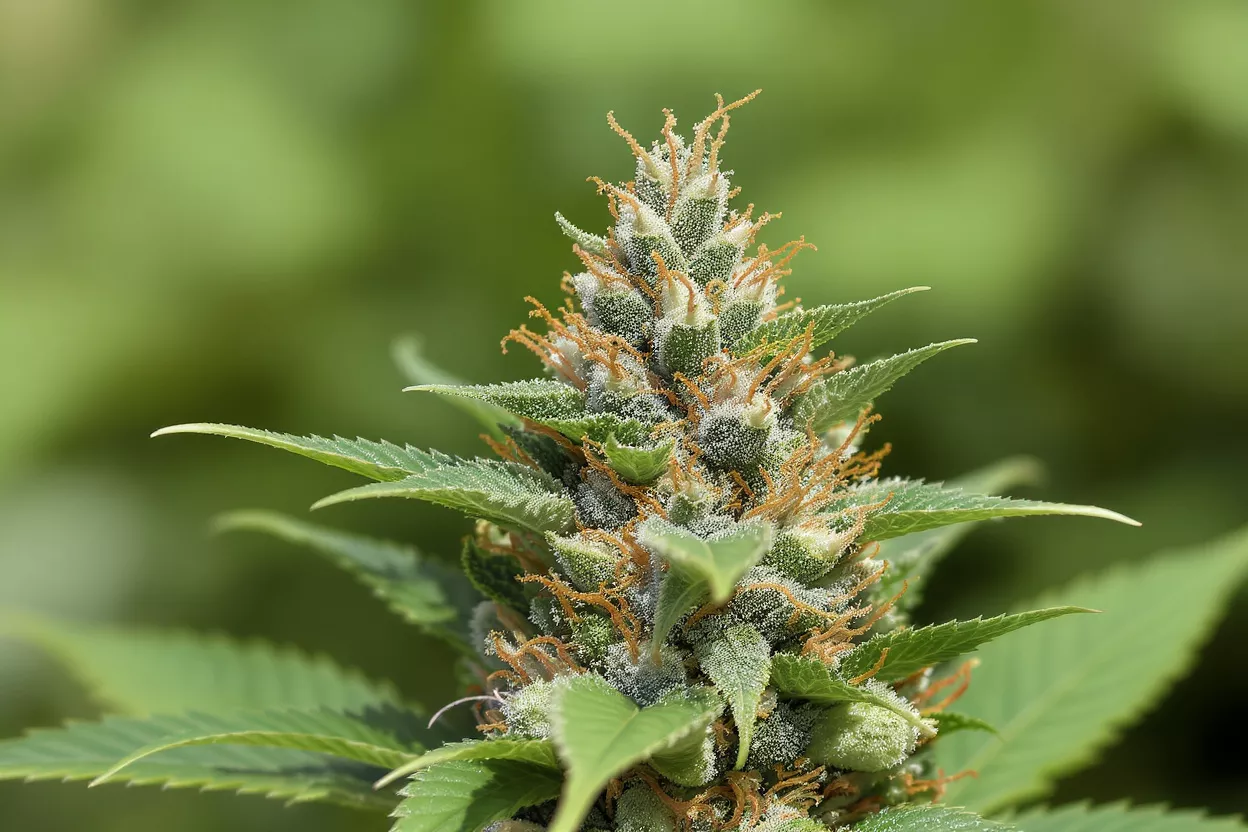
Because bracts house the densest trichome population, they also carry the highest concentration of the plant's active chemistry. This includes the well-known cannabinoids along with their lesser-discussed relatives. As flowers mature, the acidic precursors such as CBGA convert into a spectrum of compounds, and bracts are the primary site of this transformation.
The cannabinoid story on a bract is more complex than THC and CBD alone. Minor cannabinoids accumulate and degrade in the resin as well, including:
- 🌱 CBG and CBGA: Often called the "mother cannabinoid," CBGA is the chemical starting point from which many other compounds are synthesized.
- 🕯️ CBN: Forms as THC ages and oxidizes, associated with sedating, restful qualities in older flower.
- 🔆 CBL and CBLA: CBLA, or cannabicyclolic acid, develops from CBC exposure over time and reflects a flower's age and light history.
- 🌸 Terpenes: Aromatic oils like the cedrene terpene effects profile contribute scent, flavor, and potential entourage interactions.
This concentration of compounds is why so many wellness products begin with bract-rich flower as their source material. From a cbd infused face oil to a soothing cbd lube, the active ingredients are extracted from the resin that bracts produce. Even niche formulations marketed for cbd intimacy trace their cannabinoid content back to these humble protective sheaths.
How to Identify Bracts During Harvest
Timing harvest by trichome color: Growers lean heavily on bract observation when deciding when to cut a plant. By examining the trichomes blanketing the bracts under magnification, you can read the plant's chemical maturity. Clear trichomes signal immaturity, milky-white heads indicate peak potency, and amber heads suggest a shift toward more sedative effects. A simple Chillum or magnifier is not the right tool here; a quality loupe or digital microscope is.
Beyond trichomes, the bracts themselves change appearance as harvest approaches. They plump up, the pistils darken and curl inward, and the overall structure tightens. These combined cues help a grower avoid harvesting too early, which sacrifices yield and potency, or too late, when degradation has begun.
Once flower is dried and cured, the bracts remain the most resinous part of every nug. When you break apart a well-grown bud, the sticky, frosty pods clinging to your fingers are bracts that have surrendered their resin. A pack of slow-burning cigarette style pre rolls made from bract-dense flower delivers a noticeably richer experience than product trimmed down to mostly sugar leaf.
The Role of Bracts in Cannabis Breeding
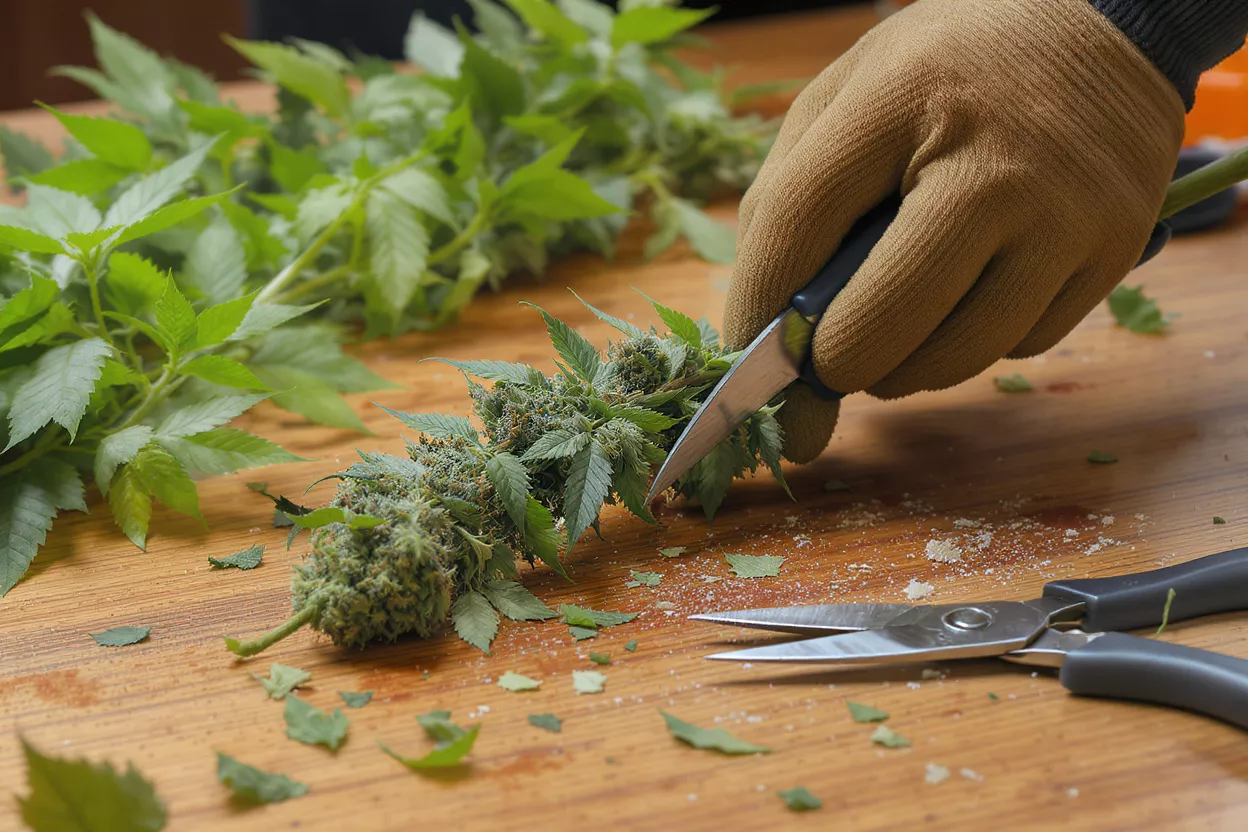
Breeders pay close attention to bracts because these structures are where genetics express themselves most visibly. The size, density, resin coverage, and color of bracts vary dramatically between strains, and selecting for desirable bract traits is central to developing new cultivars. A breeder seeking a frosty, high-resin line will prioritize plants whose bracts coat themselves heavily in trichomes early in flower.
When breeders want seeds, they intentionally Baptize select branches with pollen, then watch the targeted bracts swell as fertilization takes hold. This controlled pollination lets them combine traits from two parent plants while leaving the rest of the canopy seedless. The contrast between seeded and unseeded bracts on the same plant is a vivid demonstration of how reproduction reshapes flower structure.
Bracts and chemical diversity: Because bracts concentrate the resin, they also concentrate the chemical signatures breeders chase. A line bred for high CBG, for unusual terpene profiles, or for rare cannabinoids like CBL will reveal those traits in the chemistry of its bracts. The RxList database underscores how small shifts in a plant's chemistry can meaningfully change its profile, which is precisely what breeders are manipulating when they select for bract characteristics generation after generation.
What Bracts Tell You About Bud Quality
For the everyday consumer, learning to read bracts is one of the most practical skills you can develop. High-quality flower displays plump, densely packed, resin-frosted bracts that glisten under light. The visible coating of trichomes on the bracts is a direct, honest signal of potency and careful cultivation that no marketing copy can fake.
Conversely, flower with sparse, dull, or stretched-out bracts often indicates a rushed harvest, poor genetics, or subpar growing conditions. When you inspect a jar of flower, you are really inspecting its bracts, even if you did not know the term until now. A frosty bud is simply one whose bracts have done their job exceptionally well.
This is why connoisseurs reach for a loupe before they reach for a Carb cap or a Chaga-style ritual of preparation. The proof of quality lives on the bract surface, and once you train your eye to evaluate it, you will never look at a nug the same way again. Whether the flower ends up in a cbd vape pen, a jar of cbd exfoliating scrub, or a classic bowl, its value was determined by what its bracts produced.
Common Questions About Cannabis Bracts
Are bracts the most potent part of the plant? Yes. Because bracts carry the highest density of trichomes, they hold the greatest concentration of cannabinoids and terpenes on the entire plant. Gram for gram, no other structure delivers as much active chemistry, which is why extract makers and discerning smokers prize bract-rich flower above all else.
Do male plants have bracts? Male cannabis plants do not produce the resinous, trichome-coated bracts that females do. Instead, males form pollen sacs that release pollen to fertilize female flowers. The protective, resin-laden bract is an exclusively female structure tied to seed development and protection.
Understanding bracts ties together nearly every important concept in cannabis, from cultivation and breeding to potency, extraction, and product quality. These small, leaf-like sheaths are far more than incidental plant parts; they are the resin factories, seed guardians, and quality indicators all rolled into one. The next time you admire a frosty bud or read a lab report, remember that the story begins with the humble bract, and knowing how to read it makes you a far more informed and confident cannabis consumer.