

Pheno-hunting
Master pheno-hunting to find keeper cannabis plants with superior aroma, potency & yield.
What Is Pheno-Hunting in Cannabis Cultivation
Pheno-hunting is the deliberate practice of growing out a batch of cannabis seeds and selecting the individual plants that express the most desirable qualities. A pack of seeds from one cross does not yield identical plants. Each seed carries a slightly different shuffle of genetic information, and that natural variation is precisely the raw material a hunter works with. The objective is to isolate the rare standout — the so-called keeper — that surpasses its siblings in some meaningful combination of aroma, potency, structure, yield, or hardiness.
This process is the foundation beneath nearly every celebrated cannabis cultivar in existence. Breeders work through dozens or hundreds of plants to pinpoint the genetics worth keeping, and that effort is closer to disciplined observation than to luck. The same logic that guides classical plant breeding — controlled comparison, careful selection, repeated confirmation — applies directly here. The frosty trichome coverage, layered flavor, and dense flower structure consumers prize all trace back to someone doing the patient work of pheno-hunting.
Grasping how this works also explains a question that puzzles many shoppers: why two products sharing one strain name can smell and perform so differently. A small batch grown from a thoughtfully selected phenotype routinely outshines a rushed commercial run of identical genetics. For anyone curious about where quality flower originates, understanding pheno-hunting reveals the craft hiding behind the label.
How Pheno-Hunting Works Step by Step
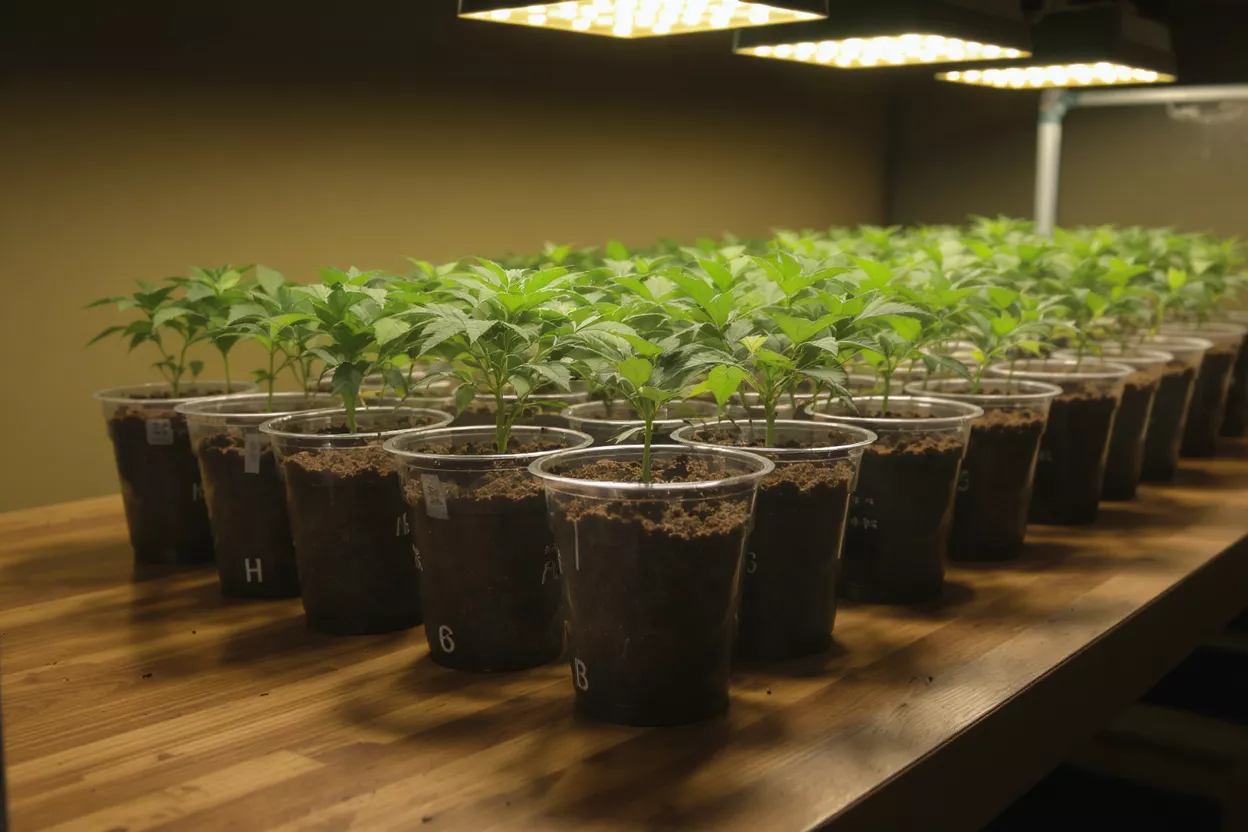
Germinating a diverse population: The hunt opens with germinating a meaningful number of seeds from a single cross. A larger starting group raises the statistical odds of uncovering a rare, exceptional expression. Experienced growers deliberately start more than they intend to keep, accepting that most plants will be culled along the way. Disciplined record-keeping begins immediately — every seedling gets tagged and tracked from the moment it breaks the surface.
Vegetative observation: Through the vegetative stage, cultivators watch for vigor, branching habit, internodal spacing, and general health. When plants share identical conditions, their genetic differences surface clearly because the environment is held constant. The vigorous performers, those with tight nodes and strong root systems, advance to the next round of scrutiny. This insistence on environmental consistency mirrors how any controlled study isolates one variable at a time.
Flowering evaluation and selection: Flower is where the real verdict forms. Aroma, trichome production, bud density, color, and finishing time all become visible, and hunters take detailed notes, often scoring each plant across many categories. The finalists are smoke-tested only after a proper cure, since the ultimate judgment on any phenotype is how it actually performs once dried and consumed.
A full cycle stretches across months, and committed hunters repeat it over multiple generations to confirm that a plant holds its traits reliably. Because the cannabis plant draws its character from hundreds of compounds acting in concert, careful selection across the whole life cycle is what separates a genuine keeper from a plant that merely looked promising in week three.
Genotype vs Phenotype Explained for Growers
The genotype is the full genetic code a plant inherits from its parents — the blueprint embedded in every cell. The phenotype is how that blueprint actually expresses in the real world, sculpted by light, temperature, nutrients, and stress. Two seeds carrying the same genotype can grow into visibly different plants because environment governs which genetic traits activate and how strongly. This relationship is the entire reason pheno-hunting is necessary in the first place.
Picture identical twins raised in different climates. The shared genotype sets the outer limits of what is possible, but lived experience decides the final outcome. A plant may carry the genetic potential for deep purple coloration yet only reveal it when night temperatures drop late in flower. The hunter's task is to read these cues and decide whether a striking trait is genetically anchored or merely an environmental coincidence.
Stability is the real prize: A true keeper must reproduce its best qualities reliably when cloned or grown again. A plant that dazzles only under flawless conditions is worth far less than one that delivers consistently across cycles. This is why reading the genotype behind an impressive phenotype matters so much — it tells the grower whether they have found a durable champion or a one-season spectacle worth admiring but not preserving.
What Traits Do Pheno-Hunters Look For
Every pheno-hunter builds a personal checklist, yet a handful of traits appear on nearly all of them. The hunt rarely fixates on a single quality; it seeks the plant that balances several desirable characteristics without glaring weaknesses. A plant with remarkable aroma but a weak yield may still claim a keeper slot if its smell is rare enough, while a heavy producer with flat flavor often gets culled without ceremony.
- 🌿 Aroma and flavor: Complex terpene profiles, including peppery and herbal notes from compounds like humulene, register the moment you smell them.
- ❄️ Trichome density: Heavy, frosty coverage frequently signals robust cannabinoid and terpene production.
- 🍇 Bud structure and color: Dense, well-formed flowers with vivid coloration draw the eye instantly.
- ⚡ Potency and effect: The felt experience after a proper cure delivers the final word.
- 🛡️ Resilience: Resistance to mold, pests, and stress makes a phenotype genuinely practical to cultivate.
Beyond these headline qualities, seasoned hunters weigh finishing time, stretch during flower, and how a plant responds to feeding. A grower hunting material destined for an infused preroll may prioritize different attributes than one chasing perfect small-batch jar flower. The intended end use quietly steers the entire selection process from the start.
Yield deserves an honest place on the list because commercial viability often hinges on it. A phenotype that flowers beautifully but produces sparsely may delight a hobbyist while frustrating a facility trying to keep the genetics economically sustainable. Balancing artistry against practicality is the subtle skill that defines an accomplished selector.
Pheno-Hunting for Aroma and Terpenes
Aroma is often the trait that captures a pheno-hunter first, because the nose detects subtle distinctions long before any lab test confirms them. Terpenes — the aromatic compounds that make cannabis smell of citrus, pine, diesel, or fresh herbs — vary dramatically between phenotypes of the same cross. Bright floral notes, peppery humulene, and cooling, herbal accents can each appear at wildly different intensities across siblings.
The stem rub technique: Many hunters gently rub a stem or a single leaf and smell their fingers repeatedly through the grow. This releases volatile terpenes without sacrificing any flower, offering an early preview of a plant's aromatic direction. Some of the most prized cannabis ever bred was first flagged this way, weeks ahead of harvest. The practice also sharpens a grower's nose over time, building a mental library of how early aromas translate into finished flavor.
Because terpenes are highly volatile and degrade easily, preserving them through harvest and cure is its own discipline. A phenotype that smells extraordinary on the living plant can lose its magic if dried too fast or too warm. This fragility is part of why selection notes should always record aroma at multiple points, not just one. The aromatic payoff of a well-hunted phenotype rewards every bit of that attentiveness, and a single exceptional terpene profile can define a cultivar for years.
How Many Seeds You Need for Pheno-Hunting
There is no magic number, but probability consistently favors larger populations. The more seeds you grow, the better your odds of turning up a rare, exceptional phenotype hiding in the genetic deck. Professional breeders may germinate hundreds or even thousands of seeds to lock in elite genetics, while a home grower might work through a single pack of ten to twenty and still uncover a personal favorite worth keeping.
- 🌱 10–20 seeds: A realistic home-scale hunt; expect one or two genuine standouts if fortune cooperates.
- 🔬 50–100 seeds: A serious hobbyist or small-breeder range that meaningfully sharpens your odds.
- 🏭 Hundreds and up: Professional hunts run by breeders chasing the next signature cultivar.
Statistics drive the entire logic. Rare trait combinations may surface in only a small percentage of any population, so a tiny sample can miss them entirely. Quality genetics from a reputable breeder raise the baseline, which means even a modest pack can deliver delightful results when the parent stock is strong. Starting with a well-bred cross is genuinely half the battle.
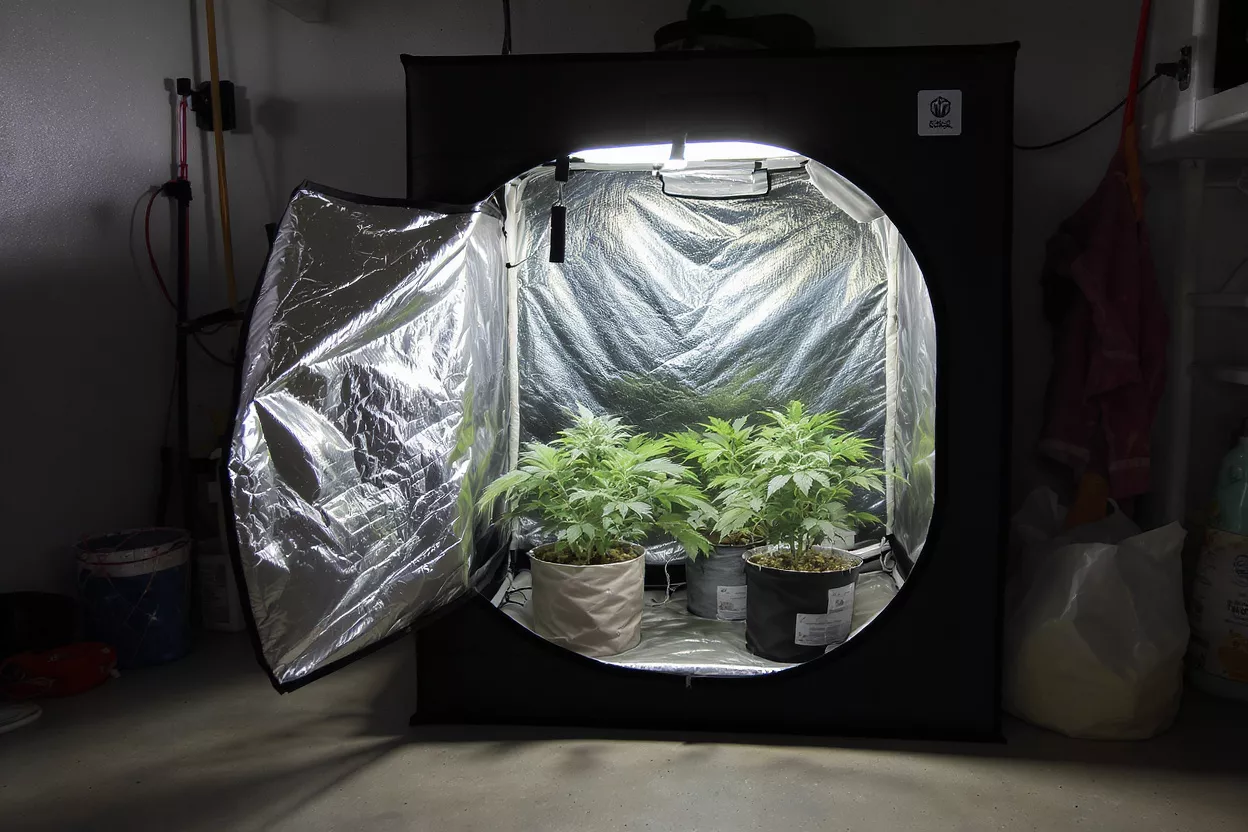
Budget and space remain real constraints for most growers. A sensible approach is to start with the largest population your setup can responsibly support, since more plants mean more data and better odds. Even someone working inside a compact tent can run a meaningful hunt by selecting carefully and culling weak performers without hesitation early in the cycle.
Pheno-Hunting vs Cloning a Keeper
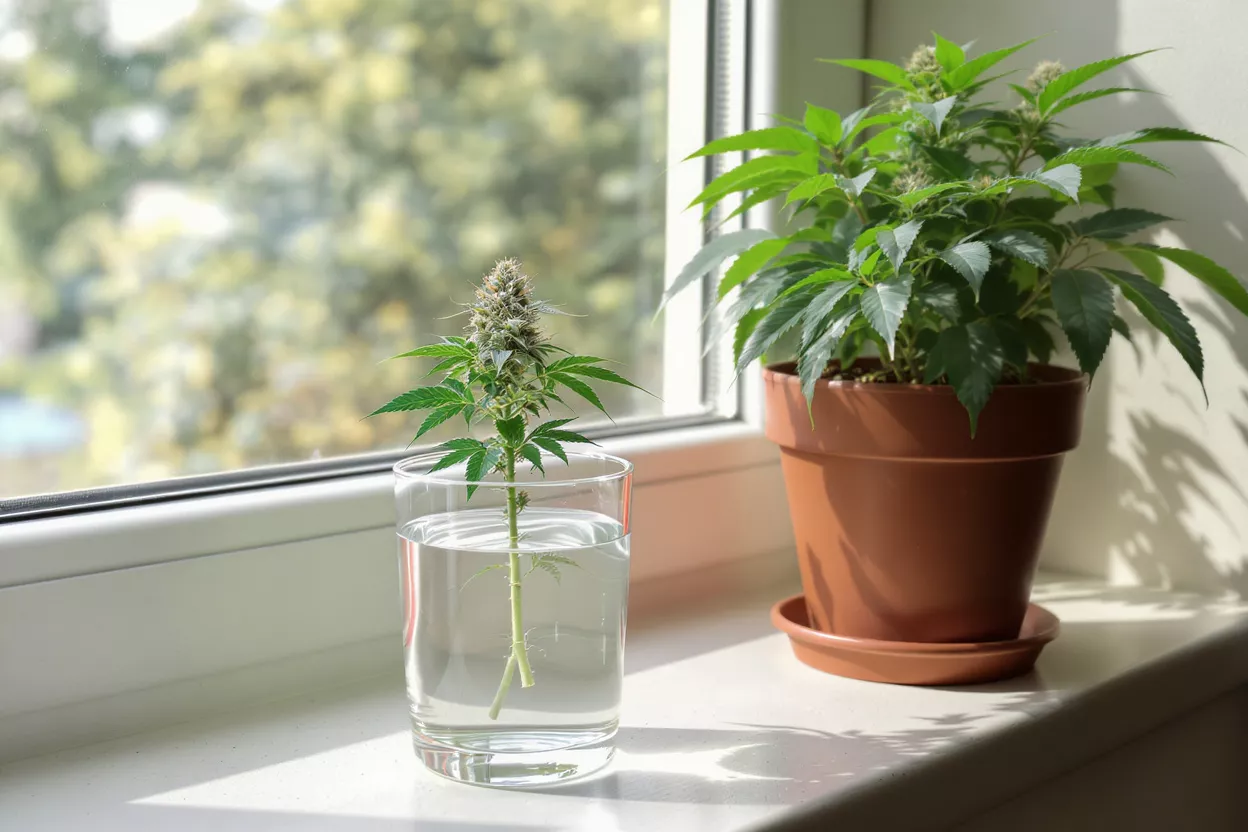
Pheno-hunting and cloning form two halves of one workflow. Hunting is how you discover an exceptional plant; cloning is how you preserve and multiply it. Once a hunter confirms a genuine keeper, taking cuttings produces genetically identical copies, allowing that exact phenotype to be grown repeatedly without the variability of seeds. This is how a single discovered plant becomes a cultivar shared across an entire growing community.
Why cloning preserves the win: Because clones share the keeper's exact genotype, they bypass the genetic lottery of seeds completely. Every cutting carries the potential to express the same prized traits, provided the environment cooperates. That consistency is exactly what serious home growers and commercial producers want — a reliable, repeatable result rather than a fresh roll of the dice each cycle.
Seeds still hold an irreplaceable role. They supply the genetic diversity that makes hunting possible at all, and they remain the only route to discovering entirely new phenotypes. A mature cultivation operation often runs both tracks simultaneously: cloning proven winners for stable production while continually hunting new seed stock for the next great discovery. Pairing dependable clones with quality seed packs gives a grower the best of both worlds.
How Environment Shapes Phenotype Expression
Environment is the silent co-author of every phenotype. The same genetics grown in two different rooms can yield strikingly different plants, which is at once the challenge and the beauty of cannabis cultivation. Light spectrum and intensity, temperature swings, humidity, airflow, and feeding regimen all nudge the phenotype one way or another. A skilled hunter answers this by keeping conditions as uniform as possible throughout the selection window.
Light and temperature as triggers: Many color expressions, particularly purples and deep blues, only emerge when night temperatures fall during late flower. Anthocyanin pigments respond to temperature stress, so a plant's true colors may stay hidden under warm conditions. Light intensity similarly influences trichome density and internodal stretch, meaning a phenotype judged under weak lighting can look entirely different beneath a powerful setup.
Growing medium matters as well. Whether you run living soil, coco, or hydroponics changes nutrient availability and root behavior, which in turn shapes vigor and finishing. Environmental factors profoundly determine how any organism's genetic potential is realized, and that principle holds just as firmly for cannabis as for any other living system. The lesson for hunters is straightforward: control the environment so the genetics, not the room, do the talking.
Is Pheno-Hunting Worth It at Home
For many home growers, pheno-hunting ranks among the most rewarding parts of the hobby. There is real satisfaction in discovering a plant nobody else has — a unique expression that becomes your personal signature. Even with a modest setup, running a small hunt teaches more about plant genetics, observation, and cultivation than almost any other single project. The payoff is both educational and, when a keeper finally surfaces, deeply gratifying.
It does demand patience, space, and discipline. You will inevitably grow plants you ultimately cull, which can feel wasteful to newcomers but is essential to honest selection. Detailed notes, consistent conditions, and clear-eyed evaluation separate a real hunt from simply growing a pack of seeds and hoping for luck. Investing in a solid grow journal and a labeling system early makes the entire effort more productive and far more enjoyable.
The home hunter also enjoys creative freedom that commercial operations cannot match. You answer to no yield quota and no market trend, so you can chase the weird, the aromatic, and the unusual purely because it delights you. Whether you are after a specific terpene, a particular effect, or simply the thrill of discovery, a home pheno-hunt rewards curiosity in a way few growing projects ever do.
Common Pheno-Hunting Mistakes to Avoid
The most frequent mistake is too small a sample size. Hunting through three or four plants while expecting an elite keeper sets you up for disappointment, because rare traits simply do not appear that often. The second common error is inconsistent conditions during selection — when plants experience different light, feeding, or temperature, you cannot fairly compare their genetics. You end up judging your environment instead of your seeds.
Poor record-keeping quietly ruins many promising hunts. Without detailed notes on aroma, structure, finishing time, and post-cure smoke quality, growers lose track of which plant was which and forfeit the data that makes selection meaningful. Just as damaging is judging too early; a phenotype's true worth only emerges after a proper dry and cure, never at the moment of harvest. Patience through the finishing process is non-negotiable.
Finally, sentimentality leads growers astray. Falling for a mediocre plant simply because you nursed it from seed clouds honest judgment. The strongest hunters cull ruthlessly and keep only the genuine standouts, even when it stings. In short, pheno-hunting rewards large populations, controlled environments, meticulous notes, and disciplined patience — a methodical craft that turns an ordinary pack of seeds into a discovery worth sharing. Master those fundamentals and every hunt becomes a real chance to uncover something remarkable.

Comments