

Camphene
Learn what camphene is, how it smells, and its anti-inflammatory benefits in cannabis.
What Is Camphene in Cannabis?
Camphene is one of the quieter voices in the cannabis terpene chorus, but it deserves more attention than its modest concentrations usually earn it. Produced inside the resinous trichomes that also generate cannabinoids like THC and CBD, the camphene terpene contributes a distinct woodsy character to certain cultivars and may add measurable depth to their wellness potential. Learning to recognize it sharpens your ability to read any terpene profile with confidence.
Chemically, camphene is a bicyclic monoterpene built from two isoprene units arranged into two fused rings. That compact, stable architecture explains a great deal about its behavior. Compared with lighter terpenes that flash off quickly, camphene evaporates slowly and lingers, which is why its earthy signature persists in concentrates and full-spectrum extracts long after more volatile compounds have faded.
The reason camphene matters now is that terpenes are no longer treated as scenery. Researchers and consumers alike understand that the specific blend of aromatic compounds in a genotype shapes both the sensory experience and the possible therapeutic outcome. With an intriguing aroma and a slowly expanding body of pharmacological research, camphene is exactly the sort of compound a curious enthusiast should be able to name.
What Does Camphene Smell and Taste Like?
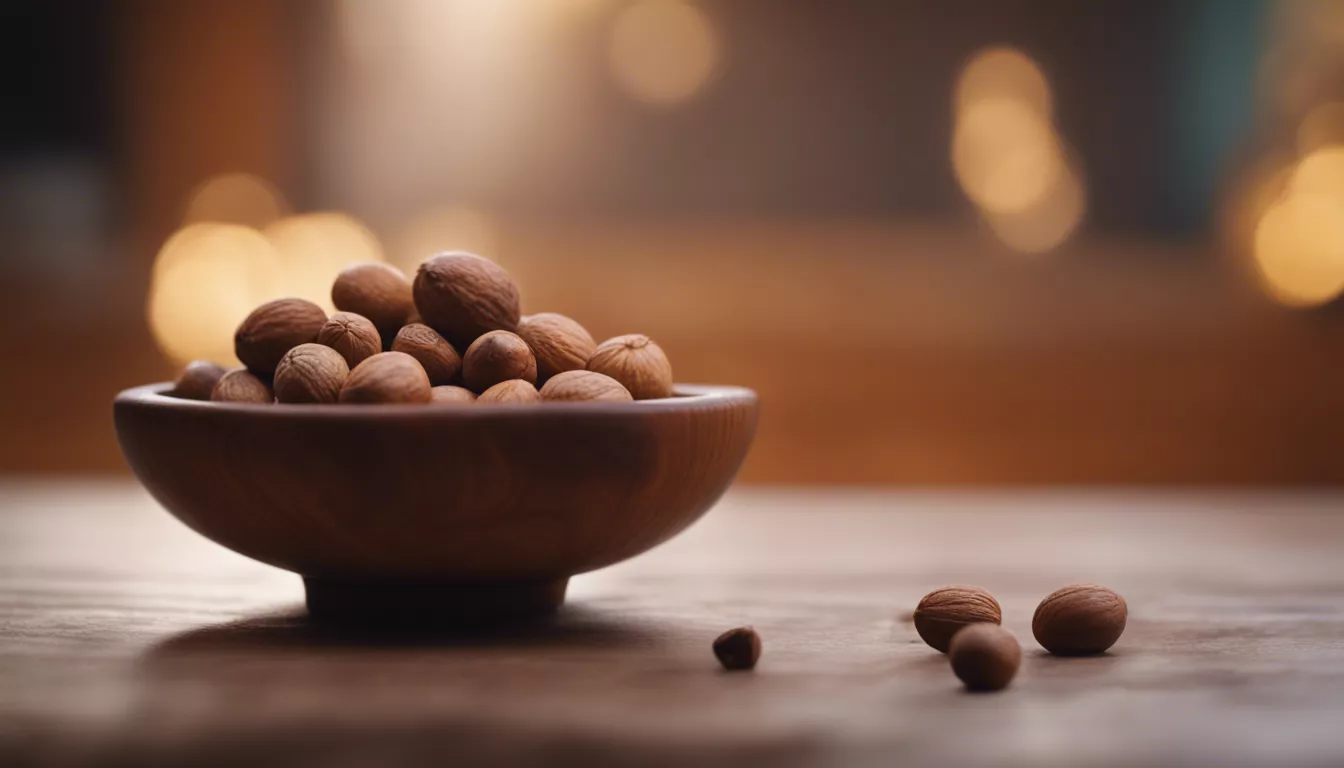
The signature aroma of camphene reads as damp earth, crushed pine needles, and freshly cut fir — a cool, faintly medicinal forest-floor scent. Anyone who has snapped a sprig of cypress or breathed in the resin of an evergreen after rain already knows this fragrance. Camphene is one of the terpenes behind the "Christmas tree" note that certain cannabis flowers exhibit so vividly.
Why people confuse camphene with pinene comes down to their shared coniferous backbone. The difference lives in the undertone: pinene is sharp, bright, and instantly readable as fresh pine, while camphene carries a deeper, oilier, more musky weight. Its earthy dankness also gets mistaken for myrcene, yet camphene's woody crispness sets it apart once you train your nose to look for it. 🌲
On the palate, camphene translates into a herbal, slightly camphoraceous flavor with a faint menthol-adjacent coolness. This is why earthy concentrates such as a well-made live resin tend to showcase the terpene so clearly, and why camphene-forward extracts appeal to consumers who favor the dry, woody end of the cannabis spectrum. The flavor lingers on the exhale, mirroring the molecule's slow evaporation.
Where Is Camphene Found in Nature?
Camphene is anything but exclusive to cannabis. It turns up across the plant kingdom — in conifers, culinary herbs, and aromatic oils that people have relied on for centuries. That wide distribution reflects how ecologically useful the molecule is, frequently serving plants as a defensive compound that wards off insects and microbes.
Common natural sources of camphene include several botanicals you likely keep in your kitchen or medicine cabinet already. Research compiled by Harvard Health notes that plant-derived terpenes lend both flavor and potential physiological activity to the foods and remedies we consume every day.
- 🌲 Cypress and fir: Evergreen trees prized in aromatherapy for their crisp, grounding scent.
- 🌿 Rosemary and sage: Culinary herbs that carry camphene alongside other monoterpenes.
- 🫚 Ginger and valerian: Roots historically used for digestive and calming purposes.
- 🌼 Camphor oil: The namesake source, where camphene appears in notable concentration.
- 🍋 Citronella and nutmeg: Aromatic botanicals where camphene rounds out the bouquet.
This ubiquity carries real weight for the cannabis world because it means humans share a long, safe dietary history with camphene. The very molecule that flavors a rosemary roast also appears in the trichomes of a hash hole preroll, linking the modern cannabis experience to a far older botanical tradition.
How Camphene Works in the Body
When you inhale or ingest camphene, the molecule engages your physiology through several pathways that scientists are still charting. Unlike cannabinoids, which bind directly to CB1 and CB2 receptors, terpenes such as camphene tend to act more indirectly — influencing enzymes, modulating signaling molecules, and tempering oxidative processes throughout the body.
Camphene and lipid metabolism is one of the more surprising research threads. Early animal studies suggest the terpene may help lower plasma cholesterol and triglyceride levels, an effect that intrigued investigators precisely because camphene is hydrophobic, yet still appears to influence how fats are handled in the bloodstream. That finding lifts camphene out of the "pleasant aroma" category and into genuine pharmacological interest.
Camphene's lipophilic nature also dictates how products are built around it. Because it resists dissolving in water, formulators commonly pair it with an emulsifier like lecithin to improve dispersion in tinctures and edibles. The same engineering challenge explains why a thoughtfully made full-spectrum tincture depends on careful formulation to deliver consistent, bioavailable amounts of compounds like camphene.
Camphene Benefits and Medicinal Properties
Interest in the medicinal side of camphene has climbed alongside the broader scientific reappraisal of cannabis terpenes. Most of the evidence remains preclinical, but the sheer range of investigated effects is impressive for a compound once dismissed as nothing more than fragrant.
Antioxidant activity ranks among camphene's most consistently reported properties. Oxidative stress underlies many chronic conditions, and in laboratory settings camphene appears to scavenge free radicals, helping shield cells from damage. The wider literature on dietary antioxidants summarized by Harvard Health situates terpenes within a large family of plant compounds that support cellular resilience.
Antimicrobial and respiratory traditions round out the picture. Essential oils rich in camphene have shown measurable activity against certain bacteria and fungi, which makes evolutionary sense given the terpene's defensive role in plants. Camphene-heavy preparations have likewise featured in vapor rubs and decongestants for generations. The summary below maps where the research is currently heading.
- 🛡️ Antioxidant support: Neutralizes free radicals and may reduce oxidative cellular stress.
- ❤️ Cardiovascular interest: Animal models point to improved lipid profiles.
- 🦠 Antimicrobial action: Demonstrated activity against select bacteria and fungi.
- 🌬️ Respiratory tradition: Long used in vapor rubs and decongestant preparations.
- 🔥 Anti-inflammatory promise: Emerging evidence of reduced inflammatory markers.
Is Camphene Anti-Inflammatory?
Inflammation sits at the root of countless health complaints, from arthritis to stubborn skin conditions, so the anti-inflammatory potential of camphene attracts understandable attention. Preliminary studies indicate that the terpene can dampen the production of certain pro-inflammatory signaling molecules, which helps explain the soothing reputation it has long carried in traditional botanical medicine.
That anti-inflammatory angle clarifies why camphene-rich preparations such as camphor oil have anchored topical remedies for generations. Rubbed onto sore joints or congested chests, these treatments were valued long before anyone could identify the active monoterpene responsible. Modern research is now beginning to validate what folk practitioners observed by trial and error — a pattern that recurs throughout cannabis science.
For consumers chasing targeted relief, terpene-forward topicals offer a practical route. A carefully blended balm can concentrate camphene alongside complementary compounds like humulene and HTFSE fractions that preserve the full aromatic spectrum. The combination illustrates how terpenes are rarely studied, or used, in isolation.
Camphene and the Entourage Effect
The entourage effect describes the idea that cannabis compounds perform better together than alone, with terpenes and cannabinoids subtly modulating one another. Camphene is a compelling participant in this synergy because its woody, earthy character and proposed bioactivity may reinforce the behavior of the molecules surrounding it in a full-spectrum extract.
Camphene alongside myrcene and humulene produces a deeply grounding, earthy profile that many people associate with relaxing, indica-leaning experiences. When these terpenes coexist in a whole-plant product, the aroma and effect feel more rounded than any isolated fraction could deliver — a core reason connoisseurs prize full-spectrum material over distillates stripped of their terpene content.
Preserving camphene through processing is a genuine challenge because terpenes are volatile and heat-sensitive. Extraction methods that yield high-terpene full-spectrum fractions and HCFSE concentrates aim to capture the terpene-rich layer of the plant before camphene can evaporate. Material harvested at peak trichome maturity gives extractors the richest possible starting point.
Cannabis Strains High in Camphene
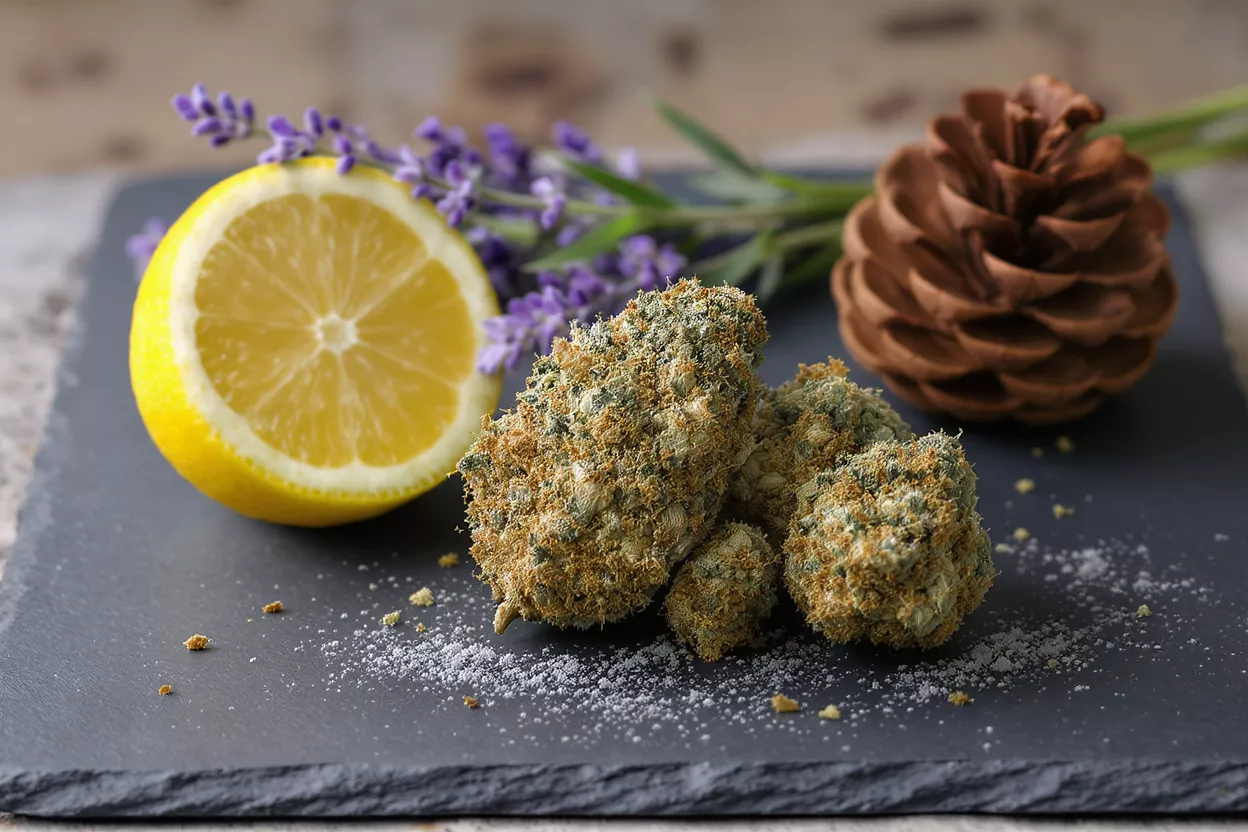
Because camphene rarely dominates a terpene profile, the cultivars that feature it most are typically earthy, pine-forward genetics where the molecule has room to express itself. Lab-tested terpene reports are the only reliable way to confirm camphene content, since aroma alone misleads even experienced noses. Requesting a certificate of analysis from a licensed facility is the surest path to verification.
Earthy, pine-forward cultivars are your best hunting ground. Strains in the OG and Kush families, along with many resin-heavy varieties, frequently list camphene among their secondary terpenes. These dense, hash-friendly genotypes tend to carry the woody backbone that hints at the terpene's quiet presence.
If you are assembling a stash with diverse terpene profiles, pursue variety across product categories rather than chasing one celebrated strain. The list below outlines where camphene tends to surface most reliably.
- 🌲 Pine-dominant flower: Look for cultivars described as resinous and coniferous.
- 🍯 Live resin and rosin: Fresh-frozen extracts preserve volatile terpenes like camphene.
- 🧊 HTFSE concentrates: High-terpene fractions capture the earthy aromatic layer.
- 🍫 Infused prerolls: Flower boosted with terpene-rich concentrate amplifies camphene.
- 🫙 Traditional and jelly hash: Solventless products that retain a full terpene spectrum.
Camphene vs Myrcene and Other Terpenes
Camphene is easy to mix up with several other earthy terpenes, so grasping the distinctions sharpens your ability to read any profile. Myrcene, the most abundant terpene in many cannabis varieties, leans musky and fruity with sedative associations, whereas camphene reads drier, woodier, and cooler on the nose.
Camphene versus pinene illustrates another instructive contrast. Both carry coniferous DNA, but pinene is sharp and immediately recognizable as fresh pine, while camphene brings that oily, camphoraceous depth. A full-spectrum extract can contain several piney terpenes at once, which is exactly why isolating camphene's contribution demands analytical testing rather than guesswork.
Other terpenes round out the comparison. Humulene contributes a hoppy, earthy bitterness, eucalyptol adds a cooling minty lift, and geraniol brings floral sweetness. Camphene sits among them as the woodsy, forest-floor anchor, and recognizing its specific role helps you predict how a given cultivar will smell, taste, and potentially feel.

Is Camphene Safe to Consume?
Camphene enjoys a long record of safe human exposure, appearing in foods, spices, and approved flavoring agents for decades. Regulatory bodies have generally regarded it as safe in the small quantities found in food and natural products, and its presence in everyday herbs like rosemary and sage reinforces that familiarity. As with any concentrated compound, though, context and dose still matter.
Inhalation versus ingestion raises sensible considerations. Combusting or vaporizing concentrated terpenes at very high temperatures can generate irritating byproducts, so moderation and quality sourcing are wise. Choosing products from a licensed facility ensures the camphene you consume comes from properly cultivated, tested material, and guidance from sources like Harvard Health reinforces the value of informed, measured consumption.
For most people enjoying cannabis at typical terpene concentrations, camphene poses minimal risk while adding a rich sensory and potentially therapeutic dimension. As the research matures, this once-overlooked monoterpene is steadily earning recognition as a meaningful player in the plant's effects. Whether you meet it on a forest walk, in a kitchen herb, or inside a carefully crafted concentrate, camphene rewards the curious consumer with depth, character, and a growing body of intriguing science — a fine example of why terpenes have moved from afterthought to center stage in modern cannabis appreciation.
Comments