Lion’s Mane
Explore how Lion's Mane supports brain health, focus, and mood.
What Is Lion's Mane?
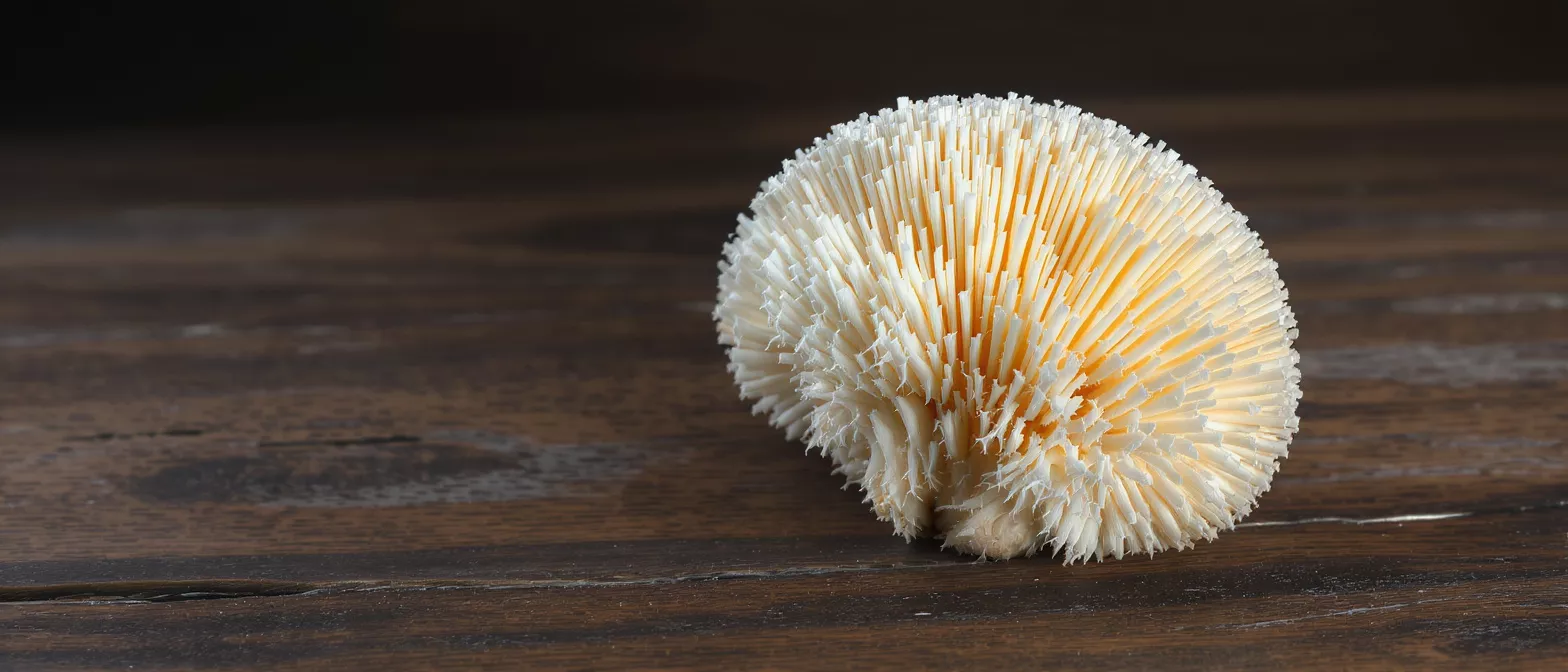
Lion's Mane is a striking white, shaggy mushroom that grows in cascading icicle-like spines, earning it the nickname of the "pom-pom" or "bearded tooth" fungus. Scientifically known as Hericium erinaceus, it has been used for centuries in traditional East Asian medicine and prized as both a culinary delicacy and a tonic for the mind. Today, Lion's Mane has surged in popularity within the wellness world, often appearing alongside adaptogens and functional mushrooms in modern supplement stacks.
Unlike the psychoactive fungi that capture headlines, Lion's Mane contains no compounds that alter perception. Instead, its appeal rests on a growing body of research into its effects on the nervous system. The mushroom is harvested from hardwood trees in temperate forests across North America, Europe, and Asia, and is now widely cultivated to meet global demand.
What sets this mushroom apart is its unique chemistry. Lion's Mane is rich in two families of bioactive compounds — hericenones, found in the fruiting body, and erinacines, found in the mycelium. These compounds are the focus of most scientific interest, and they distinguish Lion's Mane from the dozens of other mushrooms now flooding the supplement market. According to Prevention, functional mushrooms have moved firmly from fringe folk remedy into mainstream wellness conversations.
How Lion's Mane Works in the Body
The nerve growth factor connection: The most discussed mechanism behind Lion's Mane is its potential to stimulate the production of nerve growth factor (NGF), a protein essential for the growth, maintenance, and survival of neurons. Laboratory studies suggest that hericenones and erinacines can cross the blood-brain barrier and encourage NGF synthesis, which may support the repair and formation of neural pathways.
The mushroom's compounds also appear to play a role in supporting myelin, the protective sheath that insulates nerve fibers and allows electrical signals to travel efficiently. By contributing to myelin maintenance, Lion's Mane may help keep communication between neurons running smoothly. Early research has examined these effects primarily in animal and cell-culture models, so human findings remain an area of active study.
Antioxidant and anti-inflammatory activity: Beyond its neurological effects, Lion's Mane contains polysaccharides and other antioxidants that help the body manage oxidative stress and inflammation. Chronic inflammation is linked to a wide range of health concerns, and the mushroom's compounds may offer a gentle, food-based way to support the body's natural defenses. Many people pair it with a daily mushroom wellness blend to broaden the range of functional fungi they take.
Lion's Mane Benefits for Brain Health
The headline reason most people reach for Lion's Mane is cognitive support. Its reputation as a "brain mushroom" stems from research suggesting it may help with memory, focus, and mental clarity. A frequently cited study found that older adults with mild cognitive impairment who took Lion's Mane showed improvements on cognitive testing compared to a placebo group — though benefits faded once supplementation stopped.
Memory and focus support: Many users describe a subtle lift in concentration and recall after consistent use over several weeks. Because the proposed mechanism involves NGF and neuroplasticity, the effects tend to build gradually rather than delivering an immediate jolt the way caffeine does. This makes Lion's Mane appealing as a long-game cognitive tool rather than a quick fix.
Researchers are also investigating Lion's Mane for its potential role in protecting against age-related cognitive decline. While it is far too early to call it a treatment for any condition, the neuroprotective signals seen in preliminary studies have made it one of the most studied functional mushrooms. As Prevention notes, interest in brain-supporting natural compounds continues to climb as people seek alternatives to manage everyday mental fatigue.

Lion's Mane for Mood and Stress
Brain health is not just about sharp thinking — it is also about emotional balance. A small but intriguing body of research suggests Lion's Mane may help ease feelings of anxiety and low mood. One study involving women found that those who consumed Lion's Mane cookies reported reduced irritability and anxiety after four weeks compared with a control group.
The gut-brain link: Part of the mushroom's mood effect may trace back to inflammation and the gut-brain axis. Because Lion's Mane supports a healthier inflammatory balance, it may indirectly influence the signaling pathways that connect digestive health to emotional regulation. This emerging area of science is one reason functional mushrooms have become a fixture in stress-focused wellness routines.
It is worth setting realistic expectations. Lion's Mane is not a replacement for professional mental health care, and its mood benefits are best described as gentle and supportive rather than dramatic. People who already follow good sleep, nutrition, and exercise habits tend to notice the subtle edge it provides more clearly than those hoping it will single-handedly transform their mood.
Types of Lion's Mane Supplements
Lion's Mane comes in several forms, and the format you choose affects both potency and convenience. Understanding the differences helps you match a product to your routine and goals. Some people prefer the ritual of an elixir stirred into coffee, while others want the simplicity of a capsule taken with breakfast.
Here are the most common formats you will encounter on the shelf:
- 🍄 Capsules and tablets: The most convenient option, offering precise, consistent dosing with no taste to manage.
- ☕ Powders: Versatile and easy to blend into coffee, smoothies, or a warm elixir for a daily ritual.
- 💧 Tinctures and extracts: Liquid concentrates that absorb quickly and let you fine-tune your dose drop by drop.
- 🥄 Whole dried mushroom: The culinary route — sautéed or simmered, it delivers a seafood-like flavor along with its compounds.
Fruiting body vs mycelium: One of the most important distinctions is whether a product is made from the fruiting body (the visible mushroom) or the mycelium (the root-like network grown on grain). Fruiting-body extracts are generally richer in hericenones, while mycelium products may contain erinacines along with leftover grain. For those who want the full spectrum, a balanced dual-extract mushroom tincture captures compounds from both sources.
Lion's Mane Dosing Guide
There is no official recommended dose for Lion's Mane, but research and traditional use offer helpful guideposts. Most studies have used between 500 mg and 3,000 mg of extract per day, often split into two or three servings. Starting on the lower end and adjusting upward gives your body time to acclimate and helps you find your personal sweet spot.
How to time your dose: Many people take Lion's Mane in the morning to support focus throughout the day, while others split it between morning and midday. Because it is not a stimulant, it generally does not interfere with sleep, so evening dosing is fine for those who prefer it. Consistency matters more than timing — the cognitive benefits accumulate over weeks of regular use.
Keep these dosing principles in mind as you build your routine:
- 📉 Start low: Begin with 500–1,000 mg daily and observe how you respond before increasing.
- 📅 Stay consistent: Take it daily for at least four to eight weeks to gauge real effects.
- 🍽️ Pair with food: Taking it alongside a meal can improve comfort and absorption for some people.
- 🔄 Reassess periodically: Adjust your dose based on results, and consult a professional if you take medications.
Extract concentration matters as much as raw milligrams. A standardized extract with a stated beta-glucan content delivers more reliable potency than a generic mushroom powder, so always check the label for what you are actually getting.

Are Lion's Mane Supplements Safe?
Lion's Mane is widely regarded as safe for most healthy adults, with a long history of culinary use backing up its gentle reputation. Side effects are uncommon and usually mild when they do occur, most often involving minor digestive discomfort. Because it has been eaten as food for generations, the safety profile is considered favorable compared with many novel supplements.
Who should be cautious: People with mushroom allergies should avoid Lion's Mane entirely, and anyone with a known sensitivity should introduce it slowly. There is limited safety data for pregnant or breastfeeding individuals, so caution is warranted in those situations. Because the mushroom may influence blood sugar and immune activity, those on related medications should speak with a healthcare provider first.
As with any supplement, quality control is part of safety. Choosing products tested by third-party labs reduces the risk of contaminants such as heavy metals or fillers. According to Prevention, transparency around sourcing and testing is one of the most important markers of a trustworthy supplement brand.
Lion's Mane vs Cannabis for Wellness
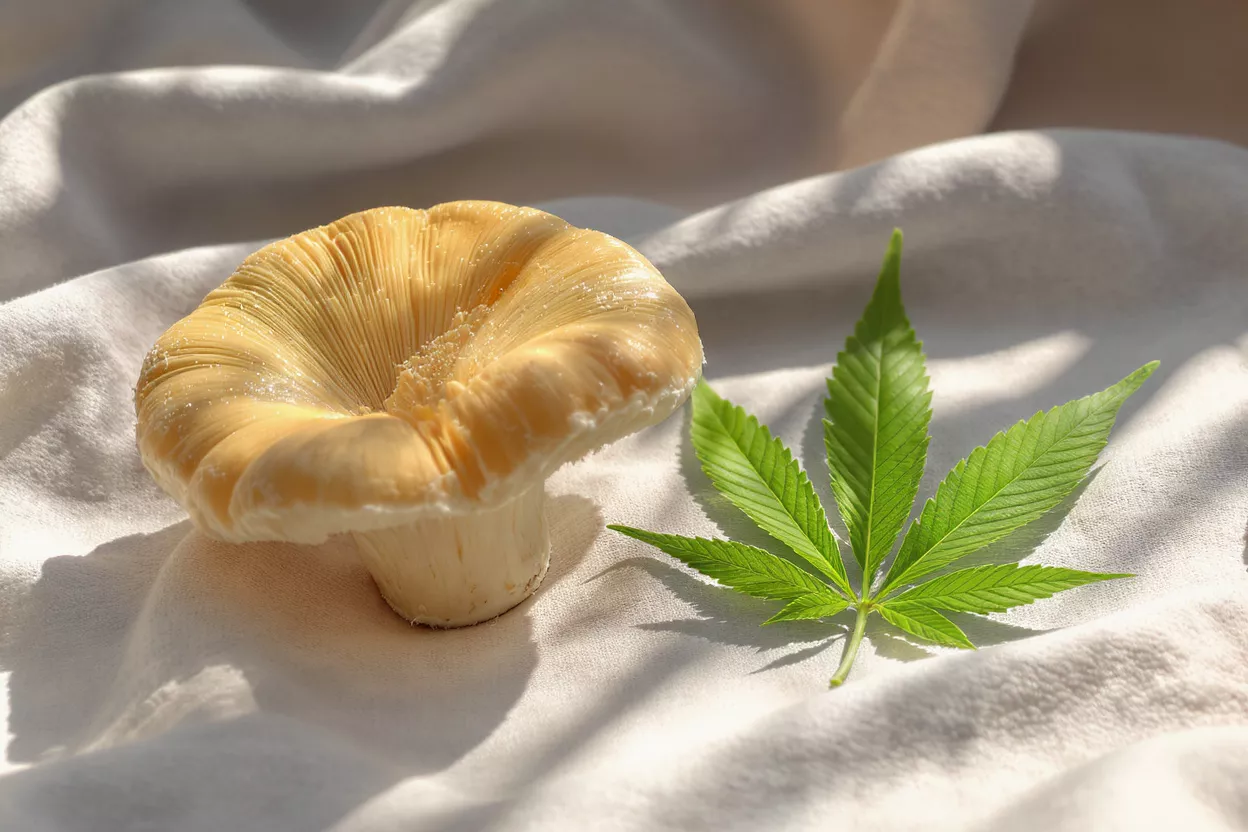
Within the broader natural wellness space, Lion's Mane is often discussed alongside cannabis and its many derivatives. While both fall under the umbrella of plant- and fungi-based wellness, they work in entirely different ways. Cannabis compounds like Delta-9 THC, Delta-8, and Delta-10 interact with the endocannabinoid system to produce effects ranging from relaxation to euphoria, while Lion's Mane works quietly on the nervous system without any intoxication.
Stacking the two: Some wellness enthusiasts combine Lion's Mane with cannabis products, using the mushroom for clear-headed cognitive support during the day and reserving cannabis for evening relaxation. Because Lion's Mane is non-psychoactive, it pairs cleanly with everything from a low-dose edible to a cannabis tincture without muddying the experience. Those exploring this route often look for a non-psychoactive focus supplement to complement their existing routine.
The cannabis world has its own rich vocabulary — terms like dank, diamonds, and diesel describe potent flower and concentrates, while gear such as an e-rig or domeless nail belongs to the dabbing crowd. Lion's Mane occupies a different lane entirely, but its rise reflects the same consumer appetite for natural compounds with real, research-backed potential.
How to Use Lion's Mane Daily
Building Lion's Mane into your daily life is simple once you find a format you enjoy. The morning is the most popular window, where it slots naturally into a coffee or breakfast routine. Stirring a measured powder into your brew creates a functional elixir that doubles as a mindful start to the day.
Recipes and pairings: Beyond capsules, Lion's Mane shines in the kitchen. The dried mushroom can be sautéed into a savory side with a texture reminiscent of crab or lobster, while the powder blends seamlessly into smoothies, oatmeal, and even baked goods. Pairing it with healthy fats may aid absorption of its compounds, so a splash of cream or coconut oil in your coffee is more than just indulgence.
Consistency is the real secret to results. Because Lion's Mane works gradually, the people who notice the most benefit are those who make it a non-negotiable part of their day, much like a daily vitamin. Setting a reminder or tying it to an existing habit — your morning coffee, for instance — makes it far easier to stick with long enough to feel the effects.
Choosing a Quality Lion's Mane Product
Not all Lion's Mane products are created equal, and the supplement aisle can be confusing. The single most important factor is what part of the mushroom the product is made from and how it was extracted. Look for clear labeling that specifies fruiting body, mycelium, or a blend, along with the extraction method used.
When evaluating a product, run through this quick checklist:
- ✅ Source transparency: The label clearly states fruiting body vs mycelium and where it was grown.
- 🔬 Standardized extracts: Look for stated beta-glucan content rather than vague "mushroom complex" claims.
- 🧪 Third-party testing: Independent lab results confirm purity and verify there are no hidden fillers.
- 🌱 Clean ingredients: Minimal additives, no unnecessary grain starch, and no artificial fillers.
Reading the label like a pro: Beta-glucans are the polysaccharides most associated with the mushroom's benefits, so a product that lists its beta-glucan percentage signals a manufacturer that takes potency seriously. Avoid products that hide behind proprietary blends or fail to distinguish mushroom from grain. As Prevention highlights, label literacy is one of the best tools a shopper has for separating genuine quality from clever marketing.
Lion's Mane stands out as one of the most promising functional mushrooms available today, blending centuries of traditional use with a growing foundation of modern research. From its potential to support brain health and mood to its gentle safety profile and versatility, it offers something for anyone looking to add a thoughtful, natural edge to their wellness routine. Whether you sip it in a morning elixir, take it as a daily capsule, or stack it with your favorite cannabis products, the key is consistency, quality, and realistic expectations. Choose a well-tested product, give it time to work, and let this remarkable mushroom become a steady part of your healthiest days ahead.