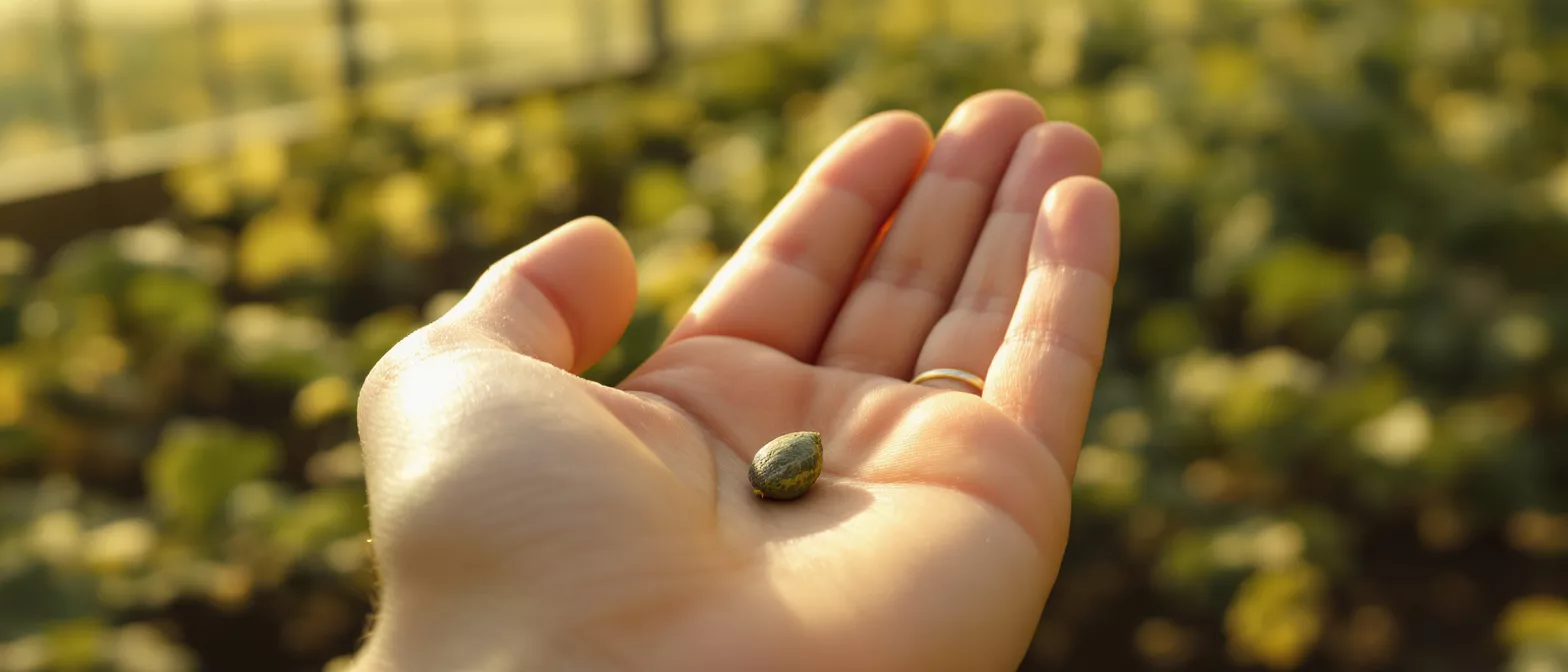
Feminized seeds
Discover everything about feminized seeds—how they're made, grown, and why they matter.
What Are Feminized Seeds
Feminized seeds are cannabis seeds bred to produce almost exclusively female plants, removing the guesswork that comes with standard seed stock. For growers, this matters because only female cannabis plants develop the resinous, cannabinoid-rich flowers most people are cultivating for in the first place. Male plants, by contrast, produce pollen sacs and, if left in a garden, can pollinate nearby females and turn a promising harvest into a seedy, lower-quality crop.
Why female-only genetics matter: In a typical run of regular seeds, roughly half the plants turn out male. That means wasted time, nutrients, light, and space on plants you will ultimately discard. Feminized seeds push the female ratio upward of 99% under stable conditions, so nearly every plant you nurture contributes to your final yield. This efficiency is the central reason feminized genetics dominate the modern dispensary supply chain and home-grow market alike.
Who feminized seeds are best for: Beginners benefit because they skip the stressful task of sexing plants and culling males mid-grow. Commercial cultivators benefit from predictable plant counts and consistent canopy management. Even seasoned hobbyists chasing a specific phenotype lean on feminized stock to avoid wasting a grow cycle. According to Healthline, the cannabinoid content people seek—from Delta-9 THC to CBD—is concentrated in the flowering tops of these female plants, which makes securing female genetics a foundational decision.
How Feminized Seeds Are Made
Feminized seeds are created by inducing a female plant to produce pollen, then using that pollen to fertilize another female. Because both parents carry only female chromosomes, the resulting offspring inherit no male genetic contribution, yielding seeds that overwhelmingly grow into female plants. This is fundamentally different from the random coin-flip genetics of conventional breeding.
The role of silver compounds: The most common professional method uses colloidal silver or silver thiosulfate solution (STS), sprayed onto a female plant during early flowering. The silver disrupts ethylene production, which tricks the plant into forming pollen sacs despite being genetically female. Breeders then harvest this pollen to fertilize a second, untreated female. The science here is well documented, and reputable cultivation guides referenced by Healthline emphasize that the treated plant itself should never be consumed.
A second technique, rodelization, relies on a stressed female plant naturally producing a few pollen sacs late in its life cycle. This method is gentler and chemical-free but far less reliable, producing inconsistent seed batches and a higher chance of hermaphroditic offspring. For that reason, serious breeders almost universally favor the silver-based approach, which delivers stable, repeatable results across large production runs.
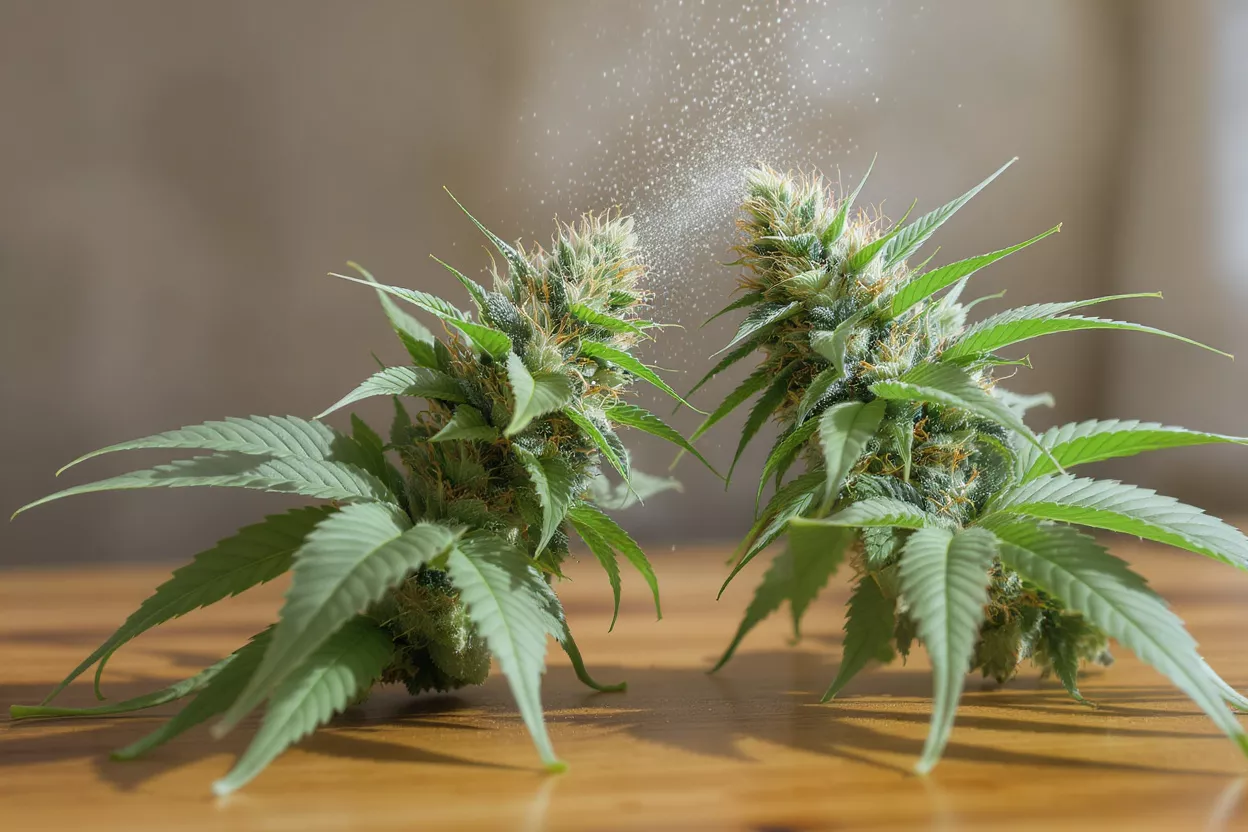
Feminized Seeds vs Regular Seeds
The choice between feminized and regular seeds comes down to your goals. Regular seeds carry both male and female genetics in roughly equal measure, which is exactly what breeders want when developing new strains or preserving male pollen donors. For the average grower whose aim is flower, though, that 50% male rate is pure overhead.
Here is a quick comparison to clarify where each type shines:
- 🌱 Feminized seeds: ~99% female plants, ideal for flower production, beginner-friendly, no sexing required.
- 🧬 Regular seeds: ~50/50 male-female split, essential for breeding projects and preserving stable mother and father lines.
- ⏱️ Time efficiency: Feminized saves weeks of growth otherwise wasted on plants destined for the compost.
- 💰 Cost per harvest: Feminized often costs more per seed but less per usable plant.
When regular seeds still make sense: If you intend to create your own crosses, hunt for a rare father, or build a genetic library, regular seeds remain irreplaceable. Many growers keep a small stock of premium breeding seed packs for exactly this reason, while running feminized stock for their main production garden. The two are complementary tools, not rivals.
Benefits of Feminized Seeds for Growers
The headline benefit of feminized seeds is predictability. When you plant ten seeds and reasonably expect ten flowering females, you can plan your canopy, calculate nutrient budgets, and forecast yield with far greater accuracy. That certainty is invaluable whether you are filling a single tent or supplying a distributor.
Space and resource savings: Every square foot under your grow light is expensive in terms of electricity, nutrients, and your own labor. Dedicating that space to plants you know will flower means nothing goes to waste. This is especially critical in compact indoor setups where directional airflow and limited footprint demand that every plant earn its place.
- ✅ Higher usable yield: Nearly all plants reach harvest as flowering females.
- 🌿 Simplified labor: No daily inspections to identify and remove males.
- 📦 Predictable planning: Accurate plant counts for licensing, space, and supply.
- 🔬 Phenotype focus: More plants of your target genetics to select from.
Beyond logistics, feminized seeds let growers concentrate on quality. With males off the table, you can devote attention to dialing in light, training, and feeding to coax out the dankest, most resinous flower possible. Some cultivators even isolate exceptional females to make their own diamonds and concentrates down the line.
Types of Feminized Seeds Explained
Not all feminized seeds are the same. The category splits primarily into photoperiod and autoflowering varieties, and understanding the difference shapes how you plan your grow from day one.
Photoperiod feminized seeds: These plants flower in response to changing light cycles, typically switching to bloom when daily light drops to around twelve hours. This gives growers precise control—you decide when to flip and trigger flowering. The tradeoff is a longer overall cycle and the need to manage light schedules carefully, which suits indoor growers using timers and blackout tents.
Autoflowering feminized seeds: Bred with ruderalis genetics, these plants flower automatically based on age rather than light cycle, usually finishing in 8 to 10 weeks from seed. They are smaller, faster, and forgiving, making them a favorite for first-time growers and those wanting multiple harvests per season. Many growers stock a few beginner autoflower starter kits to learn the ropes before committing to longer photoperiod runs.
Within both categories you will find indica-dominant, sativa-dominant, and hybrid options, plus emerging cannabinoid profiles featuring Delta-8 and Delta-10 alongside classic Delta-9 THC. According to Healthline, these minor cannabinoids interact with the body differently, so strain selection should match your intended experience and tolerance.
How to Germinate Feminized Seeds
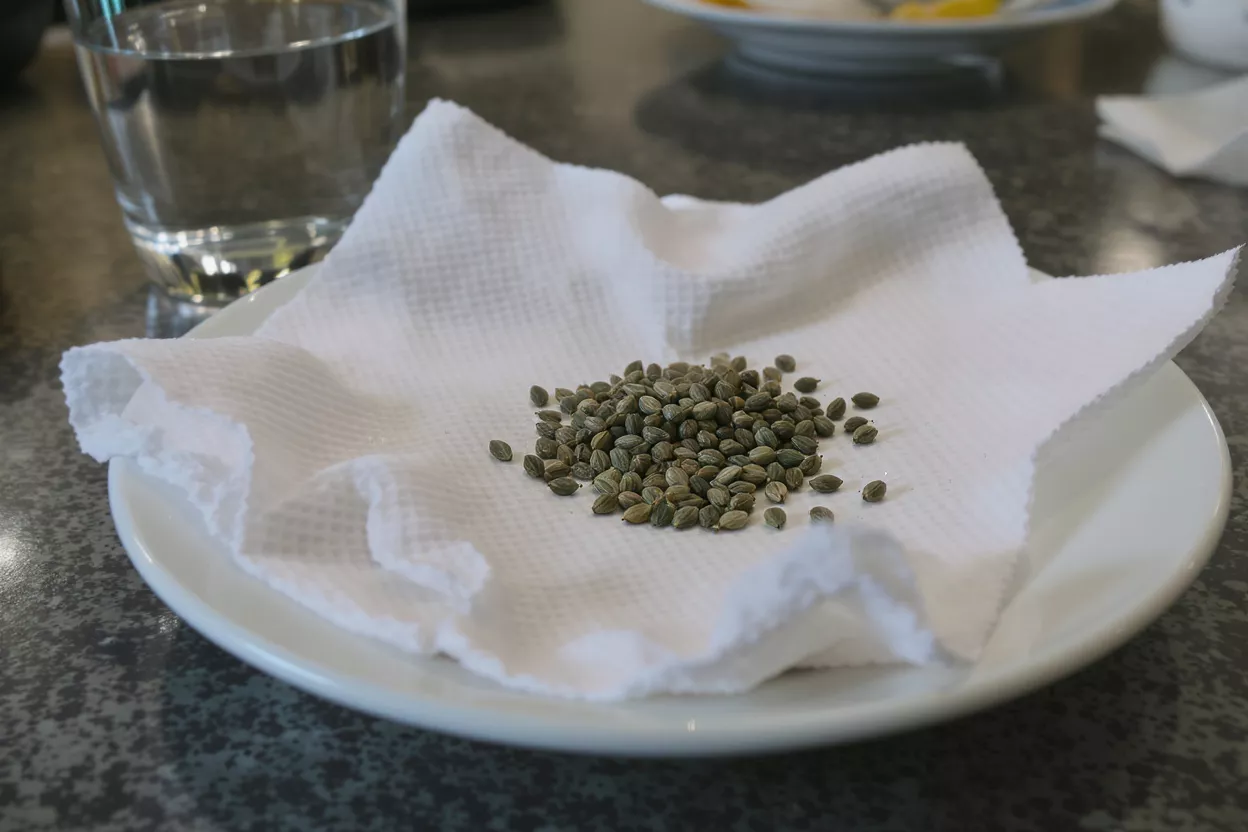
Germination is the first practical step, and feminized seeds germinate exactly like any other cannabis seed. The goal is to coax the taproot out gently in a warm, dark, humid environment. The most popular method is the paper towel technique: dampen a paper towel, place the seeds between layers, seal them in a container, and keep them around 70–77°F.
Water glass and direct sow methods: Some growers soak seeds in water for 12 to 24 hours until they sink, then transfer to soil. Others sow directly into a moist growing medium, skipping handling altogether to reduce the risk of damaging the fragile taproot. Each method works; consistency and cleanliness matter more than which one you choose.
Within two to seven days you should see a white taproot emerge. Once it reaches a quarter inch, plant it root-down into your medium. Avoid touching the root directly and keep humidity high for the seedling's first week. Patience pays off here—rushing a fragile sprout into harsh light or dry soil is the fastest way to lose a seed you paid good money for.
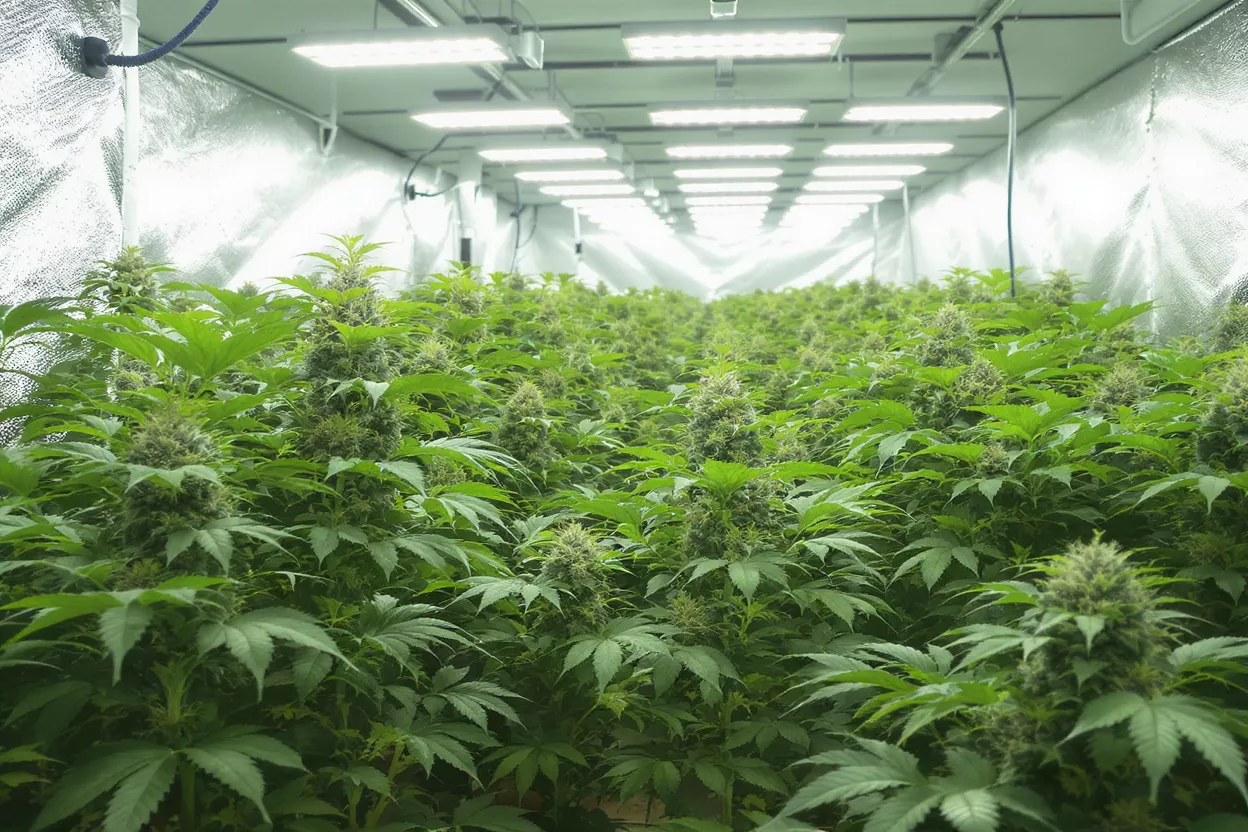
Growing Feminized Seeds Indoors
Indoor cultivation gives you total control over the variables that determine quality, and feminized seeds are tailor-made for the controlled environment. From light intensity to humidity to directional airflow, every factor can be tuned to push your female plants toward their genetic potential.
Light and the flowering flip: For photoperiod feminized seeds, the vegetative stage runs under 18 to 24 hours of light daily, then you flip to a 12/12 cycle to trigger flowering. Quality lighting is the single biggest investment that pays back in yield and potency. Many indoor growers pair their setup with a reliable full-spectrum LED grow light to deliver the spectrum plants crave without excess heat.
Environment and airflow: Cannabis thrives between 70 and 85°F in veg, with humidity tapering down as plants mature to discourage mold. Good air circulation strengthens stems and prevents stagnant pockets where pathogens breed. Techniques like defoliation—removing select fan leaves—improve light penetration and airflow to lower bud sites, raising overall canopy quality.
As harvest nears, watch the trichomes. When they shift from clear to milky white with a few amber, your flower is at peak ripeness. Proper drying and curing afterward preserves terpenes and prevents that harsh, hay-like quality of rushed bud, rewarding your weeks of careful work with truly dank results.
Common Feminized Seed Mistakes to Avoid
Even with the female-genetics advantage, growers still make mistakes that compromise their harvest. The most common is stressing plants into hermaphroditism. While feminized seeds are stable, extreme stress—light leaks, heat spikes, severe nutrient swings—can occasionally trigger a female to throw male pollen sacs, jeopardizing the entire grow.
- 💡 Light leaks: Stray light during dark hours confuses photoperiod plants and invites stress.
- 🌡️ Heat and humidity spikes: Wild swings stress plants and encourage mold or hermaphroditism.
- 🍽️ Overfeeding: More nutrients is not better; nutrient burn stunts growth and locks out uptake.
- 💧 Overwatering: Soggy roots suffocate plants and breed root rot far faster than underwatering.
Buying low-quality genetics: Cheap, unstable feminized seeds from disreputable sources are far more prone to hermaphroditism and inconsistent growth. Investing in seeds from a reputable breeder or trusted distributor pays dividends in stability and final flower quality. The few extra dollars per seed are trivial compared to the cost of a failed grow.
Finally, rushing the harvest robs you of potency and flavor. Patience throughout the cycle—from germination to cure—is the through-line of every successful grow, and it is the lesson that separates frustrated first-timers from consistent croppers.
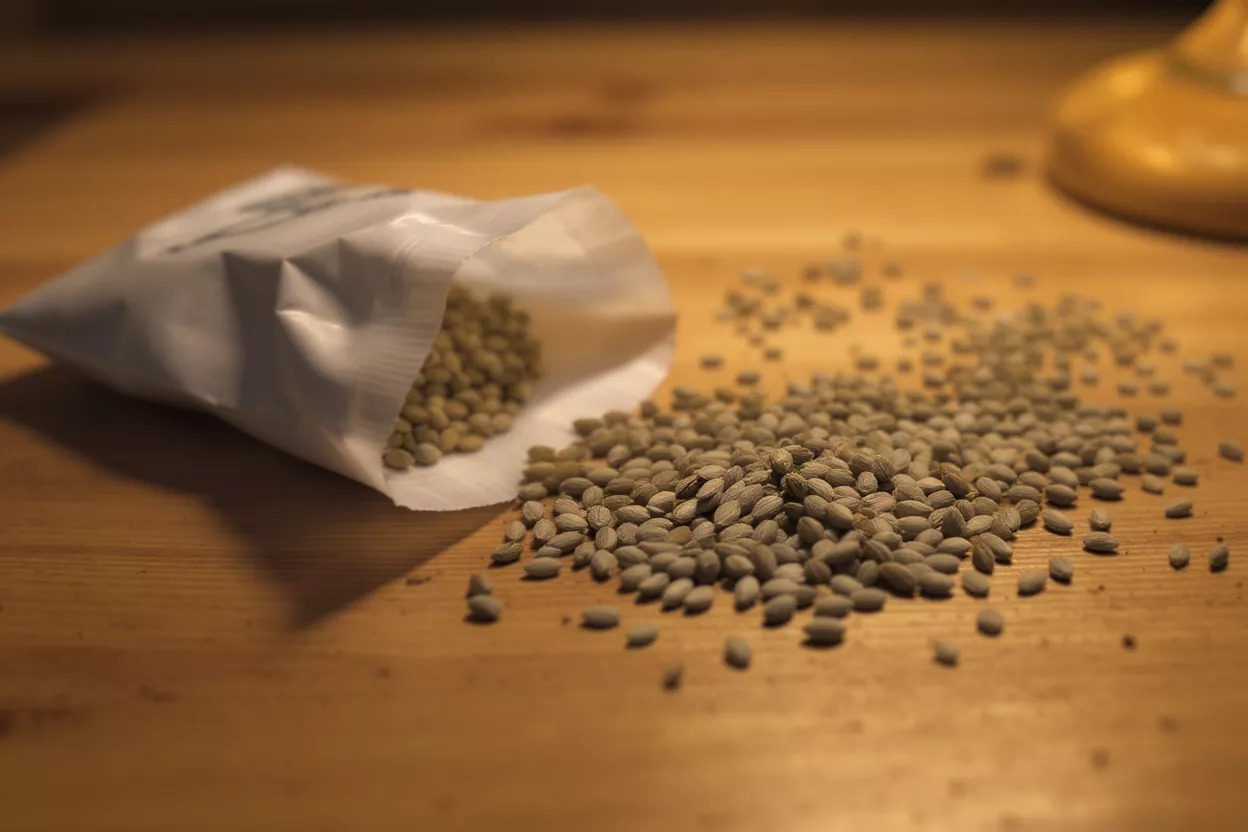
Are Feminized Seeds Reliable and Safe
A frequent question among newcomers is whether feminized seeds are reliable and safe to grow and consume. The short answer is yes—the resulting flower is chemically identical to flower from any other female cannabis plant. The silver compounds used to create the seeds act only on the parent plant during breeding and are never present in the seeds you purchase or the buds you eventually harvest.
Stability of modern genetics: Today's feminized seeds from established breeders are remarkably stable, with hermaphroditism rates well under one percent when grown in proper conditions. Breeding techniques have matured significantly over the past two decades, and according to Healthline, the cannabinoids and terpenes in properly cultivated cannabis are the same regardless of whether the seed was feminized or regular.
Reliability ultimately rests in your hands as the grower. Stable seeds plus a stable environment equal a stable, predictable crop. Provide consistent light, temperature, and feeding, and feminized seeds will reward you with the all-female garden they were bred to produce—no surprises, no wasted plants, no seedy flower.
Choosing the Best Feminized Seeds
Selecting the best feminized seeds means balancing genetics, grow environment, and your personal goals. Start with a reputable source—a breeder or dispensary with transparent genetics, real customer feedback, and clear strain information beats a bargain-bin mystery pack every time.
Match the strain to your space: Tall sativa-leaning photoperiod plants can overwhelm a small tent, while compact autoflowers thrive in tight quarters. Consider your ceiling height, ventilation, and whether you want one big harvest or several staggered ones. Indica-dominant feminized strains tend to stay short and bushy, ideal for indoor growers managing limited vertical space.
Consider these factors before you buy:
- 🧪 Cannabinoid profile: Decide whether you want high-THC, balanced, or CBD-rich genetics.
- 📏 Plant size and structure: Match height and stretch to your available grow space.
- ⏳ Flowering time: Autoflowers finish fast; photoperiods reward patience with bigger yields.
- ⭐ Breeder reputation: Stable, well-reviewed genetics prevent costly surprises.
Feminized seeds have transformed home and commercial cultivation by taking the guesswork out of growing flower. By guaranteeing an almost entirely female garden, they save time, space, and resources while letting growers focus on what truly matters: cultivating clean, potent, flavorful cannabis. Whether you are germinating your first seed or refining a perennial routine, choosing quality feminized genetics from a trusted source sets the foundation for a rewarding harvest—dank, resinous, and exactly what you set out to grow.