cannabis jelly
Discover what cannabis jelly is, how it's made, and how to dose it safely.
Cannabis jelly has quietly become one of the most approachable ways to enjoy infused edibles, sitting somewhere between a classic gummy and a spreadable preserve. Whether you picture a wobbly cube dusted in sugar or a glossy spoonful stirred into morning toast, the appeal is the same: a measured, palatable dose that tastes more like a treat than a remedy. As interest in low-key, food-first consumption grows, cannabis jelly offers a friendly entry point for curious newcomers and a versatile staple for seasoned enthusiasts alike.
In this guide we'll unpack what cannabis jelly actually is, how it's produced, the cannabinoids you might find inside it, and how to use it responsibly. Along the way we'll touch on dosing, storage, safety, and how to separate quality products from gimmicks, so you can make confident choices the next time you shop.
What Is Cannabis Jelly
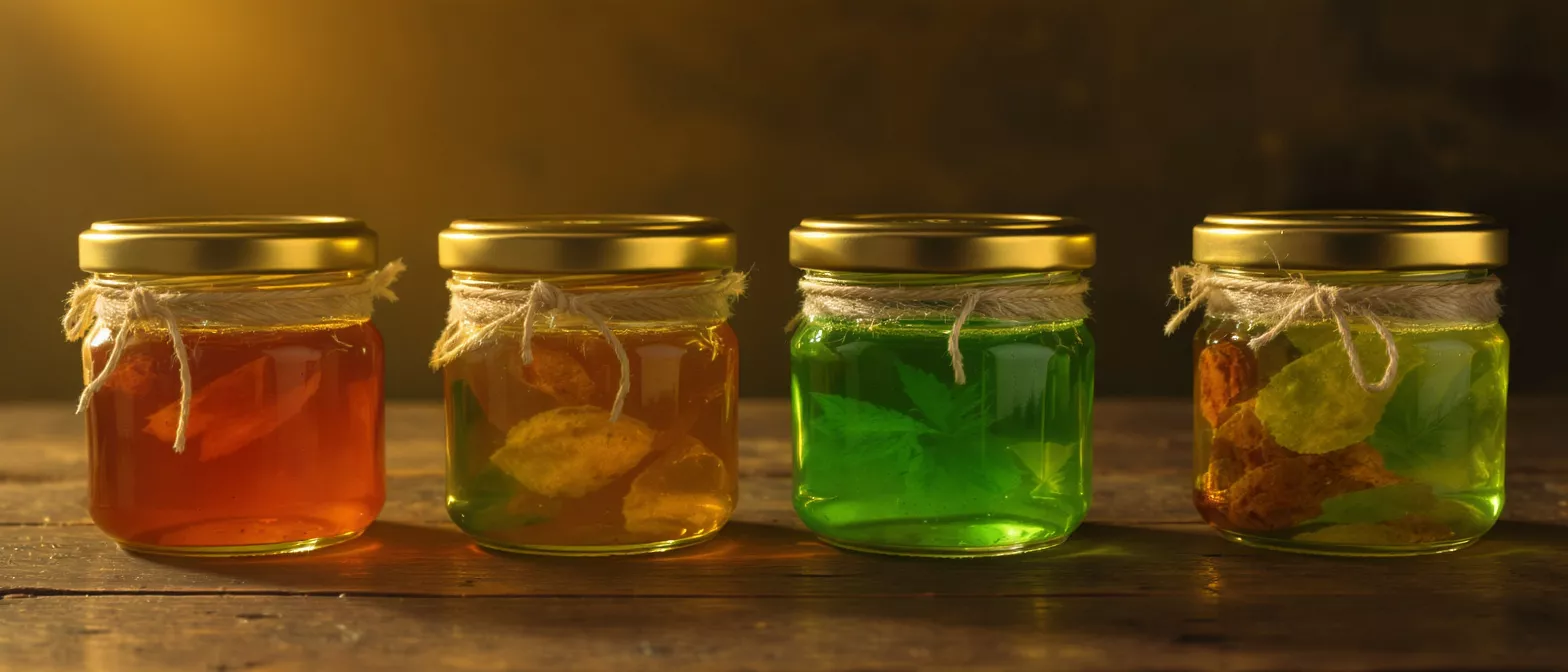
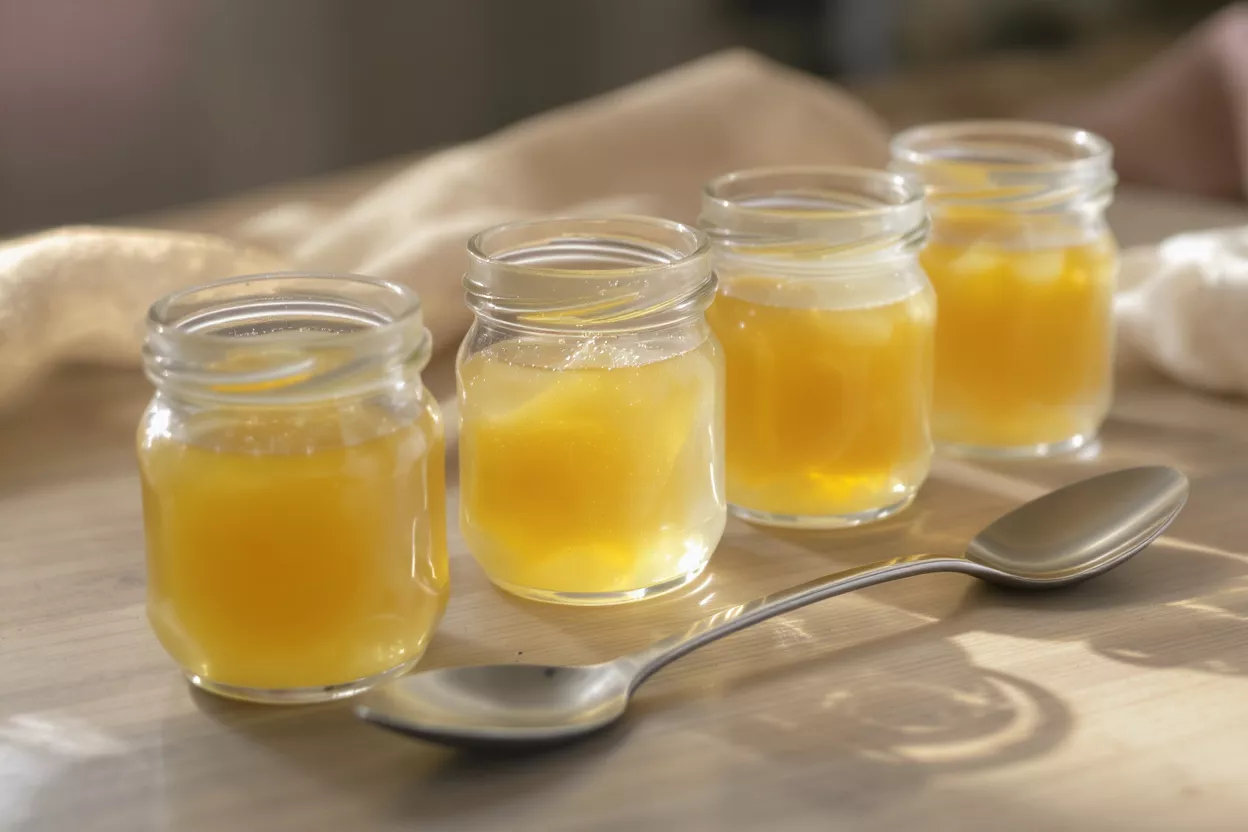
Cannabis jelly is an infused edible built on the same principles as ordinary fruit jelly or gelatin dessert, with a cannabis extract folded into the mix. The base is typically a combination of fruit juice or puree, a gelling agent such as pectin or gelatin, sweetener, and a precisely measured cannabis distillate or full-spectrum oil. The result is a soft, spoonable or sliceable product that carries cannabinoids in a stable, easy-to-portion format.
How cannabis jelly differs from gummies: While the two overlap, gummies are usually firmer, molded shapes designed for grab-and-go snacking, whereas jelly tends to be softer and sometimes sold in jars meant for spreading or stirring. That spreadable quality lets you scale a dose up or down more fluidly than a fixed-size gummy, which is part of its charm for people who like to fine-tune their experience.
What cannabinoids it contains: Most products lead with THC or CBD, but minor cannabinoids are increasingly common. You may see CBG, CBN, or even rarer compounds like CBL listed on a label as brands experiment with targeted effects. According to RxList, cannabinoids interact with the body's endocannabinoid system, which helps explain why different ratios can produce noticeably different experiences.
How Cannabis Jelly Is Made
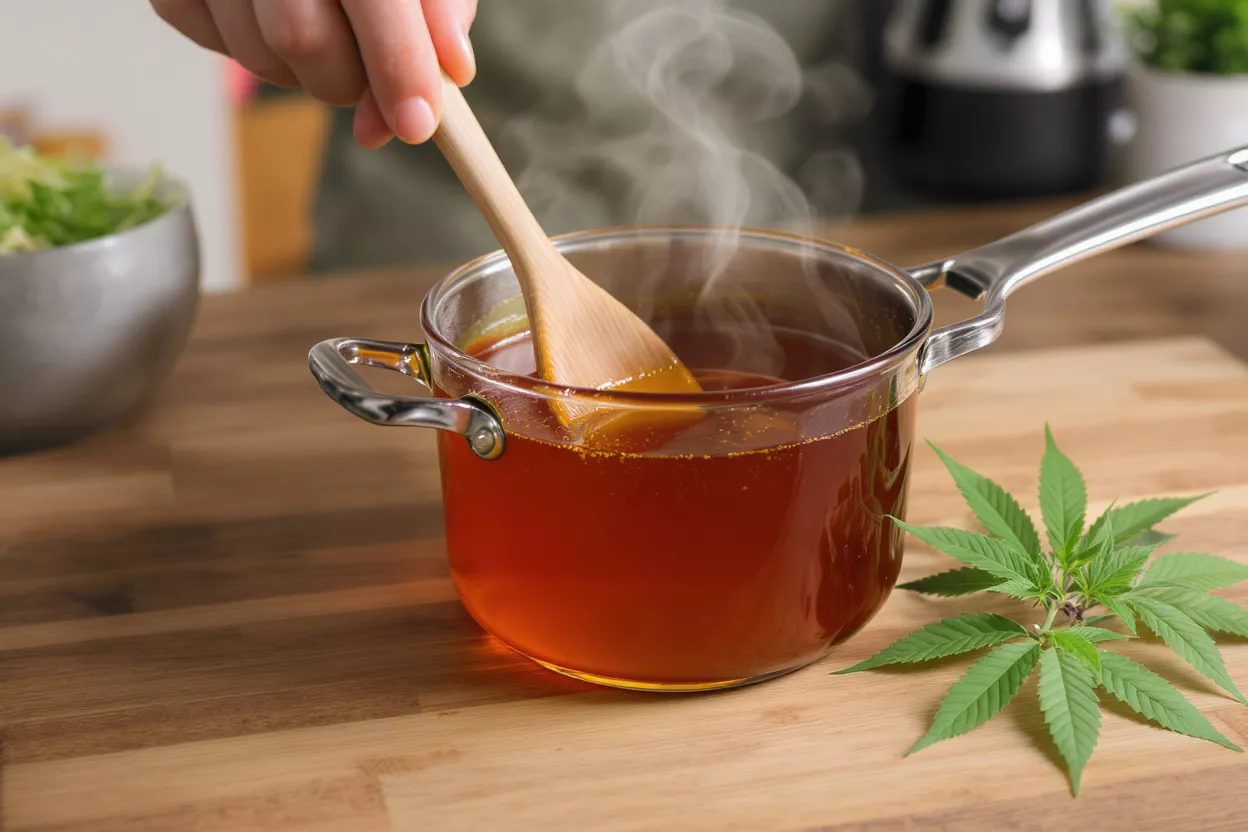
Making cannabis jelly is a careful exercise in chemistry and consistency. The process starts with decarboxylated cannabis extract, meaning the raw plant compounds have been gently heated to convert acidic precursors such as CBGA into their active forms. Without this step, the jelly would deliver far weaker effects than its label suggests, since the body does not readily activate raw acidic cannabinoids on its own.
Once the extract is ready, it must be evenly dispersed throughout the jelly base. Because cannabis oil and water-based fruit mixtures naturally resist blending, manufacturers rely on emulsifiers and steady agitation to keep potency uniform from one spoonful to the next. Poor mixing is the leading cause of "hot spots," where one portion is far stronger than another. Quality producers test finished batches in a lab to verify even distribution.
The role of heat and timing: Temperature control matters enormously. Overheating can degrade delicate cannabinoids and terpenes, dulling both flavor and effect, while underheating risks incomplete gelling. Skilled makers treat the process like fine cooking, watching for the precise moment the pectin sets so the texture stays consistent. RxList notes that how a cannabinoid product is prepared can influence how predictably it behaves once consumed.
Types of Cannabis Jelly
Not all cannabis jelly is created equal, and the variety on the market reflects how flexible the format can be. Some products mimic traditional fruit preserves, while others lean into the dessert-gummy hybrid. Understanding the categories helps you match a product to your goals, whether that's relaxation, focus, or simply a tasty culinary experiment.
Here are the most common styles you'll encounter when shopping for a quality low-dose THC edible:
- 🍓 Spreadable jar jelly: Sold in jars and designed to be stirred into food or spread on toast, offering the most flexible dosing.
- 🟦 Cut-and-serve jelly squares: Firmer slabs portioned into cubes, sitting between a soft jelly and a traditional gummy.
- 🌙 CBN nighttime jelly: Formulated with CBN to support a calming, wind-down routine before sleep.
- 🌿 Full-spectrum jelly: Includes a broad range of cannabinoids and terpenes for a richer, entourage-style effect.
- 💧 Fast-acting jelly: Made with nano-emulsified extract intended to take effect more quickly than standard edibles.
Single-cannabinoid vs blends: Some shoppers prefer the predictability of an isolate-based jelly that contains only THC or only CBD, while others enjoy the nuance of blends pairing THC with CBG or CBN. There's no universally superior option; the right pick depends on how your body responds and what effect you're chasing.
Cannabis Jelly vs Other Edibles
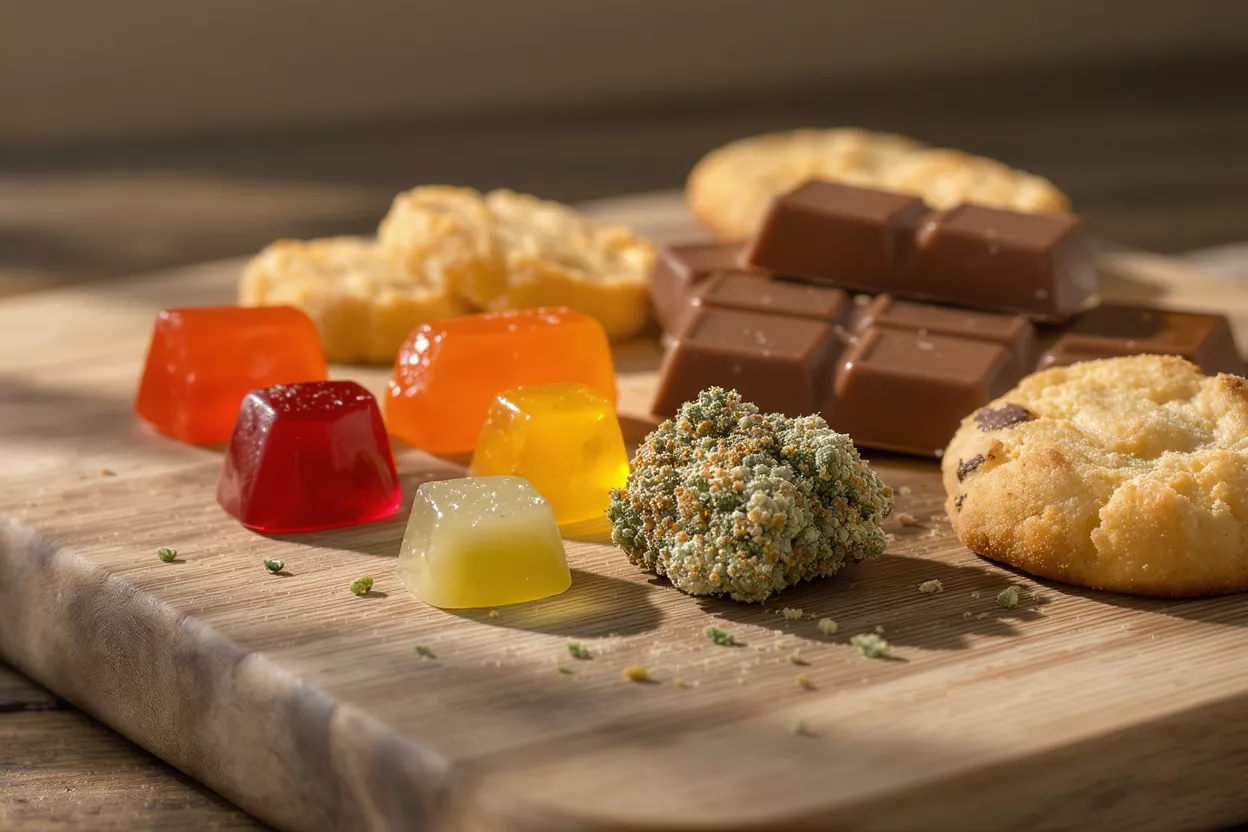
If you've ever stood in front of a shelf weighing jelly against gummies, chocolates, and beverages, you're not alone. Each edible format has distinct strengths, and cannabis jelly carves out its niche through texture and dosing flexibility. Compared with a rigid gummy, jelly is easier to divide into partial doses, which appeals to people just starting out.
Chocolates and baked goods, by contrast, often carry more fat, which can change how the body absorbs cannabinoids and may slow or smooth onset. Jelly's lighter, fruit-forward base tends to feel less heavy and is friendlier to those watching calories or avoiding dairy. Beverages act fastest of all but offer less portion control once the bottle is open.
Why texture changes the experience: The mouthfeel of jelly encourages slower, more deliberate consumption, which can help mindful users avoid the classic mistake of over-eating before the first dose kicks in. Many people who once relied on a CBD calming tincture appreciate that jelly delivers a similar measured approach in a more enjoyable, food-like package.
How Cannabis Jelly Affects the Body
When you eat cannabis jelly, the cannabinoids travel through your digestive system before entering the bloodstream, which is why edibles behave so differently from inhaled cannabis. This first-pass through the liver converts much of the THC into a more potent metabolite, producing effects that are often described as stronger and longer-lasting than smoking or vaping.
Onset is the trade-off. Where a cbd vape pen might deliver noticeable effects within minutes, jelly typically takes anywhere from 30 minutes to two hours to fully arrive. This delay is the single most important thing for newcomers to understand, because impatience leads people to take a second dose too soon. RxList explains that the metabolism of orally consumed cannabinoids varies widely between individuals based on factors like body composition and whether you've eaten.
How long the effects last: Once edible effects set in, they commonly persist for four to eight hours, with some lingering tail-off afterward. That extended duration makes jelly well suited to evening relaxation or all-day, low-dose support, but it also means timing matters if you have responsibilities later in the day.
Cannabis Jelly Dosing Guide
Dosing is where cannabis jelly truly shines, but it also demands respect. The golden rule echoed across the industry is "start low and go slow." For most beginners that means beginning with a modest amount, waiting at least two hours, and only then deciding whether to increase. This simple discipline prevents the overwhelming experiences that scare people away from edibles entirely.
Use the following general framework as a starting reference, keeping in mind that personal tolerance varies enormously:
- 🟢 Microdose: A very small amount, often used for subtle daytime relief without strong intoxication.
- 🟡 Standard beginner dose: A common entry point for occasional users seeking gentle, manageable effects.
- 🟠 Moderate dose: Suited to regular consumers with established tolerance who want clear, reliable effects.
- 🔴 High dose: Reserved for experienced users and best approached with caution and an empty schedule.
Why patience prevents mistakes: The most common dosing error is layering a second helping before the first has taken hold. Because jelly's onset is delayed, that second portion can stack on top of the first, turning a pleasant evening into an uncomfortable one. A reliable accurate dosing measuring tool or simply pre-portioned squares can make consistent dosing far easier for households that share a jar.
Cannabis Jelly Benefits
The appeal of cannabis jelly goes beyond novelty. Its precise, repeatable dosing is a genuine advantage over methods like smoking, where potency is harder to gauge. For people using cannabinoids to support relaxation, occasional discomfort, or sleep, that consistency translates into a more predictable and controllable routine.
Jelly is also discreet and smoke-free, which matters to anyone who dislikes inhalation or wants to avoid the lingering aroma of combustion. It travels well, stores neatly, and looks unremarkable, making it a comfortable option for those who value privacy. According to RxList, avoiding combustion sidesteps the respiratory irritation associated with smoking, which is a meaningful consideration for long-term users.
Versatility in everyday use: Because spreadable jelly can be folded into food and drink, it opens creative culinary possibilities that a fixed gummy cannot. From stirring a measured spoonful into tea to topping a cracker, the format adapts to your habits rather than forcing you to adapt to it. This flexibility is a quiet but real benefit that keeps people coming back.
Are Cannabis Jelly Products Safe
For most healthy adults, cannabis jelly is considered low-risk when used responsibly, but safety hinges on sourcing and self-awareness. The biggest hazards are not exotic; they're overconsumption and accidental ingestion. Because jelly looks and tastes like an ordinary treat, it must be stored well out of reach of children and pets, ideally in clearly labeled, child-resistant packaging.
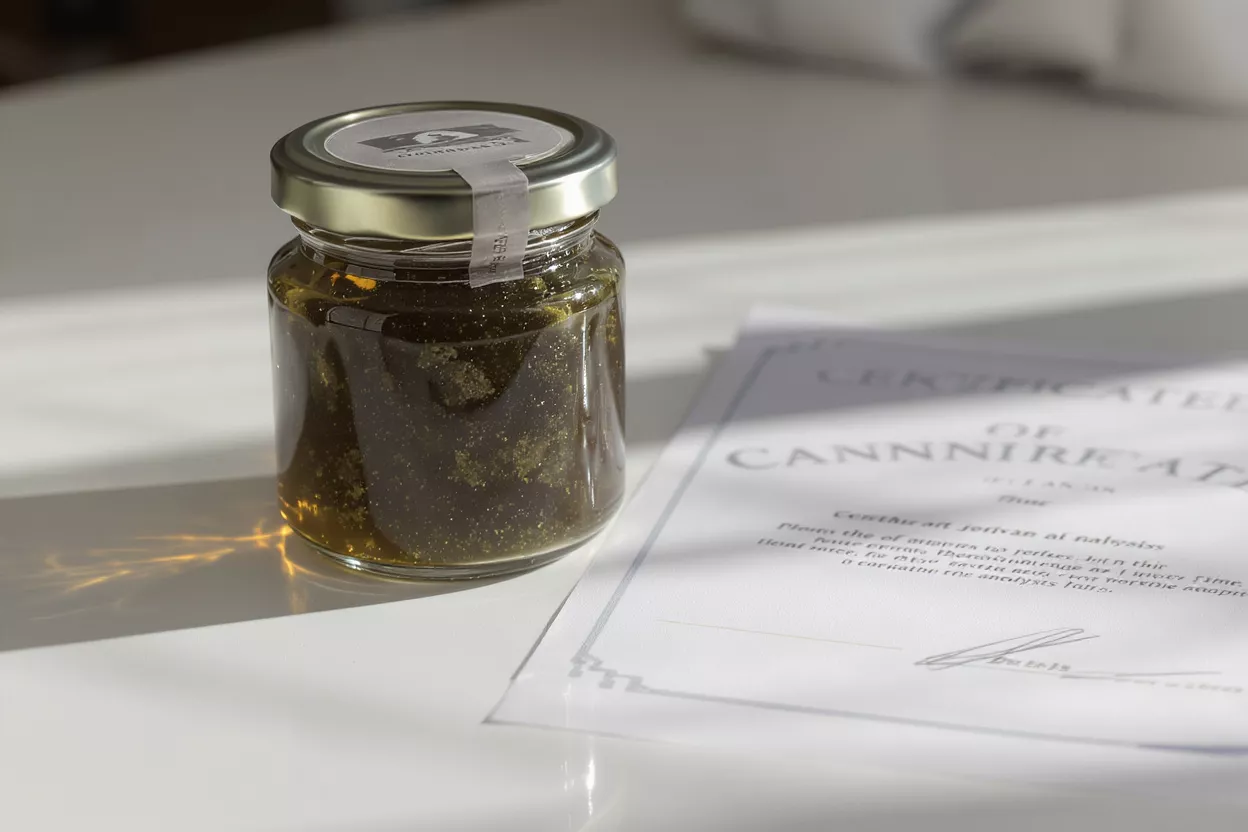
Product quality is the other half of the equation. Reputable brands publish third-party lab results, known as a certificate of analysis, confirming both potency and the absence of contaminants like pesticides, heavy metals, and residual solvents. RxList cautions that cannabis can interact with certain medications, so anyone taking prescription drugs should consult a healthcare provider before adding edibles to their routine.
Who should be cautious: Pregnant or nursing individuals, people with cardiovascular conditions, and anyone with a history of adverse reactions to THC should approach with extra care or avoid it altogether. Side effects from overconsumption, while rarely dangerous, can include anxiety, dizziness, and dry mouth, and they pass with time and rest.
How to Store Cannabis Jelly
Proper storage protects both the potency and the texture of your cannabis jelly. Cannabinoids degrade when exposed to light, heat, and oxygen, so the ideal home is a cool, dark, airtight container. A pantry shelf away from the stove or a drawer in a cool room generally outperforms a sunny countertop, which can slowly sap potency and soften the gel.
Humidity is the texture's main enemy. Too much moisture can make jelly weep or grow sticky, while an overly dry environment can cause it to firm up unevenly. Resealing the jar promptly after each use limits both air exposure and moisture swings, keeping the product pleasant to eat for longer.
Should you refrigerate it: Many spreadable jellies benefit from refrigeration once opened, much like a conventional fruit preserve, which extends freshness and discourages microbial growth. Always check the manufacturer's guidance, since formulations differ, and never leave any infused product where a curious child or pet might mistake it for an ordinary snack.
How to Choose Cannabis Jelly
With the market expanding quickly, knowing how to evaluate a product separates a satisfying purchase from a disappointing one. Start with transparency: a trustworthy brand makes its lab testing easy to find and clearly lists cannabinoid content per serving, not just per jar. If a label is vague about potency, treat that as a red flag.
Next, consider the ingredient list and the cannabinoid profile. Simple, recognizable ingredients usually signal a more thoughtfully made product, and the choice between an isolate and a full-spectrum blend should align with the effect you want. Someone seeking gentle sleep support might gravitate toward a CBN-forward jelly, while a daytime user may prefer a balanced THC-to-CBD ratio.
Use this quick checklist before you buy:
- 🔬 Lab results: Confirm a current certificate of analysis is available.
- 🏷️ Clear labeling: Look for milligrams per serving, not just per container.
- 🌱 Ingredient quality: Favor recognizable, minimal ingredient lists.
- ⭐ Brand reputation: Read reviews and check the company's track record.
Cannabis jelly proves that thoughtful, food-forward edibles can be both enjoyable and dependable. By understanding how it's made, how it affects your body, and how to dose, store, and select it wisely, you set yourself up for a consistently good experience. Lead with patience, lean on lab-tested products, and let the gentle, measured nature of jelly do the rest, and you'll have a versatile cannabinoid option worth keeping in your routine.