Munchies
Munchies explained: discover why cannabis triggers intense food cravings, the science behind THC and appetite, plus smart tips to manage hunger.
What Are Munchies and Why Do They Happen
Few side effects of cannabis are as famous, or as fondly remembered, as the munchies. That sudden, almost irresistible urge to eat everything in the kitchen has become a cultural touchstone, immortalized in films, comedy sketches, and countless late-night refrigerator raids. But behind the jokes lies a genuinely fascinating piece of neuroscience. The munchies describe the intense increase in appetite and food cravings that many people experience after consuming THC, the primary psychoactive compound in cannabis.
The term itself has roots in mid-twentieth-century slang, but the phenomenon it describes is far older than the word. People have observed cannabis stimulating hunger for centuries, long before scientists could explain the mechanism. What makes the munchies remarkable is not just that they increase appetite, but how dramatically they can reshape your relationship with food in the moment, making ordinary snacks taste extraordinary.
Understanding the munchies means looking past the stereotype and into the body's own signaling systems. The cravings are not random or purely psychological. They are the result of specific molecular interactions between cannabinoids and the brain regions that govern hunger, reward, and sensory perception. This guide unpacks the full picture, from the biology to the snack bowl.
What Causes Munchies After Smoking Weed
The munchies after smoking weed stem from THC's interaction with the body's endocannabinoid system, a vast network of receptors that helps regulate mood, memory, pain, and crucially, appetite. When THC enters the bloodstream and reaches the brain, it binds to cannabinoid receptors in regions that directly influence how hungry you feel.
Multiple pathways converge to produce that ravenous feeling. THC does not simply flip a single hunger switch. Instead, it nudges several independent systems at once, amplifying signals that tell your brain food would be rewarding right now. This layered effect explains why the munchies can feel so powerful compared to ordinary hunger, which builds gradually as the stomach empties.
Several key factors influence how strong the munchies hit:
- 🌿 THC potency: Higher-THC strains and concentrates tend to produce more pronounced appetite stimulation.
- ⏱️ Consumption method: Inhaled cannabis acts fast, while edibles produce a slower, sometimes longer-lasting hunger.
- 🧬 Individual biology: Tolerance, metabolism, and personal endocannabinoid tone all shape the response.
- 🕒 Timing: Using cannabis on an empty stomach often intensifies cravings.
Why Does Cannabis Cause Munchies on a Brain Level
To understand why cannabis causes munchies, researchers have zeroed in on the hypothalamus, the brain's appetite control center. Under normal conditions, this region releases signals that tell you when you are full. Studies in mice revealed something surprising: THC flips the behavior of certain neurons so that, instead of signaling fullness, they begin promoting hunger. The brain effectively receives a false message that the body needs to eat.
The reward system plays an equally important role. THC boosts the release of dopamine and stimulates the brain's pleasure circuitry, making the act of eating feel more satisfying. Food becomes not just appealing but genuinely rewarding, which is why even simple snacks can taste remarkable during a session. This dopamine effect helps explain the emotional pull of the munchies, not just the physical hunger.
There is also a sensory dimension. Cannabis has been shown to heighten the sense of smell and taste by acting on the olfactory bulb. When aromas become more vivid, food becomes more enticing, creating a feedback loop where everything smells and tastes better, driving you toward the next bite.
THC and Appetite: The Science Explained
The relationship between THC and appetite has been studied extensively because of its medical implications. At the heart of the science are the CB1 receptors, found in high concentration throughout the brain and digestive tract. When THC activates these receptors, it triggers a cascade of hormonal and neural events that collectively ramp up hunger.
Ghrelin, the hunger hormone, appears to rise in response to cannabis use. Ghrelin normally signals the brain that it is time to eat, and elevated levels intensify the drive to seek food. THC seems to promote ghrelin release, reinforcing appetite from yet another angle and layering onto the hypothalamic and reward-based mechanisms already at work.
Here is how the major appetite mechanisms compare:
- 🧠 Hypothalamic switch: THC reverses fullness signals into hunger signals.
- ✨ Dopamine reward: Eating becomes more pleasurable and motivating.
- 👃 Sensory enhancement: Smell and taste sharpen, making food irresistible.
- 🍽️ Hormonal boost: Ghrelin levels rise, amplifying the urge to eat.
Munchies Food Cravings and What People Reach For
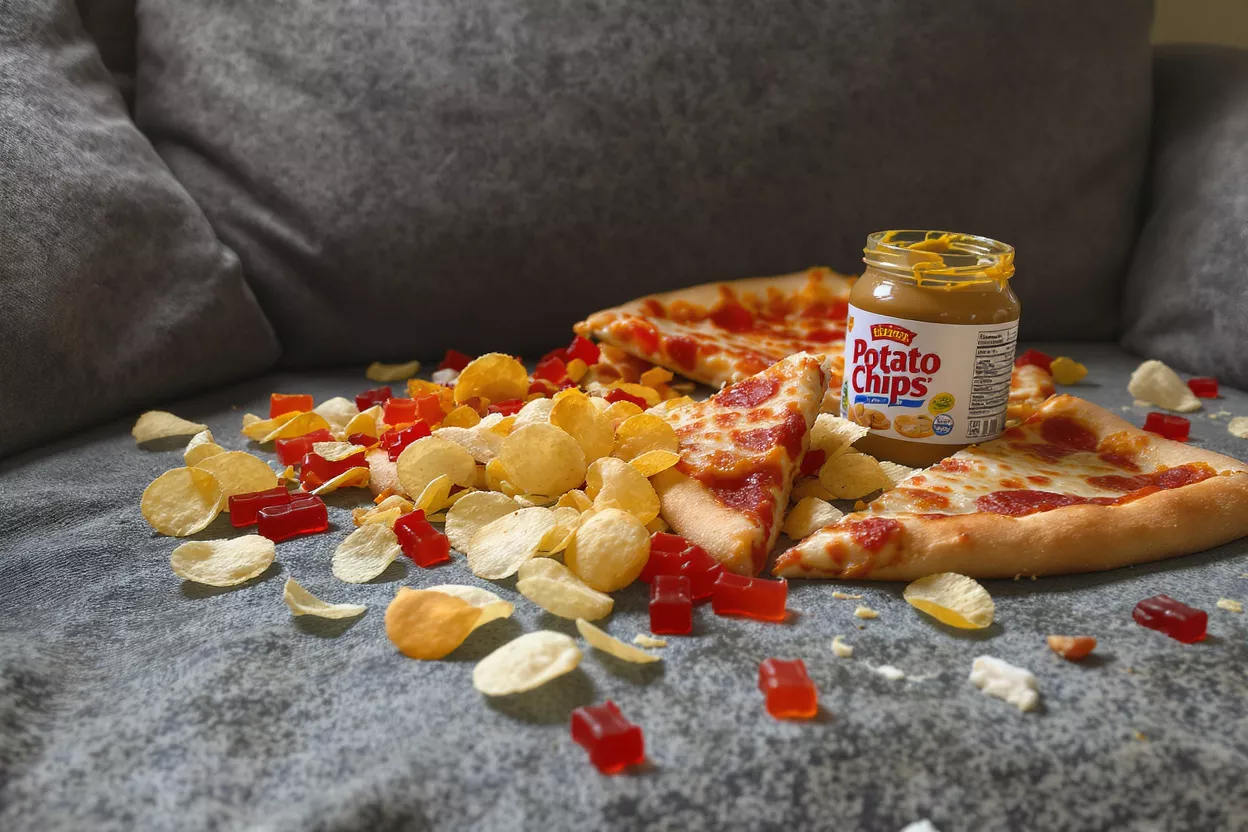
Munchies food cravings tend to follow predictable patterns, even if the specific snack varies from person to person. The most commonly craved foods are those rich in sugar, salt, and fat, the same flavor profiles the brain's reward system prizes most highly. When dopamine activity is elevated, these intensely flavored foods deliver an outsized sense of satisfaction.
The pull toward indulgence is not a failure of willpower but a direct consequence of altered brain chemistry. Sweet and savory snacks light up reward pathways already primed by THC, which is why ice cream, chips, and pizza so often become the targets of a munchies session rather than a plain salad.
Common munchies cravings include:
- 🍕 Savory comfort food: Pizza, nachos, and fries top many lists.
- 🍫 Sweet treats: Chocolate, candy, and baked goods satisfy the sugar pull.
- 🍿 Salty snacks: Chips, popcorn, and pretzels offer crunchy gratification.
- 🥤 Cold and creamy: Ice cream and milkshakes feel especially rewarding.
Best Munchies Snacks for Every Craving
When the munchies strike, having the right snacks on hand can transform the experience from a frantic kitchen scramble into something genuinely enjoyable. The best munchies snacks balance immediate satisfaction with a little forethought, so you are not left rummaging for crumbs. Many enthusiasts plan ahead, stocking favorites that hit every craving category.
Texture and variety matter more than you might expect during a session. Because cannabis heightens sensory perception, contrasting textures, the crunch of a chip against the smoothness of dip, become part of the pleasure. Mixing salty, sweet, and savory options keeps each bite interesting and prolongs the enjoyment.
Crowd-pleasing munchies snacks worth keeping stocked:
- 🧀 Cheese and crackers: Simple, satisfying, and endlessly customizable.
- 🍪 Cookies and brownies: Classic sweet indulgence that never disappoints.
- 🌮 Handheld bites: Tacos, sliders, and wraps are easy to assemble and eat.
- 🥨 Crunchy mixes: Trail mix and snack blends offer variety in every handful.
Healthy Munchies Food Choices That Still Satisfy
The munchies do not have to derail healthy eating. With a little planning, you can satisfy the cravings while choosing foods that nourish rather than just indulge. Healthy munchies food works best when it still delivers the flavor intensity the brain is seeking, so reaching for bland options rarely satisfies the urge.
Smart swaps let you honor the craving without the crash. If your brain wants salty crunch, air-popped popcorn or roasted chickpeas scratch the itch with far less guilt. When sweetness calls, fresh fruit, especially mango, berries, or frozen grapes, delivers natural sugar alongside fiber and nutrients.
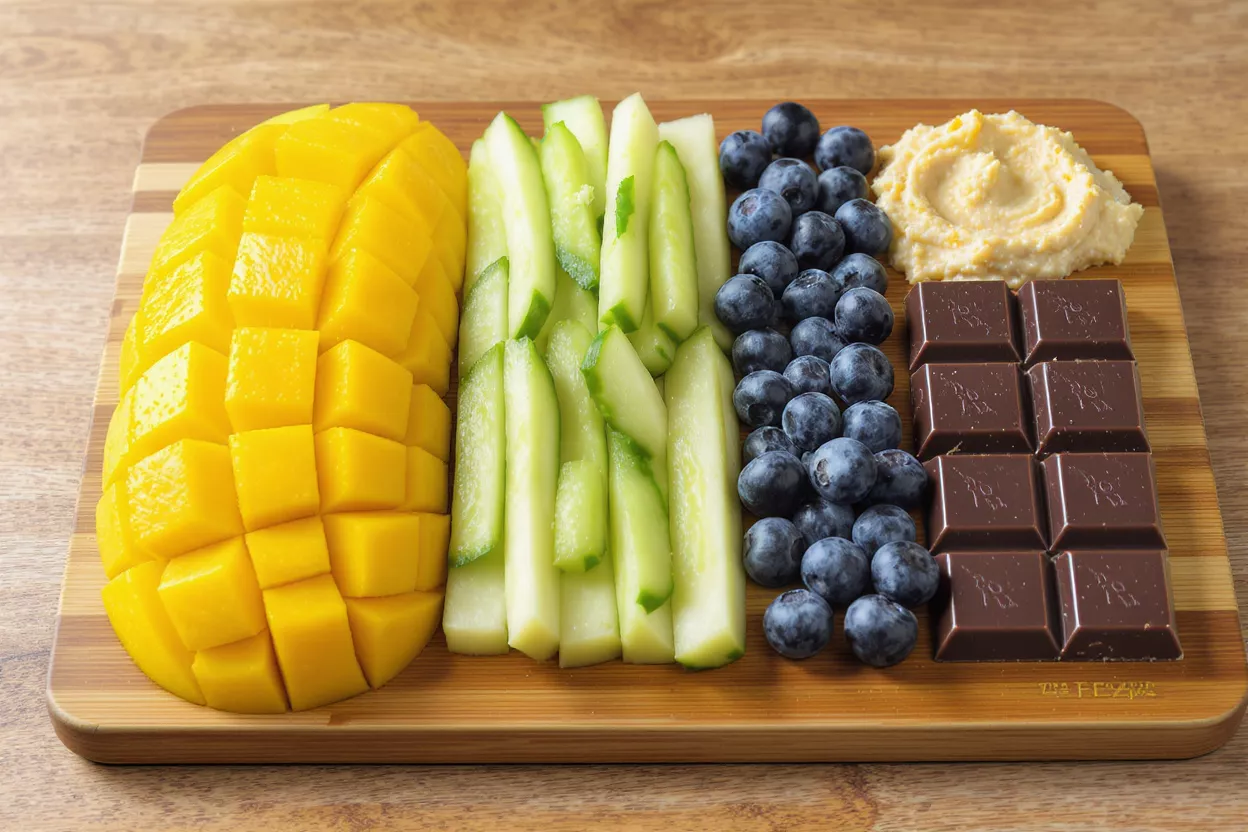
Preparation is the secret to eating well during a session. Pre-portioned snacks prevent the mindless overeating that the munchies can encourage, and keeping wholesome options at eye level in the fridge makes the healthy choice the easy choice. A bit of foresight before you consume cannabis goes a long way toward feeling good afterward.
Munchies Benefits in Medical Cannabis Use
While the munchies are often treated as a punchline, their appetite-stimulating power has serious therapeutic value. For patients battling conditions that suppress hunger, cannabis-induced appetite can be genuinely life-changing, helping them maintain weight and nutrition when little else works.
Cancer and HIV care represent two of the most studied applications. Chemotherapy and certain antiretroviral therapies frequently cause nausea and severe appetite loss, leading to dangerous weight decline. Cannabis, and pharmaceutical THC formulations derived from it, can restore the desire to eat and improve quality of life during difficult treatment.
Medical contexts where appetite stimulation helps:
- 💊 Cancer treatment: Counters chemotherapy-induced nausea and weight loss.
- 🩺 HIV/AIDS care: Helps combat wasting syndrome and restore healthy weight.
- 🧘 Eating disorders: May support appetite in carefully supervised cases.
- 🏥 Chronic illness: Assists patients whose conditions blunt natural hunger.

How to Stop Munchies When You Want To
Sometimes you want the effects of cannabis without the accompanying hunger, and knowing how to stop munchies can help you stay in control. While you cannot fully switch off the biological response, several strategies can blunt its intensity and keep cravings manageable.
Hydration and distraction form your first line of defense. Drinking water before and during a session can create a sense of fullness that takes the edge off hunger, and the brain sometimes confuses thirst for hunger anyway. Staying mentally engaged with an activity also redirects attention away from food.
Practical tactics for taming the munchies:
- 💧 Stay hydrated: Water or herbal tea can curb the urge to snack.
- 🥕 Pre-plan portions: Set out a measured snack instead of grazing freely.
- 🌬️ Consider CBD-rich strains: Higher CBD ratios may temper THC's appetite effect.
- 🦷 Brush your teeth: A minty mouth makes snacking less appealing.
Managing Munchies in Everyday Life
For regular cannabis users, managing the munchies becomes a matter of routine rather than constant struggle. The key is building habits that account for increased appetite ahead of time, so the cravings fit into a balanced lifestyle rather than disrupting it. Awareness is half the battle.
Mindful consumption turns the munchies into a manageable, even pleasant, part of the experience. Choosing when and how you consume, keeping nourishing foods accessible, and listening to genuine hunger versus reward-driven cravings all help you stay in tune with your body. Over time, this becomes second nature.
The munchies are a vivid reminder of how deeply cannabis interacts with the body's own systems. From the hypothalamic switch that flips fullness into hunger, to the dopamine surge that makes food irresistible, to the sensory boost that sharpens every flavor, the science is as rich as the snacks. Whether you embrace the cravings, redirect them toward healthier choices, or rely on them for medical benefit, understanding the mechanism puts you in control. Approached with a little planning and self-awareness, the munchies can be one of cannabis culture's most enjoyable quirks rather than an unwelcome surprise.