topical roll-on
Learn what a topical roll-on is, how it works, and why it's a top choice for targeted relief.
What Is a Topical Roll-On
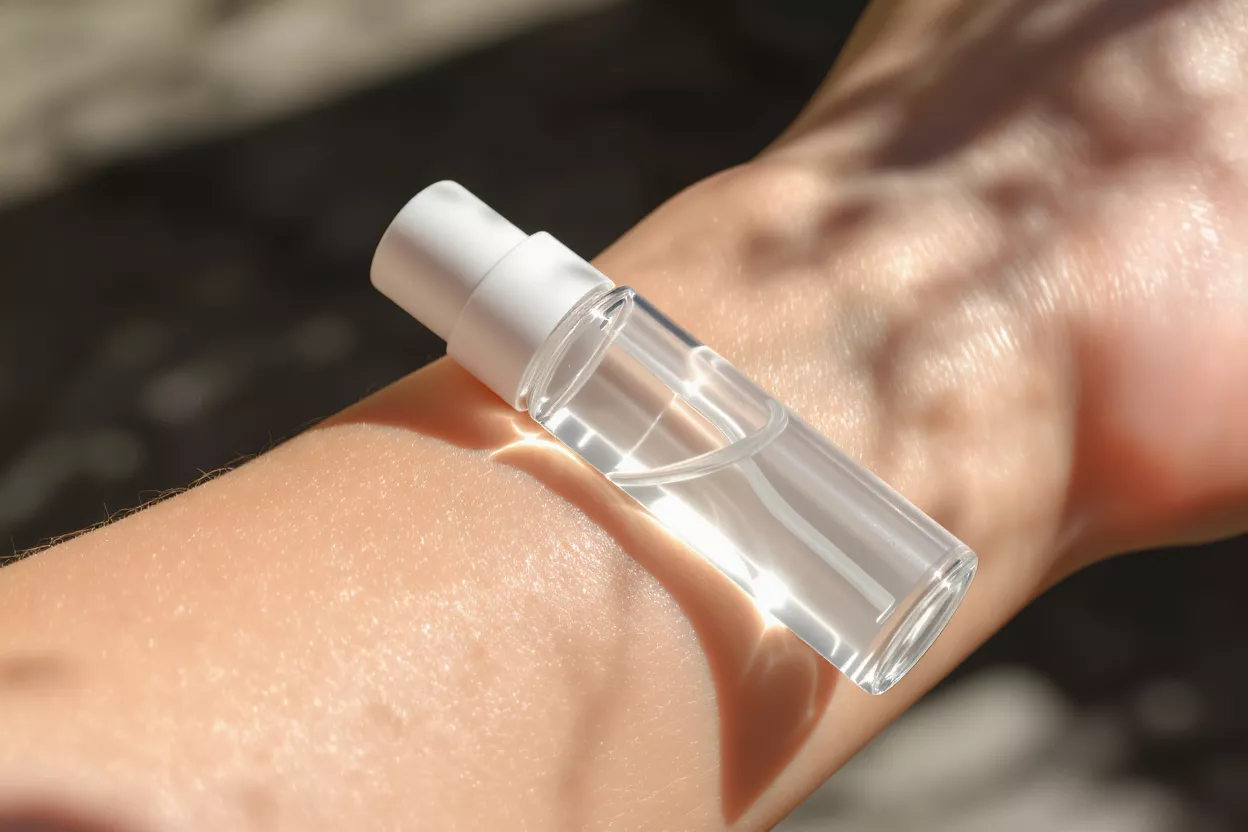
A topical roll-on is a skin-applied product housed in a slim bottle capped with a rolling ball applicator, designed to deliver active ingredients exactly where you want them with no mess on your hands. In the cannabis and wellness world, the topical roll-on has become a favorite delivery format because it pairs the precision of a deodorant-style applicator with concentrated botanical extracts, essential oils, and skin-conditioning carriers. You glide it across the skin, and the rolling ball meters out a thin, even layer of product.
The format took off as people looked for cleaner, more portable ways to use cannabinoid-infused and herbal preparations. Unlike a tub of balm you have to scoop with a finger, a topical roll-on stays sealed between uses, which keeps the formula fresher and reduces contamination. That convenience is a big part of why these slim bottles have migrated from gym bags to nightstands to office desks.
It helps to understand where a topical roll-on sits in the broader landscape of skin-applied products. Some formulas lean toward cosmetic skin care, others toward targeted comfort blends built around extracts made through methods like CO2 extraction. The common thread is localized, externally applied relief or care — the active ingredients are meant to work at or near the application site rather than producing a whole-body effect.
How Topical Roll-On Products Work
The rolling ball mechanism: The defining feature is the stainless steel or glass ball seated in the bottle neck. As you press and drag the applicator, the ball rotates and draws a controlled film of liquid from the reservoir onto your skin. This meters the dose far more evenly than fingers or a dropper, which is why a topical roll-on feels so consistent from one use to the next.
Once applied, the carrier oils and emulsifiers help the active compounds spread across and partially penetrate the upper layers of the skin. Cannabinoids and many botanical actives are lipophilic, meaning they dissolve in fats and oils, so a well-formulated carrier base improves how evenly the ingredients distribute. Research summarized by the National Center for Biotechnology Information notes that the skin contains cannabinoid receptors, which is part of why localized topical application has drawn interest from formulators and researchers alike.
It is worth being clear about scope. A topical roll-on is built for surface and near-surface action — soothing tired areas, cooling warm skin, or delivering aromatic essential oils. Most conventional topicals are not designed to enter the bloodstream in meaningful amounts, which is one reason many people reach for them when they want comfort without a systemic experience.
What Ingredients Are in a Topical Roll-On
The ingredient list of a quality topical roll-on usually breaks into a few functional groups: active botanicals, carrier oils, penetration enhancers, and aromatic or cooling agents. The actives might include cannabinoid-rich CO2 oil, plant extracts, or concentrated essential oil blends. Carriers like fractionated coconut oil, jojoba, or aloe form the bulk of the liquid and keep the formula gliding smoothly through the rolling ball.
Aromatic terpenes and cooling agents: Many roll-ons feature naturally occurring compounds such as citronellol, cymene, or menthol that contribute scent and a cooling or warming sensation. These are the molecules responsible for the bright, herbal lift you notice the moment a roll-on touches the skin. Curcumin from turmeric and adaptogenic ingredients like cordyceps occasionally appear in wellness-focused blends marketed for everyday recovery.
For shoppers comparing labels, here are common components you will encounter:
- 🌿 Carrier oils: fractionated coconut, jojoba, or grapeseed oil that dilute actives and aid spread.
- 💧 Active extracts: cannabinoid concentrate slurry, CO2 oil, or full-spectrum plant extract.
- ❄️ Cooling agents: menthol or camphor for an immediate refreshing sensation.
- 🍊 Aromatic terpenes: citronellol, cymene, and linalool for scent and character.
- 🧪 Stabilizers: vitamin E and antioxidants that extend shelf life.
If you want a no-fuss option for sore shoulders after a workout, a cooling menthol roll-on blends terpenes with carrier oils for a quick refreshing glide.
Types of Topical Roll-On Formulas
Not every topical roll-on is built for the same purpose. Broadly, you will find cooling formulas, warming formulas, aromatherapy formulas, and cosmetic skin-care formulas. Cooling blends rely on menthol and bright terpenes for an immediate refreshing hit, while warming blends use capsaicin or camphor to create a gentle heat that many people prefer for stiffness.
Cannabinoid-infused roll-ons: These center a hemp or cannabis extract — sometimes derived from a specific clone or cross cultivated for its terpene profile — suspended in a skin-friendly carrier. The cannabinoid content varies widely, so reading the per-bottle milligram count matters more than marketing language on the front of the package. According to the National Center for Biotechnology Information, topical cannabinoid research is ongoing, and product potency can differ substantially between brands.
Aromatherapy roll-ons take a different angle, leaning on essential oils for scent and mood rather than targeted physical comfort. These are the little bottles people dab on pulse points throughout the day. For relaxation seekers, a lavender aromatherapy roll-on offers a portable, fragrance-forward way to unwind without any greasy residue.
Topical Roll-On Benefits for Everyday Use
The appeal of a topical roll-on comes down to precision, cleanliness, and portability. Because the rolling ball deposits product only where you press it, you waste very little and avoid the slick fingers that come with balms and creams. That makes it easy to apply discreetly at a desk, in the car, or mid-hike without needing to wash up afterward.
Targeted comfort without a full-body effect: For people who want to address one specific area — a tight neck, tired forearms, restless temples — the localized nature of a roll-on is exactly the point. Conventional topicals act at the application site, so you are not signing up for a systemic experience the way you would with an ingested product. This is a meaningful distinction for anyone who wants comfort while staying clear-headed.
Here is a quick summary of why people keep a roll-on within arm's reach:
- 🎯 Pinpoint application: the ball targets a precise spot without overspreading.
- 🧼 No mess: nothing to scoop, so your hands stay clean and dry.
- 🎒 Travel-friendly: a sealed, leak-resistant bottle slips into any bag.
- 🌬️ Fast aromatic lift: essential oils release scent the moment you roll.
- ⏱️ Consistent dosing: the metered film delivers a repeatable amount each time.
None of this requires exaggeration. The honest pitch is convenience and consistency, and for most everyday situations that is plenty of reason to choose this format.
How to Use a Topical Roll-On
Using a topical roll-on is straightforward, but a few habits improve your results. Start with clean, dry skin so nothing blocks the formula from spreading evenly. Shake the bottle gently if the label suggests it, since some blends separate between uses, then roll a thin, even layer across the target area in slow strokes.
How much to apply: Begin conservatively — a couple of passes is usually enough to coat the skin without leaving a heavy film. You can always add another layer after a few minutes if you want more. Letting the first application settle prevents the wasteful over-application that happens when people expect instant, dramatic results from a single swipe.
A simple routine looks like this:
- 🧽 Prep: wash and dry the area so the formula contacts bare skin.
- 🔄 Apply: roll two or three even passes over the target spot.
- 👐 Optional rub-in: gently massage to help the carrier oils spread.
- ⏳ Wait: give it a few minutes before reapplying or covering with clothing.
Keep the applicator away from broken skin and your eyes, and wash your hands if any active terpenes linger on your fingertips after a massage.
Topical Roll-On vs Creams and Balms
Choosing between a roll-on, a cream, and a balm comes down to texture, control, and the size of the area you want to cover. A topical roll-on excels at precise, hands-free application over a small zone, while creams spread easily across larger areas, and balms deliver a thicker, longer-lasting occlusive layer that many people like for very dry skin.
When a roll-on wins: If you value cleanliness, portability, and pinpoint targeting, the roll-on is hard to beat. The sealed applicator keeps the formula sanitary and reduces oxidation, which can matter for blends that contain delicate extracts or a concentrate slurry that degrades when exposed to air repeatedly.
Balms and creams have their own strengths. A thick balm built from waxes and butters forms a barrier that holds active ingredients against the skin longer, which some people prefer overnight. Creams emulsify oil and water for a lighter feel over broad areas. For a hydrating option that covers larger zones quickly, many shoppers reach for a full-spectrum body cream instead of a targeted roll-on.
Are Topical Roll-On Products Safe
For most healthy adults, a well-made topical roll-on is among the gentler ways to use botanical and cannabinoid actives, since the product stays on the skin's surface rather than entering the body in large amounts. Still, safety depends on the formula and on your own skin's sensitivities, so a little caution up front goes a long way.
Patch testing and sensitivities: Before regular use, apply a small amount to your inner forearm and wait 24 hours to check for redness or irritation. Essential oils and concentrated terpenes like citronellol or cymene are common sources of contact sensitivity, so patch testing is the single most useful safety habit. The National Center for Biotechnology Information documents that certain plant-derived aromatic compounds can trigger allergic skin reactions in susceptible individuals.
Avoid applying any roll-on to broken skin, mucous membranes, or near the eyes, and keep these products out of reach of children and pets. If you are pregnant, nursing, or managing a medical condition, talk with a healthcare professional before adding a cannabinoid topical to your routine. Reading the full ingredient list rather than trusting front-label claims is the smartest way to avoid an unwanted surprise.
How to Choose the Best Topical Roll-On
The best topical roll-on for you depends on your goal, your skin, and how much you trust the brand behind the bottle. Start by deciding whether you want a cooling, warming, aromatherapy, or cosmetic formula, then narrow choices based on potency, ingredient quality, and third-party testing.
Read the certificate of analysis: Reputable brands publish lab results that confirm cannabinoid content and screen for contaminants. A trustworthy company tells you exactly what is inside, ideally tracing the extract back to a known cross or cultivation source and the extraction method, whether that is CO2 extraction or another process. If a brand hides its testing, treat that silence as an answer.
Use these criteria when comparing bottles:
- 🔬 Lab tested: a current certificate of analysis confirms potency and purity.
- 📋 Clear labeling: total milligrams and per-application strength are stated.
- 🌱 Quality carriers: recognizable oils rather than vague "fragrance" listings.
- 🏷️ Honest claims: realistic language instead of miracle promises.
- ♻️ Sensible packaging: opaque or tinted bottles that protect light-sensitive extracts.
Matching the formula to the moment matters too. A bright, cooling blend suits post-workout muscles, while a calming essential-oil roll-on fits a wind-down routine before bed.
Topical Roll-On Storage and Shelf Life
Like any oil-based product, a topical roll-on lasts longest when you store it correctly. Heat, light, and air are the main enemies of botanical extracts and essential oils, so keeping the bottle cool, capped, and out of direct sun preserves both potency and scent. A drawer, cabinet, or bedside table away from a sunny window is ideal.
Signs a formula has turned: Trust your senses. If the oil smells rancid, the color shifts noticeably, or the texture becomes gummy or separated in a way that does not re-blend, it is time to replace the bottle. Antioxidants like vitamin E slow this process, which is why you see them in many quality blends, but no formula lasts forever.
Most well-made roll-ons stay good for roughly one to two years unopened and several months to a year once you start using them, depending on the ingredients and storage conditions. Research compiled by the National Center for Biotechnology Information shows that oxidation steadily degrades many plant-derived compounds over time, so buying a size you will actually finish helps you get the freshest experience.
A topical roll-on earns its place in a modern wellness kit by being clean, precise, and portable — qualities that matter just as much as what is inside the bottle. Whether you choose a cooling terpene blend, a cannabinoid-infused formula, or a simple aromatherapy stick, the keys are reading the label, patch testing, storing it well, and matching the formula to your actual goal. Get those basics right and a topical roll-on becomes a reliable, no-mess companion for everyday comfort and care.