buddering
Discover what buddering means for cannabis extracts.
What Is Buddering in Cannabis Concentrates
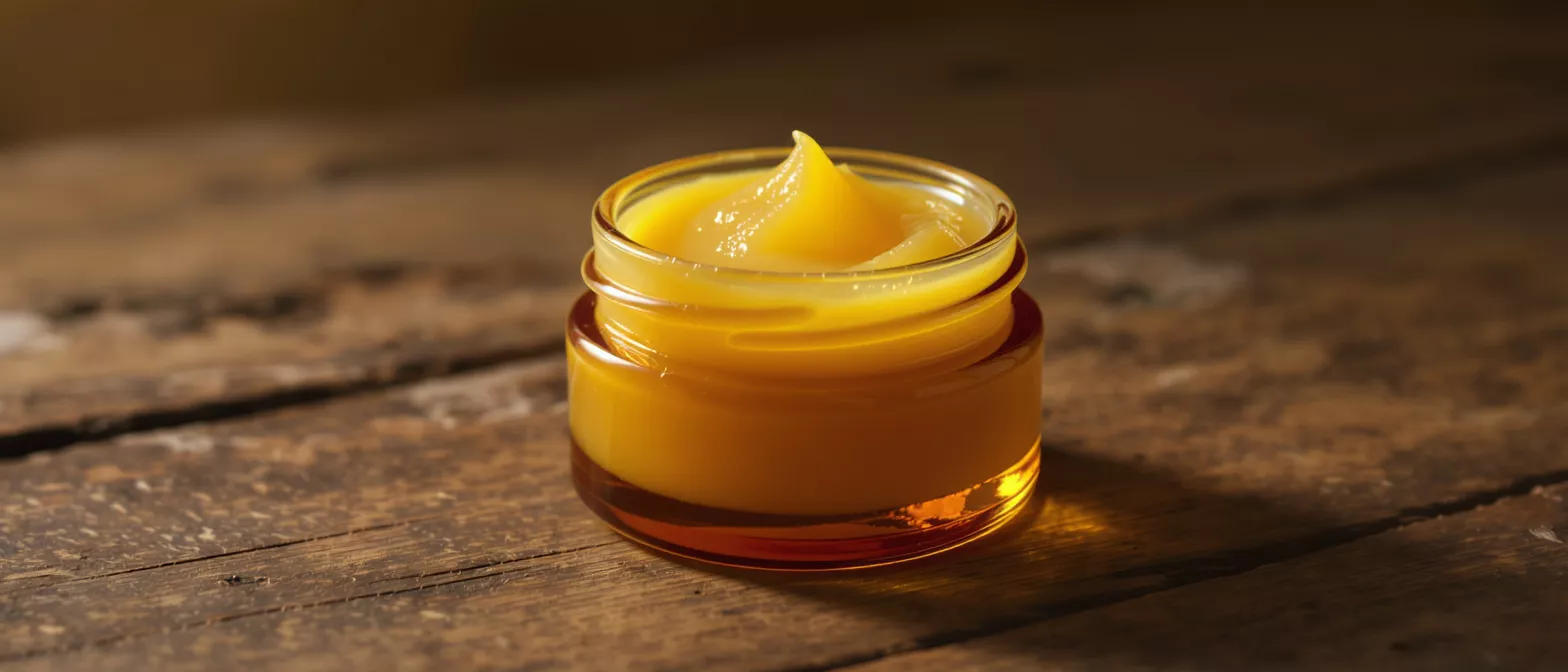
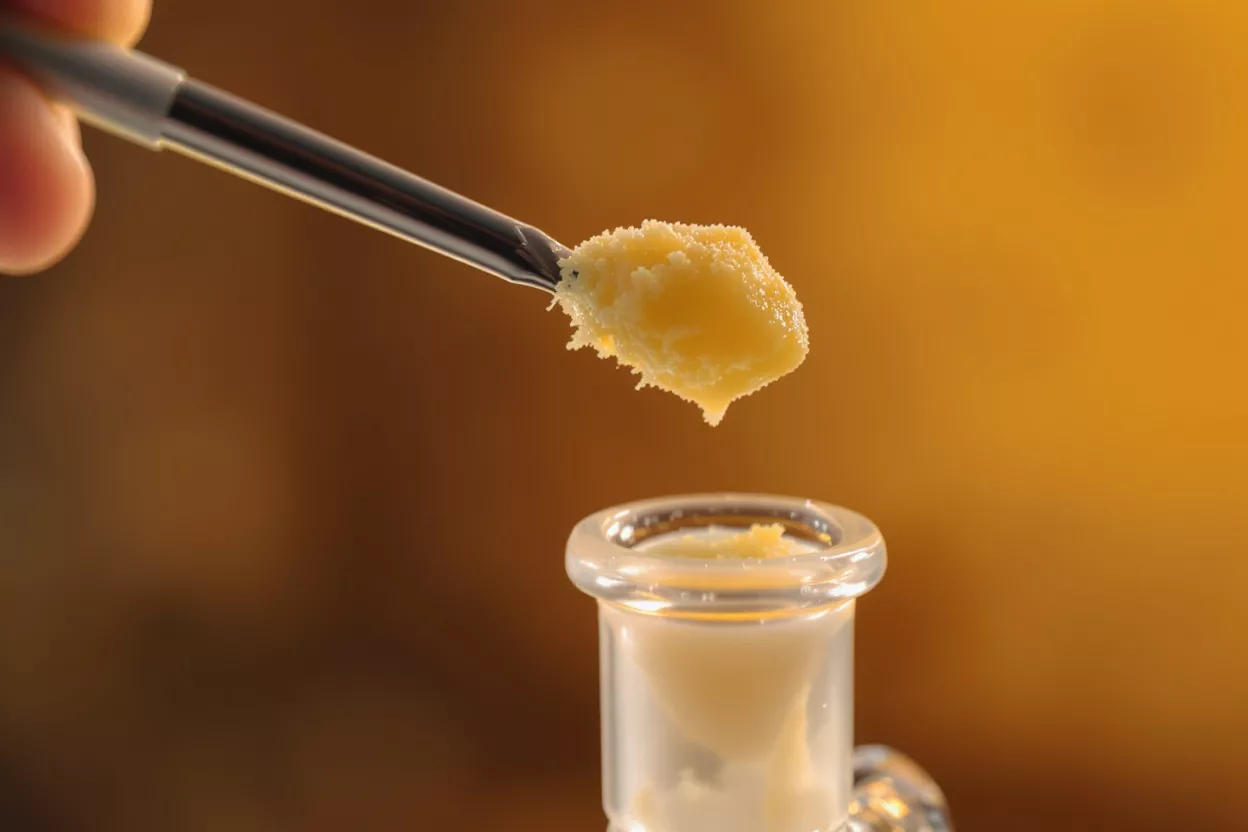
Buddering describes the moment a glassy, translucent cannabis extract loses its brittle structure and turns into a soft, opaque, butter-like consistency. If you have ever opened a jar expecting clear shatter and found something resembling cake frosting instead, you have witnessed buddering firsthand. The term has become shorthand among concentrate enthusiasts for any extract that has shifted from a stable amorphous state into a creamy, crystallized texture.
At its core, buddering is a physical transformation rather than a chemical one. The cannabinoids and terpenes inside the extract have not necessarily degraded; they have simply reorganized at a molecular level. This is why a budder you make on purpose and a shatter that "budders" unexpectedly can look nearly identical even though one was intentional and the other was a surprise.
Understanding buddering matters because texture is one of the first things people judge when assessing a concentrate. A smooth budder can be just as potent and flavorful as pristine shatter, yet many newcomers assume a change in appearance signals spoilage. Learning what is actually happening helps you make better choices about storage, handling, and whether to reach for a fresh dab tool or a Carb cap.
How Does Buddering Happen to Extracts
The science of nucleation: Buddering is driven by nucleation and crystallization. Cannabis extracts in their shatter form exist as a supercooled liquid trapped in a glass-like state. That state is inherently unstable, and over time the molecules want to settle into a more ordered, lower-energy arrangement. When agitation, heat, or moisture nudges them, crystals begin forming around tiny nucleation points, and the clarity gives way to opacity.
The role of terpenes and moisture: Residual solvents, terpenes, and trace water all act as agents that lower the energy barrier for this transition. Higher terpene content tends to accelerate buddering because those volatile compounds keep the matrix mobile rather than locked. According to RxList, cannabinoids like THC and CBD have distinct melting and crystallization behaviors, which is part of why some extracts budder readily while others stay glassy for months.
Temperature swings are the most common everyday trigger. Leaving a jar in a warm car, near a window, or even in a pocket can supply enough energy to start the cascade. Once a few crystals form, they act as seeds that encourage the rest of the extract to follow, much the way a single sugar crystal can turn honey cloudy. This is also why intentionally whipping an extract under controlled heat produces a uniform, attractive budder used in many premium dab products.
Buddering vs Other Concentrate Textures
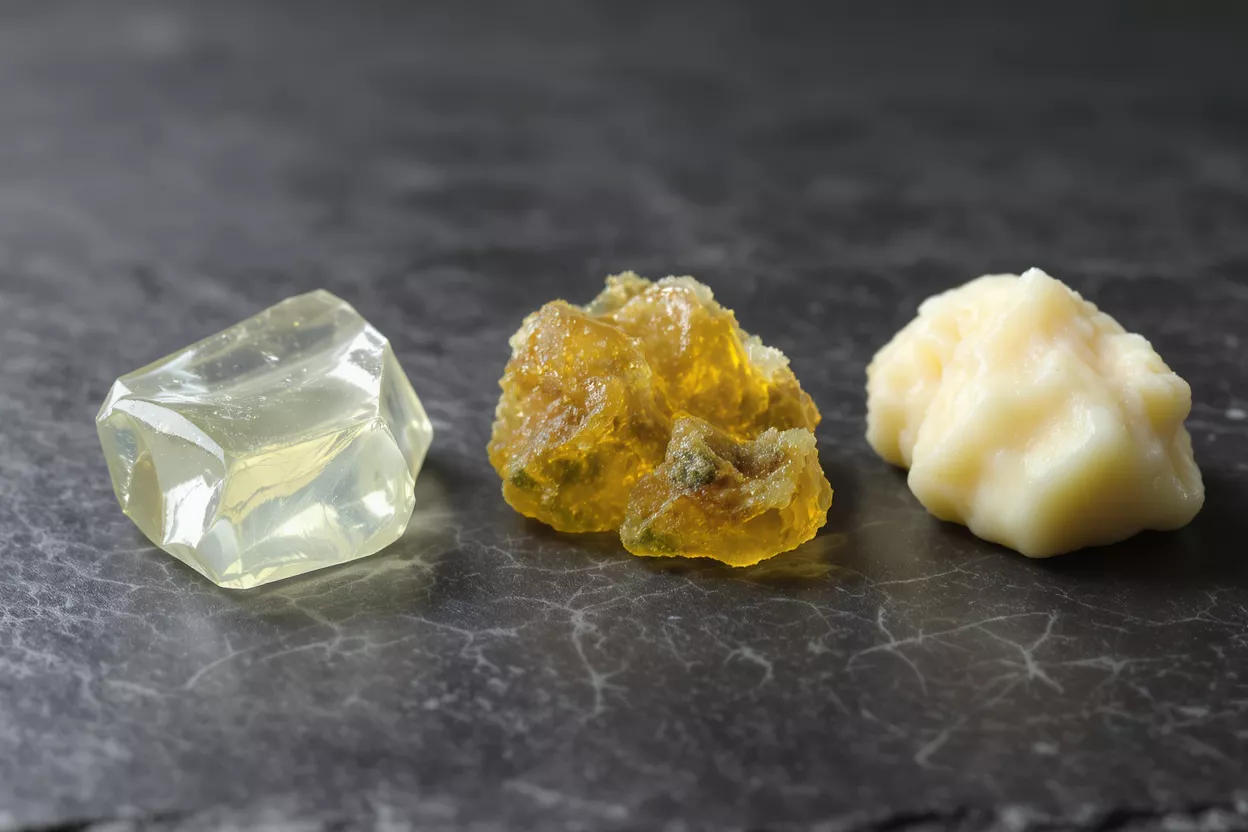
Concentrate texture exists on a spectrum, and buddering sits in the creamy middle of that range. Knowing where it lands helps you set expectations when a jar arrives looking different from the photos. Below is a quick comparison of how the major textures relate to one another.
- 🧊 Shatter: Glassy, transparent, and brittle. The most "unstable" state, most likely to eventually budder.
- 🧈 Budder: Soft, opaque, and easy to scoop. The result of buddering, whether intentional or accidental.
- 🍯 Sauce: A wet mixture of cannabinoid crystals suspended in a terpene-rich liquid.
- 💎 Diamonds: Large, isolated THCA crystals — buddering taken to its fully crystallized extreme.
- 🥖 Crumble: A dry, brittle texture that crumbles apart, often from extended low-heat purging.
The key insight is that these textures are not different products so much as different stages and conditions of the same underlying material. A slab of shatter can transition through a budder phase and, given enough time and the right conditions, even develop visible crystalline structures.
Because the line between intentional and accidental buddering is so thin, many extractors lean into it. Whipped budders and waxes are prized for being easy to handle and for delivering bold terpene flavor, which is why a quality whipped live resin budder has become a staple on so many menus. The texture that frustrates a shatter purist is exactly what another consumer seeks out.
Common Causes of Buddering in Shatter
Heat exposure: Warmth is the single biggest driver. Even mild, sustained temperatures above room level give molecules the mobility they need to reorganize. A dab rig left running nearby, a sunny windowsill, or summer shipping conditions can all start the process before you ever open the jar.
Agitation and movement: Physical disturbance matters more than people expect. Tapping, folding, or repeatedly flexing a slab introduces mechanical energy that seeds crystallization. This is precisely the principle behind intentional whipping, where extractors apply controlled heat and stirring to "force" a uniform budder.
Residual solvents and high moisture content round out the list of culprits. Extracts that were not fully purged retain volatile compounds that keep the matrix unstable, and humidity introduces water molecules that further lower the crystallization threshold. The medical reference site RxList notes that compound stability is highly sensitive to environmental conditions, a principle that applies just as well to cannabis extracts as to pharmaceuticals.
- 🌡️ Temperature: Store below room temperature whenever possible.
- 👐 Handling: Minimize folding, tapping, and unnecessary contact.
- 💧 Moisture: Keep the container sealed and away from humidity.
- ⏳ Time: Even perfect storage only delays the natural transition.
Is Buddered Concentrate Safe to Use
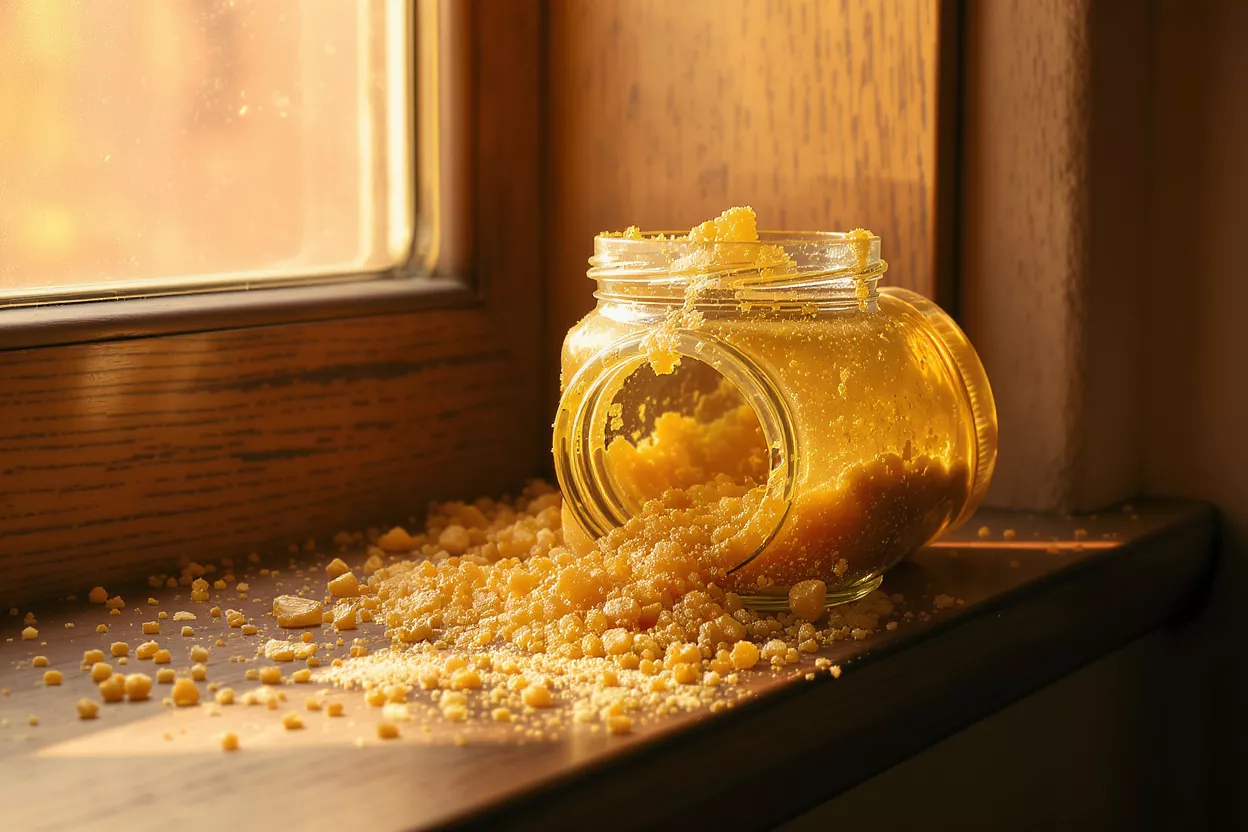
Texture is not contamination: The most important thing to understand is that buddering does not make a concentrate unsafe. The transformation is physical, not microbial or toxic. A slab that has gone from clear to creamy is still the same cannabinoids and terpenes it always was, simply rearranged. Unless the product shows actual signs of contamination, buddering alone is no reason for concern.
That said, texture change can occasionally accompany other issues worth watching for. True spoilage in concentrates is rare because of their low water activity, but mold can appear if moisture intruded during storage. Off smells, fuzzy growth, or sour notes are different from simple buddering and should be taken seriously.
For perspective on cannabinoid safety profiles, resources like RxList catalog how compounds such as THC, CBN, and CBG behave in the body. Minor cannabinoids like CBG, CBN, and even rarer ones such as CBL form naturally as extracts age, and their presence is part of why a well-aged budder can offer a slightly different, mellower experience than fresh shatter.
How to Prevent Buddering at Home
Prevention comes down to controlling the three forces that drive crystallization: heat, agitation, and moisture. You cannot stop buddering forever — it is the thermodynamically favored end state — but you can dramatically slow it. Cool, dark, airtight storage is the foundation of any preservation strategy.
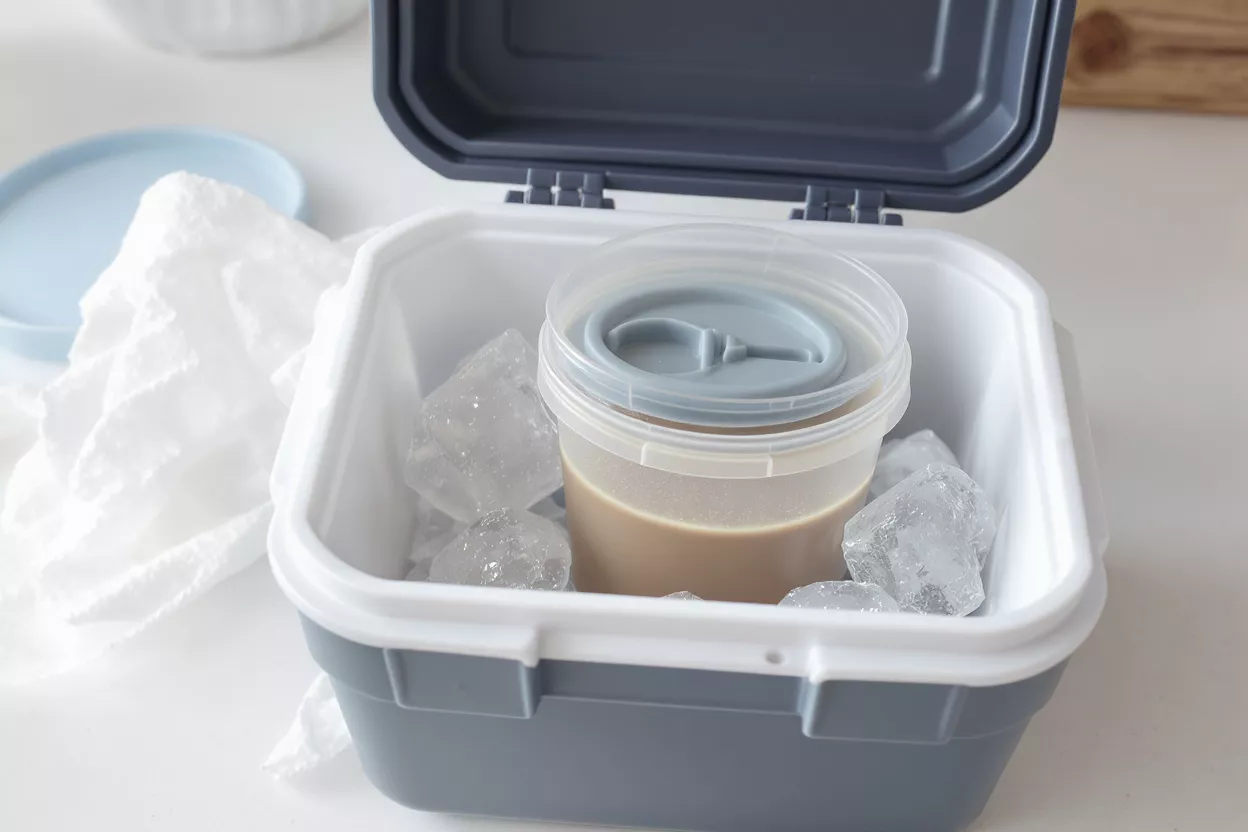
Cold storage done right: Refrigeration and freezing slow molecular movement to a crawl, which is why many connoisseurs keep prized slabs chilled. The catch is condensation: always let a cold container return to room temperature before opening so moisture does not form on the extract. A high-quality silicone or glass airtight concentrate storage jar protects against both air exposure and accidental agitation.
Handling discipline is the underrated half of prevention. Use a clean, room-temperature dab tool, take what you need in one motion, and reseal immediately. Avoid working directly over a hot rig, and resist the urge to fold or knead a slab to test its texture. A dedicated Carb cap and a steady technique reduce the heat and handling that nudge an extract toward buddering.
How to Fix Buddered Shatter
If your shatter has already buddered and you genuinely prefer the glassy texture, you have a few options — though it helps to set realistic expectations. Returning a budder to true, stable shatter is difficult because the molecules have found a lower-energy state they "want" to stay in. Most home methods produce a temporary clarity at best.
Gentle re-melt method: Applying low, even heat on a non-stick surface can re-liquefy the extract, and rapidly cooling it may briefly restore a glassy look. The result is rarely as stable as the original and will often budder again faster than before. For most people, the effort outweighs the cosmetic payoff.
The more practical mindset is to embrace the new texture. Budder is arguably easier to dose, scoop, and load than shatter, and it suits everything from a dab rig to a portable device. If you find yourself fighting buddering constantly, it may be worth keeping a discreet cbd vape pen on hand for convenience and saving your slabs for occasions when texture matters most.
- 🔥 Re-melting: Brief low heat then rapid cooling — temporary at best.
- ❄️ Cold shock: Sometimes firms texture but rarely restores clarity.
- 🤷 Acceptance: Often the smartest move — budder works great as-is.
Does Buddering Affect Potency and Flavor
One of the most common worries is whether a buddered slab has lost its punch. The reassuring answer is that buddering itself does not reduce potency. The cannabinoids are still present in the same quantity; they have simply changed arrangement. A gram of buddered shatter contains essentially the same THC as it did the day it was made.
Flavor is a slightly more nuanced story. Because buddering is often driven by terpene mobility and mild heat, some of the lighter, most volatile terpenes can escape over time. The result is frequently a mellower, less sharp flavor profile rather than a loss of effect. Terpenes like cedrene contribute woody, grounding notes that tend to persist even as brighter top notes fade.
According to RxList, cannabinoid potency depends primarily on the quantity of active compound delivered, not on the physical form it takes. So while a heavily aged budder may smell and taste a touch different from fresh shatter, the experience remains driven by the same underlying cannabinoid content.
Best Ways to Consume Buddered Wax
Buddered wax is genuinely versatile, and in many cases its soft texture makes it more user-friendly than its glassy counterpart. Dabbing remains the gold standard for flavor and potency, where a proper temperature and a Carb cap let you draw out the full terpene profile at lower, tastier temperatures.
Beyond the dab rig: Budder's pliability lends itself to other methods too. A small amount can top a bowl, get worked into cigarette style pre rolls, or load into a compatible vaporizer cartridge. Its scoopable consistency means you waste less material than you might with crumbly or sticky alternatives.
For those exploring topical and wellness applications, the same cannabinoid-rich material that makes a great dab can appear in formats like a cbd infused face oil or a soothing balm. If you are curious about cannabis-derived skincare, products such as a cbd exfoliating scrub and a dependable full-spectrum CBD topical balm show how versatile these extracts have become beyond inhalation.
Storing Concentrates to Avoid Buddering
Good storage is the difference between a slab that stays pristine for months and one that budders within days. The goal is simple: minimize the heat, light, air, and agitation that drive crystallization. Treat your concentrates the way you would treat any temperature-sensitive specialty product.
- 🌑 Keep it dark: UV light degrades cannabinoids and accelerates change — store in opaque or shaded containers.
- 🧊 Keep it cold: A refrigerator or freezer dramatically slows molecular movement.
- 🔒 Keep it sealed: Airtight glass or silicone blocks oxygen and humidity.
- ✋ Keep it still: Avoid repeated handling and temperature cycling.
One practical tip: portion larger purchases into smaller containers so you only expose the amount you intend to use. Every time you open a jar, you introduce a little warmth, air, and moisture, so reducing those open-and-close cycles meaningfully extends shelf life. Resources such as RxList underscore how environmental stability protects active compounds — a principle that applies neatly to cannabis concentrates.
Ultimately, buddering is a natural, harmless part of the life cycle of a cannabis extract rather than a defect to fear. Once you understand that it is a physical reorganization driven by heat, time, and terpene mobility, you can store more wisely, handle more carefully, and even appreciate the smooth, scoopable texture for what it offers. Whether you prefer glassy shatter or creamy budder, knowing the science behind the change puts you firmly in control of your concentrate experience.