Crossfade
Learn what a crossfade is and why mixing cannabis with alcohol can be dangerous.
What Is a Crossfade and Why Does It Happen
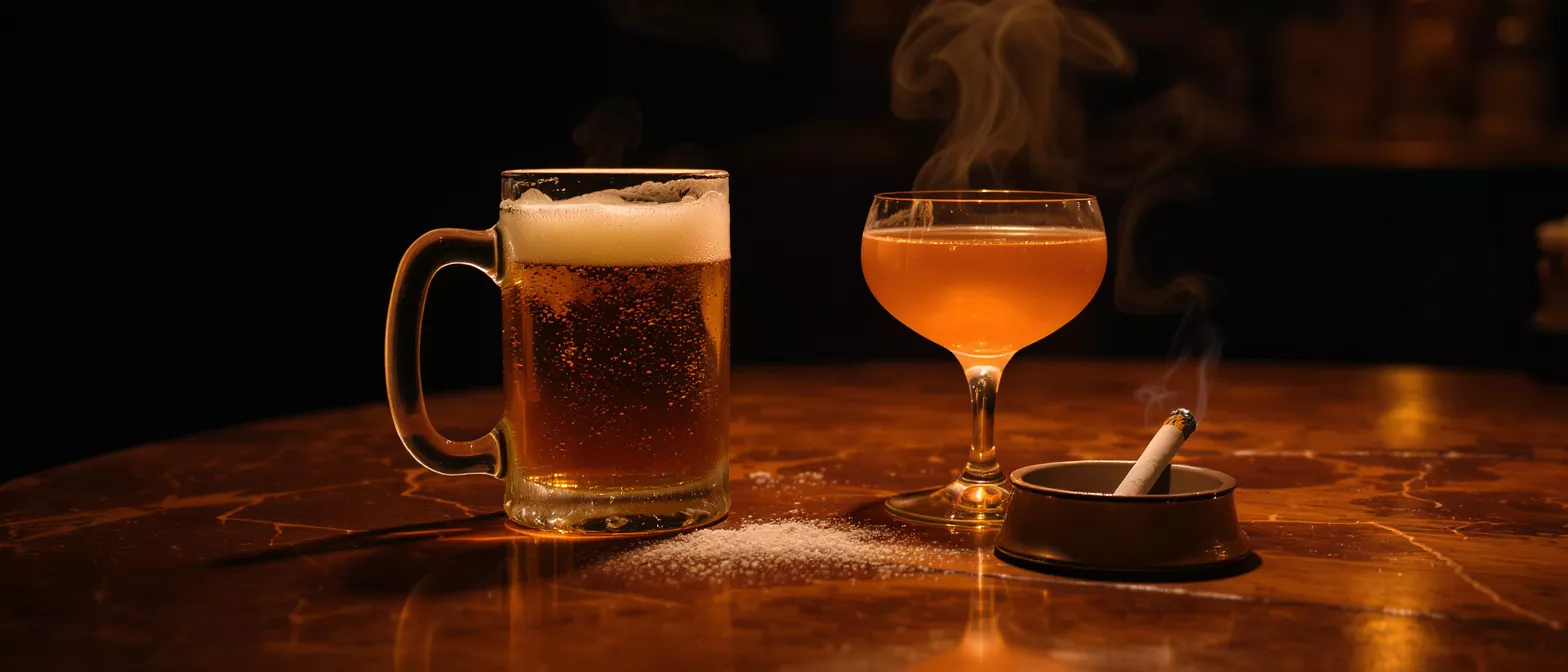
A crossfade is the combined state of intoxication that results from using cannabis and alcohol at the same time, or close enough together that their effects overlap. The term is borrowed from audio mixing, where one track fades into another, and it captures the experience well: two distinct substances blending into a single, often unpredictable, headspace. For many people the crossfade sounds appealing in theory, a little buzz from a drink layered with the relaxation of THC. In practice, the interaction is far more complicated than simply stacking two pleasant feelings.
The reason a crossfade happens at all comes down to how these two substances move through the body. Alcohol changes the way your blood vessels dilate and how quickly your stomach and bloodstream absorb other compounds. When alcohol is present, your body tends to absorb THC faster and at higher peak concentrations. That single physiological quirk is the engine behind most crossfade stories, and it explains why a combination that seems modest on paper can feel surprisingly intense.
It is worth noting that the order matters. Drinking before consuming cannabis produces a meaningfully different result than consuming cannabis before drinking. The first sequence tends to amplify the cannabis effect, while the second can mask how drunk a person actually is. Understanding this sequencing is the first step toward understanding why crossfades catch so many people off guard.
How Crossfade Affects the Body and Brain
The pharmacological interaction between alcohol and cannabis is genuinely synergistic, not merely additive. A 1992 study published in the journal Psychopharmacology found that participants who drank alcohol before smoking cannabis showed significantly higher peak THC levels in their blood than those who took a placebo drink. In plain terms, alcohol acts as a kind of accelerant, opening the door for THC to flood the system more quickly than it otherwise would.
Both substances also depress different parts of the central nervous system in overlapping ways. Alcohol slows reaction time, impairs balance, and dulls judgment. Cannabis alters perception, short-term memory, and spatial awareness. When you combine them, these impairments compound rather than cancel out, producing a degree of cognitive and motor disruption that neither substance reaches on its own at comparable doses.
There is also a feedback loop involving nausea. Cannabis is often used to suppress nausea, which is precisely why a crossfade can become dangerous. If someone has had too much to drink, the body's natural protective response is to vomit and expel the alcohol. The anti-nausea effect of THC can suppress that reflex, allowing blood alcohol to climb higher than the body would normally tolerate.
Crossfade Symptoms to Watch For
A crossfade does not always announce itself politely. Because the effects build and shift, the warning signs can sneak up over fifteen to thirty minutes rather than arriving all at once. Knowing what to watch for helps you intervene before a mild buzz tips into something genuinely unpleasant.
The most reported symptoms cluster around dizziness, nausea, and a spinning sensation often described as "the spins." Many people also experience a sudden drop in blood pressure when they stand up, cold sweats, and an overwhelming urge to lie down. Anxiety and paranoia, hallmarks of an uncomfortable cannabis experience, tend to intensify when alcohol is in the mix.
- 🌀 The spins: a relentless spinning sensation that worsens when you close your eyes or lie down flat.
- 🤢 Nausea and vomiting: often the body's attempt to purge excess alcohol, sometimes blunted by THC.
- 😰 Cold sweats and clamminess: a classic precursor to fainting or "whitey."
- 💭 Heightened anxiety: racing thoughts, paranoia, and a sense of losing control.
- 📉 Drop in blood pressure: lightheadedness, especially when standing up quickly.
Why a Crossfade Feels Worse Than Either Substance Alone
People often assume that combining two mild doses will produce a mild result. The crossfade defies that intuition. Because alcohol increases the absorption rate of THC, a single drink paired with a single joint can deliver a high that feels disproportionate to either input, leaving even experienced users surprised by the intensity.
The loss of an internal compass is part of what makes a crossfade so disorienting. When you are drunk, you generally have a rough sense of being drunk. When you are high, you usually know you are high. But the crossfade muddles both reference points, so it becomes harder to gauge how impaired you actually are or which substance is responsible for which sensation. That ambiguity is precisely what leads people to keep consuming when they should stop.
The unpredictability is the throughline. Set, setting, dose, hydration, food intake, and individual tolerance all influence how a crossfade lands, which means the same combination can feel pleasantly mellow one night and genuinely frightening the next. Respecting that variability is the difference between a manageable experience and a memorable mistake.
Crossfade vs Greening Out: Knowing the Difference
Greening out refers specifically to the acute discomfort of consuming too much cannabis, characterized by pale skin, nausea, sweating, and the spins. A crossfade can trigger a greening-out episode, but the two are not identical. Greening out is a cannabis-only phenomenon, while a crossfade involves the added variable of alcohol intoxication layered underneath.
The distinction matters because the response differs. A pure green-out tends to resolve on its own with rest, fluids, and time, since cannabis is not acutely toxic in the way alcohol can be. A crossfade carries the additional risk profile of alcohol, including the danger of alcohol poisoning being masked by THC's anti-nausea properties.
If you are ever unsure whether someone is greening out or experiencing something more serious driven by alcohol, treat the alcohol as the priority concern. Cannabis alone is unlikely to require emergency intervention, but alcohol poisoning is a medical emergency that demands attention regardless of what else is in the mix.
Who Is Most at Risk of Crossfading
Not everyone experiences a crossfade the same way, and certain factors raise the odds of an unpleasant outcome. Tolerance plays an enormous role: someone new to either substance has far less margin for error than a seasoned user, and beginners account for a disproportionate share of bad crossfade stories.
- 🌱 Inexperienced users: low tolerance means even modest amounts can overwhelm the system.
- ⚖️ Lower body weight: alcohol and THC reach higher relative concentrations.
- 🍽️ Empty stomach: faster absorption of both substances and a steeper curve.
- 💊 Mixing with medications: some prescriptions amplify sedation or impair metabolism.
- 🏃 Dehydration or fatigue: reduces the body's resilience to intoxication.
Method of consumption also shapes the risk. Edibles introduce a delayed onset that pairs badly with alcohol, because someone might drink more while waiting for the edible to "kick in," only to be hit by both at once an hour later. Smoking or vaping produces a faster, more legible response, which gives the user a better chance to read the situation and stop in time.
Mindset and environment round out the picture. A relaxed setting with trusted people and a clear exit plan softens the edges of any intense experience, while an unfamiliar or high-pressure environment can turn a manageable buzz into a panic-laced ordeal. The most at-risk person is often not the one who consumed the most, but the one who consumed without preparation.
How to Avoid a Crossfade
The simplest way to avoid a crossfade is to keep alcohol and cannabis on separate occasions, but that advice is not always realistic for people who socialize where both are present. The next best strategy is rigorous moderation: choose one substance to lead, keep the other minimal, and give yourself wide margins rather than testing your limits.
Timing and sequencing matter enormously. If you plan to use both, consider spacing them out by a couple of hours so their peaks do not collide. Eating a substantial meal beforehand slows absorption and smooths the curve. Hydrating consistently throughout the night helps with both the immediate experience and the next-day recovery.
- 🥤 Hydrate first: a glass of water between drinks and before consuming cannabis.
- 🍔 Eat a real meal: food slows absorption and blunts the peak.
- ⏳ Go low and slow: wait to feel one substance fully before adding the other.
- 🚫 Pick a lead: let one substance dominate and keep the other to a token amount.
- 🧭 Have an exit plan: a safe ride and a calm place to land if things turn.
What to Do During a Bad Crossfade
If a crossfade has already turned uncomfortable, the goal shifts from prevention to damage control. The single most important move is to stop consuming anything else immediately. Adding more alcohol or cannabis to an already overwhelmed system only deepens the hole, and most bad crossfades worsen because the person kept going past the point of clear judgment.
Grounding techniques can take the edge off the psychological side. Find a quiet, dimly lit space, sit or lie down with your head slightly elevated rather than flat, and focus on slow, deliberate breathing. Reminding yourself that the sensation is temporary and will pass is genuinely effective, because much of the panic in a crossfade is fueled by the fear that it will never end.
Stay hydrated with small sips of water, and keep a calm, sober friend nearby if at all possible. Do not lie a vomiting person flat on their back; position them on their side to keep the airway clear. If breathing becomes irregular, the person cannot be roused, or you suspect alcohol poisoning, treat it as the emergency it is and seek medical help without hesitation. 🚑
Crossfade Recovery and Aftercare
The morning after a heavy crossfade can carry the worst of both worlds: an alcohol hangover stacked on top of the foggy, sluggish feeling that sometimes trails a strong cannabis session. Recovery is mostly a matter of patience, rest, and replenishing what the night depleted.
Rehydration is the foundation of feeling human again. Alcohol is a diuretic, so the body is often running a fluid deficit, and replacing electrolytes alongside plain water tends to work better than water alone. Gentle nourishment, a quiet morning, and a forgiving schedule give the body the space it needs to reset.
- 💧 Replenish fluids: water plus electrolytes to counter alcohol's diuretic effect.
- 😴 Prioritize sleep: rest is where the real recovery happens.
- 🍳 Eat something gentle: bland, nourishing food helps settle the stomach.
- ☕ Go easy on caffeine: it can deepen dehydration if overdone.
- 📝 Reflect honestly: note what went wrong so the next time goes better.
Is Crossfading Ever Safe
There is no perfectly safe way to combine intoxicants, and any honest guide has to say so plainly. That said, the gulf between a careful, low-dose crossfade among experienced adults in a comfortable setting and a reckless, high-volume binge is enormous. Risk exists on a spectrum, and informed choices move you toward the safer end of it.
For people who do choose to crossfade, harm reduction is the realistic framework. Knowing your tolerance, controlling your dose, staying hydrated, eating well, and surrounding yourself with people you trust will not eliminate risk, but it meaningfully reduces the chance that a pleasant evening curdles into a frightening one. The crossfade is unforgiving of carelessness and far kinder to those who respect it.
Ultimately, understanding the crossfade is less about whether you should ever do it and more about making sure that, if you do, you do it with your eyes open. The interaction between alcohol and cannabis is real, measurable, and occasionally dangerous, but it is also predictable enough that knowledge becomes your best protection. Treat both substances with respect, listen to your body, and remember that the goal of any good time is to still feel good when it ends.