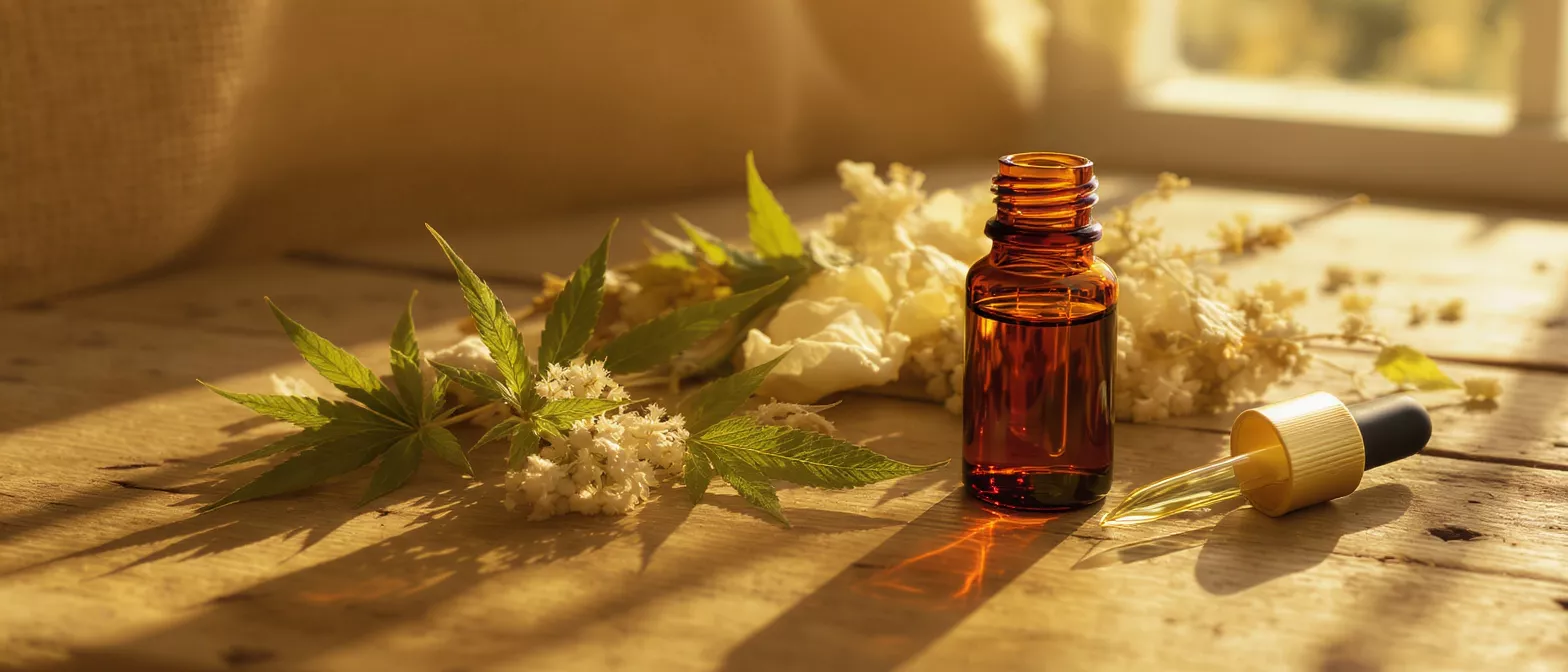
thc tincture
Learn everything about THC tincture: how it works, dosing tips, and benefits.
A THC tincture is one of the most underrated ways to enjoy cannabis, offering precise control, discreet use, and a clean alternative to smoking. If you have ever wanted the predictability of a measured dose without the harshness of inhalation or the long wait of an edible, this format deserves your attention. In this guide we will break down what a THC tincture actually is, how it moves through your body, the different formulations on the market, and how to use one confidently whether you are brand new or a seasoned consumer.
What Is a THC Tincture?
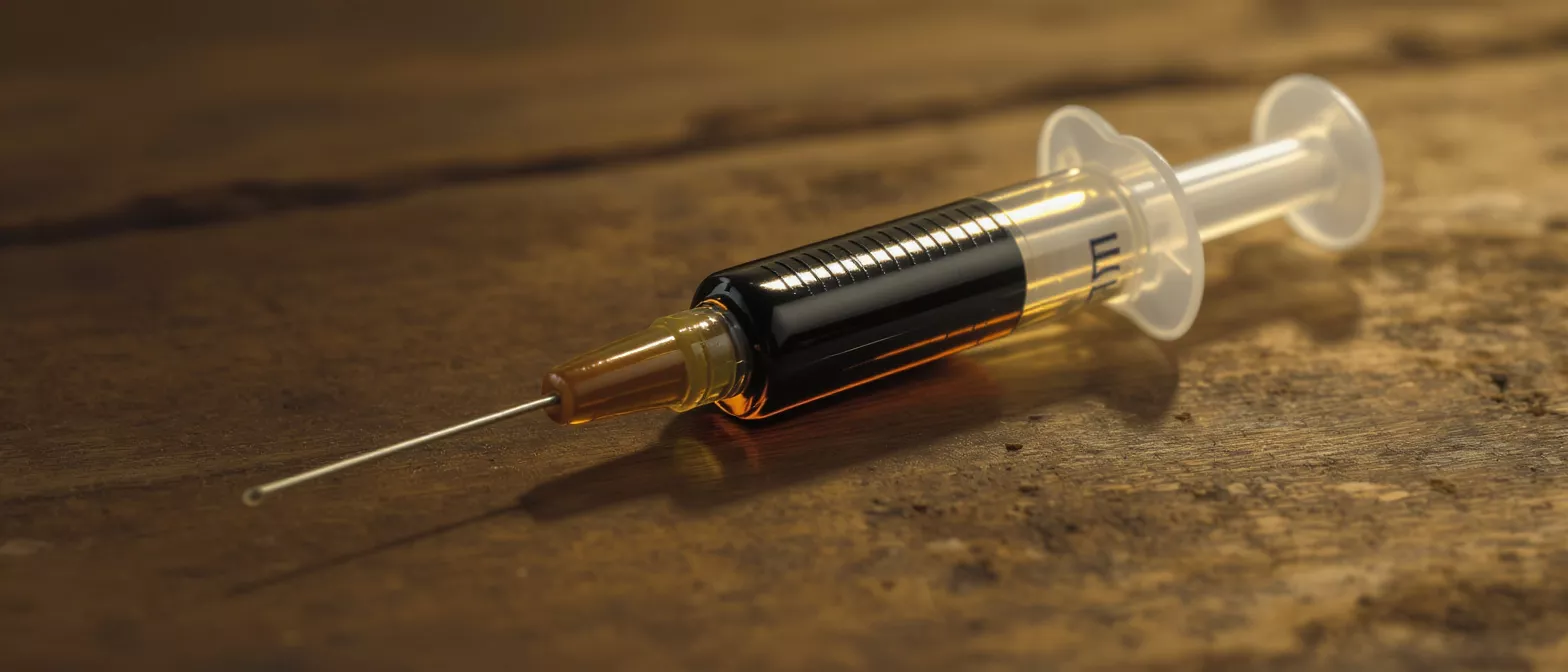
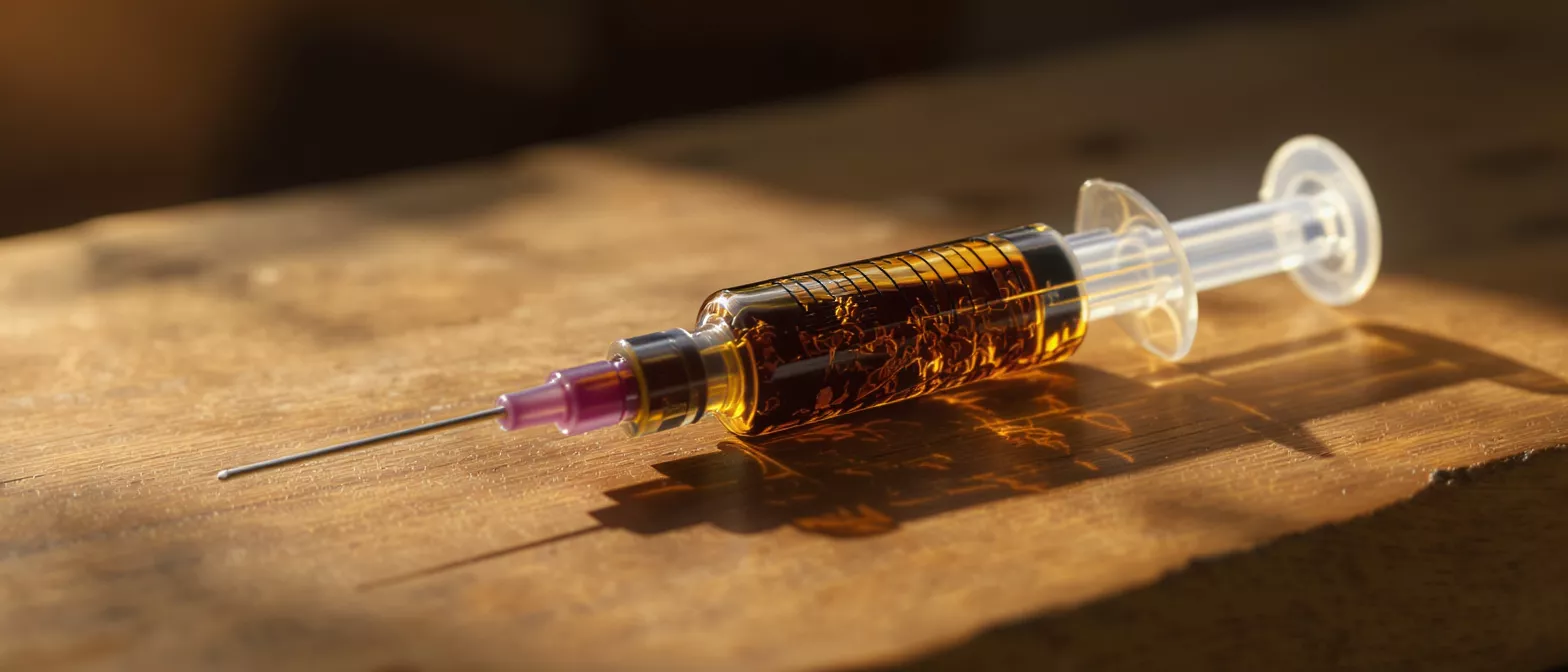
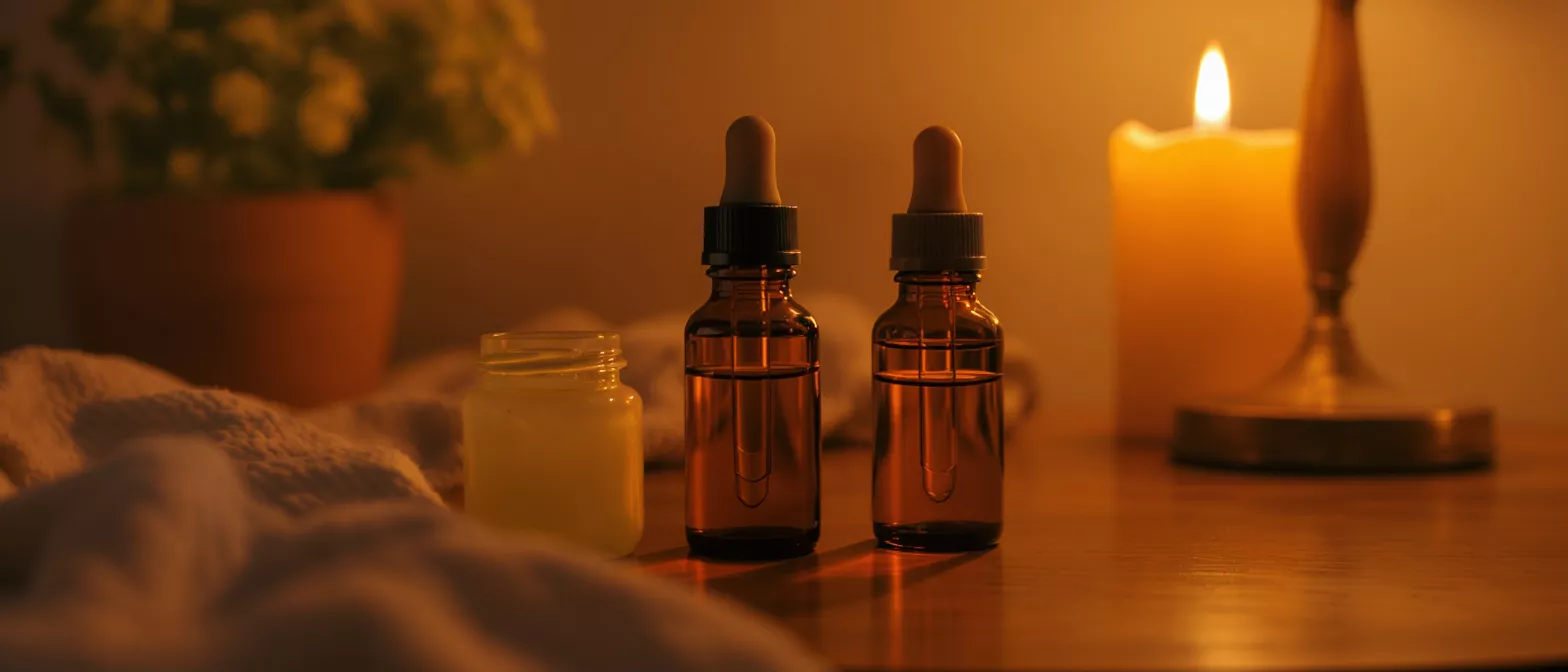
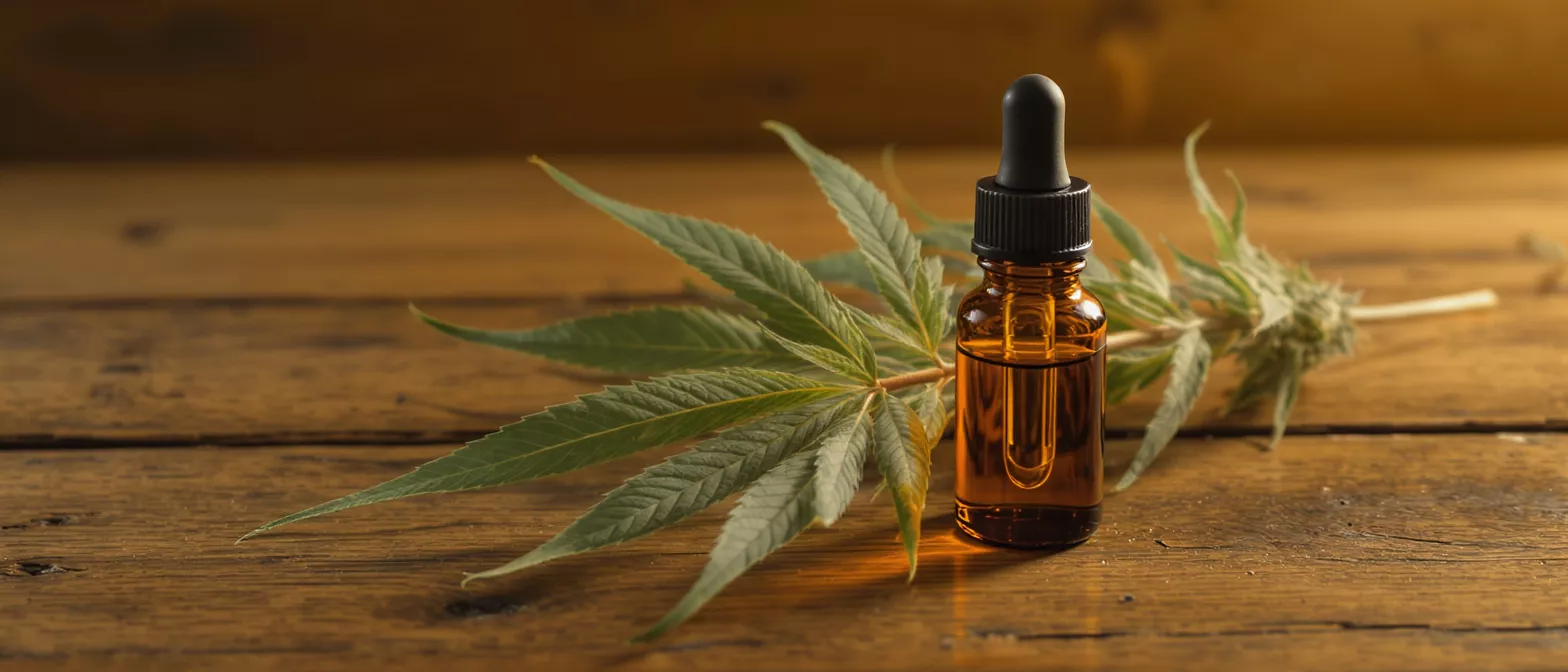
A THC tincture is a concentrated liquid cannabis extract suspended in a carrier such as alcohol or an oil like MCT. It typically arrives in a small glass bottle fitted with a graduated dropper, which is the key to its appeal: every drop delivers a consistent, repeatable amount of cannabinoids. Unlike a flower purchased from a single cola of a plant, a tincture is standardized in a lab so you always know roughly how many milligrams of THC you are taking.
Tincture vs. cannabis oil: people often use these terms interchangeably, but there is a meaningful distinction. A true tincture is traditionally alcohol-based, while many modern products labeled "tincture" are actually oil-based suspensions. Both work well, though the carrier affects taste, onset, and how the product feels under the tongue. According to WebMD, cannabis-based liquids have grown in popularity precisely because they let users titrate doses far more easily than smoking.
The origin of the tincture predates modern cannabis culture by more than a century. Cannabis tinctures appeared in Western pharmacies in the 1800s and remained a common medicinal preparation until prohibition. Today's products simply refine that old idea with cleaner extraction methods and reliable potency testing.
How THC Tinctures Work in the Body
The way a THC tincture affects you depends heavily on how you take it. Held under the tongue, a portion of the THC is absorbed sublingually through the thin tissue lining the mouth, entering the bloodstream directly and bypassing the digestive tract. This sublingual route produces a faster onset, often within 15 to 45 minutes, and effects that feel a touch more clear-headed than a heavy edible.
Sublingual vs. swallowed: if you swallow the tincture instead of holding it, it behaves much more like an edible. The THC passes through the liver and is converted into 11-hydroxy-THC, a more potent metabolite that can produce stronger, longer-lasting, sometimes more sedating effects. This is why some users experience couch lock from a swallowed dose but only a gentle lift from the same amount held sublingually.
Your individual response is shaped by metabolism, body weight, tolerance, and whether you have eaten. The endocannabinoid system, which regulates mood, appetite, and pain signaling, is where THC ultimately exerts its effects by interacting with cannabinoid receptors throughout the brain and body.
How THC Tinctures Are Made
Quality tinctures begin with quality extraction. Many premium products start as a concentrate slurry produced through CO2 extraction, a solventless-feeling method that uses pressurized carbon dioxide to pull cannabinoids and terpenes from the plant material. The resulting CO2 oil is clean, potent, and free of residual hydrocarbon solvents, which is part of why it has become a gold standard for ingestible products.
Decarboxylation matters: raw cannabis contains THCA, not active THC. To make a tincture psychoactive, the extract must be heated in a controlled decarboxylation step that converts THCA into THC. Skipping or rushing this stage leaves you with a product that tastes like cannabis but barely delivers any effect.
After extraction and decarb, the active oil is blended into its carrier and often flavored to mask the natural bitterness. The cultivation choices behind the source plant, including the strain, its terpene profile, and even whether it came from a particular clone or cross, all influence the final character of the tincture. Curing the harvested flower properly before extraction also preserves the aromatic compounds that survive into the bottle.
Types of THC Tinctures
Not all tinctures are built the same, and understanding the categories helps you shop intelligently. The biggest distinctions come down to the spectrum of cannabinoids included and the carrier used to suspend them.
Here is a quick comparison of the main formulations you will encounter:
- 🌿 Full-spectrum: contains THC alongside CBD, minor cannabinoids, and terpenes like citronellol and cymene for a fuller entourage effect.
- 💧 Broad-spectrum: keeps the supporting compounds but removes detectable THC, appealing to those who want minimal psychoactivity.
- 🔬 Isolate-based: pure THC distillate with no other cannabinoids, ideal for precise single-compound dosing.
- ⚖️ Balanced ratio: formulated with deliberate THC:CBD ratios such as 1:1 for a mellower, more functional experience.
Carrier choice matters too. Alcohol-based tinctures absorb quickly and have a long shelf life but carry a sharp taste, while MCT oil versions are smoother and may pair well with a few drops of fast-acting sublingual drops for users prioritizing onset speed.
Some products even blend in functional botanicals like cordyceps mushroom extract or curcumin from turmeric, layering wellness ingredients on top of the cannabinoid base for those who want more than THC alone.
THC Tincture Dosing Guide
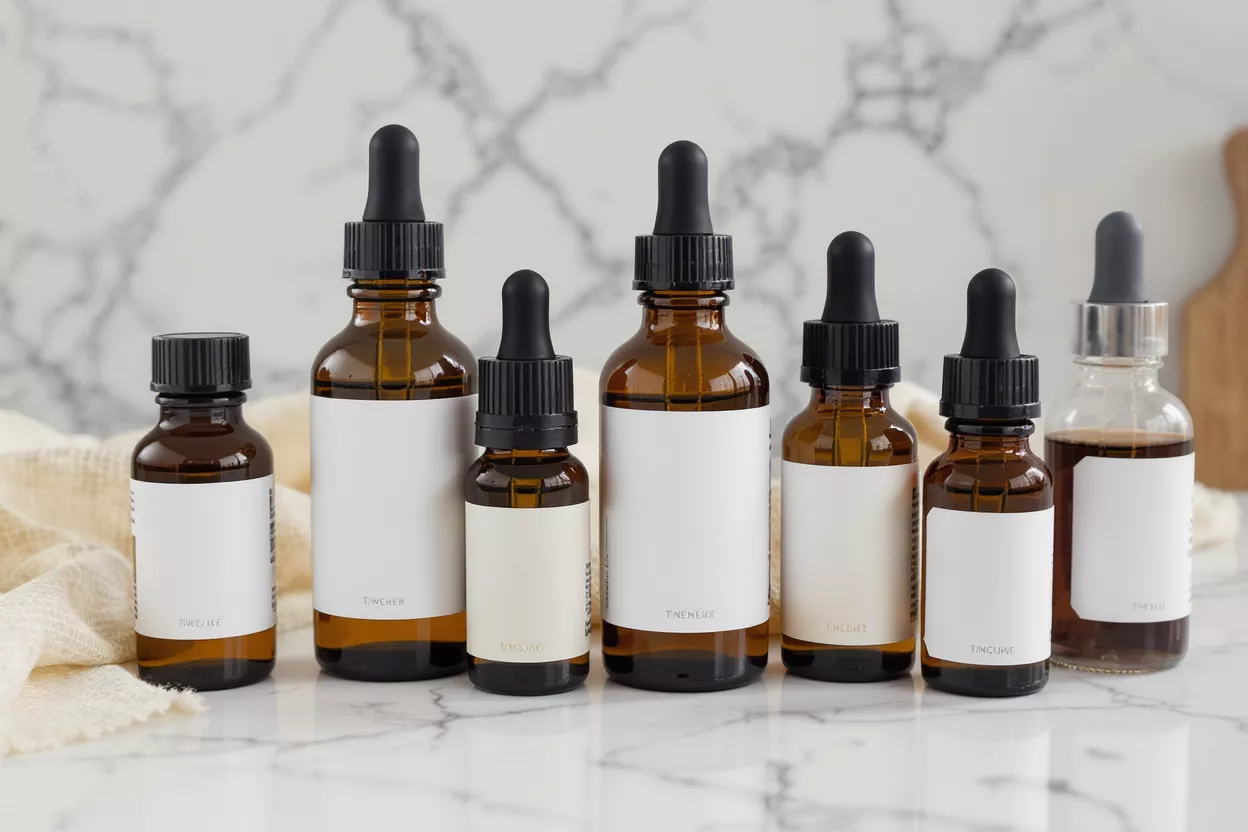
Dosing is where tinctures genuinely shine, because the dropper gives you granular control that flower and even gummies cannot match. The golden rule for newcomers is start low and go slow. A typical starting dose is 2.5 to 5 mg of THC, and you should wait a full two hours before considering more, especially if you swallowed the dose.
Reading your dropper: a standard dropper holds about 1 mL when full. If your 30 mL bottle contains 300 mg of THC, that means 10 mg per full dropper, or roughly 5 mg per half. Always check your specific product's label, since potency varies widely between brands.
The WebMD guidance on cannabis use echoes the same principle clinicians repeat: tolerance builds over time, so what works for a daily consumer may overwhelm a beginner. Below is a rough orientation for sublingual dosing, though individual results vary considerably.
- 🌱 Microdose (1–2.5 mg): subtle mood lift, minimal impairment, good for daytime focus.
- 😌 Low (2.5–5 mg): gentle relaxation and mild euphoria for most newcomers.
- 🌗 Moderate (5–15 mg): noticeable effects, suited to experienced users seeking relief.
- 🌙 High (15 mg+): strong, potentially sedating; reserved for high-tolerance consumers.
THC Tincture Benefits
The appeal of a THC tincture goes well beyond novelty. Because there is no combustion, you avoid inhaling smoke or vapor entirely, which is a meaningful consideration for anyone concerned about respiratory health. This makes tinctures a logical choice for people who want cannabis without the harshness of a joint or a cone packed with flower.
Precision and discretion: the measured dropper means you can fine-tune your intake to the milligram, and the small bottle slips easily into a bag without odor or paraphernalia. For consumers managing a specific need, that repeatability is more valuable than the variable experience of smoking, where moisture and cottonmouth can also be unwelcome side effects.
Many users turn to tinctures for sleep, stress, or discomfort, and a balanced formula or a dedicated nighttime relaxation blend can support a wind-down routine without the next-morning grogginess some report from heavy edibles. As always, cannabis affects everyone differently, and a tincture's clean delivery simply makes it easier to find your personal sweet spot through careful experimentation.

THC Tincture vs Edibles and Other Methods
Choosing between a tincture and other consumption methods comes down to onset, control, and how the experience feels. Edibles must travel through the entire digestive system, so they take 45 minutes to two hours to kick in and can hit hard once they do. A tincture used sublingually splits the difference, offering quicker onset than an edible with gentler peak intensity.
Versus smoking and vaping: inhalation delivers near-instant effects through convection or combustion, but the experience is short-lived and harder to dose precisely. A tincture trades that immediacy for longer, steadier effects and zero lung exposure, making it a strong everyday option.
If you enjoy combining methods, be cautious about a crossfade or stacking a tincture on top of other cannabis products before you understand your tolerance. The flexibility of tinctures means they layer easily, but that same flexibility can sneak up on you if you are impatient with onset times.
How to Use a THC Tincture
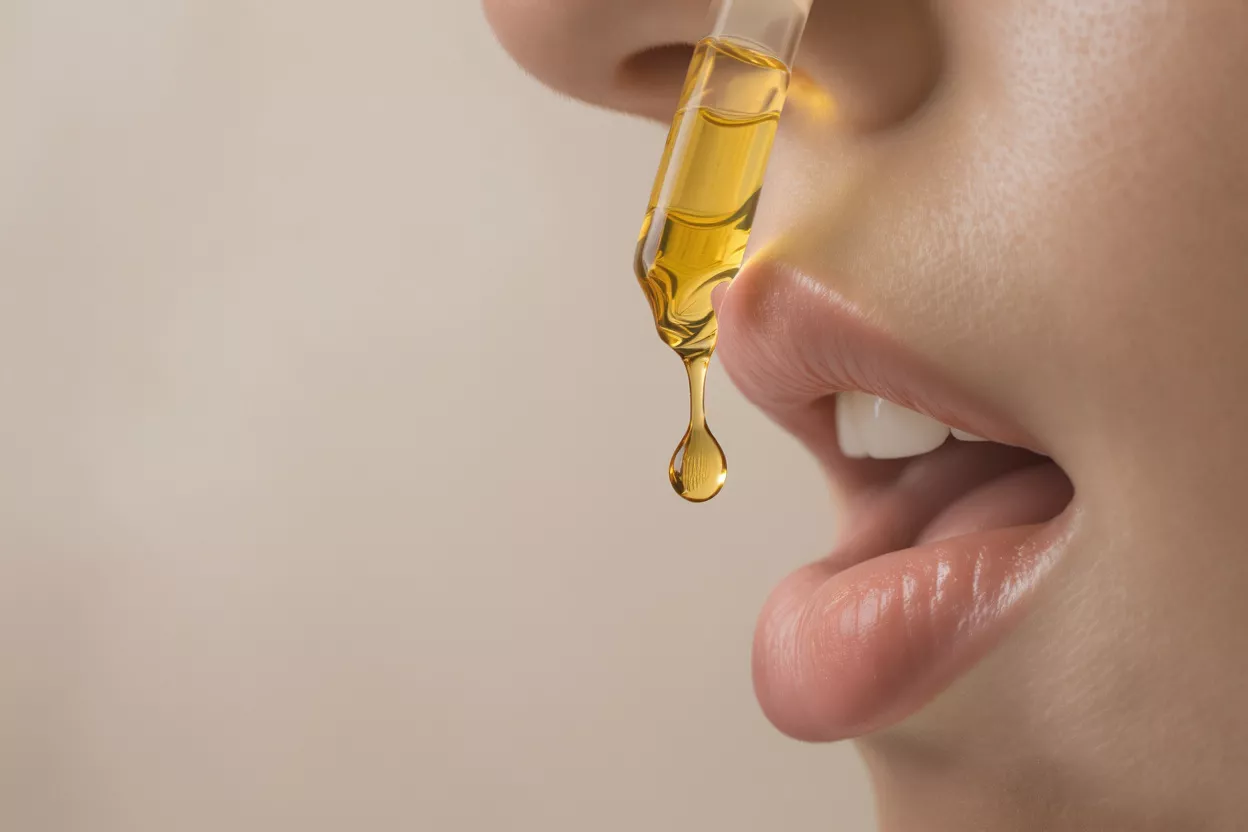
Using a tincture correctly is simple once you know the technique. Shake the bottle gently, draw your measured dose into the dropper, and dispense it under your tongue. Hold the liquid there for 60 to 90 seconds before swallowing to maximize sublingual absorption. This pause is the difference between fast-onset effects and an edible-style experience.
Mixing into food and drink: you can absolutely add tincture to coffee, tea, or a smoothie, but understand that doing so converts it into an edible in terms of onset and metabolism. Oil-based tinctures blend into fatty foods better than alcohol-based ones, which can taste harsh in a cold beverage.
For best results, take your dose on a consistent schedule and keep brief notes on the amount and effects. A pair of precision dropper bottles can help if you like to portion out custom blends, and tracking your response over a week makes dialing in the perfect dose far easier than guessing each time.
Are THC Tinctures Safe?
For most healthy adults, THC tinctures are considered low-risk when used responsibly, though they are not without side effects. Common temporary effects include dry mouth, red eyes, increased appetite, and at higher doses, anxiety or dizziness. Resources like WebMD note that THC can interact with certain medications, so anyone on prescription drugs should consult a healthcare provider before starting.
Who should be cautious: pregnant or breastfeeding individuals, people with a history of psychosis, and those with cardiovascular conditions should avoid THC or seek medical guidance first. Quality also matters for safety; reputable products provide a certificate of analysis verifying potency and screening for pesticides, heavy metals, and residual solvents.
The biggest practical risk with tinctures is overconsumption from impatience. Because effects build gradually, some users take a second dose too soon and end up uncomfortably high. Respect the wait time, store the product safely away from children and pets, and you eliminate most of the avoidable hazards.
How to Store a THC Tincture
Proper storage keeps your tincture potent and pleasant for far longer. Light, heat, and air are the enemies of cannabinoids, so the dark glass bottle most tinctures ship in is already working in your favor. Keep it sealed tightly when not in use to slow oxidation.
Ideal conditions: store your tincture in a cool, dark cabinet away from windows and appliances that generate heat. A pantry or medicine cabinet works well. Refrigeration can extend shelf life further but may thicken oil-based carriers, so let the bottle reach room temperature before dosing for an accurate dropper reading.
A well-made alcohol-based tincture can remain stable for a year or more, while oil-based versions generally last several months past opening. Watch for cloudiness, off smells, or separation that does not resolve with a gentle shake, as these can signal degradation. With minimal care, a single bottle delivers consistent, reliable dosing from the first drop to the last.
A THC tincture brings together precision, discretion, and a smoke-free delivery method in one compact bottle, which is exactly why this old-fashioned format keeps winning new fans. By understanding how sublingual absorption works, choosing the right spectrum and carrier for your goals, starting with a low dose, and storing the product properly, you can build a reliable cannabis routine tailored to your own body. Whether you want daytime focus, evening calm, or simply a cleaner alternative to smoking, a quality tincture gives you the control to get there one measured drop at a time.